
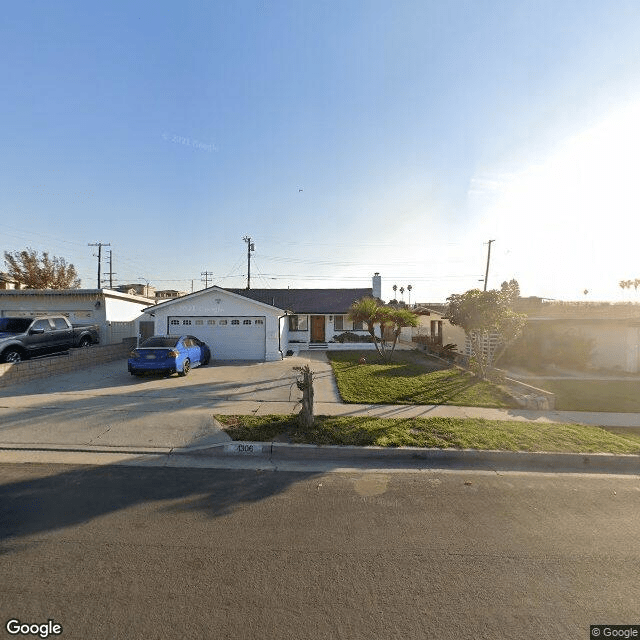
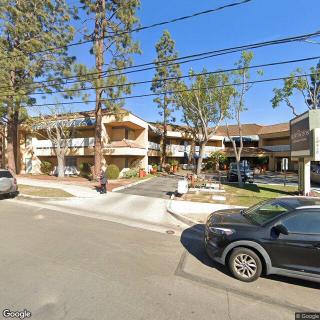
1306 West 214th Street, Torrance, CA 90501
To contact a resident: (310) 505-0889
For more information about senior living options: (866) 208-4318
Always Care Residential Home Inc Costs & Pricing
Always Care Residential Home Inc offers competitive pricing on its services compared to the broader market in Los Angeles County and the state of California. For a semi-private room, the cost at Always Care is $2,800, significantly lower than both the county average of $3,349 and the state average of $3,333. Similarly, residents seeking a studio will find their expenses at $3,500, which stands favorably against Los Angeles County's rate of $4,172 and California's average of $4,145. Even for private rooms, Always Care maintains an attractive price point at $3,800 while remaining in line with local and statewide rates - though slightly above the state average of $3,939. Overall, Always Care Residential Home Inc presents a valuable option for those seeking quality care without straining their budget.
| Floor plans | Always Care Residential Home Inc | Los Angeles County | California |
|---|---|---|---|
| Semi-Private | $2,800 | $3,349 | $3,333 |
| Studio | $3,500 | $4,172 | $4,145 |
| Private | $3,800 | $4,197 | $3,939 |
Memory care communities with a similar price nearby
-
from -$400 / mo
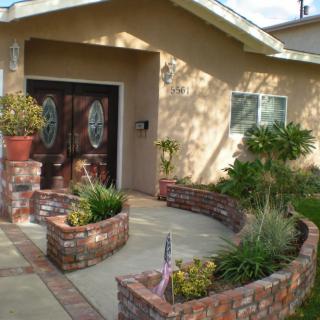
Living Well Care Home
$2,400 to $3,200 / month10.4 miles away -
About the same
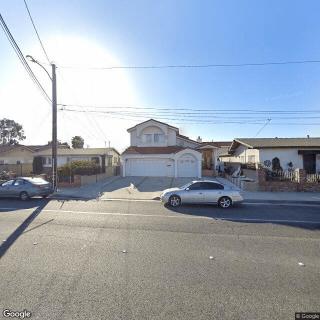
Leah Loving Elderly Care
$2,800 to $3,000 / month22.0 miles away -
from -$100 / mo
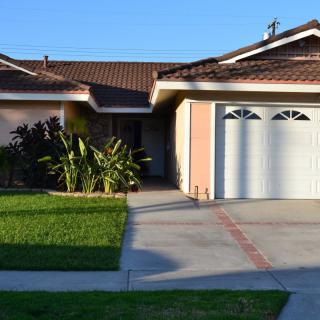
Loving Care Senior Home
$2,700 to $3,500 / month21.6 miles away -
from -$500 / mo
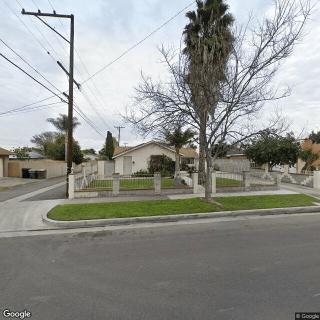
Bronwyn Residential Care
$2,300 to $3,500 / month17.9 miles away -
About the same
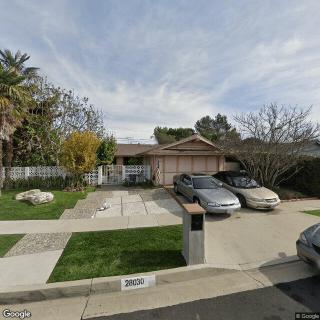
Angels Home Care
$2,800 to $3,800 / month6.6 miles away
Overall Review of Always Care Residential Home Inc
Pros
 Caregivers design activities that play to residents' strengths.
- The staff provide engaging activities for residents.
- Residents are kept active rather than sitting in front of the TV.
- The caregiving team focuses on activities that residents enjoy.
Review
Always Care Residential Home Inc in Torrance, CA is best suited for seniors who want an intimate, activity-forward living arrangement where caregivers design daily programs around residents’ strengths rather than default to passive TV time. The setting reads as small-scale and home-like, which makes sustained personal attention practical in a way larger campuses often cannot match. This approach tends to appeal to individuals who prize purposeful engagement, hands-on activities, social interaction, and tasks that preserve existing skills, over broad campus amenities. For families seeking a warm, steady caregiving presence with visible staff dedication, the fit tends to be compelling. In short, this community targets residents who flourish when daily life feels meaningful and closely managed by a consistent team.
Those whose loved one requires robust medical oversight or specialized memory care should consider alternatives. If frequent clinical interventions, regular rehabilitation, or a dedicated dementia program are non-negotiable, larger assisted living communities or stand-alone memory-care campuses with on-site nursing and 24/7 coverage will likely serve better. A need for extensive on-site therapy, pharmacy access, or rapid escalation of care also points toward facilities expressly designed for higher-acuity residents. For families prioritizing campus-wide amenities, extensive social programming across multiple venues, or vigorous medical-support infrastructure, this Torrance home may feel undersized. It makes sense to compare medical capabilities and care-planning processes against other options before deciding.
The strongest pro is the deliberate, person-centered programming that keeps residents engaged rather than parked in front of screens. Activities are designed around what residents do well, which supports self-efficacy and a sense of purpose every day. This is not passive entertainment; it’s a structured effort to leverage individual talents and preferences into meaningful participation. The staff’s willingness to tailor activities around abilities tends to foster morale, reduce withdrawal, and minimize isolation. In a setting with a tight-knit caregiving team, this level of engagement often translates into smoother routines, better communication with family, and clearer expectations for what each day will hold. For many families, that is the core value: a living environment where interaction and competence are visibly prioritized.
That said, the small-scale model carries trade-offs that deserve careful weighing. Without direct evidence of on-site clinical depth, questions naturally arise about medical coverage, medication administration, and access to specialists. Prospective residents should verify whether nursing staff are available around the clock, how medications are managed, and what arrangements exist for urgent medical needs or transit to outside facilities. The breadth of programming in a single home may be more limited than at larger communities, so it is prudent to confirm the range of therapies, transportation options for errands or appointments, and the availability of visiting professionals. Clarity on respite or trial-stay options can also reveal how flexible the program is to evolving care demands.
In practice, the strengths of purposeful activity and tight caregiver-resident relationships can offset the practical limits of a small residential setting. Engaged programming reduces boredom, agitation, and the sense of being overlooked, issues that often surface when care plans feel generic. The high level of daily contact with a stable caregiving team also enhances transparency and responsiveness; families frequently discover it easier to monitor progress and adjust goals when staff familiarity aids communication. The potential gap in medical resources is less daunting when care plans are proactive, and when families maintain open, ongoing dialogue about health status, emergency protocols, and transitions. The result is a tightly aligned care experience where well-designed activities carry substantial therapeutic value.
To move from consideration to decision, pursue a careful on-site assessment. Request a detailed activity calendar and observe a typical day to gauge how staff interact with residents and how opportunities adapt to changing abilities. Review the care-planning process: who writes and updates plans, how often goals are revisited, and how input from family members is incorporated. Ask about staffing ratios during different shifts, the exact scope of medical oversight, and the procedure for medication management and emergencies. Clarify costs, what’s included, and what potential add-ons exist. If possible, arrange a short trial stay to test compatibility with routines, staff communication, and the resident’s engagement level. This practical due diligence will reveal whether the pros align with the resident’s specific needs and the family’s expectations.
 Board and Care Home
 Memory Care
 Activities off-site
 Beautician on-site
 Indoor common areas
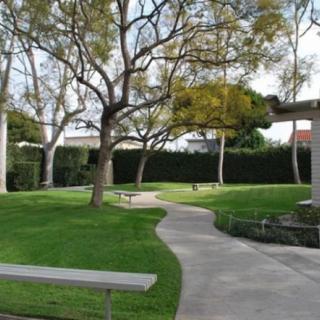
 Outdoor common areas
 Private
 Private bathrooms
 Respite or short term stays offered
 Wheelchair accessible showers
 Long Beach (Daugherty) (9 miles away)
 Ambulatory care
 Diabetic care
 High acuity care
 Incontinence care
 Medication management
 Meals provided
 Dementia Behaviors: In-Depth Understanding and Effective Coping Strategies
 5 Early Indicators of Dementia and What You Can Do
 8 Important Indicators That Memory Care May Be Necessary