
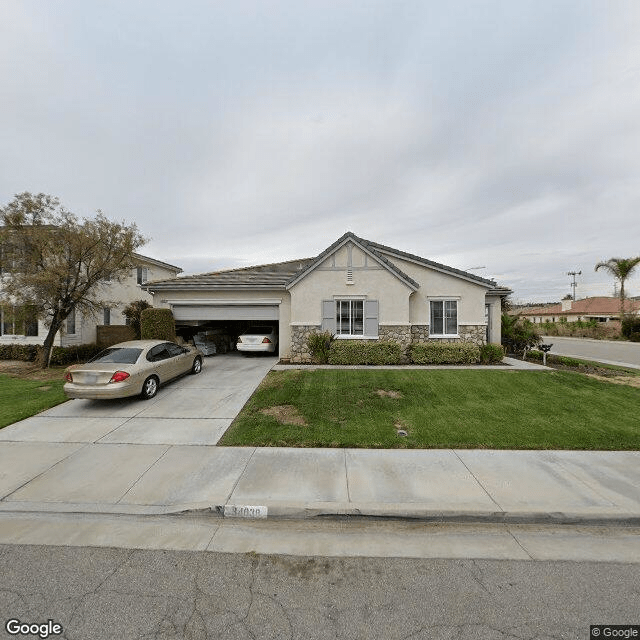
34038 Turtle Creek St, Temecula, CA 92592
To contact a resident: (951) 795-5365
For more information about senior living options: (866) 208-4318
The Hills of Alcoba II Costs & Pricing
The Hills of Alcoba II offers competitive pricing for its accommodations when compared to both San Diego County and the broader state of California. For a semi-private room, residents pay $2,500 per month, significantly lower than the county average of $3,518 and the state average of $3,333. Those opting for a private room will find the monthly cost at The Hills of Alcoba II to be $3,300, which is below the county's pricing of $3,939. Similarly, for one-bedroom options priced at $3,500, the facility remains attractive against county and state averages that exceed this figure - San Diego County's average is $4,315 while California's overall stands at around $4,340. These rates position The Hills of Alcoba II as a prudent choice for individuals seeking quality living arrangements without compromising their budget.
| Floor plans | The Hills of Alcoba II | San Diego County | California |
|---|---|---|---|
| Semi-Private | $2,500 | $3,518 | $3,333 |
| Private | $3,300 | $3,939 | $3,939 |
| 1 Bedroom | $3,500 | $4,315 | $4,340 |
Memory care communities with a similar price nearby
-
from +$300 / mo
Pebble Brook Senior Home Care
$2,800 to $4,000 / month0.4 miles away -
About the same
Golden Retreat - Senior Residential Care
$2,500 to $3,000 / month20.7 miles away -
from -$300 / mo
Diamond Residential Care Facility for the Elderly of Murrieta
$2,200 to $3,500 / month6.3 miles away -
About the same
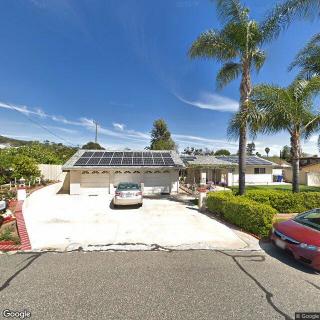
Woodland Borden Care
$2,500 to $3,000 / month23.4 miles away -
from +$400 / mo
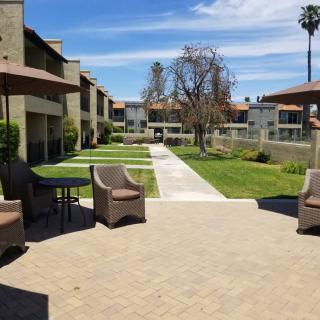
Pacifica Senior Living Escondido
$2,900 to $3,200 / month24.5 miles away
Overall Review of The Hills of Alcoba II
Pros
 The facility is great.
- The grandmother loved the place.
- The staff are very helpful and answer questions.
- It is a trustworthy place to leave elderly loved ones.
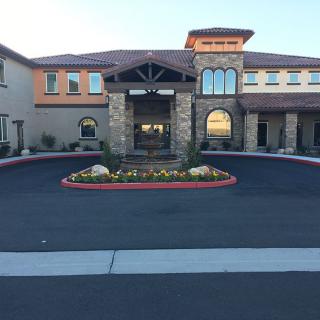
- The Hills of Alcoba II is well laid out for its intended use.
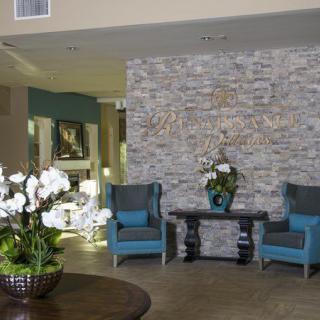
- The bedrooms are well kept and everything is clean.
- There are activities for residents who can participate.
- They would recommend this facility to others for good care and value.
Cons
 She was not always pleased with the meals due to her special diet needs.
- They have just your standard house bedrooms.
Review
The Hills of Alcoba II in Temecula is best suited for seniors who want a trustworthy, people-centric assisted-living option where visits are straightforward and staff responsiveness is readily evident. It serves residents who thrive in a home-like setting with a clear routine, where clean, well-kept spaces and friendly interactions help reduce the stress of transition. For families, the most compelling fit lies in a location that makes regular visitation practical, and in a community that prioritizes attentive care and open communication. In short, it is a solid choice for older adults who value dependable staff, a calm, organized environment, and opportunities to stay socially engaged without demanding upscale amenities.
Those seeking more luxurious interiors, expansive private suites, or a broader range of on-site medical services may want to consider alternatives. While the rooms are described as standard but well-maintained, the emphasis is on comfort and function rather than high-end finishes. Families with loved ones who require intensive memory care, highly specialized diets, or a front-facing obligation to high cuisine quality might find other communities more aligned with those expectations. Also, if frequent, broad-spectrum medical oversight is essential, this community may not be the first stop.
Key positives center on staff who are described as nice, friendly, accommodating, and genuinely caring. The facility is clean and well maintained, with beds made and rooms kept tidy, which translates into peace of mind for families. The layout appears practical for daily living and mobility, reducing confusion and facilitating independent activity. Residents and families report adaptation and happiness among those who have moved in, including strong participation in activities and positive experiences with meals that meet general expectations. The combination of trustworthiness and approachable caregiving creates a confidence floor that cushions the transition.
Regarding negatives, meals are not always perfect for residents on special diets, indicating some variability in dining satisfaction. The described “standard house bedrooms” suggest limited options for personalization or larger living spaces, which could be a drawback for those expecting more room or luxury. While staff are praised for attentiveness, the reviews do not indicate a deep pool of on-site medical resources or memory-care specialization, which may matter for seniors with complex health needs or cognitive decline. The frequency and breadth of meaningful activities for those with limited mobility are not explicitly detailed, leaving some questions about engagement for quieter residents.
However, the strongest pros, trustworthy staff, consistent cleanliness, and the home-like atmosphere, tend to offset the noted compromises. When families hear that a loved one has adapted well, with meals acceptable and programs available, the overall risk calculus tilts in favor of choosing Alcoba II. The location adds ease of visitation and potential continuity with medical providers already known to the family, further reducing the burden of transitions. In practical terms, these advantages translate into meaningful daily stability for residents, which often outweighs the absence of premium amenities or extensive specialized care.
Decision guidance: for families prioritizing dependable caregiving, friendly staff, safe surroundings, and a community feel, The Hills of Alcoba II stands up well. It is a practical, value-oriented choice for assisted living in Temecula where the focus is on everyday quality of life and straightforward oversight. Those seeking luxury finishes, expansive private suites, or specialized memory-care programs should look elsewhere. Prospective visitors should tour with questions about room options, dietary accommodations, activity calendars, and staffing patterns, then compare against other local options to confirm fit. In the right circumstances, this community delivers reliable peace of mind and tangible daily comfort.
 1-bedroom apartments
 Board and Care Home
 Memory Care
 Private
 Diabetic care

 Understanding Dementia Behaviors: Practical Insights and Strategies for Caregivers
 When Dementia Sparks Anger and Aggression: Understanding the Connection and Ways to Cope
 Dementia Behaviors: In-Depth Understanding and Effective Coping Strategies