
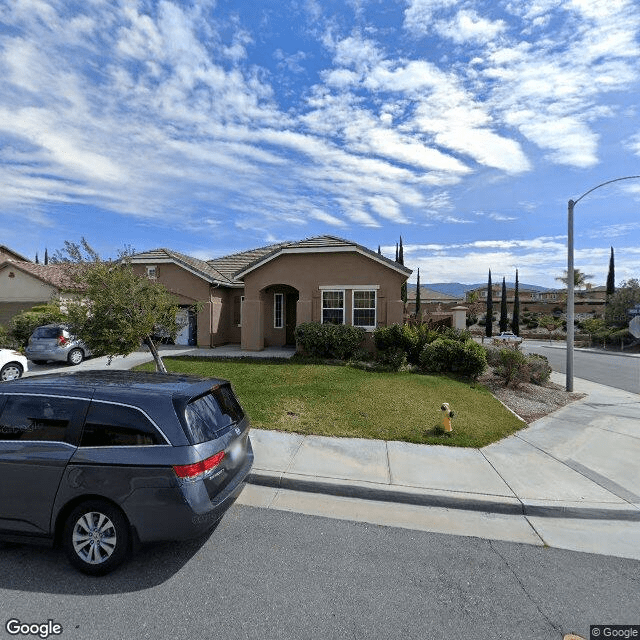
44754 Pride Mountain St, Temecula, CA 92592
To contact a resident: (619) 733-8187
For more information about senior living options: (866) 208-4318
Assisted Living & Care for the Elderly at Tem Costs & Pricing
Assisted Living & Care for the Elderly at Tem offers competitive pricing when compared to the broader market in San Diego County and throughout California. For a semi-private room, residents can expect to pay $2,700 per month, significantly lower than the county average of $3,518 and the state average of $3,333. Similarly, both private rooms and one-bedroom units are priced at $3,500 at Tem, which is notably more affordable compared to the county's private room cost of $3,939 and a one-bedroom rate of $4,315. This makes Assisted Living & Care for the Elderly at Tem an appealing option for families seeking quality care without the elevated financial burden often found in this region. Overall, these costs reflect a commitment to accessible care while maintaining high standards within a supportive environment.
| Floor plans | Assisted Living & Care for the Elderly at Tem | San Diego County | California |
|---|---|---|---|
| Semi-Private | $2,700 | $3,518 | $3,333 |
| Private | $3,500 | $3,939 | $3,939 |
| 1 Bedroom | $3,500 | $4,315 | $4,340 |
Memory care communities with a similar price nearby
-
from +$100 / mo
Pebble Brook Senior Home Care
$2,800 to $4,000 / month0.8 miles away -
from -$200 / mo
Golden Retreat - Senior Residential Care
$2,500 to $3,000 / month20.0 miles away -
from -$500 / mo
Diamond Residential Care Facility for the Elderly of Murrieta
$2,200 to $3,500 / month6.8 miles away -
from -$200 / mo
Woodland Borden Care
$2,500 to $3,000 / month22.6 miles away -
from +$200 / mo
Pacifica Senior Living Escondido
$2,900 to $3,200 / month23.7 miles away
Overall Review of Assisted Living & Care for the Elderly at Tem
Pros
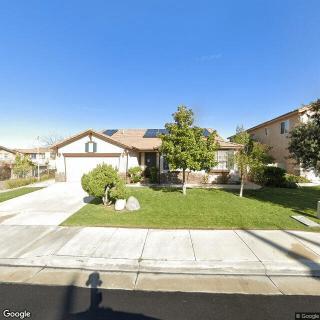
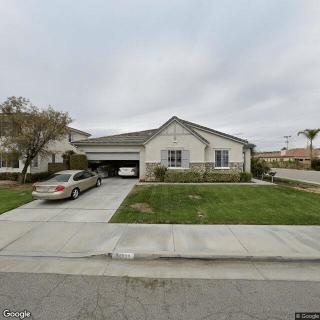
 The care home is a nice residential setting.
- It provides a safe and pleasant environment.
- It offers family-like meals to encourage interaction.
- The owner/manager is a Physician's Assistant, which is a great plus.
- Reviewers were impressed with this care home.
- The care home is clean.
- The staff are nice.
Cons
 The facility had no openings when they toured.
- They ended up choosing another care home due to the lack of openings.
Review
This community is best suited for families seeking a true home‑like, small‑scale adults' living environment where residents receive hands‑on, medically informed attention from a consistent team. It works for seniors who value intimate daily interaction, easy access to caregivers, and a safe, orderly setting over bright, busy campus life. The resident group is deliberately small (no more than six residents at any time), which translates into steady routines, personalized check‑ins, and a high likelihood of being known by name and need by the caregivers. For someone who wants warmth, familiarity, and medical oversight in a single, home‑like package, this is a compelling match.
That clarity comes with clear caveats. Families that expect a broad social calendar, frequent group outings, or a large, bustling activity program may want to consider alternatives. So too should anyone require rapid admission or ongoing availability, since openings appear limited and tours can fill before a decision is made. Those needing more intensive medical support, complex therapies, or specialized memory‑care may find the options here too lean. In short, this is a standout choice for a quiet, medically minded, small‑home feel, but not the right fit for those chasing scale, variety, or immediate move‑in.
The strongest positives are concrete and well‑aligned with the setting. A physician’s assistant‑led owner/management brings a clinician’s eye to everyday care, reducing friction when medical questions arise and enabling a more proactive, attentively monitored environment. The home is clean and safe, and the staff accompany residents with a frequency that feels almost familial given the tiny resident census. The foreign‑to‑home dynamic is offset by “family‑like” meals designed to spark conversation and connection, reinforcing social cohesion without flooding the day with excessive activities. For families prioritizing individualized oversight and dependable staff presence, these elements carry substantial practical weight.
Yet the most consequential con is the limited capacity. With only four residents and staff levels typically at two to three caregivers, the pool of potential peers is narrow, and service slots can fill quickly. This can mean long waits for a future opening, or a rearranged timeline that disrupts planning for nearby caregivers or hospital visits. The small size also constrains the breadth of activities and social interactions available, which may leave residents feeling less stimulated if they crave a busier, more varied routine. And while the PA oversight is valuable, it cannot substitute for the depth of medical resources that larger facilities with full clinical teams might offer.
In weighing the pros against these constraints, the case for this home becomes clearer. The intimate setting, strong caregiver presence, and clinician oversight create a shield of personalized care that’s particularly meaningful for residents who thrive on predictable routines and close, consistent relationships with staff. The clean environment and the deliberate emphasis on family‑style dining help sustain a sense of belonging and daily purpose, which can offset the otherwise limited social economy of a very small community. The tight nurse‑like watchfulness from an PA‑led operation helps prevent small issues from escalating, making it a prudent choice for residents who are medically manageable but still benefit from proactive, hands‑on guidance.
Bottom line: this Temecula community is not a universal fit, but it is a strong contender for families prioritizing comfort, safety, and medical‑awareness within a compact, homey setting. It is especially well suited for seniors who do not require a large array of activities or rapid admission and who value a steady, attentive caregiver presence. Families needing a livelier social scene, rapid entry, or extensive on‑site medical resources would be better served by exploring larger assisted‑living campuses or facilities with dedicated memory‑care or rehab programs. When touring, ask pointed questions about caregiver scheduling, what constitutes a medical intervention versus daily oversight, how med administration is handled, and what happens if the resident needs more help than the small team can safely provide. Consider whether a future transition to a bigger community would be disruptive or unnecessary, and measure that against the tangible comfort and safety benefits this intimate setting delivers.
 Board and Care Home
 Memory Care
 Private
 Ambulatory care
 Diabetic care


 Assisted Living and Memory Care: Understanding Their Core Differences
 Choosing the Right Senior Care: A Detailed Exploration of Assisted Living and Nursing Homes
 Safeguarding Your Memory Through the Golden Years: Eight Ways to Preserve Cognitive Health