
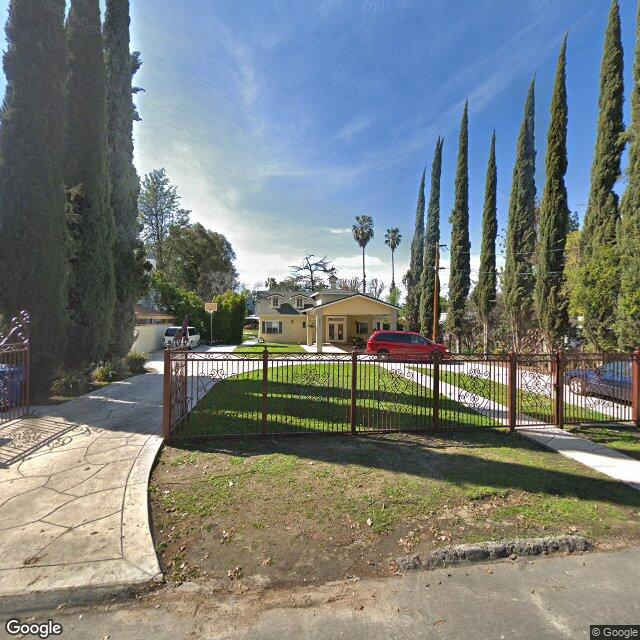
5809 Melvin Ave., Tarzana, CA 91356
To contact a resident: (818) 512-7650
For more information about senior living options: (866) 208-4318
Royal Garden Board and Care III Costs & Pricing
Royal Garden Board and Care III offers private accommodations at a monthly rate of $7,000, which significantly exceeds both the average costs in Los Angeles County and throughout California. In comparison, the typical expense for a private room in Los Angeles County stands at approximately $4,197, while the state average is even lower at around $3,939. Similarly, for a one-bedroom setup, Royal Garden Board and Care III charges $7,000 - again higher than the county's average of $4,603 and the state's $4,340. These figures suggest that residents can expect premium services or amenities at Royal Garden Board and Care III to justify the elevated pricing compared to local and state benchmarks.
| Floor plans | Royal Garden Board and Care III | Los Angeles County | California |
|---|---|---|---|
| Private | $7,000 | $4,197 | $3,939 |
| 1 Bedroom | $7,000 | $4,603 | $4,340 |
Memory care communities with a similar price nearby
-
from -$500 / mo
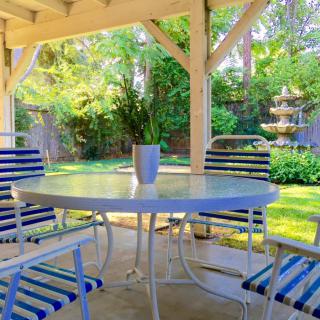
The Kentland House
$6,500 to $7,000 / month3.3 miles away -
from -$1000 / mo
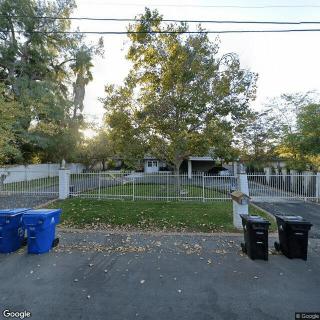
Jackie's Hideaway II
$6,000 / month0.7 miles away -
About the same

Atria Tarzana
$7,000 to $11,200 / month1.8 miles away -
from -$700 / mo
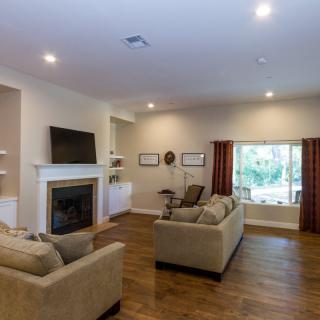
Park Vista at Thousand Oaks
$6,300 to $7,100 / month17.9 miles away -
About the same
Atria Park of Pacific Palisades
$6,995 to $11,095 / month9.0 miles away
Overall Review of Royal Garden Board and Care III
Pros
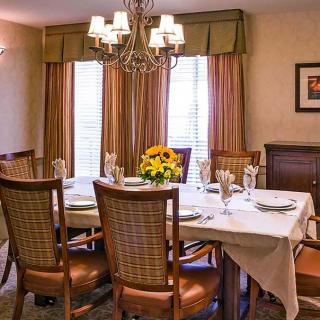
 The homes are beautiful, bright, and welcoming.
- Sofyia is kind, caring, and highly available to assist.
- The staff are outstanding, compassionate, and attentive to residents’ needs.
- The environment feels like a true “home” rather than a sterile facility.
- Families are reassured that their loved one will receive comprehensive care and their concerns will be addressed.
- The overall care and compassion are described as exceptional.
Cons
 They were in dire straits finding an acceptable home for their father to spend his last days.
- It was unfortunately going to be a quick visit for their father.
- They had some difficulties with the transferring hospital and subsequent hospice care.
- They felt as though they were fighting an uphill battle in addition to their grief.
- The hospital discharged their friend to Board and Care with literally no notice.
Review
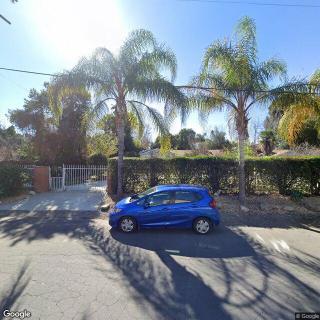
Royal Garden Board and Care III is best suited for families seeking a small, home-like setting where an elderly loved one can receive highly personalized, compassionate care and immediate advocacy during end-of-life or hospice transitions. The Tarzana location emphasizes warm, bright rooms, welcoming surroundings, and a “feel of home” rather than a clinical environment. This community excels for families desiring hands-on, proactive coordination with hospitals and hospice services, and for seniors who thrive on intimate attention, consistent presence, and a calm, homelike daily rhythm.
Those weighing alternatives should consider options that offer larger-scale programming, more formal memory-care structures, or more on-site medical specialization. If a family needs expansive clinical oversight, robust activity calendars, larger resident communities, or a facility with extensive dementia-specific programming, a bigger assisted-living or skilled-nursing setting may be a better fit. Royal Garden’s strength lies in its intimate, caregiving-focused model; its appeal may dim for families seeking a more institutional or programmatically dense environment.
The strongest pros center on extraordinary caregiving warmth and advocacy. The staff are described as deeply compassionate, attentive, and loving, with residents treated as family. The owner, Sophia, is portrayed as relentlessly available and hands-on, stepping in during hospital or hospice coordination to cut through red tape and ensure needs are met quickly. This level of responsiveness translates into real peace of mind for families navigating difficult transitions, which can dramatically ease stress during end-of-life planning. Residents also benefit from a home-style ambiance, inviting grounds, and meals that are reported as high quality, reinforcing a sense of normalcy and dignity.
These notable advantages offset the inferred limitations of a small-board-and-care operation. While the intimate setting may not boast the breadth of services found in larger facilities, the close-knit team’s ability to mobilize swiftly, advocate forcefully, and maintain open lines of communication often yields faster problem resolution and more tailored care plans. The personal touch lowers the burden on families to supervise daily routines and care decisions, which is particularly valuable when medical complexity arises or hospice needs intensify. In short, the practical downside of smaller scale is decisively outweighed by the emotional and logistical leverage of dedicated ownership and attentive staff.
Readers can glean from the experiences shared by families that the environment truly functions as a nurturing home rather than a sterile care setting. The most persuasive anecdotes highlight hospice handoffs handled with authority and care, timely responses to concerns, and a dining and living atmosphere that makes a difficult period feel more manageable. The emphasis on kindness, reliability, and consistent availability creates a defensible case for choosing this community when the goal is comfort, dignity, and smooth coordination with external care teams.
The bottom-line recommendation is practical and clear. For a loved one who would benefit from a highly attentive, family-like atmosphere, and for families prioritizing immediate advocacy and seamless coordination with hospice and hospital services, Royal Garden Board and Care III stands out as a top option in Tarzana. Prospective residents should come prepared to value the intimate, high-touch model over larger-scale amenities, and should enter with a plan that leverages the owner’s strengths: strong advocacy, transparent communication, and a living environment that prioritizes relationship and dignity. Those who need broader clinical programming, formal memory-care protocols, or a more expansive activity calendar may want to examine alternatives, with the understanding that Royal Garden’s core strengths, empathy, accessibility, and a genuine home feel, address the most pressing needs of families facing challenging, transitional care decisions.
 6 resident community capacity
 Assisted Living
 Board and Care Home
 Memory Care
 Cats allowed
 Dogs allowed
 Cable or satellite TV
 Dining room
 Fully furnished
 Garden
 Housekeeping services
 Move-in coordination
 Outdoor space
 Private
 Telephone
 Wi-Fi/high-speed internet available
 Burbank-Glendale-Pasadena (12 miles away)
 24-hour supervision
 Activities of daily living assistance
 Ambulatory care
 Assistance with bathing
 Assistance with dressing
 Assistance with transfers
 Diabetes diet
 Meal preparation and service
 Medication management
 Special dietary restrictions
 Transportation arrangement (medical)
 Transportation to doctors appointments


 Memory Care Pathways: A Holistic Guide to Dementia Support
 Comprehending Evening Confusion in Dementia: Causes, Manifestations, and Support
 Delirium and Dementia: Unraveling the Key Differences