
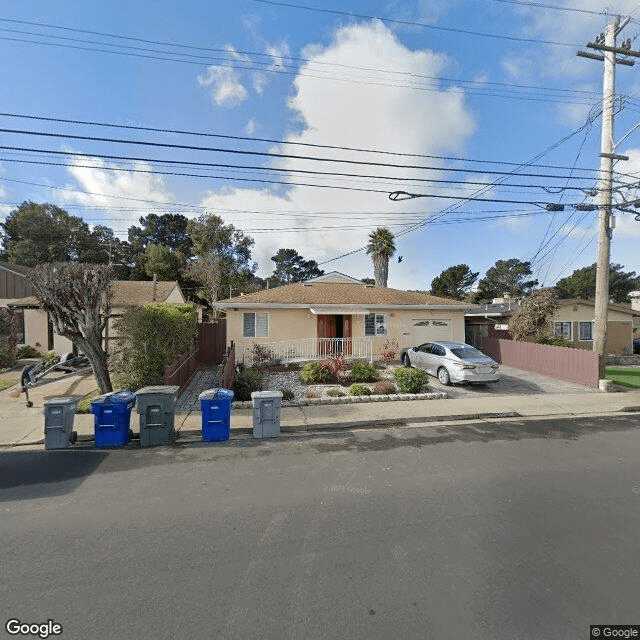
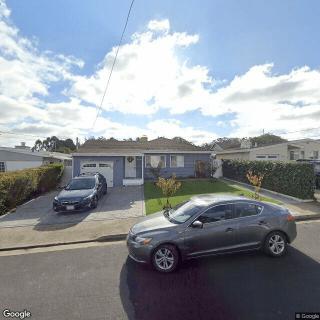
853 Newman Drive, South San Francisco, CA 94080
To contact a resident: (650) 755-1258
For more information about senior living options: (866) 208-4318
Overall Review of Manalo's Board and Care 3
Pros
 Manalos was significantly better than any others.
- The board and care is amazing.
- They took wonderful care of him.
Review
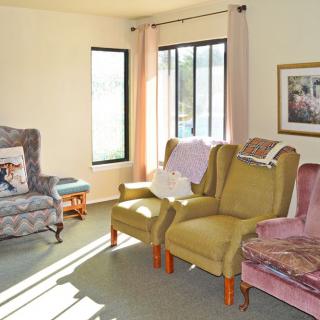
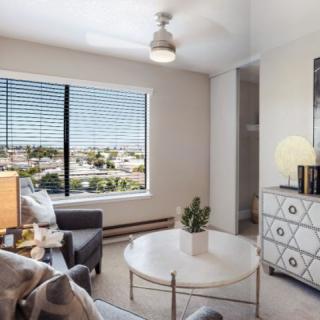
This community is best suited for families seeking an intimate, home-like board-and-care environment where a parent receives steady, personalized attention rather than institutional-scale care. It is ideal for seniors who thrive on consistency, direct access to the caregiver team, and the reassurance that a small, closely managed operation offers. In South San Francisco, Manalo’s Board and Care 3 presents as a hands-on, family-led option, with the owner deeply involved in daily care. Families that prioritize a warm atmosphere, predictable routines, and quick, attentive response will find the strongest fit here. Those needing robust 24/7 medical nursing, highly specialized memory-care programs, or large-scale social calendars should consider alternatives.
Two independent endorsements underscore the core value proposition: exceptional personal care delivered in a very small setting. One reviewer notes that their mom is “happier than ever,” after extensive searching, and that Manalo’s stood head and shoulders above other possibilities. The other reviewer emphasizes the care for a father, describing it as “amazing” and acknowledging the caregiver team’s effectiveness. Taken together, the feedback points to a level of attentiveness, continuity, and family-accessibility that is rare in larger facilities. The operator’s hands-on approach, particularly the involvement of Josie Manalo, translates into a distinct sense of trust and reliability for relatives who want close oversight and clear lines of communication.
The key strengths center on staff dedication and a homey, engaged atmosphere. Small scale enables consistent caregivers, quicker response times, and genuine relationship-building with residents. Families are not asked to navigate distant administrators or impersonal processes; the care team appears to know residents’ routines, preferences, and evolving needs. This is not a setting that delivers a clinical, hospital-like cadence; instead, it offers a dependable cocoon where daily assistance, meals, and safety checks feel integrated into a familiar rhythm. In situations where seniors require help with activities of daily living, medication reminders, and social engagement in a calm, predictable setting, these pros often outweigh the absence of larger programming found in bigger communities.
Yet, the practical realities of a boutique board-and-care model carry potential trade-offs. The most salient con is limited on-site medical staffing and fewer structured, programmatic offerings than large assisted living campuses. Residents with complex medical regimens, frequent skilled-nursing needs, or intensive therapy requirements may outgrow the level of supervision available in a small home setting. There is also the natural limit to capacity and breadth of services; family members should confirm what is included in the rate, what constitutes extra charges, and how emergencies are managed outside regular hours. In short, the strongest appeal, personalized attention, may come with a ceiling on medical oversight and activity breadth.
Given these trade-offs, alternatives deserve careful consideration when the priority shifts toward more comprehensive medical coverage or expansive programming. Larger assisted living communities or dedicated memory-care facilities often provide 24/7 nursing, regularly scheduled rehab, and formal dementia care tracks, along with a wider slate of activities and transport options. If a resident’s needs trend toward complex healthcare management, or if families require a facility with broad specialty services, these options can deliver necessary reliability at the expense of intimacy and direct caregiver continuity. Budget structure and inclusions vary widely, making a direct comparison essential.
For families evaluating Manalo’s Board and Care 3, the practical path is clear: visit with questions that illuminate daily life, staff consistency, and safety protocols, while confirming the scope of medical oversight and meal planning. Observe how caregivers interact with residents, whether conversations feel respectful and patient, whether routines are predictable, and whether residents appear comfortable and well-supported during meals and activities. Ask about caregiver turnover, incident reporting, and how family communications are handled. If the resident cherishes a tight-knit, caregiver-led environment and does not mandate extensive medical interventions, this community stands out as an excellent match.
Ultimately, Manalo’s Board and Care 3 earns strong, nearly unambiguous recommendation for families prioritizing personalized, compassionate care in a small, home-like setting. It excels where real trust, accessibility, and familial atmosphere matter most, delivering outcomes that resonate in the stories of happy parents and grateful children. The clear caveat is suitability for residents who require high-acuity medical supervision or complex memory-care supports; in that case, exploring alternatives with broader medical infrastructure will be prudent. For ideal candidates, older adults who flourish on intimate attention and steady, hands-on care, this community represents a compelling, well-grounded choice in South San Francisco.
 Board and Care Home
 Memory Care
 San Francisco International (5 miles away)

 Vibrant Senior Living: A Comprehensive Guide for Active Older Adults
 Assisted Living and Memory Care: Understanding Their Core Differences
 Choosing the Right Senior Care: A Detailed Exploration of Assisted Living and Nursing Homes