






Primrose Alzheimer's Living in Santa Rosa, CA

Save

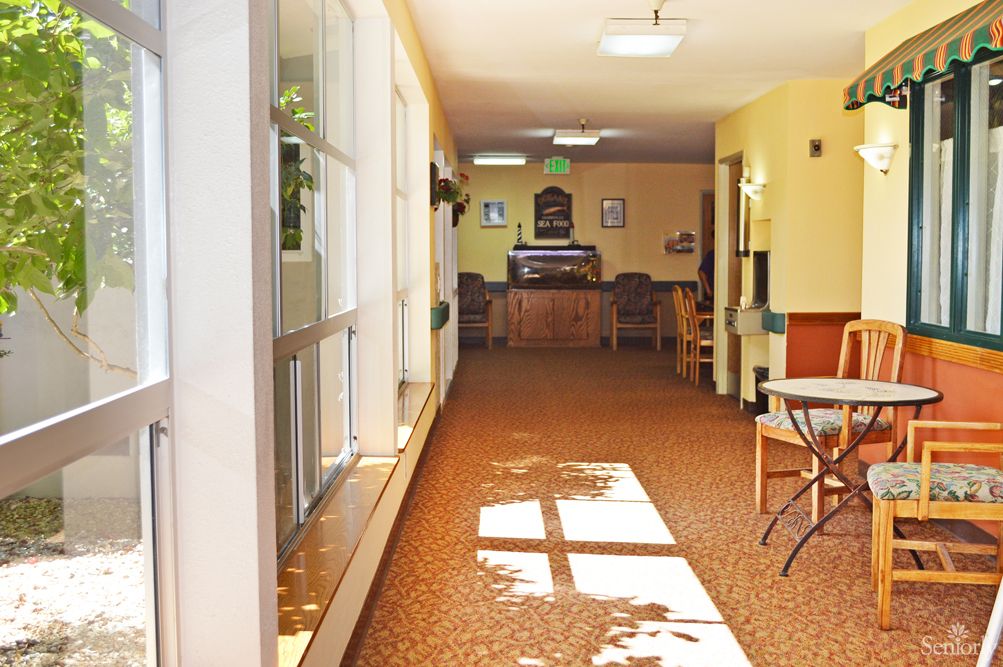
  • Interior

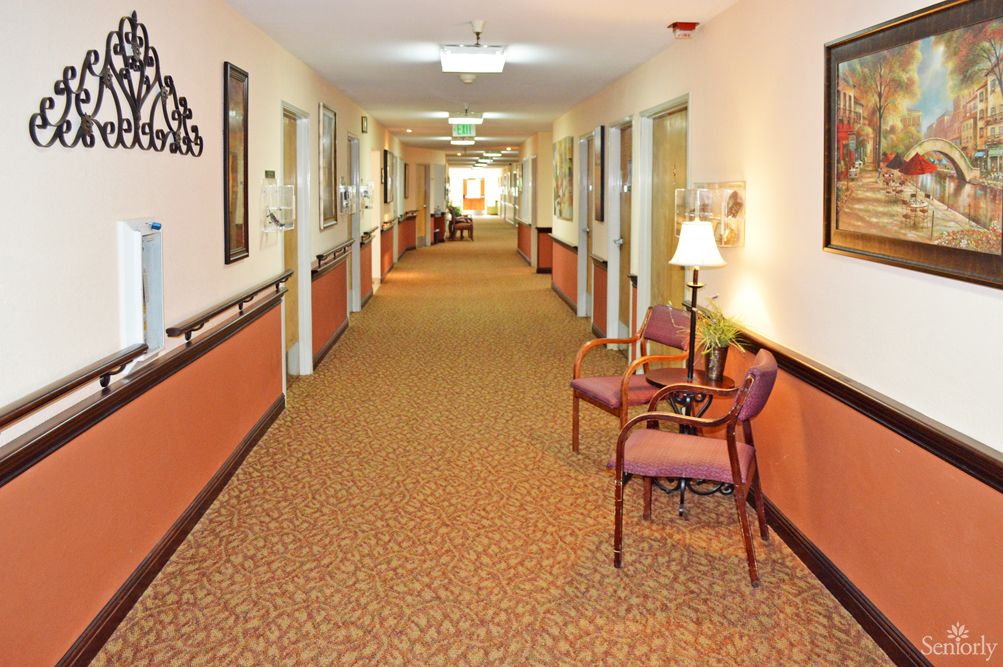
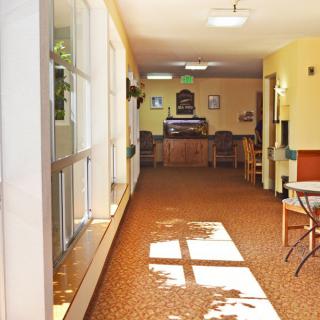
    A well-lit, carpeted hallway with chairs and decorative elements along the walls.
  • Outdoors

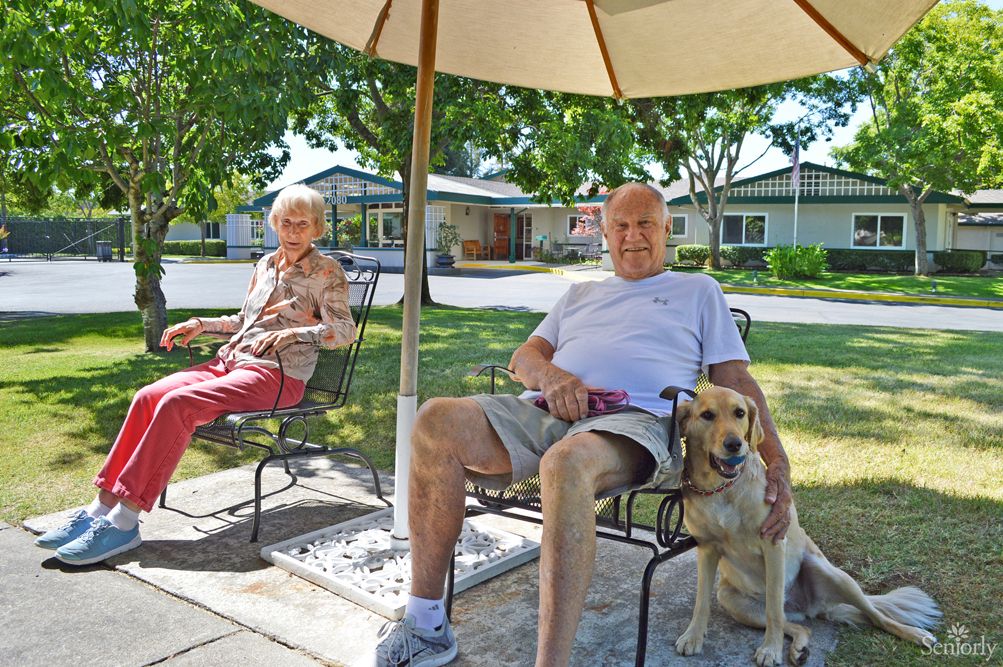
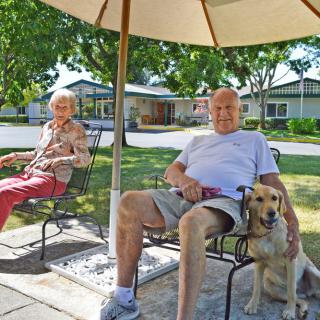
    An elderly couple sitting outdoors under a sunshade with their dog.
  • Decor

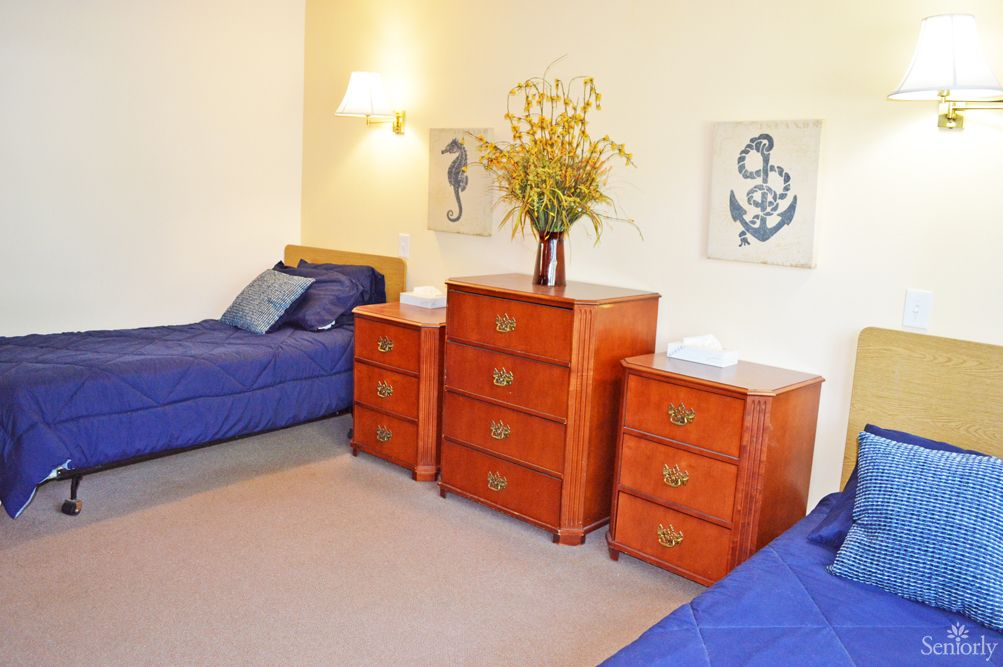
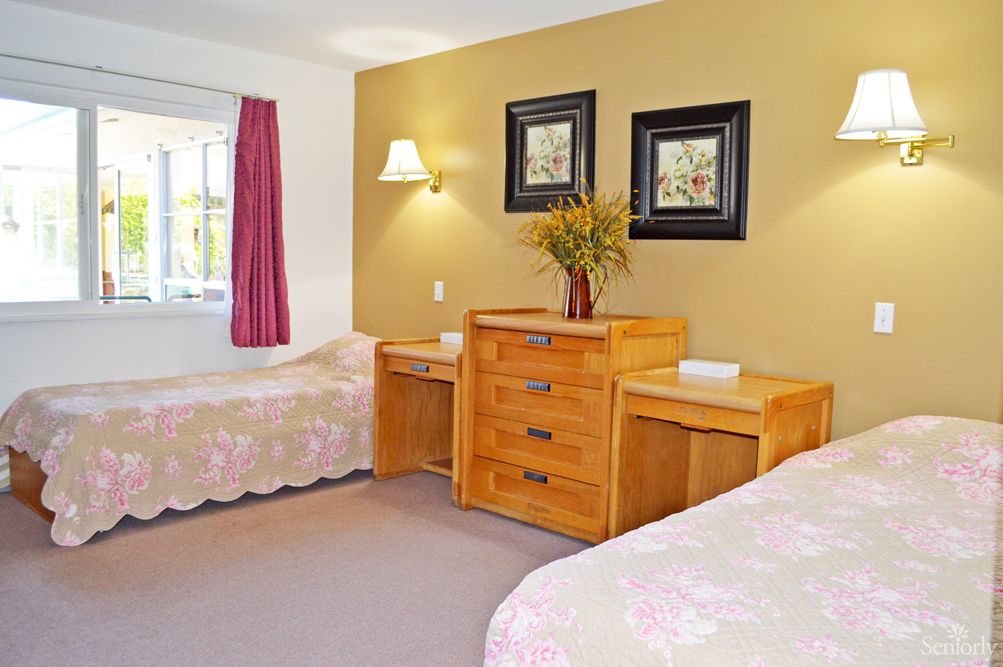
    A cozy bedroom with twin beds, wooden furniture, and decorative wall art.
  • Living Room

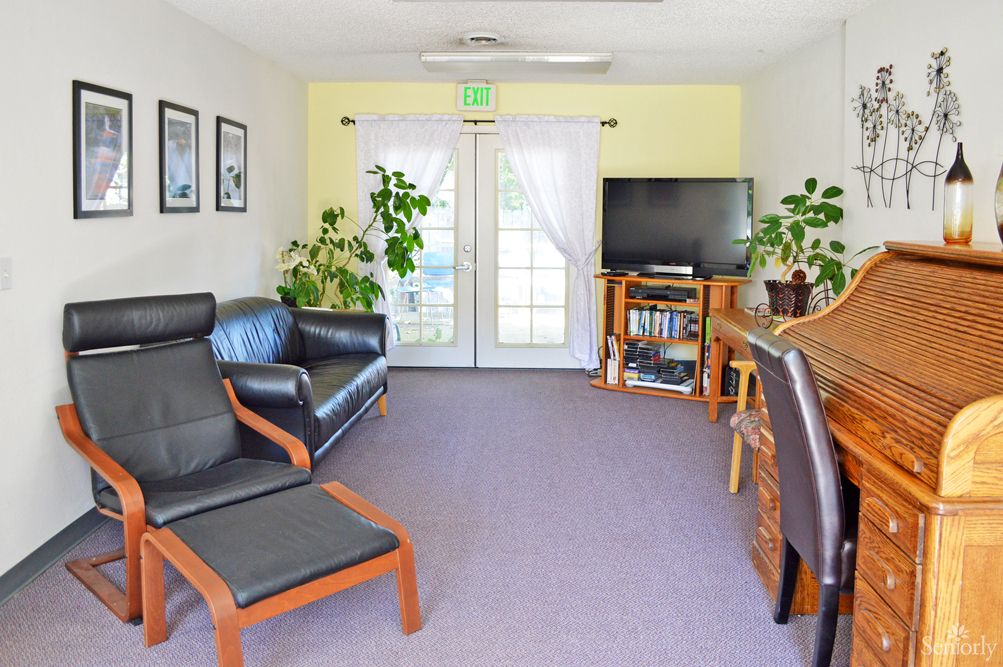
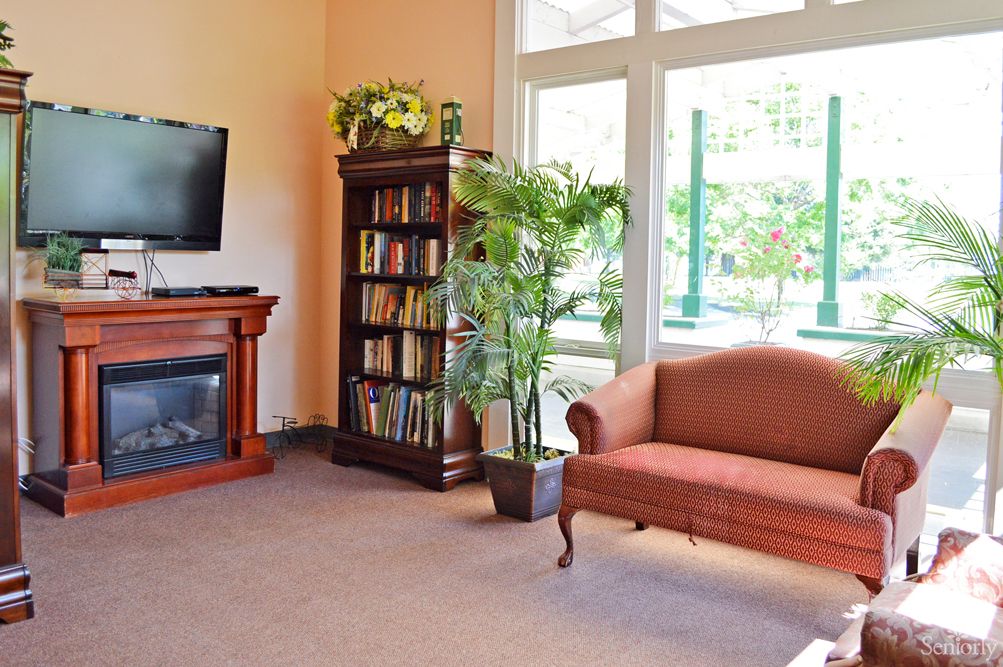
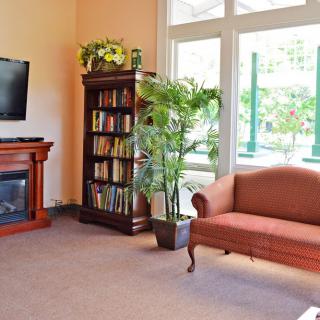
    A cozy living room with comfortable seating, plants, and a TV for entertainment.
  • Building

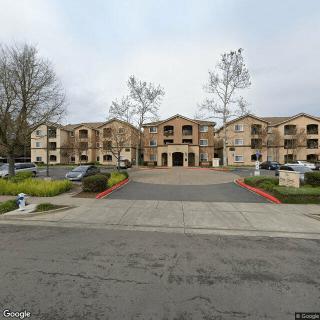
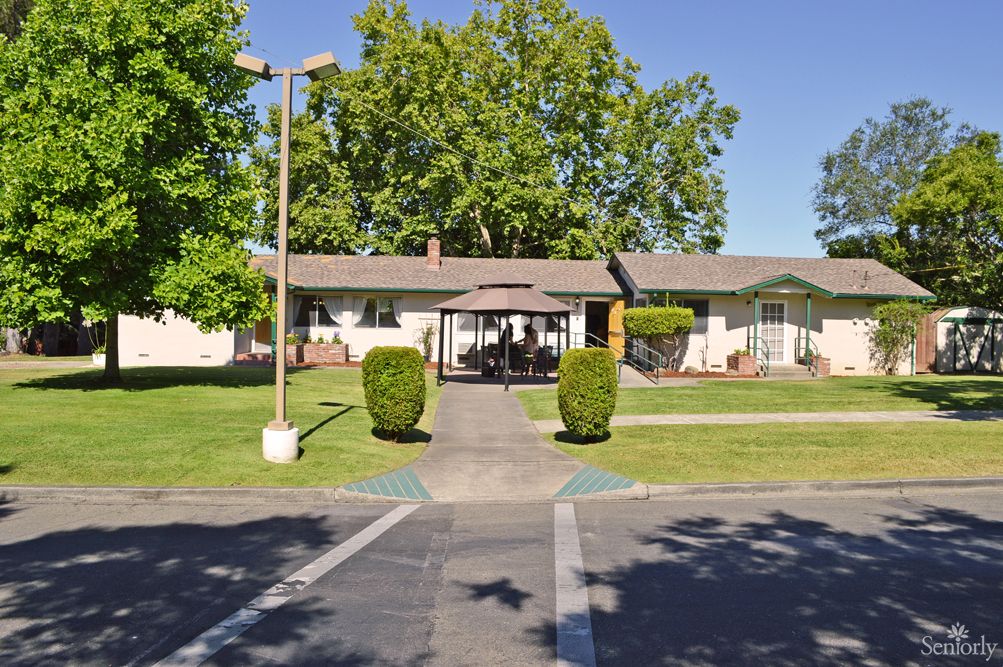
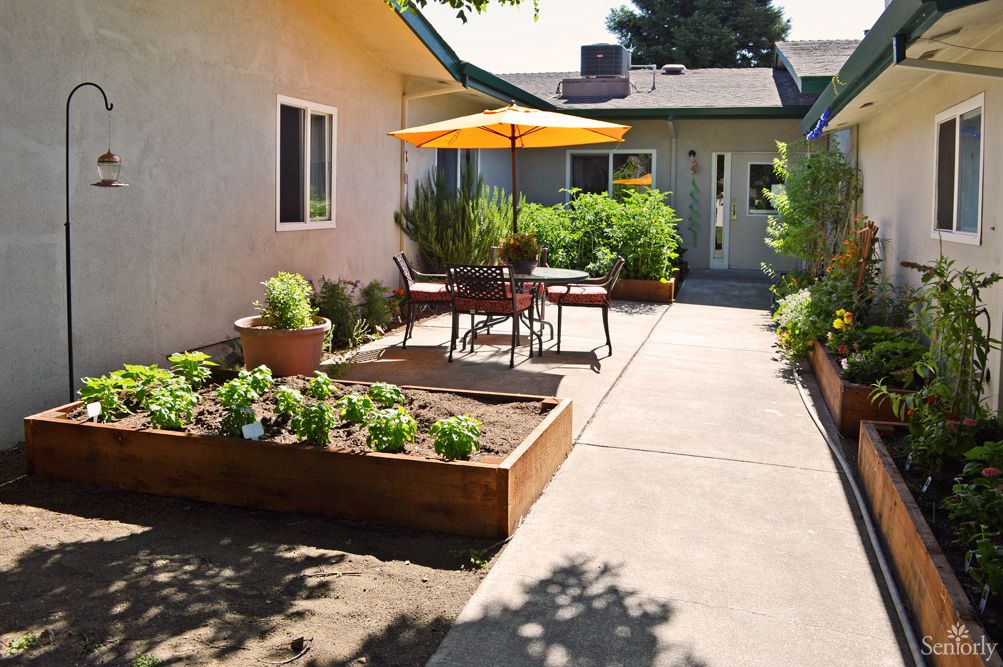
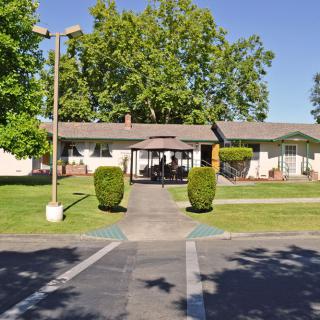
    A single-story building with a pathway leading up to it, surrounded by trees and bushes on a sunny day.
  • Architecture

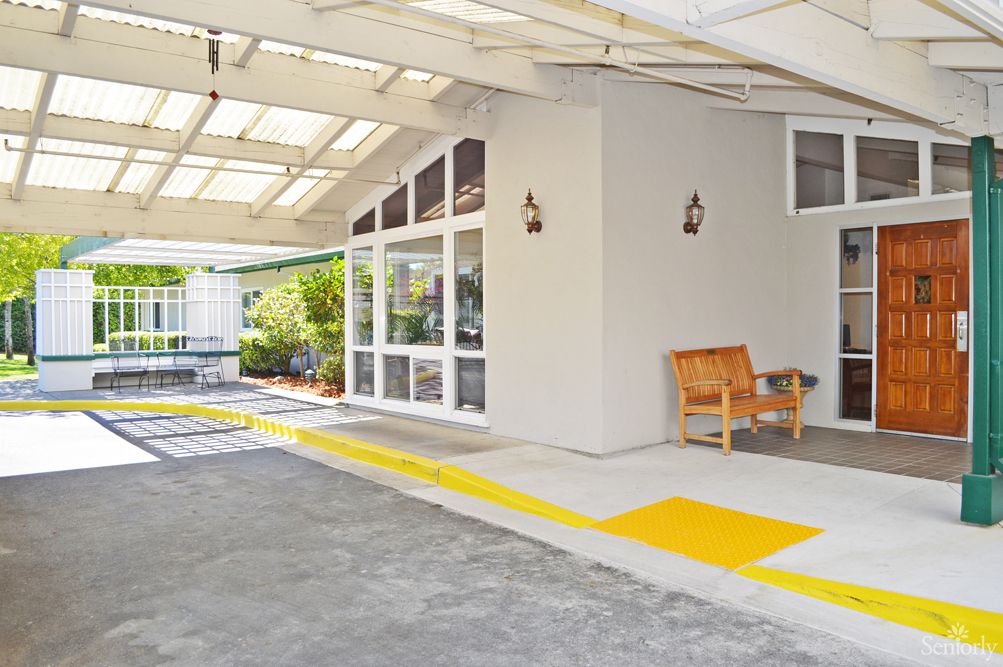
    A charming residential house with a front porch and a green and white color scheme.
  • Bedroom

    A cozy bedroom with twin beds, featuring a nautical-themed decor and wooden furniture.
  • Trees

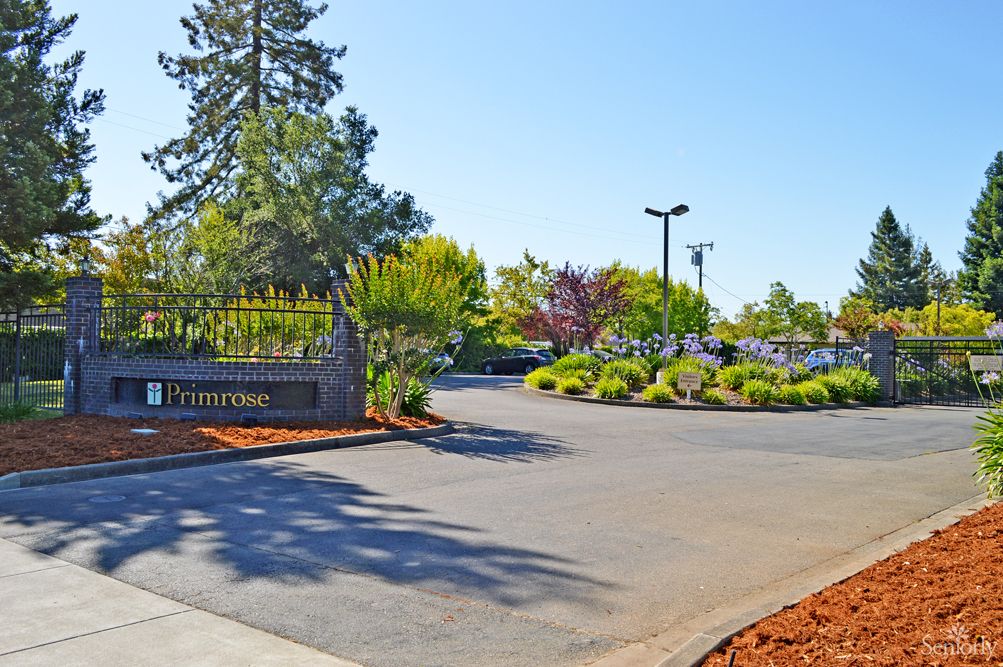
    Entrance to a landscaped area with a parking lot and clear blue sky.
  • Windows

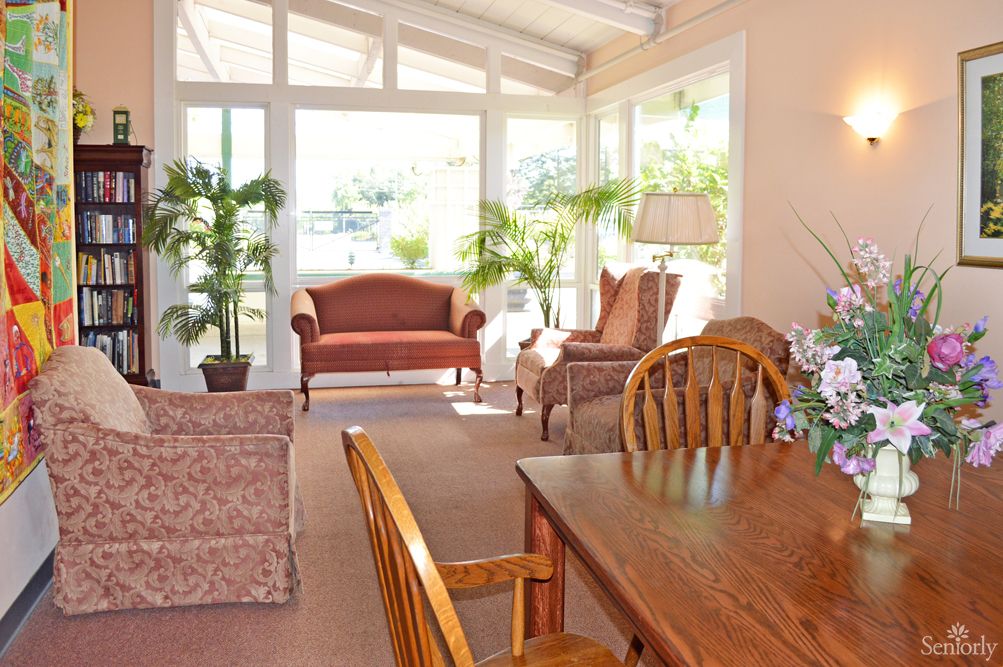
    A sunlit hallway with a seating area and carpeted floor.
  • Landscaping

    Entrance sign of Primrose surrounded by landscaped plants.
  • Garden

    A vibrant hibiscus flower in shades of yellow and orange with lush green leaves.
  • Entrance

    Entrance sign for Primrose Apartments surrounded by well-maintained landscaping.
  • Artwork

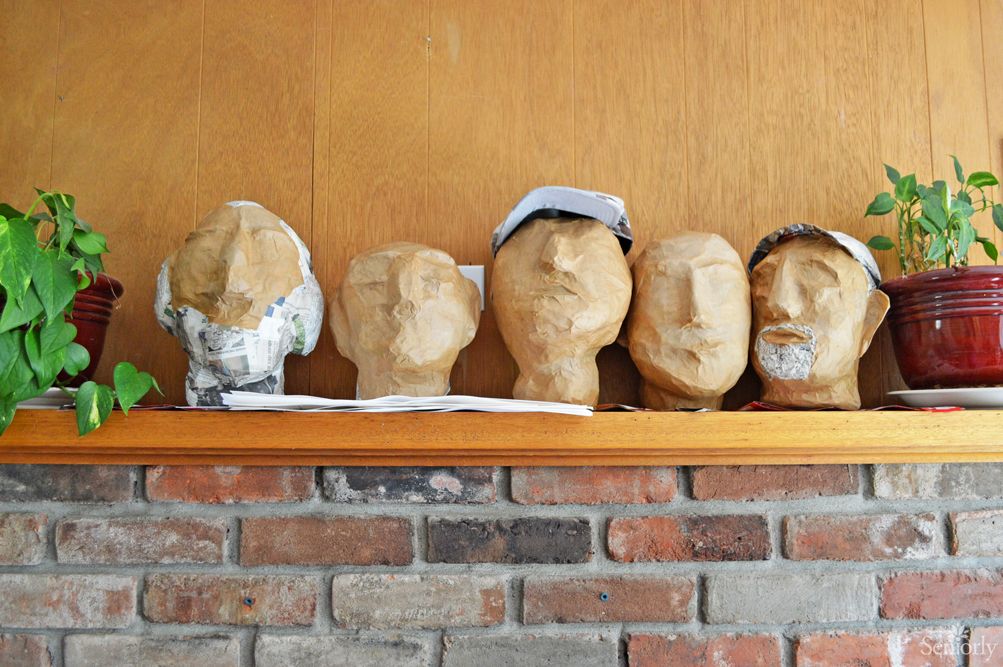
    A display of plaster head sculptures on a wooden shelf against a brick wall.
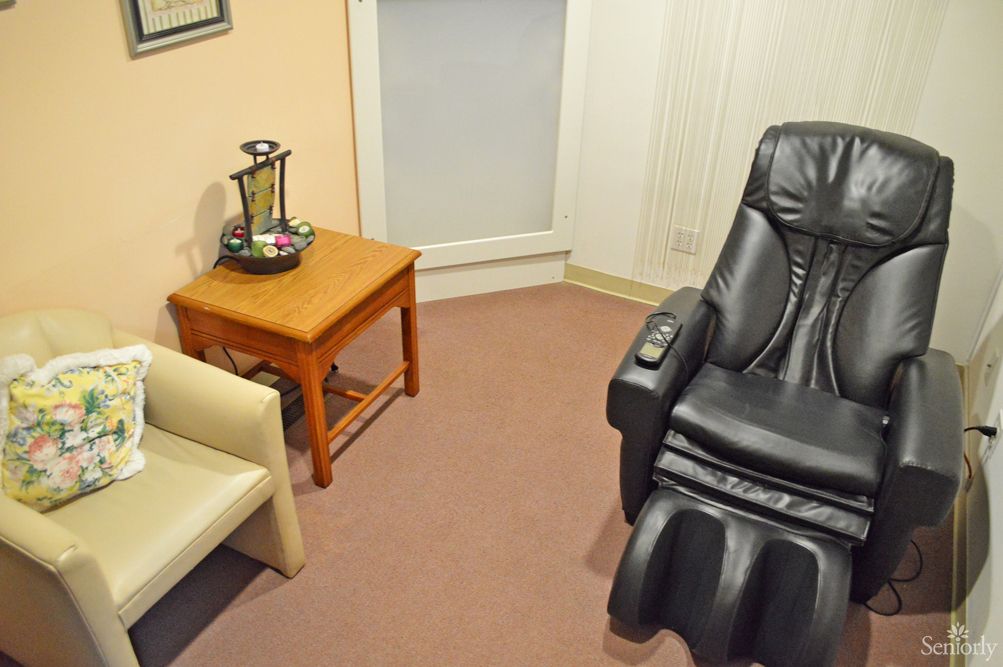
  • Seating Area

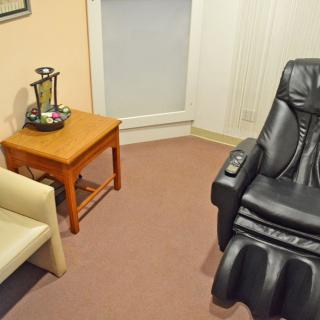
    A cozy waiting room featuring a massage chair and a small table with refreshments.

Primrose Alzheimer's Living in Santa Rosa, CA

2080 Guerneville Road, Santa Rosa, CA 95403

For more information about senior living options: (844) 490-3973

4.2 from 15 reviews
5 stars
11
4 stars
1
3 stars
0
2 stars
1
1 stars
2

Day Program Hospice Agency Memory Care Respite Care

What level of care are you interested in?

Assisted Living

Memory Care

Independent Living

Skilled Nursing Facility

Continuing Care Retirement Community (CCRC)CCRC

Other


Request a tour at Primrose Alzheimer's Living

    Overall Review of Primrose Alzheimer's Living

    Pros

    • pro Primrose is truly wonderful.
    • pro Primrose dramatically improves the quality of life for residents and can even extend life.
    • pro The staff at Primrose are dedicated, compassionate, and provide the best care.
    • pro Primrose offers a warm, attentive, and supportive environment.
    • pro The owners are sweet people with hearts of gold.
    • pro Primrose preserves residents' dignity and creates a sense of home.
    • pro The memory care program at Primrose is well-qualified, with on-site nursing support.
    • pro Primrose features beautiful grounds, delicious homemade meals, and a cheerful atmosphere.

    Cons

    • pro They felt there were no openings in the day program and believed the staff were dishonest and unprofessional about the waiting list.
    • pro They described the experience as bad and thought the staff could have treated guests better.
    • pro They believed the daily price for the in-house residential program was very high, and they would not place their mother there.
    • pro They observed that Primrose had only six rooms, resulting in a constant waiting list.
    • pro They found the facility to be a bit remote.
    • pro They described the food as only fair and nothing exceptional.

    Review

    Primrose Alzheimer's Living in Santa Rosa is best suited for families needing a dementia-focused, intimate living option where the emphasis is on hands-on, compassionate care and meaningful daily life. The six-room residential model sits on a generous property and reinforces a home-like feel with gated safety, on-site medical support, and a turnkey approach to memory care. It works particularly well for residents who are comfortable in a small, closely watched community and for families who value steady caregiver relationships, regular physician coordination, and opportunity to involve hospice or other supports as dementia progresses. In short, this is the choice for those who prioritize dignity, personal attention, and engagement over size and variety of programming.

    That said, some families should explore alternatives. The most obvious constraint is capacity: Primrose operates with a very small footprint, which leads to waiting lists and caution about immediate placement. The location is relatively quiet and residential, which can feel remote for some families who need easier access to relatives or to multiple care teams. Pricing for the in-house residential program can be steep, especially compared with larger communities that offer broader levels of care. For seniors who require non-dementia assisted living, broader social options, or a campus with more extensive services and amenities, a larger facility may be a better fit.

    The strongest pros are practical and persuasive: staff consistently deliver warmth, respect, and personal attention, with families reporting that caregivers remember individual histories and preferences and coordinate closely with physicians to optimize comfort and function. The setting supports dignity across daily routines - activities are purposeful, safe, and well-organized, with a recreation therapist guiding structured engagements that align with memory care needs. Meals are a real strength, crafted by a dedicated chef, and the environment emphasizes homeliness rather than clinical formality. The on-site clinic, dental, and medication management reduce medical friction, while the grounds, quiet courtyards, and even canine helpers contribute to a calming, humane atmosphere. For families navigating end-of-life care, the ability to collaborate with hospice and adapt to evolving needs is a decisive advantage.

    Of course, the cons do matter in real-world decisions. The most weighty is the capacity constraint, which injects uncertainty into planning and delays access for new residents. Price sensitivity is another reality; the residential daily rate sits higher than many comparable options, so families must balance budget against perceived quality and peace of mind. A minority of experiences note inconsistencies in program communication - especially around day-program availability - and a few staff interactions that fall short of expectation. Some activities remain heavily oriented toward memory-care routines, which may feel repetitive to families seeking a broader spectrum of stimulation. The remote feel of the location can also limit spontaneous visits or quick callbacks.

    Weighing the pros against the cons, Primrose makes compelling sense for a specific decision path: a memory-care-focused, small, intimate community where caregivers know residents deeply, medical oversight is cohesive, and the environment feels like a supported home for someone with dementia. The clear trade-offs are worth accepting for families who want predictable, compassionate care and who can tolerate wait times, higher residential costs, and a more limited footprint. For those prioritizing immediacy, breadth of services, or a larger social milieu, alternatives with broader capacity will likely deliver greater convenience and flexible financing.

    Practical next steps sharpen this decision. Prospective families should schedule direct visits, meet the leadership team, and walk through the care plan development process to observe how staff respond to real-time needs. Ask about current openings, typical wait times, and whether respite or trial stays are possible to test fit without long commitments. Review the day program's availability and whether it can align with family schedules, and confirm pricing structures for residential care versus day services. Finally, speak with current families about the consistency of care, the responsiveness of staff, and how transitions - whether to hospice, additional therapies, or higher levels of care - were managed. The right choice will hinge on aligning the dementia-care philosophy, small-community intimacy, and financial realities with the loved one's stage and aspirations.

    Features

    Housing

    • 50 resident community capacity 50 resident community capacity

    Types of Care

    • Day Program Day ProgramDay programs are important for seniors because they provide a safe and supportive environment where older adults can socialize, engage in activities, receive assistance with daily tasks, and access valuable resources and services. These programs help prevent isolation and loneliness, promote mental and physical well-being, and offer a sense of purpose and community for seniors.
    • Hospice Agency Hospice AgencyHospice agencies provide compassionate end-of-life care and support for seniors, helping them maintain dignity and quality of life during their final days. They offer specialized medical services, emotional support, and comfort to both the senior and their loved ones. Having access to a hospice agency can greatly improve the overall well-being of seniors as they navigate this difficult transition.
    • Memory Care Memory CareMemory care is crucial for seniors as it provides specialized support and services for individuals with dementia or Alzheimer's disease. These programs offer a safe and secure environment where residents receive personalized care, cognitive stimulation, and help with daily activities. Memory care helps seniors maintain their independence, quality of life, and dignity while also providing peace of mind for their families.
    • Respite Care Respite CareRespite care provides temporary relief for caregivers, allowing them to recharge and attend to their own needs. It also gives seniors the opportunity to socialize, receive professional care, and experience a change of scenery, promoting overall well-being and reducing feelings of isolation.

    Amenities

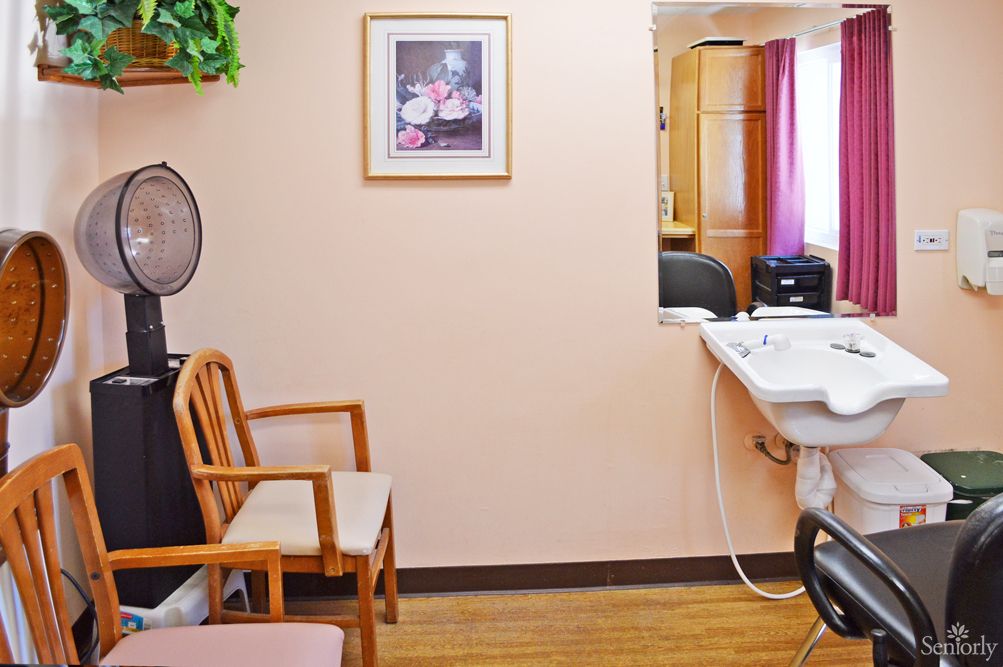
    • Beautician on-site Beautician on-siteHaving a beautician on-site at a senior living community is important for seniors as it allows them to easily access grooming and personal care services, boosting their self-esteem and overall well-being. It also provides convenience and helps seniors maintain their sense of independence and personal style.
    • Beauty salon Beauty salonBeauty salons are important for seniors because they provide a space for them to feel pampered, socialize, and maintain their personal grooming and hygiene. Regular visits to a beauty salon can help boost seniors' self-esteem and overall well-being.
    • Cable or satellite TV Cable or satellite TVCable or satellite TV is important for seniors because it provides entertainment, news, and companionship, helping to combat loneliness and boredom. It also offers a wide range of programming options tailored to different interests and preferences.
    • Dining room Dining roomDining rooms are important for seniors as they provide a space for socialization, connection, and nutritious meals. They offer opportunities for residents to bond over shared meals, foster a sense of community, and promote healthy eating habits. Dining rooms also ensure that seniors have access to well-balanced meals tailored to their dietary needs and preferences.
    • Financial aid Financial aidFinancial aid is crucial for seniors as it can help them cover the costs of essential living expenses such as housing, food, and healthcare. Many seniors have limited incomes and savings, so financial assistance programs can provide them with the necessary support to maintain a decent quality of life in their retirement years.
    • Financing advice Financing adviceFinancing advice is crucial for seniors as they navigate the complexities of retirement planning, including managing fixed incomes, healthcare costs, and potential long-term care needs. Proper financial guidance can help ensure seniors maintain financial stability and security in their golden years.
    • Fully furnished Fully furnishedFully furnished senior living communities are important for seniors because they provide convenience, comfort, and a hassle-free moving experience. Seniors can easily settle into their new living space without the stress of having to buy and move furniture. This allows them to focus on enjoying their new home and community.
    • Garden GardenGardens are important for seniors as they provide a peaceful and therapeutic environment for relaxation, physical activity, and socialization. Being in nature has been shown to reduce stress, improve mood, and promote overall well-being. Gardens also offer opportunities for seniors to engage in gardening activities, which can improve mobility, flexibility, and cognitive function. Additionally, gardens create a sense of community and connection with others who share a passion for plants and outdoor spaces.
    • Golf GolfGolf is important for seniors as it promotes physical activity, socialization, and mental stimulation. It helps maintain mobility, coordination, and balance while providing a fun and engaging way to stay active and connected with others.
    • Guasts at mealtime Guasts at mealtime"Guests at mealtime" offer seniors the opportunity for social interaction, companionship, and a sense of community during meals, which can help combat feelings of loneliness and isolation commonly experienced in senior living environments. It can also enhance their overall dining experience and improve their mental and emotional well-being.
    • Home sale assistance Home sale assistanceHome sale assistance is important for seniors because it can help alleviate the stress and complexities of selling their home. This service can provide guidance, support, and practical assistance throughout the entire selling process, allowing seniors to transition to a new living situation with ease and peace of mind.
    • Housekeeping services Housekeeping servicesHousekeeping services are important for seniors because they help maintain a clean and safe living environment, promote independence, and reduce the risk of accidents or illnesses. Additionally, having assistance with household chores can alleviate physical strain and allow seniors to focus on other aspects of their well-being.
    • Kitchenette KitchenetteKitchenettes are important for seniors living in senior living communities because they provide the convenience and independence of being able to prepare simple meals and snacks in the comfort of their own living space. This can help promote a sense of autonomy and well-being for seniors, allowing them to maintain some level of control over their dietary choices and daily routines.
    • Laundry LaundryLaundry services are important for seniors as they may have difficulty with physical tasks such as bending, lifting, or carrying heavy loads. Having access to laundry services can help seniors maintain personal hygiene, cleanliness, and independence in their daily lives.
    • Move-in coordination Move-in coordinationMove-in coordination is important for seniors because it helps ease the transition into their new living environment. It ensures that all logistics, such as packing, organizing movers, and setting up utilities are taken care of, allowing seniors to focus on settling in and adjusting to their new home. Having a smooth move-in process can alleviate stress and anxiety, making the transition smoother and more enjoyable for seniors.
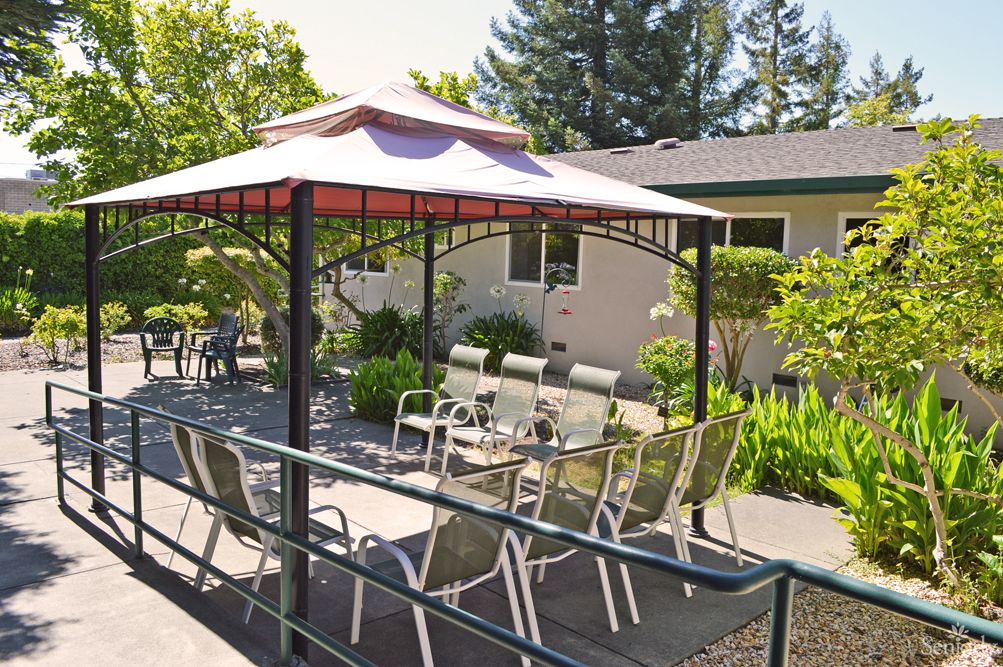
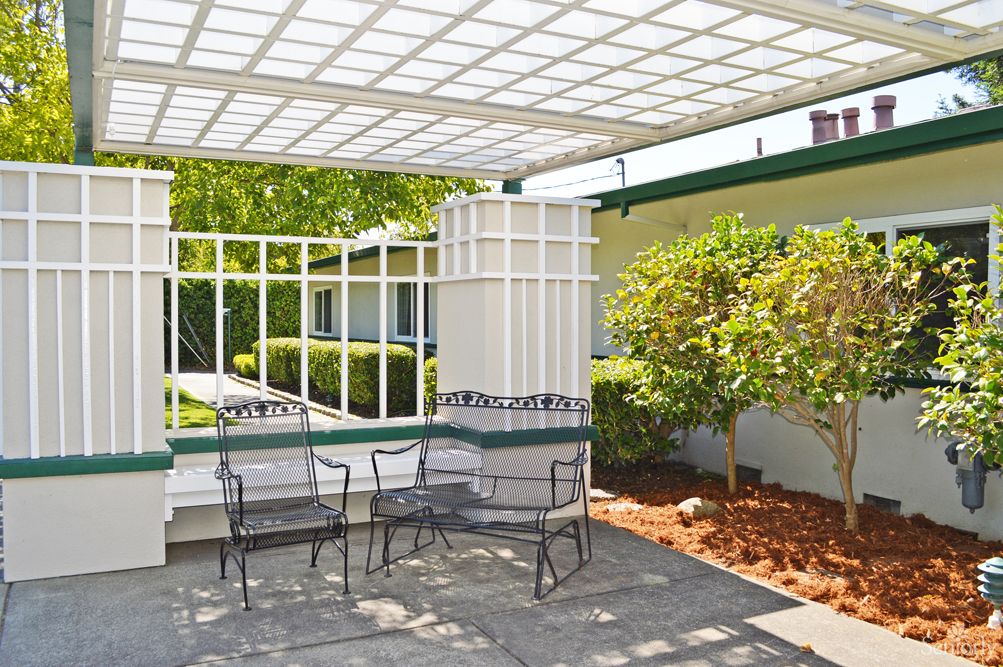
    • Outdoor space Outdoor spaceOutdoor spaces are important for seniors as they provide opportunities for physical activity, social interaction, exposure to natural light and fresh air, and a sense of connection to nature. Having access to outdoor spaces can improve overall well-being and quality of life for older adults living in senior communities.
    • Party space Party spaceHaving access to party space is important for seniors as it provides opportunities for socialization, connection, and enjoyment. These spaces allow seniors to celebrate special occasions, host gatherings with friends and family, and participate in community events, enhancing their overall well-being and quality of life.
    • Respite or short term stays offered Respite or short term stays offeredRespite or short term stays provide seniors with a temporary solution when their regular caregiver is unavailable, offering them the opportunity to receive additional care and support during times of need, while also giving caregivers a chance to rest and recharge.
    • Restaurant-style dining Restaurant-style diningRestaurant-style dining is important for seniors because it allows them to enjoy delicious, nutritious meals in a social and upscale setting. This enhances their dining experience, promotes healthy eating habits, and fosters socialization with fellow residents, ultimately contributing to their overall well-being and quality of life.
    • Security gate Security gateSecurity gates provide an added layer of protection and peace of mind for seniors living in a community. They help prevent unauthorized entry, deter potential intruders, and create a sense of security for residents. This extra security measure can make seniors feel safe and secure in their living environment.
    • Small library Small librarySmall libraries are important for seniors as they provide access to a variety of reading materials, including books, newspapers, and magazines. This can help stimulate their minds, keep them engaged, and provide a sense of community through book clubs and other social activities. Additionally, reading has been shown to improve cognitive function and overall mental well-being in older adults.
    • Telephone TelephoneTelephones are important for seniors as they provide a lifeline for communication with loved ones, emergency services, and healthcare providers. They offer a sense of security and independence, enabling seniors to stay connected and access assistance when needed.
    • VA Benefits Consultation VA Benefits ConsultationVA Benefits Consultations are important for seniors because they provide valuable information on the benefits and resources available to them as veterans. These consultations can help seniors access financial assistance, healthcare services, and other support that can greatly improve their quality of life in their later years.
    • Wi-Fi/high-speed internet available Wi-Fi/high-speed internet availableWi-Fi/high-speed internet is important for seniors to stay connected with loved ones, access online resources, and participate in virtual activities to combat feelings of loneliness and isolation. It also allows them to easily manage healthcare needs, access entertainment, and engage in lifelong learning opportunities.

    Transportation

    • Transportation & parking Transportation & parkingTransportation and parking are vital for seniors as they offer access to essential services, activities, and social interactions. Reliable transportation options can help seniors maintain independence, stay connected within their community, and enjoy a higher quality of life. Additionally, convenient parking facilities ensure that seniors can easily access necessary resources and amenities without added stress or difficulty.

    Care Services

    • 24-hour call system 24-hour call system24-hour call systems are important for seniors because they provide peace of mind and immediate assistance in case of emergencies. This technology ensures that help is always available, promoting safety and security for elderly individuals living alone or in assisted living facilities.
    • 24-hour supervision 24-hour supervision24-hour supervision is important for seniors to ensure their safety, well-being, and access to immediate assistance in case of emergencies or health issues. This constant support provides peace of mind for both seniors and their loved ones, allowing them to age in place with dignity and security.
    • Activities of daily living assistance Activities of daily living assistanceActivities of daily living assistance are important for seniors because they provide essential support with tasks such as eating, bathing, dressing, and mobility. This assistance helps seniors maintain their independence, dignity, and overall quality of life as they age.
    • Assistance with bathing Assistance with bathingAssistance with bathing is crucial for seniors as it helps maintain personal hygiene, prevents infections, and ensures their overall well-being and comfort. It also provides a sense of dignity and independence for seniors who may struggle with this task on their own.
    • Assistance with dressing Assistance with dressingAssistance with dressing is important for seniors because it helps maintain their independence, promotes personal hygiene, prevents accidents and injuries, and improves overall quality of life. This service ensures that seniors can continue to dress comfortably and confidently, despite any physical limitations they may have.
    • Assistance with transfers Assistance with transfersAssistance with transfers is crucial for seniors as it helps prevent falls and injuries, maintains their independence, and ensures they can safely navigate their living environment. It also provides peace of mind for both seniors and their loved ones.
    • Diabetes diet Diabetes dietA diabetes diet is crucial for seniors as it helps manage blood sugar levels, reduce risks of complications, and improve overall health and well-being. By following a balanced and nutritious diet tailored to their specific needs, seniors can better control their diabetes and enhance their quality of life.
    • Hospice care Hospice careHospice care is important for seniors as it provides specialized end-of-life support, pain management, and emotional comfort for both the senior and their loved ones. It allows seniors to maintain dignity, receive personalized care, and spend their remaining time in a peaceful and comfortable environment.
    • Meal preparation and service Meal preparation and serviceMeal preparation and service are crucial for seniors as they may have limited mobility or energy to cook nutritious meals. Having access to healthy and convenient food options can ensure they are getting the proper nutrition needed to maintain their overall health and well-being.
    • Medication management Medication managementMedication management is crucial for seniors to ensure they are taking the right medications at the correct dosages and times. This helps prevent adverse drug interactions, reduces the risk of medication errors, and promotes overall health and well-being. Proactive management also allows for adjustments as needed based on changing health conditions or new prescriptions.
    • Mental wellness program Mental wellness programMental wellness programs are essential for seniors as they promote cognitive stimulation, emotional support, and social engagement. These programs help prevent isolation, depression, and cognitive decline, ultimately enhancing the overall quality of life for older adults.
    • Mild cognitive impairment Mild cognitive impairment"Mild cognitive impairment" is important for seniors because it is an early stage of cognitive decline that can potentially progress to more severe conditions such as dementia. Recognizing and addressing mild cognitive impairment can help seniors receive appropriate care and support to maintain their quality of life and independence for as long as possible.
    • Physical therapy Physical therapyPhysical therapy is essential for seniors to maintain and improve their mobility, strength, and overall quality of life. It helps reduce pain, prevent falls, and enhance independence in daily activities. By promoting movement and function, physical therapy can help seniors stay active, healthy, and engaged in their communities.
    • Special dietary restrictions Special dietary restrictionsSpecial dietary restrictions are important for seniors because age-related changes in metabolism and health conditions can make it difficult for their bodies to process certain foods. By following a diet tailored to their specific needs, seniors can maintain their overall health and well-being, manage chronic conditions, and reduce the risk of complications such as malnutrition or food interactions with medications.
    • Specialized memory care programming Specialized memory care programmingSpecialized memory care programming is crucial for seniors with cognitive impairments such as dementia or Alzheimer's disease. These programs provide a safe and supportive environment tailored to the unique needs of individuals with memory loss, helping them maintain their independence, dignity, and quality of life.

    Dining

    • Diabetes diet Diabetes dietA diabetes diet is crucial for seniors as it helps manage blood sugar levels, reduce risks of complications, and improve overall health and well-being. By following a balanced and nutritious diet tailored to their specific needs, seniors can better control their diabetes and enhance their quality of life.
    • Special dietary restrictions Special dietary restrictionsSpecial dietary restrictions are important for seniors because age-related changes in metabolism and health conditions can make it difficult for their bodies to process certain foods. By following a diet tailored to their specific needs, seniors can maintain their overall health and well-being, manage chronic conditions, and reduce the risk of complications such as malnutrition or food interactions with medications.

    Activities

    • Activities off-site Activities off-siteActivities off-site are crucial for seniors as they provide opportunities for socialization, mental stimulation, and physical activity outside of their usual routine. This helps combat feelings of isolation and boredom, promotes overall well-being, and allows seniors to remain engaged in the community.
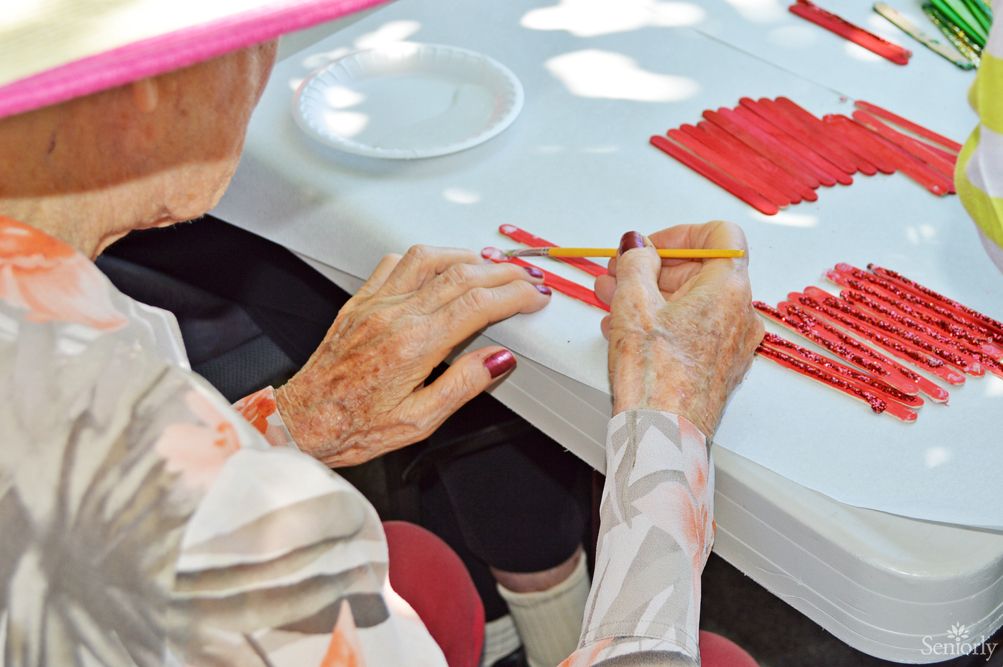
    • Arts and crafts Arts and craftsEngaging in arts and crafts activities provides seniors with a creative outlet, promotes cognitive function, enhances dexterity and fine motor skills, fosters social interaction, and boosts overall well-being and mental health.
    • Book club Book clubBook clubs are important for seniors because they provide socialization, intellectual stimulation, and a sense of community. They offer the opportunity to engage in meaningful discussions, share perspectives, and connect with others who share a love of reading. Book clubs can also help seniors stay mentally active and combat feelings of loneliness or isolation.
    • Community-sponsored activities Community-sponsored activitiesCommunity-sponsored activities are important for seniors as they provide opportunities for social interaction, mental stimulation, and physical activity. These activities can help improve overall well-being, combat loneliness and isolation, and promote a sense of belonging and purpose among older adults.
    • Cooking club Cooking clubCooking clubs are important for seniors as they provide social interaction, mental stimulation, and the opportunity to learn new recipes and cooking techniques. These clubs also promote healthy eating habits and can improve overall well-being and quality of life for seniors.
    • Fitness programs Fitness programsFitness programs are crucial for seniors as they help improve strength, flexibility, balance, and overall well-being. Staying active can reduce the risk of chronic diseases, improve mental health, and enhance quality of life in older adults.
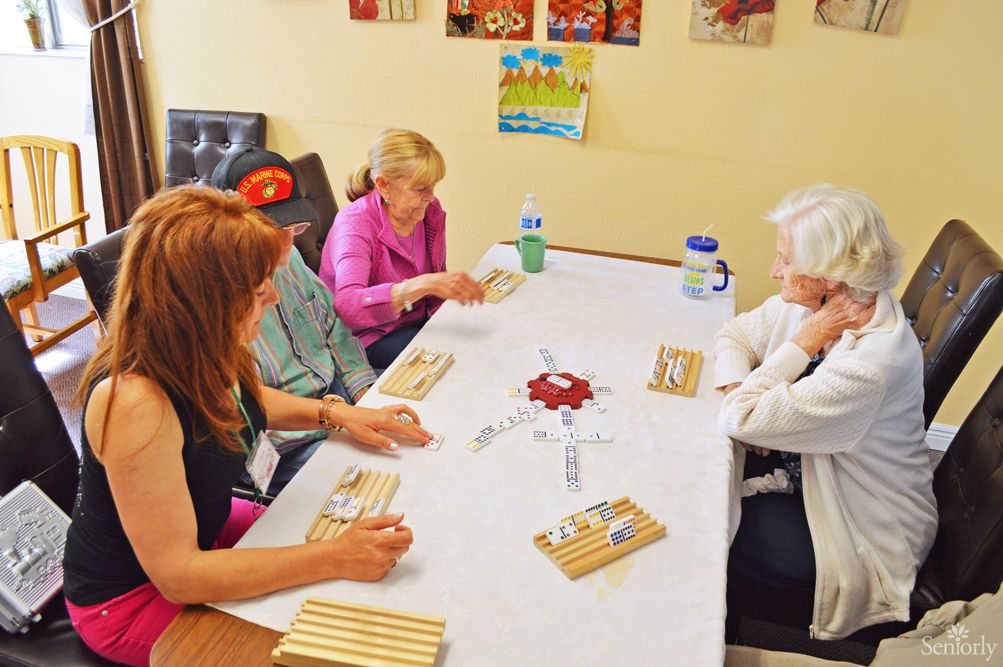
    • Games GamesGames are an essential part of senior living as they help promote cognitive function, social interaction, and overall well-being. Playing games can improve memory, concentration, and decision-making skills while also providing a fun and engaging way to connect with others. Seniors who participate in games regularly tend to experience higher levels of satisfaction and happiness in their daily lives.
    • Gardening club Gardening clubGardening clubs are important for seniors because they provide a sense of community, promote physical activity and mental well-being, and offer opportunities for socialization and connection with nature. Gardening can also improve cognitive function and overall quality of life for seniors.
    • Live musical performances Live musical performancesLive musical performances can provide seniors with a sense of joy, nostalgia, and connection. Music has the power to evoke emotions and memories, improve mood and cognitive function, and foster social interaction among seniors. It can also serve as a form of therapy and stress relief for older adults, making it an important activity to include in senior living communities.
    • Religious services Religious servicesReligious services provide seniors with a sense of community, support, and spiritual fulfillment, which can improve their overall well-being and mental health. It also offers them opportunities for socialization and connection with others who share their beliefs.
    • Resident-run activities Resident-run activitiesResident-run activities are important for seniors as they encourage social interaction, creativity, and a sense of autonomy. These activities empower seniors to stay engaged and active in their community while fostering meaningful connections with their peers.
    • Scheduled daily activities Scheduled daily activitiesScheduled daily activities are important for seniors because they provide structure, socialization, mental stimulation, and physical activity. Engaging in regular activities can improve overall well-being and quality of life for seniors living in a community setting.
    • Stories StoriesStories are important for seniors because they provide a sense of connection, stimulate memory and cognitive function, and offer entertainment and emotional engagement. Sharing stories can foster social interaction and create a sense of community among seniors, enhancing their overall well-being and quality of life.
    • Tai Chi Tai ChiTai Chi is important for seniors because it promotes balance, strength, flexibility, and mental relaxation. It can help prevent falls, improve mobility, and reduce stress and anxiety, making it an excellent form of exercise for older adults to maintain their overall health and well-being.

    Languages Spoken

    • English EnglishEnglish is important for seniors as it allows them to communicate effectively with healthcare providers, understand important information related to their health and medications, stay connected with loved ones, and engage in social activities within their communities. It also opens up opportunities for lifelong learning and intellectual stimulation.

    Description

    Primrose Alzheimer’s Living in Santa Rosa, CA, is a nurturing and supportive assisted living community dedicated to providing specialized care for individuals with memory-related challenges. This welcoming facility offers a range of care options, including hospice agency services, memory care, and respite care, ensuring that residents receive the assistance they need in a compassionate environment.

    Designed with comfort and convenience in mind, Primrose features an array of amenities that enhance daily living. Residents can enjoy the use of a beauty salon, engage in restaurant-style dining experiences, and relax in outdoor spaces or the serene garden. The community is fully furnished and equipped with modern conveniences such as Wi-Fi/high-speed internet and cable or satellite TV. Additional support services like housekeeping, laundry facilities, move-in coordination, and home sale assistance make transitions easier for residents and their families.

    At Primrose Alzheimer's Living, care services are tailored to meet individual needs. With 24-hour supervision available, residents receive personalized assistance with daily activities such as bathing, dressing, meal preparation, medication management, and physical therapy. The community also has specialized programming designed to cater to those living with mild cognitive impairment and other forms of dementia.

    Engagement is key at Primrose; residents can participate in a variety of activities that promote mental wellness and social interaction. From arts and crafts to cooking clubs and live musical performances, there’s always something happening. Additionally, programs like Tai Chi provide opportunities for physical fitness while fostering camaraderie among residents.

    Situated near numerous cafes, parks, pharmacies, physicians’ offices, restaurants, theaters, hospitals, and conveniently served by local transportation, Primrose Alzheimer’s Living not only prioritizes quality care but also ensures residents have access to essential services and community resources.

    With compassionate staff dedicated to enhancing the quality of life for all its residents through meaningful engagement and support services tailored specifically for those facing memory challenges, Primrose Alzheimer’s Living stands out as a trusted choice for families seeking exceptional assisted living options in Santa Rosa.

    Nearby Places of Interest

    Hospitals

    • Kaiser Foundation Hospital (0.4 miles)
    • Kaiser Foundation Health Plan (2 miles)
    • MarinHealth ENT, Head & Neck Surgery | A UCSF Health Clinic (3 miles)
    • Sutter Santa Rosa Regional Hospital (3 miles)
    • St Joseph Health System (3 miles)

    Pharmacies

    • Rayles Pharmacy (0.9 miles)
    • Walgreens (1 miles)
    • Peace In Medicine (1.3 miles)
    • CVS Pharmacy (1.4 miles)
    • Kaiser Pharmacy East (2 miles)
    • Creekside Managed Care Pharmacy (2.6 miles)
    • Herbal Pharmacy (2.7 miles)

    Physicians

    • Sonoma County Indian Health (0.9 miles)
    • Jennifer Williams, MD (1 miles)
    • Jeremy C. Mesches, MD (1 miles)
    • David Begert, MD (1 miles)
    • Tabitha Doniach, MD (1 miles)
    • John Dr - John Y Hau Hau MD (1.1 miles)
    • Eric Lee M.D. (1.1 miles)

    Restaurants

    • Super Chavez Market (1 miles)
    • BJ's Restaurant & Brewhouse (1.4 miles)
    • Jack In The Box (1.5 miles)
    • In-N-Out Burger (1.7 miles)
    • La Texanita Restaurant (1.9 miles)
    • Chick-Fil-A (2 miles)
    • Grossman's Noshery & Bar (2 miles)

    Parks

    • A Place To Play (1 miles)
    • Old Courthouse Square (2.3 miles)

    Cafes

    • Taylor Lane Organic Coffee (1.3 miles)
    • Aroma Roasters Coffee & Tea (2 miles)
    • Starbucks (2.2 miles)
    • Cafe Des Croissants (2.2 miles)
    • Dierk's Parkside Café (2.6 miles)

    Transportation

    • Santa Rosa - SMART Station (2 miles)
    • Santa Rosa Transit Mall (2.4 miles)

    Theaters

    • Roxy Stadium 14 (2.4 miles)

    Frequently Asked Questions

    Where is Primrose Alzheimer's Living?
    Does Primrose Alzheimer's Living provide care for residents with dementia or Alzheimer's disease?
    What photos are available for Primrose Alzheimer's Living in Santa Rosa, California?

    Nearby Communities

    • Primrose of Santa Rosa

      Primrose of Santa Rosa

      Santa Rosa, CA

      4.2 from 15 reviews
      $3,350 to $8,550 / month

      pro Attentive, well-trained staff in a clean, homey setting with spacious grounds.

    • Orchard West Senior Apartments

      Orchard West Senior Apartments

      Santa Rosa, CA


      pro Great access to nearby amenities and healthcare.

    • Primrose Corporate Office

      Primrose Corporate Office

      Santa Rosa, CA


      pro Excellent access to amenities and healthcare nearby.

    • Marian House For Seniors

      Marian House For Seniors

      Santa Rosa, CA

      4.2 from 5 reviews
      $5,000 / month

      pro Caring, compassionate staff creating a warm, home-like environment.

    • Sunnyside Manor

      Sunnyside Manor

      Santa Rosa, CA

      4.5 from 49 reviews
       

      pro Peaceful setting with extensive nearby amenities and healthcare options.

    • Glorious Place And Care

      Glorious Place And Care

      Santa Rosa, CA

      5 from 7 reviews
      $4,735 to $4,925 / month

      pro Small, personalized care in a fully furnished setting.

    • Pacifica Senior Living Santa Rosa

      Pacifica Senior Living Santa Rosa

      Santa Rosa, CA

      4.3 from 6 reviews
      $3,525 to $6,050 / month

      pro Welcoming layout with beautiful spaces and a caring staff; strong word-of-mouth for its potential.

    • Solstice Senior Living At Santa Rosa

      Solstice Senior Living At Santa Rosa

      Santa Rosa, CA

      4.3 from 97 reviews
      $3,395 to $5,245 / month

      pro Vibrant community with friendly staff and beautiful, well-maintained grounds.

    • Brookdale Chanate

      Brookdale Chanate

      Santa Rosa, CA

      4.4 from 72 reviews
      $3,810 to $7,855 / month

      pro Friendly staff and a clean, pleasant setting with on-site activities.

    Related Resources

    • reminiscence therapyExploring the Power of Reminiscence Therapy for Individuals With Dementia

      Reminiscence therapy helps individuals with dementia recall past memories through structured discussions and meaningful objects, enhancing mood, relationships, and sense of identity while celebrating their lives. It can be practiced in formal settings or at home, requiring sensitivity to personal histories and cultural backgrounds.

    • reminiscence therapyAn In-Depth Look at Reminiscence Therapy in Dementia Care

      Reminiscence therapy is a structured method for older adults, especially those with dementia, to share life stories using prompts and sensory cues, fostering emotional well-being, social engagement, and self-identity. It aims to improve quality of life by enhancing interpersonal connections and cognitive stimulation while requiring careful facilitation to avoid distressing memories.

    • dementia hallucinationsDementia-Related Hallucinations: Causes, Experiences, and Practical Approaches
      Dementia, particularly Lewy body dementia, often involves hallucinations that can significantly distress both patients and caregivers due to disruptions in sensory processing and neurotransmitter imbalances. Effective management includes compassionate communication, environmental adjustments, and a multidisciplinary approach to care while addressing the emotional needs of caregivers.


    Get Pricing Ask A Question Schedule A Tour Contact Senior Advisor