
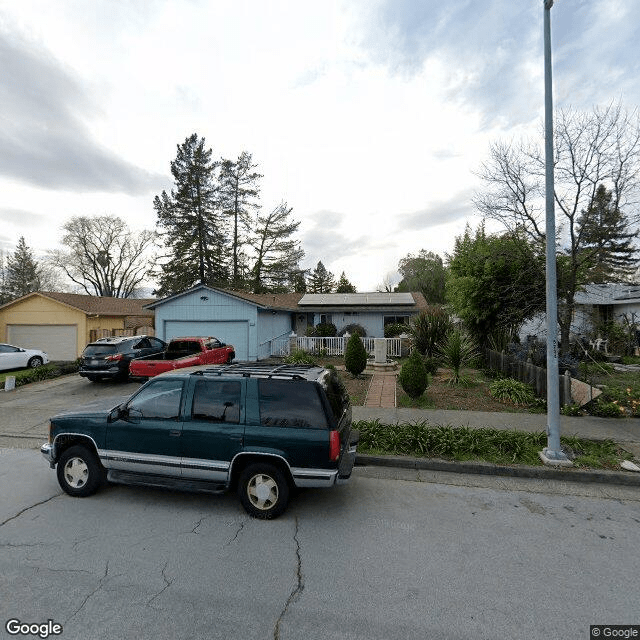
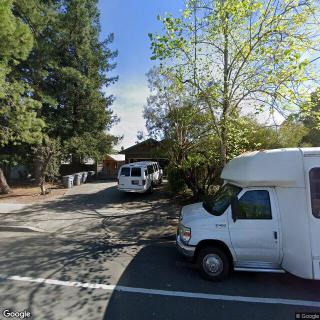
939 Baird Rd 707-537-0108, Santa Rosa, CA 95409
To contact a resident: (707) 236-0728
For more information about senior living options: (866) 208-4318
Mountainview Care Home Costs & Pricing
Mountainview Care Home offers competitive pricing for its accommodations compared to both Sonoma County and the broader California market. For a semi-private room, residents at Mountainview pay $2,400 per month, significantly lower than the county average of $4,052 and the state average of $3,333. Similarly, the cost of a private room at Mountainview is $2,700, which is well below Sonoma County's average of $4,225 and California's average of $3,939. These favorable rates make Mountainview Care Home an attractive option for families seeking quality care without the burden of excessive costs.
| Floor plans | Mountainview Care Home | Sonoma County | California |
|---|---|---|---|
| Semi-Private | $2,400 | $4,052 | $3,333 |
| Private | $2,700 | $4,225 | $3,939 |
Memory care communities with a similar price nearby
-
from +$195 / mo
The Inn on Villa Lane
$2,595 to $6,195 / month23.0 miles away -
from +$400 / mo
Pueblo House
$2,800 to $3,800 / month23.2 miles away -
from +$100 / mo
Emmanuel Home
$2,500 to $4,500 / month3.1 miles away -
from +$100 / mo
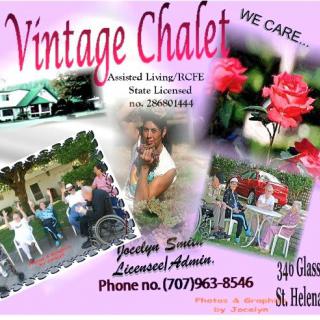
Vintage Chalet
$2,500 to $4,000 / month10.9 miles away -
from +$400 / mo
Parkview Manor
$2,800 to $3,800 / month18.3 miles away
Overall Review of Mountainview Care Home
Pros
 The care was always loving and personal.
- The home was clean and medications were carefully administered.
- Meals were shared and sociable.
- Families of residents were always welcome.
- Raymond and his staff bestow warmth, kindness, experience, and love on every resident.
- Marian Gardens has become a place of comfort and peace for residents and families.
Review
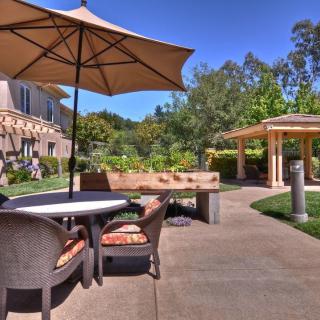
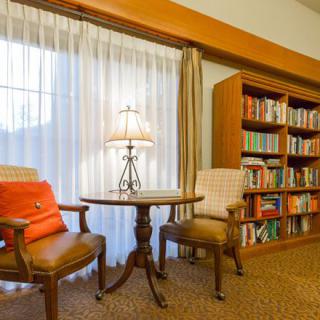
Mountainview Care Home in Santa Rosa is best suited for seniors who want a warm, intimate, home-like residential setting where daily care feels personal and family involvement is genuinely welcomed. It excels for residents who do not require hospital-grade medical oversight but need steady daily support, dependable medication management, sociable meals, and a calm, predictable routine. In this environment, staff know residents by name, accommodate personal preferences, and cultivate a sense of belonging that can make a difficult transition into care more bearable for both residents and their loved ones.
Those considering alternatives should weigh the reality that Mountainview operates as a smaller, intimately staffed setting rather than a large campus with expansive medical teams. For individuals requiring round-the-clock nursing coverage, highly specialized memory-care programming, or a broad schedule of in-house activities led by dedicated coordinators, a larger assisted living community or a memory-care-focused facility may deliver more of what is needed. Families with residents who have complex medical needs, demanding wound care, or the expectation of frequent on-site clinical consultations should assess whether the scale and resources of a bigger operation will better meet those needs.
The strongest pros center on warmth, continuity, and trust. The care feels personal and attentive, with a nurse presence from the partner who collaborates closely with the staff. Medication management is described as careful, reducing worry about dosing errors, while the home itself is kept clean and orderly. Meals are shared and sociable, contributing to daytime engagement and opportunities for social connection among residents. Family members report feeling consistently welcomed, which reinforces a sense of stability and belonging for the person living there. A veteran caregiver perspective underscores that the environment fosters genuine warmth, kindness, and experience, qualities that often trump sterile efficiency in senior living.
That said, the inevitable trade-off for a small, intensely personal setting is a more limited formal infrastructure. Prospective families should verify how emergencies are handled when present staffing is stretched, and whether access to a wide range of specialists or advanced therapeutic amenities is available on-site or via partnerships. While the testimonials highlight a “gold standard” of care and a comforting sense of peace for residents and families, the absence of a large-scale operations footprint means certain high-demand services may rely on external arrangements rather than in-house capabilities. For memory-care needs, verify specific programming, environment design, and the availability of cognitive therapies or outside consultants.
In practical decision terms, the choice comes down to fit versus facilities. If the priority is a nurturing, home-like atmosphere with dependable routine, a resident who thrives on social meals, and families that value being welcomed into the daily rhythm, Mountainview stands out as a compelling option in Santa Rosa. If, instead, the resident requires intensive skilled nursing, broad medical oversight, or a robust calendar of cognitive-stimulation activities led by dedicated coordinators, it is prudent to explore alternatives with larger staffs and more formal programs. Prospective movers should visit, observe interactions between staff and residents, and ask pointed questions about night coverage, staffing ratios, medication protocols, and the availability of on-site or readily accessible medical services.
In the end, Mountainview Care Home earns strong consideration for families prioritizing warmth, personalized attention, and a respectful, family-inclusive culture. The testimonials suggest a level of care that many families seek, a place where care feels less like a transaction and more like a trusted, everyday companionship. For those whose loved one’s needs align with a compassionate, intimate setting, it offers a credible, well-regarded option. For others, especially those with high medical complexity or a need for expansive programming, the prudent choice is to compare it against larger communities that can promise broader medical resources and structured memory-care curricula.
 Board and Care Home
 Memory Care
 Private

 Comprehensive Guide to VA Nursing Homes: A Crucial Long-Term Care Resource for Veterans
 Estimating the Expenses of At-Home Dementia Care: A Detailed Exploration
 Comprehensive Insights on the Late Stages of Dementia: What to Expect and How to Provide Care