
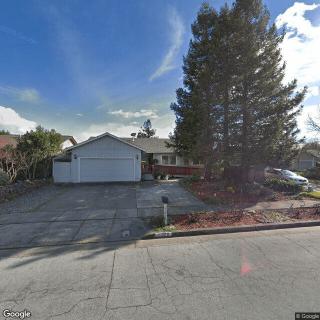
996 Estes Drive, Santa Rosa, CA 95409
For more information about senior living options: (866) 208-4318
Overall Review of Chelo's Garden
Pros
 No positive statements are present in the review.
Cons
 The facility is a terrible place to bring anyone.
- The clients there are always in bed.
- They have UTIs and sores.
- The reviewer rates the facility as a zero.
Review
Chelo’s Garden in Santa Rosa is best suited for families that must accept a very lean care option and are prepared to supervise care closely. It is not positioned for residents who require reliable skilled nursing, ongoing wound care, or proactive medical oversight. In short, this community should be considered only when budget constraints are the overriding factor and there is significant hands-on family involvement to compensate for what appears to be limited on-site clinical support.
Explicitly, those evaluating alternatives should focus on residents needing consistent infection control, regular turning and repositioning, wound management, or robust daily oversight. Families seeking transparent communication, dependable staffing, and proven safety records will want to look elsewhere. The available information suggests a higher risk environment for sensitive health issues, so any resident with a recent or ongoing need for medical monitoring or preventive care should explore other options first.
The most troubling elements in the feedback point to a pattern of high risks and poor outcomes: residents described as frequently bedbound, with recurrent UTIs and sores, which strongly imply insufficient turning, mobility assistance, and timely medical attention. Such conditions not only diminish quality of life but also open the door to additional complications. Without credible evidence of effective care practices to counter these risks, the negatives overwhelm any potential convenience or price advantage.
There are no clearly documented compensating advantages in the available reviews. A higher rating appears in the overall score, but there is no detailed account of what that experience entailed, making it impossible to rely on any alleged strengths as offsetting positives. The absence of concrete positives, whether in staffing reliability, activity engagement, meals, or environment, means the facility’s drawbacks remain unmitigated in the eyes of prospective families.
For families still evaluating options, the path forward is concrete: conduct on-site visits with a sharp checklist focused on care delivery. Request real-time demonstrations of turning and mobility support, ask about staffing levels by shift, and review incident and infection-control data. Seek out current residents or families for candid impressions about cleanliness, dining quality, activity programming, and the responsiveness of staff to urgent needs. Compare with other communities that have transparent care plans, clearer escalation protocols, and demonstrable track records in preventing bedbound deterioration and infection.
Bottom line: Chelo’s Garden is a last-resort consideration for long-term residents who can tolerate limited clinical oversight and require intense family involvement to guard against neglect. For anyone prioritizing safety, consistent medical attention, and meaningful quality of life, alternatives deserve serious exploration. In a market with real options, families should favor communities with proven wound-care capabilities, strong infection prevention, and staffing that can consistently reposition, monitor, and respond to health concerns without delay.
 6 resident community capacity
 Assisted Living
 Board and Care Home
 Cable or satellite TV
 Dining room
 Fully furnished
 Garden
 Housekeeping services
 Move-in coordination
 Outdoor space
 Telephone
 Wi-Fi/high-speed internet available
 24-hour supervision
 Activities of daily living assistance
 Assistance with bathing
 Assistance with dressing
 Assistance with transfers
 Diabetes diet
 Meal preparation and service
 Medication management
 Special dietary restrictions
 Transportation arrangement (medical)
 Transportation to doctors appointments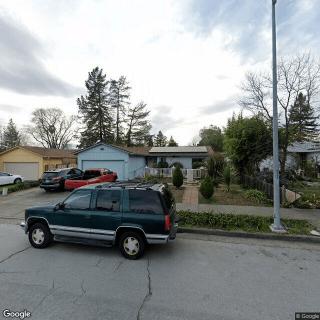






 Choosing the Right Senior Care: A Detailed Exploration of Assisted Living and Nursing Homes
 Understanding the True Cost of Assisted Living in 2025: A Comprehensive Guide
 Understanding Medicaid Coverage for Assisted Living: A Comprehensive Guide