
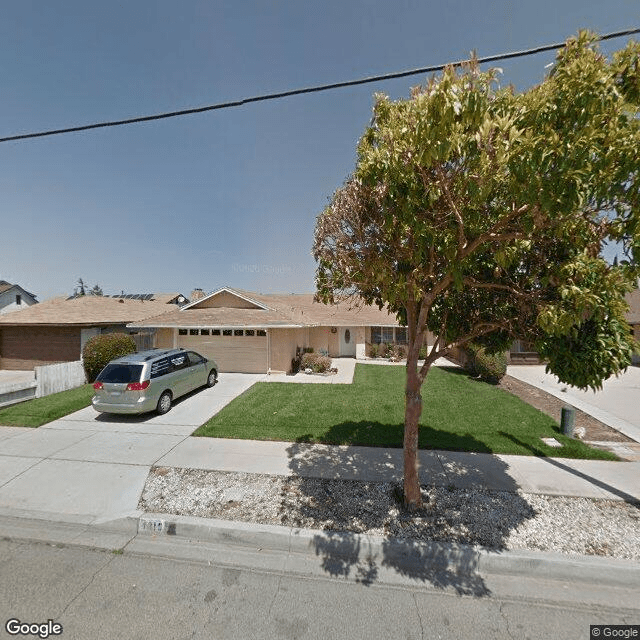
1319 E Alvin Ave, Santa Maria, CA 93454
To contact a resident: (805) 478-3756
For more information about senior living options: (866) 208-4318
Varias Residential Costs & Pricing
Varias Residential offers an attractive pricing structure for its semi-private rooms at $1,000 per month, significantly lower than the average costs in Santa Barbara County, which stand at approximately $3,007, and even more so compared to the state average of $3,333. This cost-effective option not only makes Varias Residential a competitive choice for individuals seeking quality care but also reflects a commitment to providing affordable housing solutions without compromising on essential services. The substantial savings compared to both county and state averages underscore Varias Residential's dedication to accessibility and support within the community.
| Floor plans | Varias Residential | Santa Barbara County | California |
|---|---|---|---|
| Semi-Private | $1,000 | $3,007 | $3,333 |
Overall Review of Varias Residential
Pros
 Residents describe the staff as caring, attentive, and among the best they have dealt with.
- Families note that Santa Maria Terrace feels safe, cozy, and welcoming.
- They appreciate that meals, laundry, and room cleaning are provided for residents.
- There are always community activities and opportunities for socializing.
- The staff arrange special gatherings for birthdays and other celebrations.
- Transportation to doctor appointments and other events is available.
- The facility is clean, homey, and well maintained.
- Senior management is professional and responsive to feedback.
- Couples can stay together, even if one partner needs more assistance.
- The wellness/care staff provide extraordinary care and genuine concern.
- Families are grateful for attentive care during end-of-life stages.
- Many reviewers highlight the amazing, friendly, and compassionate staff.
Cons
 The resident's room had a constant roach problem, as did the floor above it.
- The director repeatedly cut budgets for basic requirements in a senior living facility.
- The food served was appalling and kept getting reduced due to budget cuts.
- The activities staff were overwhelmed by the many dementia residents, pushing others aside.
- There was no licensed nurse on staff—only someone who had passed the basic nursing test to sign paperwork.
- The director appeared clueless about the residents and was selfish, using budget money to make the place look nice instead of supporting the staff.
- The director’s behavior suggested she was not financially struggling, implying favoritism and favoritism toward certain staff.
- The director’s office was often closed, and getting a return call was like pulling teeth.
- It was evident that staff were treated with favoritism, leaving reliable workers overwhelmed and underappreciated.
- Some feared the facility would say anything to keep families placing residents and cashing checks for as long as possible.
Review
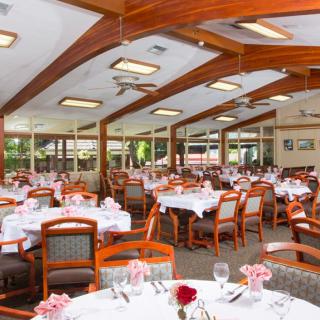
This community is best suited for families who value a warm, home-like atmosphere where staff truly know residents and daily life centers on connection, safety, and social engagement. Varias Residential, operating in Santa Maria as Santa Maria Terrace for years, excels at keeping residents connected, lively activities, easy transport to appointments, and consistent, personable staff interactions. It is especially strong for couples or small families seeking a setting where one partner can receive assistance while the other remains in a familiar, shared space, with end-of-life support available within the same community. The environment feels cozy and approachable, and the emphasis on community life translates into regular gatherings, ice cream socials, card games, and opportunities to celebrate birthdays and holidays together.
Those who may want alternatives: residents whose care needs extend beyond assistance with activities of daily living, specifically, those requiring a licensed nurse on site around the clock or robust medical oversight, should compare options with facilities that maintain continuous professional nursing coverage. The most consistent concern raised by critics is the absence of a full-time licensed nurse, with staff relying on aides rather than clinicians. Budget-driven compromises on food and essential services also appear in some accounts, and leadership can influence day-to-day operations in ways that affect staff morale. For families prioritizing rigorous pest control, transparent budgeting, and proactive management, shopping other communities may yield more predictable consistency.
Key pros offset main cons in meaningful ways. The standout strength is the human factor: staff described as caring, attentive, and genuinely invested. Residents feel safe: tracking of outings, consistent supervision, and a culture of friendliness reduce isolation and support social engagement. Cleanliness and home-like amenities create a trustworthy backdrop for daily life, while transportation to medical appointments and participation in onsite activities add real practical value. End-of-life care coordination and the option for family gatherings strengthen the sense of continuity for long-term residents. These positives address many families’ core priorities, dignity, companionship, stability, though they can't fully compensate for gaps in clinical staffing or for those with more intensive medical needs.
Additional strengths show up in routine services: meals, laundry, and room cleaning are bundled in, offering predictable daily rhythms; families repeatedly praise the staff’s warmth and the facility’s cleanliness. The courtyard accommodates smokers, and residents can stay together when needed, which matters for couples or siblings who want to remain side by side. The move-in process is described as supportive, with staff guiding paperwork and setup, minimizing the stress of transition. The community’s social calendar, everyday activities, holiday celebrations, and special gatherings, helps residents form meaningful routines that deter loneliness.
Nevertheless, the reviews reveal real, non-trivial caveats. A single, severe account highlights issues with rodent pests, budget cuts impacting basic needs, and staffing gaps, with leadership criticized for being unresponsive or misallocating resources. That perspective underscores a potential risk when leadership appears disengaged or when finances are stretched thin, because it can cascade into food quality, maintenance, and staff morale. The contrast with consistently favorable experiences suggests variability in experience that can hinge on shifts in management, staffing levels, or the specific care needs of residents. Families should examine how the facility handles pest control, maintenance, and nurse coverage during tours and follow-ups.
Bottom line: Varias Residential/Santa Maria Terrace offers a compelling value proposition for those prioritizing a warm, community-forward living experience with strong social life, dependable transport, and attentive staff who treat residents like family. It is particularly well-suited for couples or individuals who want end-of-life support in a familiar setting and for families who value regular activities and a clean, homey environment. Those with higher medical complexity or a demand for on-site licensed nursing should compare options to ensure continuous clinical coverage and robust operational oversight. In any case, prospective families should ask pointed questions about nurse staffing, pest control, budget allocation, staff scheduling, and how resident concerns are escalated, then visit, observe, and speak with current residents and resident council members to gauge consistency across shifts.
 Board and Care Home
 Memory Care
 Santa Maria Pub Capt G Allan Hancock (5 miles away)


 Engaging Memory Care Activities That Enhance Quality of Life
 When to Transition from Assisted Living to Memory Care: Key Indicators, Steps, and Finding the Right Community
 Understanding the Distinctions: Assisted Living and Memory Care Explained