
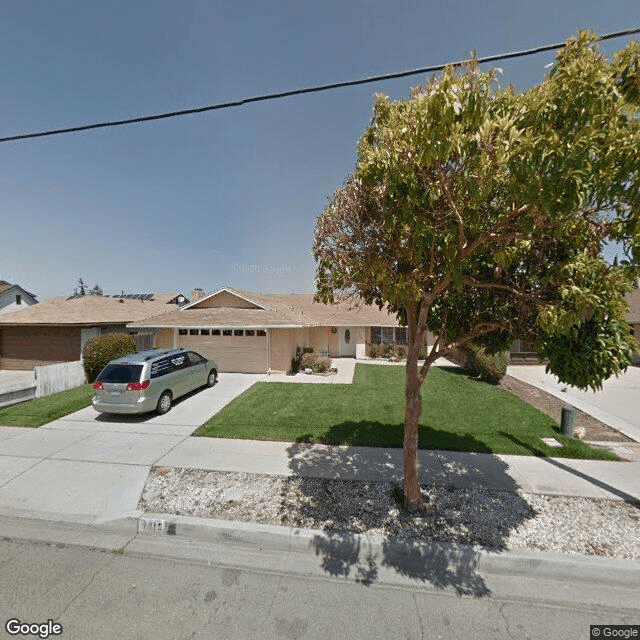
1319 East Alvin Avenue, Santa Maria, CA 93454
For more information about senior living options: (866) 208-4318
Pedflor's Residential Care Costs & Pricing
Pedflor's Residential Care offers a compelling financial alternative for individuals seeking quality residential care, particularly when comparing its costs to those of Santa Barbara County and the broader California region. For a semi-private room, Pedflor's monthly rate stands at $1,500 - significantly lower than the county average of $3,007 and the state average of $3,333. In terms of private accommodations, Pedflor's fee is also competitive at $3,500, notably more affordable than Santa Barbara County's average of $3,480 and California's state average of $3,939. These pricing structures reflect Pedflor's commitment to providing accessible care solutions without compromising on quality or comfort.
| Floor plans | Pedflor's Residential Care | Santa Barbara County | California |
|---|---|---|---|
| Semi-Private | $1,500 | $3,007 | $3,333 |
| Private | $3,500 | $3,480 | $3,939 |
Overall Review of Pedflor's Residential Care
Pros
 The staff are caring and attentive, ensuring residents feel safe and well cared for.
- The facility is clean, homey, and welcoming.
- Meals, laundry, and room cleaning are provided, supporting residents’ everyday needs.
- The staff are exceptionally friendly and courteous, fostering positive relationships with residents.
- There are regular community activities and social events, like ice cream socials and card games.
- The staff provide transportation to doctor appointments and community events.
- The level of care and honest concern for residents is extraordinary.
- Families feel at home and connected with the staff and other residents.
- The facility accommodates long-term stays, including couples living together when one needs assistance.
- Senior management is professional and responsive to feedback.
Cons
 The director is clueless about the people who live there and is selfish, using budget money to improve appearances instead of supporting the staff.
- There is a constant roach problem in residents’ rooms and the floors above.
- Budget cuts have reduced basic requirements that one would expect in a senior living facility.
- The food served is appalling and kept getting reduced due to ongoing budget cuts.
- The activities staff are overwhelmed by the number of dementia residents, pushing others to the side.
- There is no licensed nurse on staff; instead, there is a person who only passed a basic nursing test to sign paperwork.
- The director is hard to reach, with a closed office door and calls that are “like pulling teeth” to get returned.
- The director’s favoritism toward certain staff leaves others overwhelmed and underappreciated.
- It is implied that the facility prioritizes keeping cashing checks over the well-being of residents.
Review
Pedflor’s Residential Care in Santa Maria is best suited for families seeking a warm, home-like assisted living environment where daily life flows with routine, social engagement, and personal connections. The reviews consistently point to a clean, welcoming setting with safety-forward practices, and a culture in which staff members build meaningful relationships with residents. For seniors who mainly need help with day-to-day tasks, meals, laundry, housekeeping, light medication support, and friendly contact throughout the day, this community delivers a dependable, low-stress rhythm. The ability to stay connected to family through regular gatherings, celebrations, and accessible transportation to appointments further strengthens its appeal for those prioritizing companionship and convenience over high-acuity medical needs.
This community may not be the right fit for families with expectations of robust clinical oversight on site. A notable portion of reviewers highlights a gap in medical staffing, pointing to the absence of a licensed nurse on every shift and suggesting reliance on staff with basic nursing credentials rather than professional nursing coverage. For families prioritizing continuous, on-site medical management, or needing stringent nursing supervision, alternatives with a stronger clinical footprint deserve serious consideration. A single, troubling review also raises concerns about pest issues and leadership responsiveness, underscoring the risk that management styles and budget priorities can influence basic quality of life elements. Those alarmed by leadership gaps should compare with other options that emphasize transparent governance and consistent oversight.
On the strength side, the protracted praises center on a profoundly caring staff and a communal, respectful atmosphere. Residents and families repeatedly describe staff as attentive, compassionate, and reliable, with real affection visible in everyday interactions. The facility’s cleanliness and homey feel are repeatedly cited as anchors of comfort, and safety practices, such as monitoring when residents leave and return, contribute to a sense of security. The breadth of activities, from ice cream socials to card games, keeps residents engaged, while transportation to medical appointments and events helps maintain independence. The availability of end-of-life support and customizable services (medication management, incontinence care, bathing assistance) through an ala carte approach gives families practical flexibility to tailor care to evolving needs.
The testimonials that emphasize dedicated memories of care, stories of residents forming friendships, staff going the extra mile for family celebrations, and the sense that the facility has become like home, are particularly persuasive. Several accounts mention specific staff members by name and describe how the team coordinates to make transitions smoother, from move-in to ongoing daily routines. The culture described in these reviews suggests a community where longevity and stability are valued, with families feeling reassured by the consistency of care and the willingness of staff to accommodate individual preferences. In short, the human element is the strongest advocates’ point, and that cannot be dismissed when evaluating quality of life for aging loved ones.
To make a confident decision, prospective families should verify practical, day-to-day realities before committing. Schedule a tour and observe how staff interact with residents, especially during feeding, mobility assistance, and medication routines. Speak directly with the director and the care team about nurse coverage, shift patterns, and how medical escalation is handled. Ask to review pest-control records and maintenance logs to address the roach concerns raised in one review and to confirm that housekeeping and sanitation meet current standards. Request a clear breakdown of what is included in the base rate versus ala carte services, and confirm transportation schedules for doctor visits and community activities. A thorough tour plus candid conversations will illuminate whether this community’s strengths align with the medical and emotional needs of the individual.
In sum, Pedflor’s Residential Care represents a strong option for aging adults who prize a genuine, people-first environment, ongoing social engagement, and practical support with daily living tasks. The overwhelmingly positive feedback about staff warmth, cleanliness, safety, and the ability to host and celebrate life events argues persuasively for many families. However, the presence of at least one serious warning about medical staffing and leadership style, plus a disturbing pest-related complaint, means this is not a universal fit. If 24/7 licensed nursing on site, uncompromised operational execution, and transparent leadership are non-negotiable, it is prudent to compare alternatives. For families prioritizing companionship, stability, and flexible, person-centered care in a home-like setting, this community deserves careful consideration with an on-site visit.
 6 resident community capacity
 Assisted Living
 Board and Care Home
 Activities on-site
 Cable or satellite TV
 Dining room
 Fully furnished
 Garden
 Housekeeping services
 Indoor common areas
 Move-in coordination
 Outdoor common areas
 Private
 Respite or short term stays offered
 Telephone
 Wheelchair accessible showers
 Wi-Fi/high-speed internet available
 Santa Maria Pub Capt G Allan Hancock (5 miles away)
 24-hour supervision
 Ambulatory care
 Assistance with bathing
 Assistance with dressing
 Assistance with transfers
 Diabetes diet
 Diabetic care
 High acuity care
 Incontinence care
 Meal preparation and service
 Medication management
 Special dietary restrictions
 Transportation arrangement (medical)
 Transportation to doctors appointments



 Social Security Benefits and Assisted Living: Navigating Options Across the U.S.
 An Extensive Exploration of the VA Aid and Attendance Benefit
 Senior Transition Services: Understanding Their Role, Cost, and Importance