
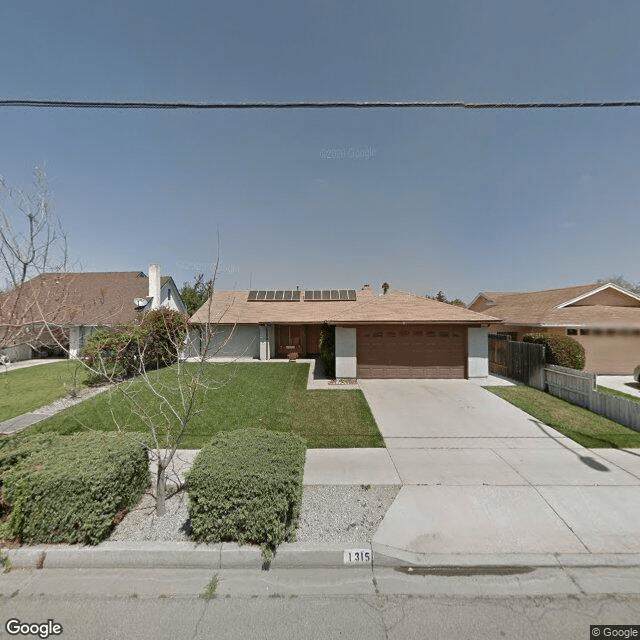
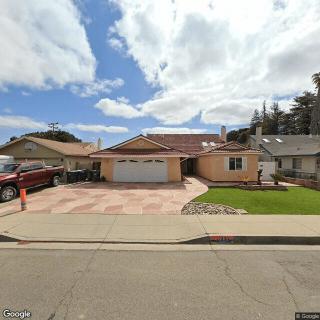
1315 East Alvin Avenue, Santa Maria, CA 93454
For more information about senior living options: (866) 208-4318
Pedflor's Residential Care II Costs & Pricing
Pedflor's Residential Care II offers competitive pricing for its private rooms at $2,500 per month, presenting a significant savings when compared to the average costs in Santa Barbara County, which stand at $3,480, and the broader State of California where the average exceeds $3,939. This affordability makes Pedflor's an attractive option for residents seeking quality care without the burden of excessive expenses. By maintaining lower costs while still providing essential services and support tailored to individual needs, Pedflor's Residential Care II positions itself as a valuable resource for families looking for supportive residential care solutions in a region known for its higher living costs.
| Floor plans | Pedflor's Residential Care II | Santa Barbara County | California |
|---|---|---|---|
| Private | $2,500 | $3,480 | $3,939 |
Assisted Living communities with a similar price nearby
-
from +$495 / mo

Wyndham Residence
$2,995 to $3,300 / month15.1 miles away -
from +$350 / mo

Merrill Gardens At Santa Maria
$2,850 to $3,950 / month0.4 miles away -
from +$300 / mo
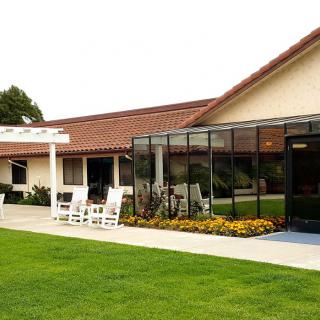
Fountain Square of Lompoc
$2,800 to $4,245 / month21.5 miles away -
About the same
Tradewinds Assisted Living
$2,500 to $3,000 / month22.3 miles away -
About the same
Alejandro's Senior Living
$2,500 to $3,500 / month0.3 miles away
Overall Review of Pedflor's Residential Care II
Pros
 The staff are easy to work with and very nice, and the facility is quiet and clean.
- The caregivers are friendly and genuinely caring for residents.
- The facility is clean, homey, and welcoming with compassionate staff.
- The staff are amazing and take excellent care of residents.
- The kitchen and dining staff do a great job, providing good meals.
- The facility is bright, cheerful, and well-maintained with prompt updates to families.
- The staff are attentive and kind, and residents enjoy activities and socializing in the lobby.
- Senior management is professional and listens to feedback.
- The Terrace allows families to stay together and offers end-of-life support and customizable services, including transportation.
Cons
 They described the facility as horrible, repeatedly emphasizing the negative experience.
- They reported the mom’s room and the floor above her had a constant roach problem.
- They stated the director kept cutting budgets for basic requirements a senior living facility should have.
- They said the food served was appalling and kept being reduced due to budget cuts.
- They claimed the activities staff were overwhelmed because of the many dementia residents needing constant attention, pushing others aside.
- They noted there was no licensed nurse on staff, only a person who had passed a basic nursing test and could sign paperwork.
- They described the director as clueless and selfish, using budget money to improve appearances rather than support the staff, and showing favoritism.
- They observed the director’s office was often closed and returning a call was like pulling teeth.
- They claimed some staff received preferential treatment while others were overwhelmed and underappreciated.
- They warned the facility would say anything to get someone admitted and keep cashing checks as long as the money lasts.
Review
Pedflor’s Residential Care II in Santa Maria is best suited for seniors who want a small, home‑like setting where daily life centers on steady routines, visible caregiver attention, and a genuine sense of community. This community clearly serves residents who need regular assistance with activities of daily living and light medical oversight, but do not require hospital‑level care around the clock. Families seeking straightforward, personable interactions with staff, predictable schedules, and a clean, quiet environment will find the most value here. The overwhelmingly positive observations from multiple reviews point to a setting where caregivers are approachable, residents feel known, and the atmosphere remains warm and unpretentious. For those prioritizing personal connections, reliable updates, and a compact, intimate footprint, Pedflor’s presents a compelling, practical fit.
At the same time, potential residents who demand robust on‑site medical staffing, rigorous governance, and a facility that can demonstrate zero tolerance for environmental or operational missteps should explore alternatives. A single, highly critical review raises red flags about roach infestations, ongoing budget cuts that allegedly affect basic needs (including meals and general upkeep), and a director perceived as disengaged from frontline care. The claim that there is no licensed nurse on site, replaced by staff who can sign paperwork rather than provide medical care, intensifies concerns about medical oversight. Additional notes about favoritism in management and inconsistent responsiveness add another layer of caution. While this account is not the consensus, it is a legitimate reason for families to demand clear, verifiable answers during tours and in post‑admission care plans.
The strongest, recurrent pros across the commentary underscore a caregiver‑driven culture that feels personal and dependable. Caregivers are described as friendly, compassionate, and attentive to residents’ needs, with staff going the extra mile to keep families informed about changes in condition or routine. The environment is repeatedly characterized as clean, safe, and cheerful, contributing to a sense of peace for both residents and their families. Meals are noted as satisfactory, and the facility’s routines, laundry, room upkeep, and housekeeping, come through as reliable, fairly priced services. Transportation assistance to medical appointments and community activities further extend independence and social engagement, while the presence of regular events and opportunities for family involvement keeps the community connected. In short, these pros translate into a practical value: residents experience daily dignity, and families gain reassurance through steady communication and visible, caring staff.
Still, the stated cons cannot be dismissed. The most serious concern centers on the possibility of environmental and operational vulnerabilities, pest control issues and budget decisions that could affect basic care components if budget pressures intensify. The suggestion that a non‑nurse on site limits medical responsiveness is significant for any resident with evolving health needs, and the perceived gap between leadership and frontline staff raises questions about consistency and morale. These factors can erode confidence if left unchecked, particularly for families that prioritize medical oversight, prompt nurse availability, and a governance structure that actively aligns budget with resident care priorities. It is essential to probe how the management team allocates resources, what contingencies exist for staffing shortages, and how quickly concerns are escalated and resolved.
Despite the potential drawbacks, the accumulated positives provide meaningful offset when the center’s strengths are aligned with resident needs. The facility earns credibility from its emphasis on a safe, homey atmosphere where residents form meaningful connections with caregivers and fellow residents. The ability to stay actively engaged through daily activities, social events, and transportation support supports both emotional well‑being and practical independence. Transparent communication, updates to families about changes in care and the day‑to‑day realities of life at the community, adds an important layer of trust. For families who value a close‑knit environment and a staff team that treats residents like people rather than tasks, these advantages are persuasive reasons to consider Pedflor’s as a primary option, provided the medical oversight and operational questions are satisfactorily addressed.
Decision guidance for families weighing Pedflor’s Residential Care II should center on due diligence and clarity. Start with an in‑person tour and request to meet the administrator and the direct care team. Ask for the most recent state inspection report, and specifically review the facility’s pest control history and any remediation steps taken. Verify the on‑site medical staffing plans: Is there a licensed nurse on site or on call, and what happens during evenings and weekends? Review the current care plan for a representative resident and request sample menus, activity calendars, and transportation schedules to gauge consistency and adaptability. Discuss the cost structure in detail: what is included, what carries extra charges, and how price changes are handled over time. Finally, compare with nearby options to ensure a comprehensive choice set; even if Pedflor’s presents a warm, well‑regarded environment, alternatives with different staffing models or governance styles may align better with individual risk tolerance and medical needs. In the hands of a thorough buyer, Pedflor’s stands as a practical, credible choice for Santa Maria families prioritizing warmth, cleanliness, and daily reliability, provided straightforward assurances about medical oversight and operational stability are secured.
 6 resident community capacity
 Assisted Living
 Board and Care Home
 Cable or satellite TV
 Dining room
 Fully furnished
 Garden
 Housekeeping services
 Move-in coordination
 Outdoor space
 Private
 Telephone
 Wi-Fi/high-speed internet available
 Santa Maria Pub Capt G Allan Hancock (5 miles away)
 24-hour supervision
 Activities of daily living assistance
 Assistance with bathing
 Assistance with dressing
 Assistance with transfers
 Diabetes diet
 Meal preparation and service
 Medication management
 Special dietary restrictions
 Transportation arrangement (medical)
 Transportation to doctors appointments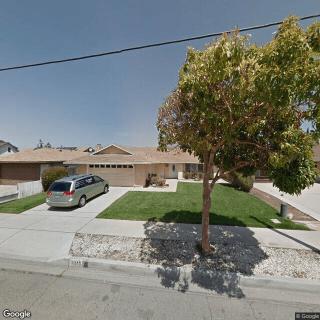



 Vibrant Senior Living: A Comprehensive Guide for Active Older Adults
 When to Transition from Assisted Living to Memory Care: Key Indicators, Steps, and Finding the Right Community
 Assisted Living and Memory Care: Understanding Their Core Differences