
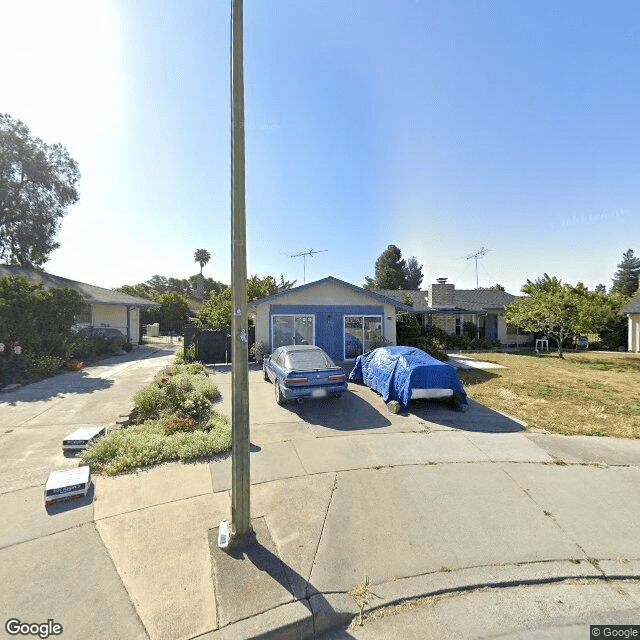
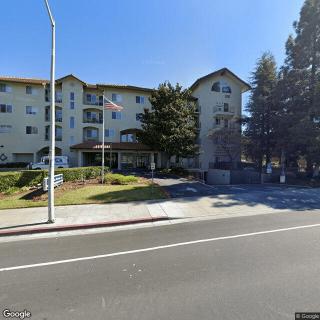
1733 Oldtree Ct, San Jose, CA 95131
To contact a resident: (408) 729-9019
For more information about senior living options: (866) 208-4318
Capitol Villa Care Homes Costs & Pricing
Capitol Villa Care Homes offers competitive rates for its residents, particularly when compared to the broader market in Santa Clara County and across California. For private rooms, Capitol Villa stands out with a monthly cost of $2,500, significantly lower than the county average of $4,096 and the state average of $3,939. The semi-private room options range from $2,500 to $3,500, providing flexibility that remains more affordable than the county's average of $3,943 and California's mean of $3,333. Additionally, studio apartments at Capitol Villa are priced at $2,600 - again favorably positioned against Santa Clara County's average of $5,155 and California's typical rate of $4,145. Overall, these pricing structures reflect Capitol Villa Care Homes' commitment to offering quality care without compromising affordability.
| Floor plans | Capitol Villa Care Homes | Santa Clara County | California |
|---|---|---|---|
| Private | $2,500 | $4,096 | $3,939 |
| Semi-Private | $2,500 to $3,500 | $3,943 | $3,333 |
| Studio | $2,600 | $5,155 | $4,145 |
Memory care communities with a similar price nearby
-
About the same

San Carlos Elms
$2,500 to $5,880 / month22.2 miles away -
from -$278 / mo
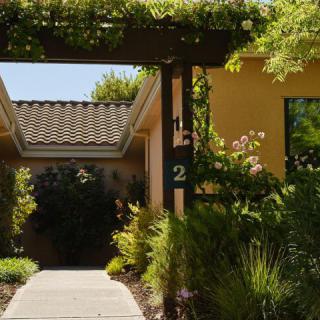
The Forum At Rancho San Antonio
$2,222 / month12.3 miles away -
About the same
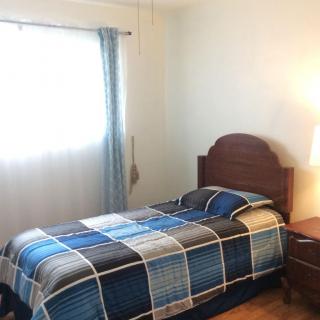
Isherwood Care III
$2,500 to $3,500 / month12.6 miles away -
from +$450 / mo
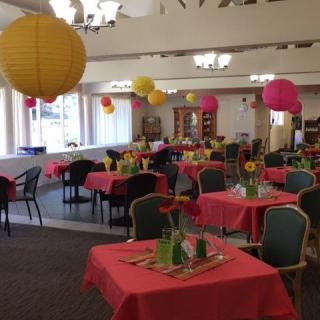
Sunnyside Gardens
$2,950 to $4,450 / month9.3 miles away -
from +$300 / mo
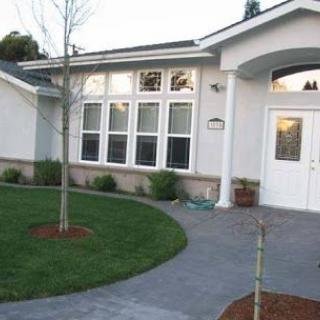
Sweet Little Home
$2,800 to $2,970 / month13.0 miles away
Overall Review of Capitol Villa Care Homes
Pros
 The nursing home is described as the best in the neighborhood.
- Connie is very sweet and filled with the Lord's love.
- She is a blessing to all the old folks.
Cons
 The facility is not a retirement facility for elderly people.
- It is not supervised, and the residents living there are homeless.
- The reviewer gave it a one-star rating only to complete comments.
- The facility deserves a zero rating.
Review
Capitol Villa Care Homes in San Jose is best suited for families seeking a small, home-like setting where a caregiver can deliver deeply personal attention and a faith-forward, comforting atmosphere. This community feels less like a clinical campus and more like a private residence with an intimate feel, which can be highly comforting to seniors who thrive on routine, familiar faces, and meaningful spiritual connection. For elders who require steady, professional supervision, regimented daily schedules, and formal medical oversight, this setting may fall short of expectations and needs. The reality is a bifurcated picture: a warm, human-centered approach on one side, and questions about structure and governance on the other.
Those considering alternatives should weigh the need for clear, regulated supervision against the appeal of a small-scale, person-centered environment. Families prioritizing consistent nursing oversight, medication management, and robust safety protocols would be well advised to compare Capitol Villa with larger licensed facilities that maintain explicit staffing ratios, daily activity calendars, and formal emergency procedures. Memory care, fall prevention programs, and physician-on-call arrangements are also areas where traditional alternatives tend to offer more predictable coverage. In short, if the elder’s care plan depends on predictable regulation and transparent governance, alternatives deserve serious consideration.
On the plus side, the strongest and most durable pro is the human touch. One reviewer described Connie as exceptionally sweet and deeply devoted, “filled with the Lord’s love”, and suggested that residents are genuinely cared for as if they were family. Another reviewer labeled the place as “the best nursing home in the neighborhood,” underscoring a perception that staff members are capable of forging meaningful, affectionate bonds with residents. This level of warmth can translate into meaningful daily moments, better mood, and a sense of belonging that often makes a home-like setting feel restorative, particularly for seniors who respond well to personal attention and spiritual reassurance.
Yet the most salient cons cannot be ignored. A contrasting account portrays a setting without adequate supervision, with residents described as homeless people living on the premises. That description raises serious concerns about safety, daily oversight, and the consistency of care. The tension between a warm, compassionate caregiver relationship and a lack of structural governance creates a high-stakes risk dynamic: the caregiving heart may be present, but the framework to protect residents, staffing coverage, supervision, and regulatory compliance, appears uncertain. This incongruity makes any judgment highly contingent on how much risk tolerance the family is willing to accept in exchange for a small, intimate environment.
Balancing the pros and cons requires a clear view of personal priorities. If the elder prioritizes companionship, spiritual support, and a homelike cadence to days, and the family can accept less formalized supervision, Capitol Villa offers a compelling emotional match. However, the risk signals demand proactive due diligence: verify licensure status and track record, request a transparent explanation of staffing levels and qualifications, review daily routines and emergency response procedures, and insist on an in-person visit to observe interactions, safety measures, and the overall atmosphere. A candid conversation with staff about medical oversight, medication management, and physician access is essential before any commitment.
The bottom line is practical and decisive. Capitol Villa Care Homes can be a strong fit for families seeking a warm, intimate, faith-oriented environment where caregivers deliver personalized attention and residents feel valued. For elders who require reliable, professional supervision, regular medical oversight, or a clearly regulated setting, alternatives should be pursued with equal seriousness. The decision hinges on aligning the elder’s care needs, safety expectations, and personal values with the realities of supervision and governance. If the choice leans toward high-touch companionship and a spiritually nurturing milieu, and the family commits to thorough verification and ongoing oversight, Capitol Villa may prove a meaningful, home-like home. If not, the path toward a more regulated, supervised setting is prudent.
 Board and Care Home
 Memory Care
 Cats allowed
 Dogs allowed
 Activities off-site
 Beautician on-site
 Devotional services on-site
 Outdoor common areas
 Private
 Private bathrooms
 Respite or short term stays offered
 Wheelchair accessible showers
 San Jose International (4 miles away)
 Ambulatory care
 High acuity care
 Incontinence care
 Medication management
 Kosher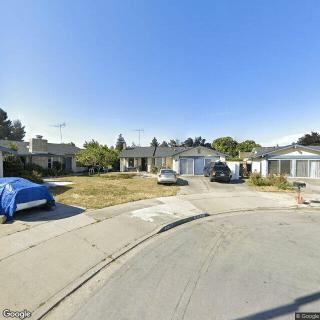



 Understanding the Distinctions: Assisted Living and Memory Care Explained
 How to Communicate with a Loved One Living with Dementia: 10 Supportive Strategies
 Comprehensive Guide to VA Nursing Homes: A Crucial Long-Term Care Resource for Veterans