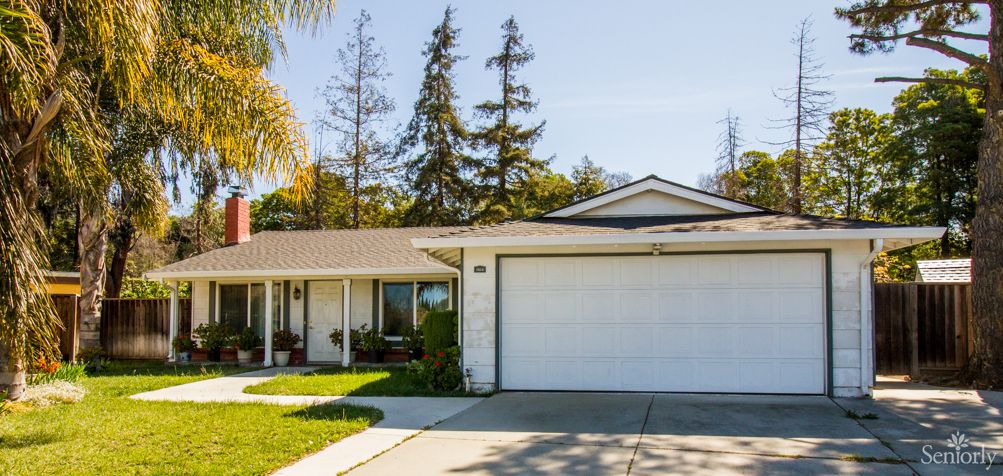
JF Health Care Services in San Jose, CA

Save
JF Health Care Services JF Health Care Services

JF Health Care Services in San Jose, CA

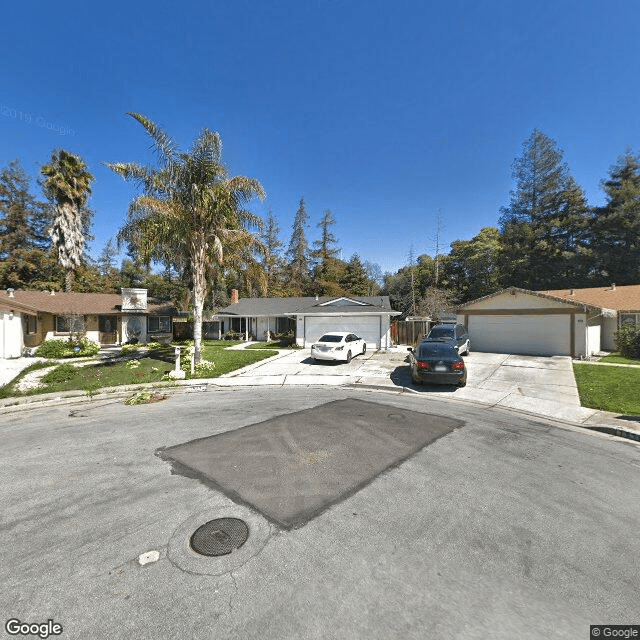
1614 Ralene Place, San Jose, CA 95131

For more information about senior living options: (844) 490-3973

2.2 from 61 reviews
5 stars
11
4 stars
6
3 stars
4
2 stars
5
1 stars
35

Assisted Living Board and Care Home Respite Care

JF Health Care Services Costs & Pricing

JF Health Care Services offers competitive pricing for its room types, with both private and semi-private accommodations priced at $3,500 per month. This rate stands in contrast to Santa Clara County, where the average cost for a private room is approximately $4,096 and $3,943 for a semi-private room. When compared to the broader California averages of $3,939 for private and $3,333 for semi-private rooms, JF Health Care Services demonstrates a strategic positioning that underscores affordability without compromising quality. This pricing structure not only makes JF Health Care Services an appealing option within the region but also reflects its commitment to providing accessible healthcare solutions to the community.

Floor plansJF Health Care ServicesSanta Clara CountyCalifornia
Private$3,500$4,096$3,939
Semi-Private$3,500$3,943$3,333

What level of care are you interested in?

Assisted Living

Memory Care

Independent Living

Skilled Nursing Facility

Continuing Care Retirement Community (CCRC)CCRC

Other


Request a tour at JF Health Care Services

    Overall Review of JF Health Care Services

    Pros

    • pro The staff were kind and respectful.
    • pro The resident was very happy with the service and care she received.
    • pro The caregivers took good care of the residents.
    • pro The physical therapy department was good, and the PTs and OTs were professional and kind.
    • pro Sandra, a CNA, was attentive to residents' care.
    • pro The manager engaged with residents and brightened their day.
    • pro The room was cleaned daily.
    • pro The facility provided meals around the clock for those staying.

    Cons

    • pro They should never leave their loved ones here.
    • pro He suffered every day of his last four weeks because they wouldn't give him the correct medications.
    • pro A cockroach crawled down his oxygen tube three days before he passed.
    • pro They don't care and are understaffed.
    • pro He pressed the red call button gasping for air and nobody came to help.
    • pro The facility should be closed down.
    • pro Skyline does not follow disinfection procedures and is not precautious enough.
    • pro The staff are lazy and ignore residents when called.
    • pro They did not re-dress wounds and allowed him to sit in urine and feces; hygiene was deplorable.
    • pro The facility is infested with German roaches and there are instances of elder abuse and neglect.

    Review

    This community is best suited for families with very limited options who can tolerate substantial care supervision and are prepared to supplement staff efforts with private oversight. In practical terms, it serves as a budget-conscious choice where the primary requirement is a local location and basic daily structure, not a guarantee of reliable medical oversight or consistent hands-on care. For families able to provide or arrange additional support, and who can conduct thorough monitoring, this facility becomes a possible option. For those seeking robust medical management, consistent staff responsiveness, and high-touch dignity, alternatives are strongly recommended.

    Carefully consider alternatives for loved ones with complex medical needs. Several reviews flag persistent, high-stress gaps in nursing attention, timely assistance, and medication management. For residents requiring tight diabetes control, wound care, or acute symptom response, other facilities with stronger nurse staffing, formal wound protocols, and clearer accountability would be safer. Dementia, behavioral challenges, or falls risk are highlighted as areas where care often lags, suggesting that families should not rely on this community for reliable, specialized support. Those whose priorities include consistent communication with physicians and proactive care planning should look elsewhere.

    On the upside, several reviews acknowledge moments of genuine caregiver attention and competent therapeutic services. When staff are present and engaged, CNAs, some nurses, and physical rehabilitation professionals provide practical, compassionate care, and therapy teams can deliver meaningful progress. Cleanliness and meals are inconsistently noted as acceptable, and some visitors report grateful interactions with front-line staff. Where a resident's needs align with the occasional, steady presence of attentive aides, positive experiences can occur. However, these pros are not consistently realized across shifts or patient scenarios, and they fail to counterbalance the more frequent, entrenched safety and care failures.

    The dominant cons are severe and recurring. Chronic understaffing leads to delayed call responses, missed treatments, and inadequate supervision, often described as a failure to heed red flags when a resident is in distress. Medication management inconsistencies, including delays or inappropriate dosing, are repeatedly cited, with consequences ranging from elevated glucose levels to serious safety risks. Wound care and personal hygiene are notable problem areas, with reports of unattended dressings, unsanitary conditions, and neglectful cleaning practices. The facility is also described as poorly equipped and poorly maintained, with infestations and missing personal items intensifying the sense of neglect. Taken together, these patterns create a risk profile that overwhelms whatever sporadic positive interactions can occur.

    From a risk-management perspective, the core question is whether the potential short-term cost savings justify the persistent reliability and safety gaps. The most defensible stance is to view this community as a last-resort option, appropriate only when a family can deploy strong outside oversight, arrange private caregiver support, and actively monitor daily care routines. Prospects for steady improvement are not reliably demonstrated in reviews, and the gravity of elder-care failures observed - exacerbated by reports of abuse, neglect, and life-threatening incidents - makes the case for strong caution. Before choosing, families should seek facilities with verifiable staffing levels, transparent care plans, and independently reviewed quality ratings that align with their loved one's medical needs.

    If the decision leans toward exploring this option, use a rigorous due-diligence checklist: request recent state inspection findings and any escalation histories; tour unannounced, speaking with front-line staff about daily routines; verify nurse-to-patient ratios and the cadence of medication administration; review wound-care protocols, diabetes management practices, and hydration/feeding oversight; insist on a clear grievance process and documented responses; and talk to multiple families about their experiences. In parallel, compare to nearby facilities with higher staffing standards, stronger infection-control reputations, and more consistent caregiver responsiveness. For some families, home-health or a different SNF with demonstrable quality metrics may deliver safer, more predictable outcomes.

    Bottom line: the pattern of care gaps, safety concerns, and reported neglect outweigh any episodic positives. This community is not a reliable choice for most families, especially those with medical fragility or high fall and wound-care risks. Only when priced out of other options and paired with relentless external oversight should it be considered. Families should proceed with extreme caution, demand concrete assurances, and prioritize facilities with proven staffing stability, rigorous medical protocols, and consistently compassionate care.

    Features

    Housing

    • 6 resident community capacity 6 resident community capacity

    Types of Care

    • Assisted Living Assisted LivingAssisted living facilities provide crucial support and care for seniors who may need help with daily tasks such as medication management, bathing, and meal preparation. These communities offer a safe and comfortable environment where seniors can maintain their independence while receiving the assistance they need to thrive in their golden years.
    • Board and Care Home Board and Care HomeBoard and care homes provide a smaller, more intimate setting for seniors who require assistance with daily tasks but do not need the level of care offered by a nursing home. They offer personalized care, meals, and social activities in a homelike environment, ensuring that seniors receive individualized attention and support in their golden years.
    • Respite Care Respite CareRespite care provides temporary relief for caregivers, allowing them to recharge and attend to their own needs. It also gives seniors the opportunity to socialize, receive professional care, and experience a change of scenery, promoting overall well-being and reducing feelings of isolation.

    Amenities

    • Cable or satellite TV Cable or satellite TVCable or satellite TV is important for seniors because it provides entertainment, news, and companionship, helping to combat loneliness and boredom. It also offers a wide range of programming options tailored to different interests and preferences.
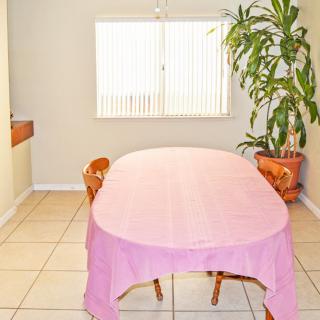
    • Dining room Dining roomDining rooms are important for seniors as they provide a space for socialization, connection, and nutritious meals. They offer opportunities for residents to bond over shared meals, foster a sense of community, and promote healthy eating habits. Dining rooms also ensure that seniors have access to well-balanced meals tailored to their dietary needs and preferences.
    • Fully furnished Fully furnishedFully furnished senior living communities are important for seniors because they provide convenience, comfort, and a hassle-free moving experience. Seniors can easily settle into their new living space without the stress of having to buy and move furniture. This allows them to focus on enjoying their new home and community.
    • Garden GardenGardens are important for seniors as they provide a peaceful and therapeutic environment for relaxation, physical activity, and socialization. Being in nature has been shown to reduce stress, improve mood, and promote overall well-being. Gardens also offer opportunities for seniors to engage in gardening activities, which can improve mobility, flexibility, and cognitive function. Additionally, gardens create a sense of community and connection with others who share a passion for plants and outdoor spaces.
    • Housekeeping services Housekeeping servicesHousekeeping services are important for seniors because they help maintain a clean and safe living environment, promote independence, and reduce the risk of accidents or illnesses. Additionally, having assistance with household chores can alleviate physical strain and allow seniors to focus on other aspects of their well-being.
    • Move-in coordination Move-in coordinationMove-in coordination is important for seniors because it helps ease the transition into their new living environment. It ensures that all logistics, such as packing, organizing movers, and setting up utilities are taken care of, allowing seniors to focus on settling in and adjusting to their new home. Having a smooth move-in process can alleviate stress and anxiety, making the transition smoother and more enjoyable for seniors.
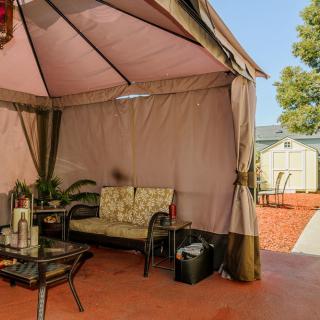
    • Outdoor space Outdoor spaceOutdoor spaces are important for seniors as they provide opportunities for physical activity, social interaction, exposure to natural light and fresh air, and a sense of connection to nature. Having access to outdoor spaces can improve overall well-being and quality of life for older adults living in senior communities.
    • Private PrivatePrivacy is important for seniors as it allows them to maintain their independence, dignity, and sense of control over their own lives. It also gives them the space and freedom to relax, reflect, and engage in activities that bring them joy and fulfillment. Creating private spaces within senior living facilities is crucial for promoting overall well-being and quality of life.
    • Small library Small librarySmall libraries are important for seniors as they provide access to a variety of reading materials, including books, newspapers, and magazines. This can help stimulate their minds, keep them engaged, and provide a sense of community through book clubs and other social activities. Additionally, reading has been shown to improve cognitive function and overall mental well-being in older adults.
    • Telephone TelephoneTelephones are important for seniors as they provide a lifeline for communication with loved ones, emergency services, and healthcare providers. They offer a sense of security and independence, enabling seniors to stay connected and access assistance when needed.

    Transportation

    • San Jose International (4 miles away) San Jose International (4 miles away)

    Care Services

    • 24-hour supervision 24-hour supervision24-hour supervision is important for seniors to ensure their safety, well-being, and access to immediate assistance in case of emergencies or health issues. This constant support provides peace of mind for both seniors and their loved ones, allowing them to age in place with dignity and security.
    • Activities of daily living assistance Activities of daily living assistanceActivities of daily living assistance are important for seniors because they provide essential support with tasks such as eating, bathing, dressing, and mobility. This assistance helps seniors maintain their independence, dignity, and overall quality of life as they age.
    • Ambulatory care Ambulatory care"Ambulatory care services provide essential medical support and treatment to seniors without requiring hospitalization, allowing them to maintain their independence and quality of life while managing chronic conditions or receiving routine medical care."
    • Assistance with bathing Assistance with bathingAssistance with bathing is crucial for seniors as it helps maintain personal hygiene, prevents infections, and ensures their overall well-being and comfort. It also provides a sense of dignity and independence for seniors who may struggle with this task on their own.
    • Assistance with dressing Assistance with dressingAssistance with dressing is important for seniors because it helps maintain their independence, promotes personal hygiene, prevents accidents and injuries, and improves overall quality of life. This service ensures that seniors can continue to dress comfortably and confidently, despite any physical limitations they may have.
    • Assistance with transfers Assistance with transfersAssistance with transfers is crucial for seniors as it helps prevent falls and injuries, maintains their independence, and ensures they can safely navigate their living environment. It also provides peace of mind for both seniors and their loved ones.
    • Diabetes diet Diabetes dietA diabetes diet is crucial for seniors as it helps manage blood sugar levels, reduce risks of complications, and improve overall health and well-being. By following a balanced and nutritious diet tailored to their specific needs, seniors can better control their diabetes and enhance their quality of life.
    • Diabetic care Diabetic careDiabetic care is crucial for seniors as they are more susceptible to developing diabetes due to aging and other health conditions. Proper management of diabetes can help prevent complications such as heart disease, vision loss, and nerve damage, improving the overall quality of life for seniors in senior living communities.
    • High acuity care High acuity careHigh acuity care is important for seniors because it provides specialized medical attention and support for individuals with complex medical needs. This level of care ensures that seniors receive the appropriate treatment and assistance to maintain their health and quality of life as they age.
    • Incontinence care Incontinence careIncontinence care is essential for seniors to maintain their dignity, hygiene, and overall quality of life. By addressing incontinence issues promptly and effectively, seniors can enjoy a sense of independence and comfort in their daily activities.
    • Meal preparation and service Meal preparation and serviceMeal preparation and service are crucial for seniors as they may have limited mobility or energy to cook nutritious meals. Having access to healthy and convenient food options can ensure they are getting the proper nutrition needed to maintain their overall health and well-being.
    • Medication management Medication managementMedication management is crucial for seniors to ensure they are taking the right medications at the correct dosages and times. This helps prevent adverse drug interactions, reduces the risk of medication errors, and promotes overall health and well-being. Proactive management also allows for adjustments as needed based on changing health conditions or new prescriptions.
    • Special dietary restrictions Special dietary restrictionsSpecial dietary restrictions are important for seniors because age-related changes in metabolism and health conditions can make it difficult for their bodies to process certain foods. By following a diet tailored to their specific needs, seniors can maintain their overall health and well-being, manage chronic conditions, and reduce the risk of complications such as malnutrition or food interactions with medications.

    Dining

    • Diabetes diet Diabetes dietA diabetes diet is crucial for seniors as it helps manage blood sugar levels, reduce risks of complications, and improve overall health and well-being. By following a balanced and nutritious diet tailored to their specific needs, seniors can better control their diabetes and enhance their quality of life.
    • Special dietary restrictions Special dietary restrictionsSpecial dietary restrictions are important for seniors because age-related changes in metabolism and health conditions can make it difficult for their bodies to process certain foods. By following a diet tailored to their specific needs, seniors can maintain their overall health and well-being, manage chronic conditions, and reduce the risk of complications such as malnutrition or food interactions with medications.

    Activities

    • Community-sponsored activities Community-sponsored activitiesCommunity-sponsored activities are important for seniors as they provide opportunities for social interaction, mental stimulation, and physical activity. These activities can help improve overall well-being, combat loneliness and isolation, and promote a sense of belonging and purpose among older adults.
    • Scheduled daily activities Scheduled daily activitiesScheduled daily activities are important for seniors because they provide structure, socialization, mental stimulation, and physical activity. Engaging in regular activities can improve overall well-being and quality of life for seniors living in a community setting.

    Description

    JF Health Care Services in San Jose, CA is an assisted living community that offers a range of care services to meet the individual needs of its residents. The community provides both board and care home options as well as respite care for short-term stays.

    Residents of JF Health Care Services can enjoy a variety of amenities designed to enhance their comfort and convenience. These include a spacious dining room where nutritious meals are served, fully furnished living spaces, a beautiful garden area, housekeeping services to maintain cleanliness, and move-in coordination assistance for a smooth transition. The community also offers outdoor spaces for residents to relax and enjoy fresh air, along with a small library and telephone access.

    The dedicated care staff at JF Health Care Services is trained to provide assistance with activities of daily living such as bathing, dressing, and transfers. They also offer specialized care for individuals with diabetes including diabetic diets and management. The community caters to high acuity needs and provides incontinence care when necessary. Medication management services are available to ensure residents receive their required medications on schedule.

    Special dietary restrictions can be accommodated at JF Health Care Services, ensuring that all residents' nutritional needs are met. Additionally, the community organizes scheduled daily activities to promote engagement and social interaction among residents.

    Located in San Jose, this assisted living community benefits from its proximity to various amenities in the area. There are several cafes, parks, pharmacies, physicians, restaurants, transportation options, places of worship nearby for easy accessibility. Also nearby are theaters and hospitals providing additional entertainment options and healthcare accessibility.

    With its comprehensive care services, comfortable amenities, and convenient location near essential facilities in San Jose, JF Health Care Services is an ideal choice for individuals seeking compassionate assisted living accommodations.

    Nearby Places of Interest

    This part of San Jose, California offers a variety of amenities and services that would be beneficial for senior living. With several parks nearby such as Cataldi Park, Townsend Park, and Penitencia Creek Park, residents can enjoy outdoor activities and stay active. There are also convenient options for dining with restaurants like Pho Kim Long, Dave & Buster's, and BJ's Restaurant & Brewhouse in close proximity. In terms of healthcare, there are pharmacies like CVS Pharmacy and Walgreens available for medication needs, as well as hospitals like Carbon Health and O'Connor Hospital for medical emergencies. Transportation is easily accessible with the Milpitas BART Station and Norman Y. Mineta San Jose International Airport located nearby. For leisure and entertainment, there are theaters such as Century 20 Great Mall and XD, as well as cafes like Roy's Station Coffee & Tea for socializing. Overall, this area provides convenient access to essential services for seniors looking to live comfortably in San Jose.

    Parks

    • Cataldi Park (0.6 miles)
    • Townsend Park (1.1 miles)
    • Penitencia Creek Park (1.5 miles)
    • Murphy Park (2.1 miles)
    • Reed Street Dog Park (4.7 miles)
    • San Jose Municipal Rose Garden (5.3 miles)
    • Frank M Santana Park (6.6 miles)

    Restaurants

    • Pho Kim Long (1 miles)
    • Dave & Buster's (2 miles)
    • In-N-Out Burger (3.3 miles)
    • Jack's Bar & Lounge (3.3 miles)
    • In-N-Out Burger (4.1 miles)
    • BJ's Restaurant & Brewhouse (4.2 miles)
    • Flames Eatery & Bar (4.2 miles)

    Pharmacies

    • CVS Pharmacy (1.1 miles)
    • Walgreens (1.2 miles)
    • Elemental Wellness (2.3 miles)
    • Walgreens (2.4 miles)
    • Walgreens (2.7 miles)
    • CVS Pharmacy (2.8 miles)
    • Walgreens (2.9 miles)

    Transportation

    • Milpitas BART Station (1.3 miles)
    • Norman Y. Mineta San Jose International Airport (SJC) (3.5 miles)
    • The Club at SJC (3.5 miles)
    • Terminal A (3.5 miles)
    • Santa Clara Caltrain Station (4.5 miles)
    • Santa Clara Transit Center (4.5 miles)
    • San Jose Diridon Station (4.8 miles)

    Hospitals

    • Carbon Health (1.8 miles)
    • O'Connor Hospital (5.8 miles)
    • Valley Medical Center Clinic (6.4 miles)
    • Valley Health Center Bascom (6.4 miles)

    Theaters

    • Century 20 Great Mall and XD (2 miles)
    • AMC Mercado 20 (5.9 miles)

    Physicians

    • Regional Medical Center (2.7 miles)
    • San Jose Medical Center (3.6 miles)
    • Abbott Vascular (6.1 miles)
    • Palo Alto Medical Foundation (6.3 miles)
    • Golden Hills Optometry (6.3 miles)
    • South Bay Allergy and Asthma Group (6.3 miles)
    • Santa Clara Valley Speciality Center (6.4 miles)

    Cafes

    • Roy's Station Coffee & Tea (3.4 miles)
    • Starbucks (4.3 miles)
    • Nirvana Soul (4.5 miles)
    • Starbucks (4.7 miles)
    • Starbucks (5 miles)
    • Starbucks (5.5 miles)

    Places of Worship

    • Calvary United Methodist Church (4.8 miles)

    Frequently Asked Questions

    How much does it cost to live at JF Health Care Services in San Jose, CA?
    Where is JF Health Care Services?

    Nearby Communities

    • Mother's Nest Home Care

      Mother's Nest Home Care

      San Jose, CA


      pro Compassionate, home-like care with strong access to healthcare and nearby amenities.
    • Vilmar II Residential Care

      Vilmar II Residential Care

      San Jose, CA


    • Capitol Villa Care Homes

      Capitol Villa Care Homes

      San Jose, CA

      3 from 2 reviews
      $2,500 to $3,500 / month

      pro Memory-care focused services and on-site amenities.

    • Capitol Vila

      Capitol Vila

      San Jose, CA

      3.9 from 10 reviews
      $2,000 to $3,500 / month

      pro Private rooms at an affordable price; caring staff with diabetes-focused care; flexible short-term stays; pleasant outdoor space.

    • Michiko En Care Home

      Michiko En Care Home

      San Jose, CA


      pro Personalized care with 24-hour supervision and diabetes-friendly meals

    • Cataldi Manor

      Cataldi Manor

      San Jose, CA

      4 from 4 reviews
      $3,000 to $4,500 / month

      pro Friendly staff and well-maintained, welcoming environment.

    • Westmont of Milpitas

      Westmont of Milpitas

      Milpitas, CA

      4.3 from 79 reviews
      $2,295 to $6,395 / month

      pro Friendly staff and clean, affordable apartments.

    • Essential Care - Santa Clara

      Essential Care - Santa Clara

      Santa Clara, CA

      4.4 from 76 reviews
       

      pro Friendly, helpful staff with a clean, organized facility and healthy meals.

    • Sonnet Hill Senior Living

      Sonnet Hill Senior Living

      San Jose, CA

      4.7 from 25 reviews
       

      pro Warm, personalized care with individualized plans in a modern, clean environment.

    Related Resources

    • assisted living vs skilled nursingExploring the Contrasts Between Assisted Living and Skilled Nursing

      The article compares assisted living and skilled nursing facilities, detailing their differing levels of assistance, medical support, cost structures, and day-to-day experiences. It emphasizes that assisted living is for those needing help with daily activities while maintaining independence, whereas skilled nursing facilities provide intensive medical care with 24-hour staff supervision.

    • when to move from assisted living to nursing home8 Key Indicators That Suggest It May Be Time to Transition from Assisted Living to Skilled Nursing Care

      The transition from assisted living to skilled nursing care is often prompted by complex medical needs that assisted living cannot meet, with key indicators including frequent health declines, increased falls, severe memory issues, and caregiver burnout. Families should recognize these signs early to discuss options with healthcare providers and prepare for the emotional and logistical aspects of moving to a facility that offers comprehensive medical support.

    • active senior livingVibrant Senior Living: A Comprehensive Guide for Active Older Adults
      Vibrant Senior Living emphasizes active senior living communities that promote independence and engagement through diverse amenities and activities, fostering wellness and social interaction among older adults. These communities range from independent to assisted living, with a focus on personal growth, family involvement, financial planning, and leveraging technology to enhance residents' experiences.


    Get Pricing Ask A Question Schedule A Tour Contact Senior Advisor