
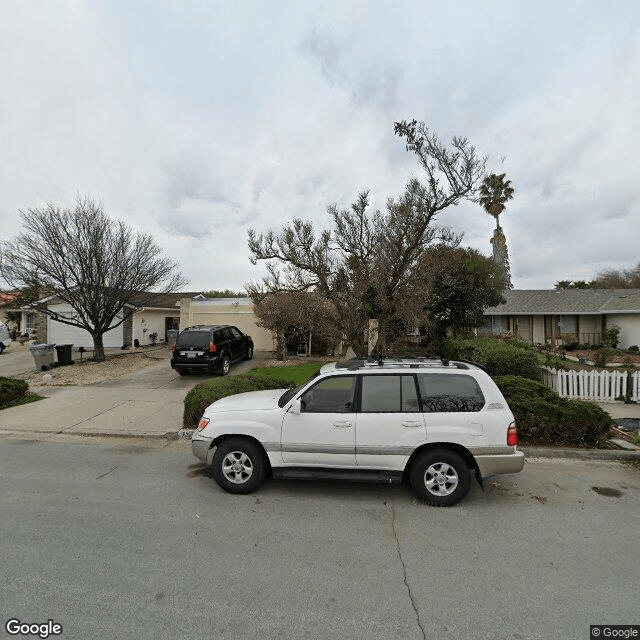
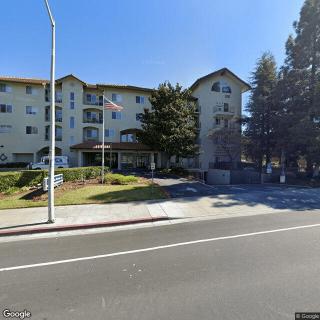
1697 Ramstree Dr, San Jose, CA 95131
To contact a resident: (408) 929-7132
For more information about senior living options: (866) 208-4318
Overall Review of Vilmar II Residential Care
Pros
 The staff provides tender loving care, with everyone smiling and cheering on residents.
- Vickie and Rowena's physical therapy helped residents walk again.
- Hector, Carl, and Sonny are described as knights in shining armor with strong arms.
- Jessica and Emily are the chaos coordinators in the activity room, keeping things lively.
- April, Jane, and Lydia ensure residents are comfortable.
- Veronica and many others cared for the residents, making them feel valued.
- Empress Care Center is clean, welcoming, and staffed by exceptionally caring and attentive professionals.
- The facility consistently shows a positive atmosphere and genuine concern for residents’ welfare.
Cons
 The reviewer reports a bad experience at the facility involving their mother.
- The reviewer notes that the mother could not move her arm, it was swollen, no doctor was called, and she was left alone all night.
- The staff did not document the complaint.
- The office reportedly could not hold a bed for the reviewer’s mother due to lack of secondary insurance and failed to inform them about the arm immobility.
- The reviewer does not recommend Empress Care Center.
- A patient was neglected for over an hour at night when needing the bathroom, causing a fall and readmission to the hospital, with later infection results contradicting earlier test conclusions.
- The service was rude and dismissive, and communication was poor, with staff not providing feedback after inquiries.
Review
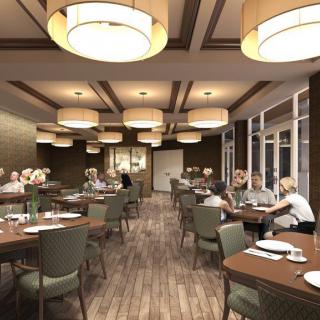
Vilmar II Residential Care in San Jose is best suited for seniors who prioritize an engaged rehabilitation track and a warm, home-like atmosphere where staff are consistently described as kind, attentive, and uplifting. The strongest draw is the rehab-oriented approach: residents frequently praise the physical therapy team for helping them regain mobility and confidence, with therapists and support staff often framed as the motiving force behind meaningful progress. The environment also emerges as welcoming and tidy, with residents and families noting cheerful, encouraging interactions and spaces, such as resident-centered activity areas and thoughtfully cared-for common spaces, that support social connection and daily engagement.
Those who may want to consider alternatives are primarily families for whom flawless medical oversight and unflinching reliability in urgent situations are non-negotiable. Several reviews point to inconsistencies in responsiveness and communication, and there are troubling anecdotes about delays in recognizing or escalating medical concerns. When a resident experiences pain, new symptoms, or changes in condition, the expectation is for prompt assessment and clear documentation; in some cases, that standard appears not to have been met. For caregivers who cannot tolerate gaps in care escalation or who must rely on rapid, well-coordinated medical attention, a facility with a more consistently documented and tightly managed clinical process may be a wiser choice.
The primary positives, compassionate staffing, a lively social environment, and a robust rehabilitation program, do offset some of the drawbacks, but not uniformly across all scenarios. Families whose loved ones have good ongoing therapy needs but stable medical status can weigh the strong PT/OT results and the evident dedication of many caregivers against the less predictable non-therapy care issues. The same warmth that fuels residents’ daily routines also helps sustain morale, engagement, and a sense of home, which matters deeply for quality of life when daily routines revolve around therapy schedules, meals, and social activities.
However, the mix of experiences gives pause for families weighing long-term stability. Several accounts describe slow service, repeated asks for basic needs, and frustrations with communication that can leave residents feeling overlooked. There are explicit concerns about safety and medical responsiveness, including a notable incident where a resident’s new inability to move a limb was not promptly escalated or adequately communicated to the medical team, followed by questions about documentation and nurse follow-through. Additional anecdotes describe rude interactions and inconsistent handling of practical requests, such as supplies and basic care coordination. Taken together, the latter issues erode confidence in a facility that otherwise shows promise in its rehabilitative and social offerings.
In evaluating Vilmar II, families should adopt a structured, questions-forward approach. During visits, interview front-line staff and nurses about response times, bedside care routines, and how care plans are updated and communicated to families. Request recent incident logs and ask how concerns are escalated and tracked, then compare those processes with peers in the market. Verify the availability and visibility of a formal grievance mechanism, and inquire about staffing levels across shifts to understand how consistent attention is delivered during evenings and weekends. A tour should include conversations with therapists, caregivers, and activity coordinators to gauge whether the daily rhythm feels genuinely resident-centered and whether communications feel clear and respectful.
The bottom line is clear: Vilmar II can be an excellent fit for seniors who value a vibrant, rehab-forward environment and genuine caregiver warmth, with a willingness to tolerate some variability in non-therapy care and communication. For families whose priorities include uniformly flawless medical oversight, consistent staff responsiveness, and unambiguous accountability, stronger alternatives should be explored. A thorough, candid visit paired with a careful review of incident handling and staff responsiveness will reveal whether this community’s strengths can consistently outweigh its shortcomings for a given loved one’s needs.
 Board and Care Home
 San Jose International (3 miles away)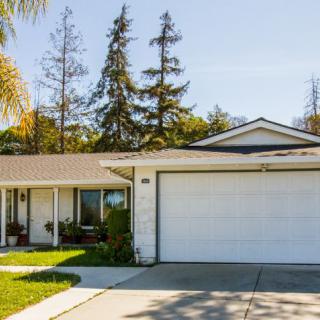



 Navigating the Tax Landscape of Caregiving: Credits, Deductions, and Beyond
 Highly Beneficial Low-Impact Exercises for Senior Living Residents
 Is In-Home Healthcare Tax Deductible? Your Comprehensive Guide