

6288 Wenrich Drive, San Diego, CA 92120
To contact a resident: (619) 913-2666
For more information about senior living options: (866) 208-4318
Del Cerro Assisted Living Costs & Pricing
Del Cerro Assisted Living offers competitive pricing for its residents, with monthly costs significantly lower than both San Diego County and the broader California averages. For a studio or one-bedroom unit, Del Cerro charges $3,400, while the county averages are $4,217 and $4,315 respectively. Additionally, their private rooms are priced at the same reasonable rate of $3,400, compared to the county's average of $3,939. These favorable rates not only make Del Cerro an attractive option for those seeking assisted living services but also reflect their commitment to providing quality care without compromising on affordability in a region where costs can be daunting.
| Floor plans | Del Cerro Assisted Living | San Diego County | California |
|---|---|---|---|
| Studio | $3,400 | $4,217 | $4,145 |
| 1 Bedroom | $3,400 | $4,315 | $4,340 |
| Private | $3,400 | $3,939 | $3,939 |
Memory care communities with a similar price nearby
-
from -$550 / mo
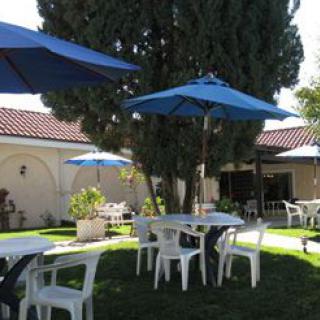
Alpine View Lodge
$2,850 to $3,550 / month16.2 miles away -
from -$200 / mo

Wellspring Assisted Living
$3,200 to $4,000 / month3.0 miles away -
About the same
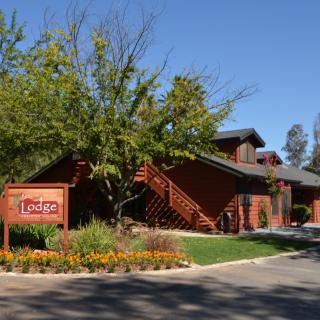
Ramona Senior Lodge Assisted Living
$3,500 to $5,500 / month17.1 miles away -
from -$600 / mo
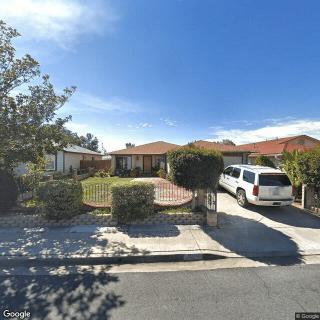
Carecenter at Home for Elderly
$2,800 to $3,500 / month7.0 miles away -
from -$200 / mo
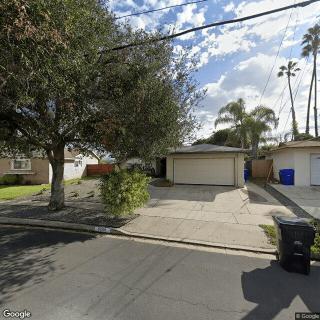
Baron's Residential Care Inc. - Lodi Gardens
$3,200 to $4,000 / month8.4 miles away
Overall Review of Del Cerro Assisted Living
Pros
 The staff provide wonderful and caring care.
- The hospice team meets her needs promptly and with reassurance.
- They communicate quickly and offer reassurance for all of her needs.
- The staff caring for the mom go above and beyond.
- The home is always clean and the meals are made fresh.
Review
Del Cerro Assisted Living in San Diego is best suited for families seeking an intimate, attentive care setting for an elderly loved one who requires consistent caregiving support and hospice coordination. The community shines when daily life hinges on reliable communication, warmth from a devoted care team, and a home-like environment rather than a large, impersonal campus. The standout dynamic is how the staff respond to needs with immediacy and care. The testimony centers on caregivers such as Nikki, Jenni, and Abhy, whose willingness to intervene with the hospice team, address concerns, and ensure comfort translates into tangible peace of mind for families. Cleanliness and fresh meals further underscore the everyday quality of life here.
Those who should consider alternatives are families requiring more formal medical oversight, specialized memory-care programming, or a larger community with a broader activity slate. Del Cerro appears optimized for personal attention and smooth caregiver-family communication rather than for high-acuity clinical services or extensive, structured enrichment programs. If the priority is a place with robust 24/7 medical staffing, or a program designed for advanced dementia needs, another option may deliver a more comprehensive care framework. Budget sensitivity, desired independence, or a preference for a more institutional setting are also reasons to shop around. The right choice hinges on whether intimate, responsive care or expansive professional resources matters more to the resident’s trajectory.
On the upside, the most meaningful advantages are palpable: staff who go above and beyond, quick and transparent communication, and reassurance that the resident’s needs will be met. The proven ability to coordinate with hospice teams within the same walls reduces confusion and delays at critical moments, a comfort for worried families. A consistently clean home environment and meals prepared fresh each day reinforce daily dignity and normalcy. When potential downsides of a smaller setting surface, less breadth of programming or slightly slower adaptation to unusual medical requests, the demonstrable attentiveness of Nikki, Jenni, Abhy, and the rest of the team largely neutralizes these concerns by delivering tailored, compassionate responses every time.
This combination of attentiveness and home-like comfort translates into tangible outcomes: residents feel seen and staff can anticipate needs before requests are made, which lowers stress for both residents and families. The overall atmosphere lends itself to steady routines, reduced anxiety during transitions, and confidence that care decisions are made with family input. The hospice coordination here is not a footnote but a core competency, medication oversight, symptom management, and end-of-life conversations are integrated smoothly rather than tacked on as add-ons. Cleanliness and daily freshness of meals become levers that support nutrition and mood, reinforcing an ecosystem where comfort and safety are the baseline.
Decision-makers should map their priorities against these strengths: if the priority is a warm, responsive care team that communicates promptly and coordinates medical needs effectively, Del Cerro delivers with credibility. If, alternatively, a resident needs extensive memory-care programming, aggressive clinical oversight, or a sprawling array of daily activities, a different community may offer a better fit. Potential residents will want to probe staffing ratios, hospice integration specifics, meal options, and how flexibility is handled during medical fluctuations. The evaluation should weigh the emotional relief offered by dedicated caregivers against any desire for broader programming or more formal medical infrastructure.
In sum, Del Cerro Assisted Living stands out for families who value hands-on, compassionate care delivered in a clean, homey setting, with a proven ability to collaborate with hospice partners to meet evolving needs. It is not the pick for those seeking high-acuity medical management or expansive social calendars. For families ready to prioritize trust, responsiveness, and daily dignity, a visit with the staff and an careful discussion of care plans will confirm alignment, while a candid comparison with alternatives will ensure the choice aligns with long-term goals and resources.
 Board and Care Home
 Memory Care
 Activities on-site
 Devotional services off-site
 Indoor common areas
 Private
 San Diego International-Lindbergh (8 miles away)
 Ambulatory care
 Diabetic care
 Meals provided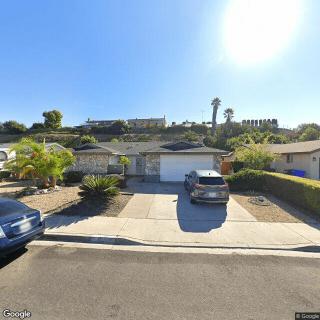


 When to Transition from Assisted Living to Memory Care: Key Indicators, Steps, and Finding the Right Community
 Understanding the Distinctions: Assisted Living and Memory Care Explained
 How to Communicate with a Loved One Living with Dementia: 10 Supportive Strategies