
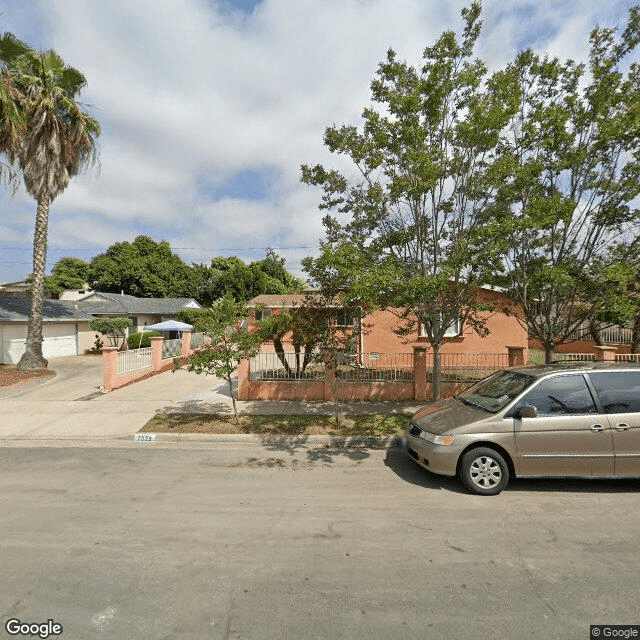
7029 Hillsboro Street, San Diego, CA 92120
For more information about senior living options: (866) 208-4318
Golden Sunset Residential II Costs & Pricing
Golden Sunset Residential II offers competitive pricing compared to both San Diego County and the broader state of California. For semi-private accommodations, residents can expect a monthly cost of $2,500, significantly lower than the county average of $3,518 and the state average of $3,333. Private rooms are also attractively priced at $3,000 each month, aligning closely with San Diego County's rate of $3,939. Furthermore, for those seeking one-bedroom apartments, Golden Sunset maintains an appealing rate of $3,000 - again more affordable than the county's average of $4,315 and just shy of the state's average of $4,340. This positioning highlights Golden Sunset Residential II as a cost-effective choice in a competitive market.
| Floor plans | Golden Sunset Residential II | San Diego County | California |
|---|---|---|---|
| Semi-Private | $2,500 | $3,518 | $3,333 |
| 1 Bedroom | $3,000 | $4,315 | $4,340 |
| Private | $3,000 | $3,939 | $3,939 |
Memory care communities with a similar price nearby
-
from +$350 / mo

Alpine View Lodge
$2,850 to $3,550 / month16.5 miles away -
from +$300 / mo
Carecenter at Home for Elderly
$2,800 to $3,500 / month7.7 miles away -
About the same
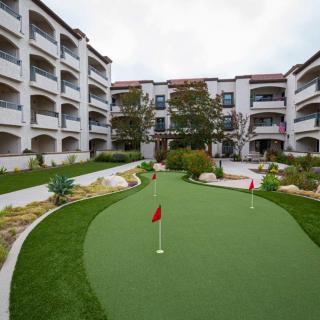
Casa De Las Campanas
$2,542 to $25,000 / month17.3 miles away -
About the same
Woodland Borden Care
$2,500 to $3,000 / month24.9 miles away -
from +$400 / mo
Pacifica Senior Living Escondido
$2,900 to $3,200 / month23.1 miles away
Overall Review of Golden Sunset Residential II
Pros
 The price is described as “Only $2200,” suggesting good value.
- There is an opportunity to see the director on Saturdays or Sundays, described as a perk.
Cons
 Michael will not return calls and emails.
- The May 12 tour is overpriced at $2,200 and access to the director is restricted to Saturdays or Sundays.
Review
Golden Sunset Residential II is best suited for seniors who prioritize affordability within a San Diego setting and are comfortable with a small, less-to-the-staff dynamic. The price point around $2,200 stands out in a market where monthly costs can creep higher, and the tone of the community appears more intimate than large-scale operators. This option can work well for someone who wants a straightforward, low-friction housing arrangement and who does not demand instant responses from a sprawling administrative team. In short, it is a practical pick for budget-driven moves where the resident is confident in handling a slower wait for answers and decisions.
Those who may want to consider alternatives are prospective residents who rely on consistent, prompt follow-through from staff and leadership. If rapid communication, clear timelines, and proactive outreach are non-negotiables, this community may fall short. Families and residents who value transparent pricing, visible scheduling, and regular updates about programming or maintenance will want to compare other options with more robust resident services and steadier correspondence. The absence of consistent responsiveness can quickly erode confidence during a transition to care-focused living.
The most tangible upside here is the affordability coupled with potential access to leadership on a limited but direct basis. A low monthly cost means fewer financial pressures, which matters when funds are stretched by care needs. The weekend visibility of the director, as noted in the tour context, can be helpful for people seeking quick answers to practical questions about move-in timelines, contracts, or service inclusions. That direct line to leadership can shorten decision cycles for those who can align with a weekend-based contact pattern. When these elements align, the experience can feel personal and straightforward rather than bureaucratic.
However, the negatives cannot be ignored, and they directly offset the perceived upside. The most persistent Red Flag is irregular responsiveness from the primary contact, described in one account as a pattern of not returning calls or emails. In a setting where timely information translates to smoother transitions, especially for new residents, this lack of reliability undermines trust and complicates planning. Additionally, if the only opportunities to meet the director are limited to weekend windows, critical questions about staffing, programming, and daily support may remain unsettled for longer than desirable. These factors collectively tilt the balance toward caution, unless the expected savings and the comfort of the environment outweigh the uncertainties.
Practical decisions should center on a few concrete tests before committing. Seek a written communication plan that guarantees timely follow-up, with defined timelines for responses to inquiries and move-in questions. Request a full, itemized breakdown of what the $2,200 covers, including any additional fees, services, or deposits, so the total monthly cost is crystal clear. Talk to current residents or families about their experiences with communication, maintenance responsiveness, and daily life in the community. If possible, arrange multiple visits at different times to observe how staff handle questions and how ease of access to leadership actually feels on the ground. These steps transform ambiguity into measurable criteria.
In the end, Golden Sunset Residential II presents a pragmatic, cost-conscious option for seniors who prize affordability and a quiet, intimate setting, with the potential upside of direct access to leadership on weekends. The decision hinges on how heavily reliance on consistent, proactive communication weighs versus the savings realized. For families or residents who require steady follow-up, transparent operations, and dependable day-to-day support, alternatives with stronger management responsiveness are advisable. For those who can tolerate the trade-offs and want to maximize value without sacrificing essential comfort, this community deserves a focused, careful evaluation rather than a quick yes.
 6 resident community capacity
 Assisted Living
 Board and Care Home
 Memory Care
 Respite Care
 Activities on-site
 Cable or satellite TV
 Devotional services off-site
 Dining room
 Fully furnished
 Garden
 Housekeeping services
 Indoor common areas
 Move-in coordination
 Outdoor common areas
 Private
 Private bathrooms
 Telephone
 Wheelchair accessible showers
 Wi-Fi/high-speed internet available
 San Diego International-Lindbergh (8 miles away)
 24-hour supervision
 Ambulatory care
 Assistance with bathing
 Assistance with dressing
 Assistance with transfers
 Diabetes diet
 Diabetic care
 High acuity care
 Incontinence care
 Meal preparation and service
 Medication management
 Special dietary restrictions
 Transportation arrangement (medical)
 Transportation to doctors appointments

 Comprehensive Insights on the Late Stages of Dementia: What to Expect and How to Provide Care
 Medications Associated with Dementia Risk: A Comprehensive Overview
 Guiding Your Journey: Understanding Power of Attorney for Elderly Parents