



Courtyard Terrace in Sacramento, CA

Save

  • Interior

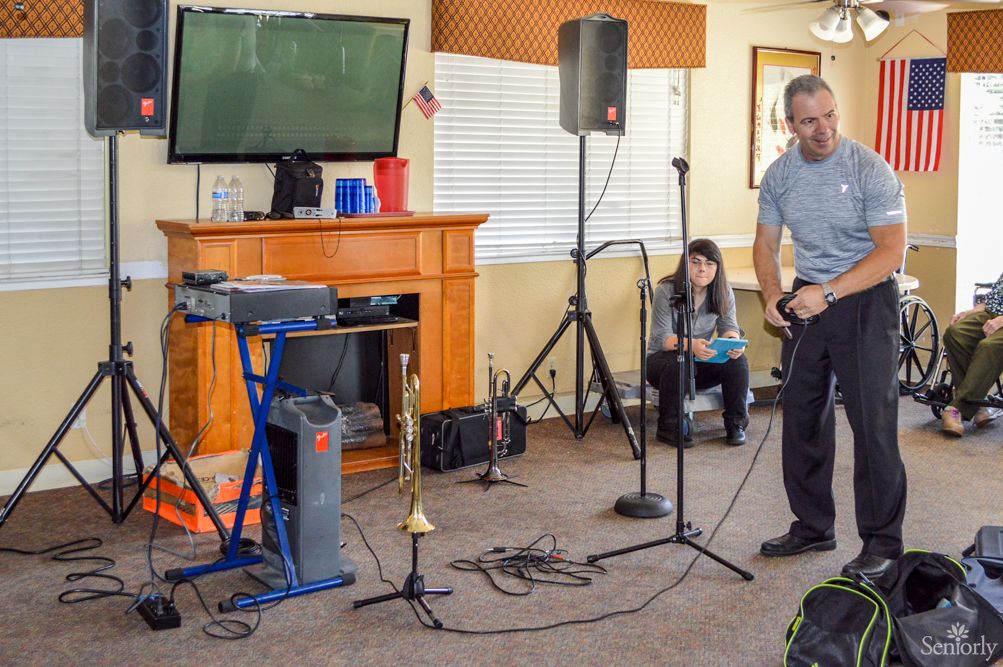
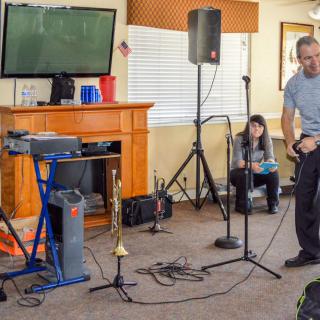
    A music performance setup with instruments and microphones in an indoor space.
  • Outdoors

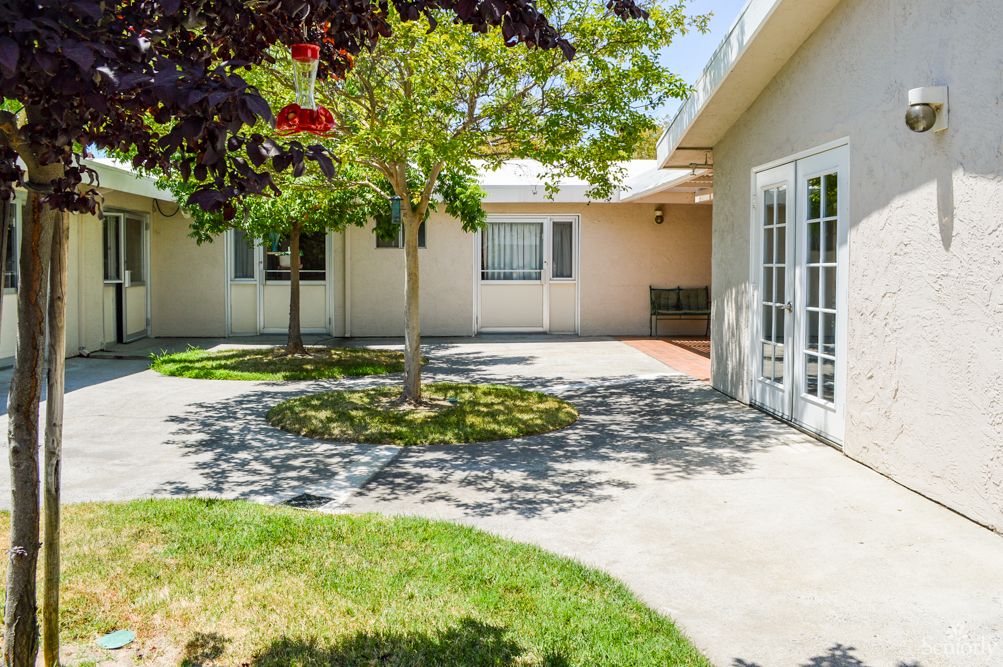
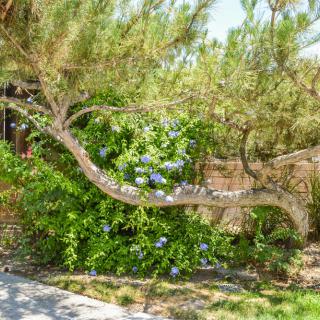
    A lush garden with a tree and flowering bushes.
  • Decor

    A decorative butterfly adorns the door with a 'SALON' sign.
  • Building

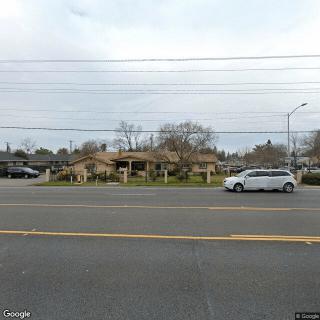
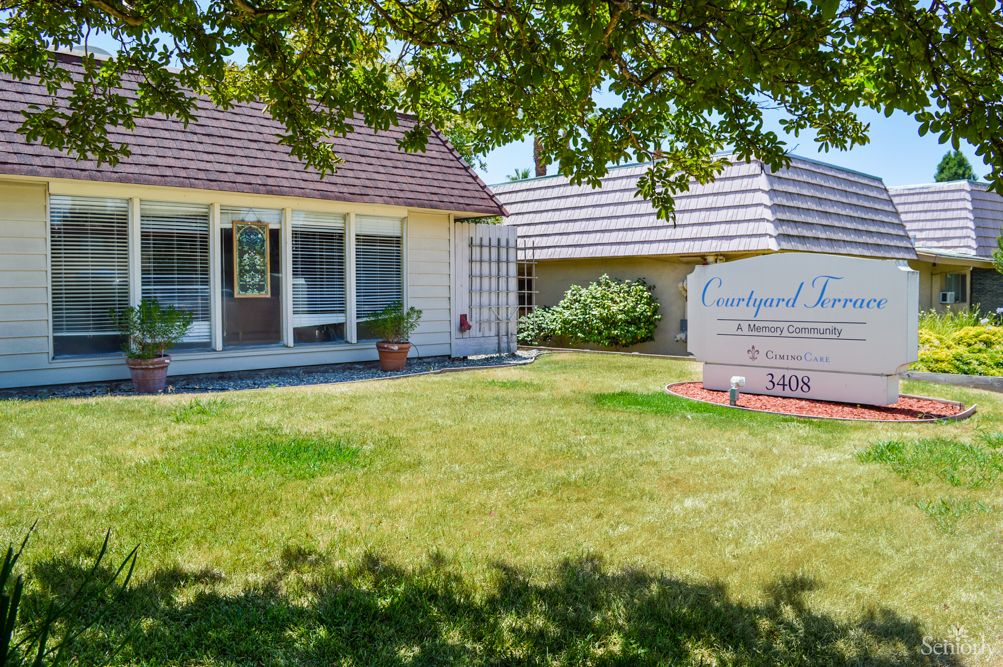
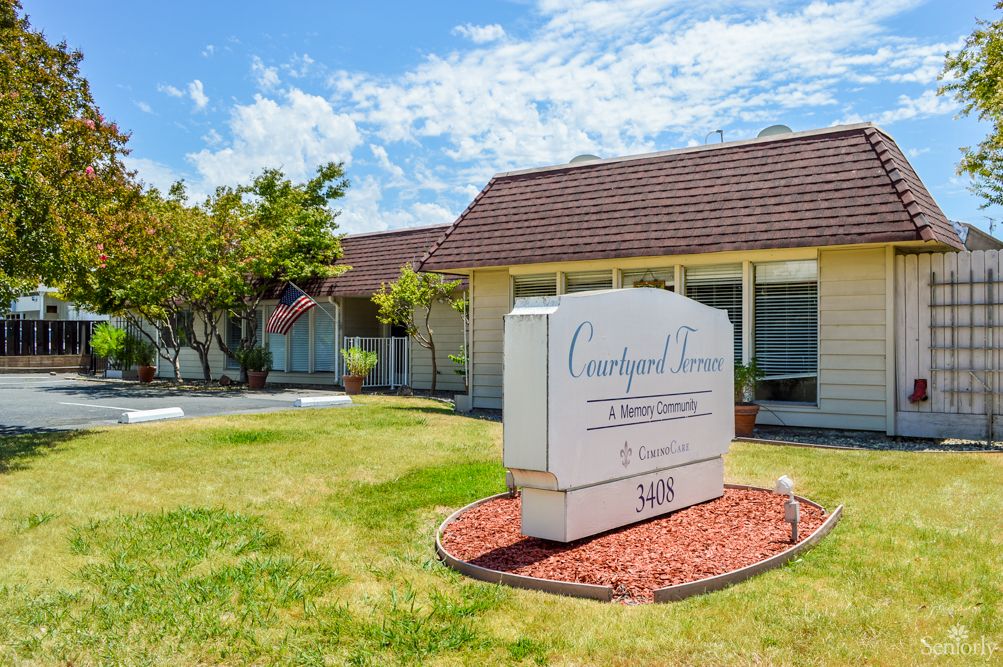
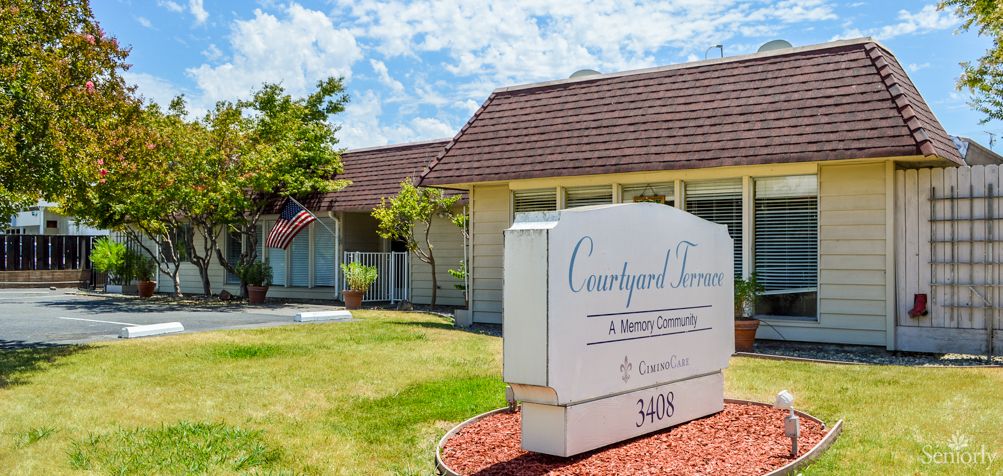
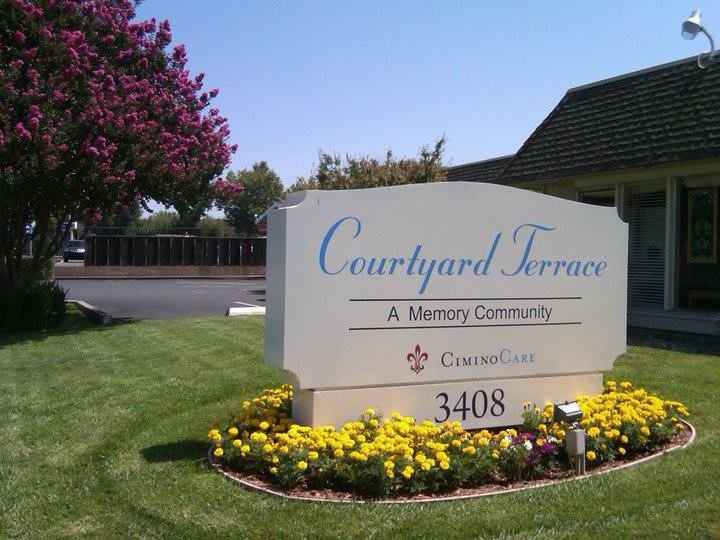
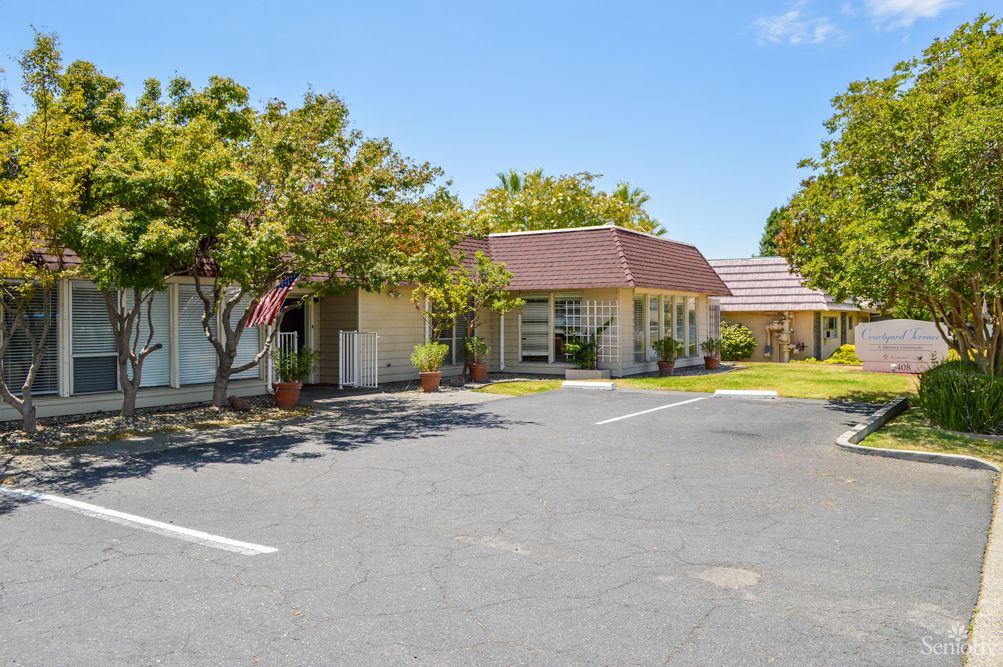
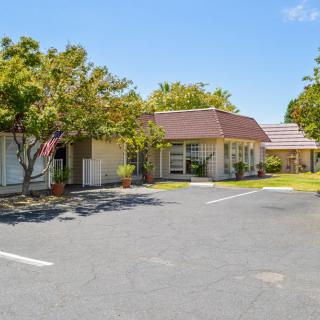
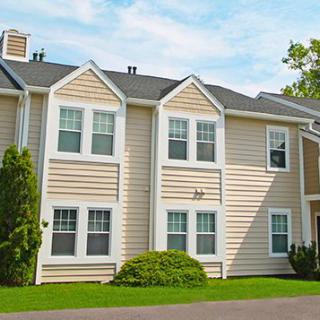
    A residential building with a lawn and a prominent sign reading 'Courtyard Terrace' under a clear sky.
  • Bedroom

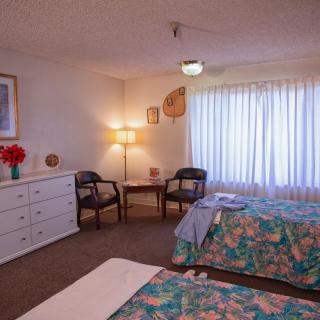
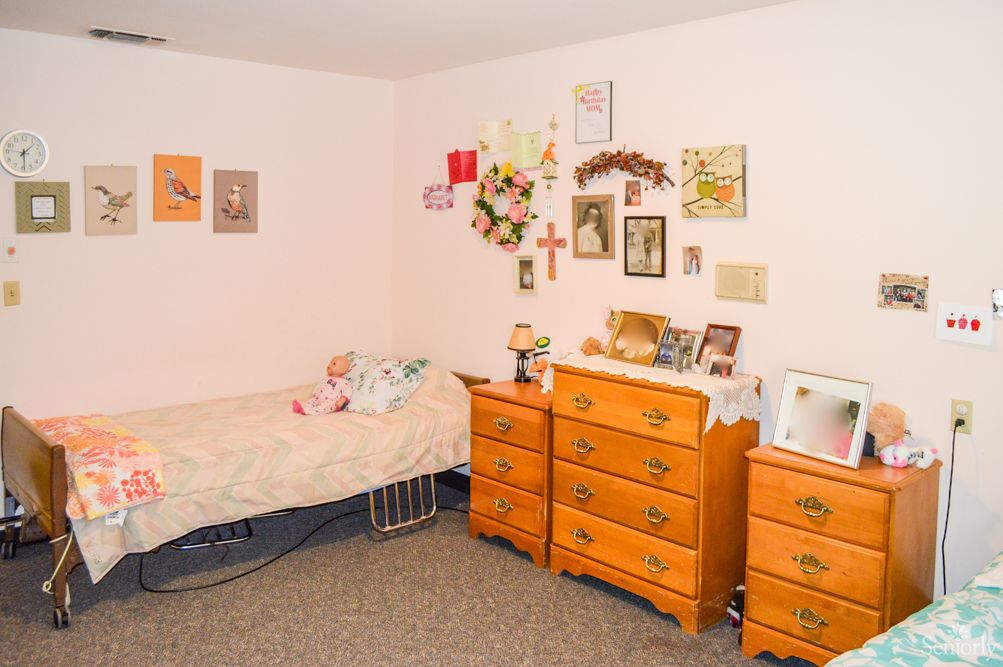
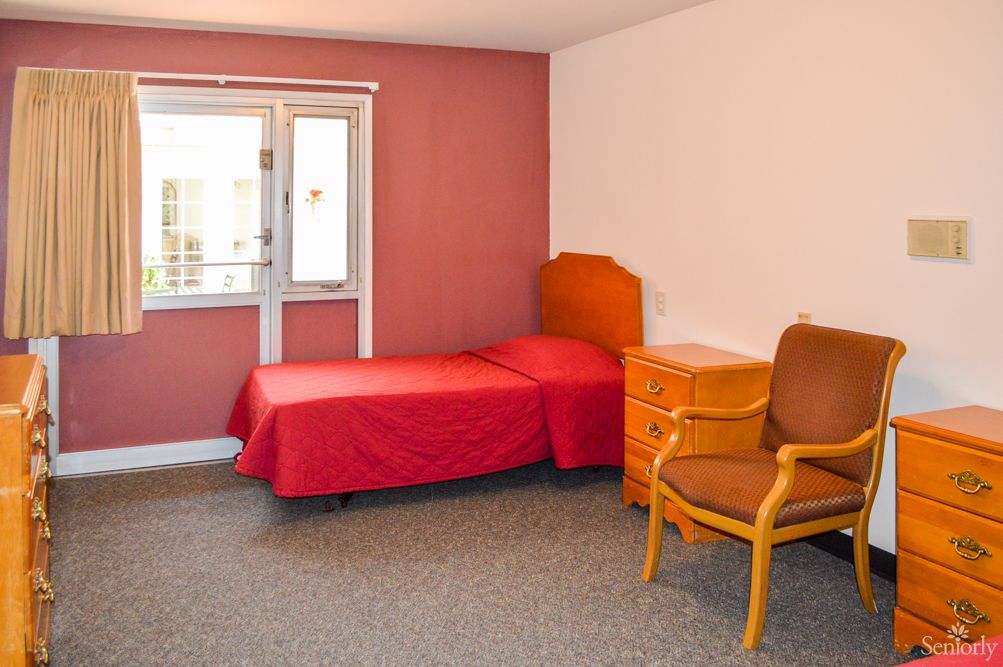
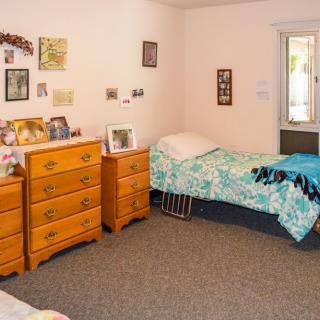
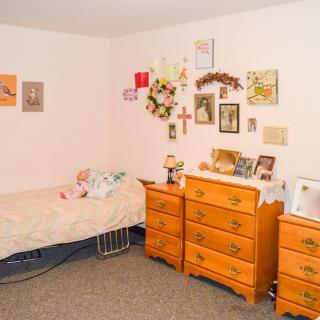
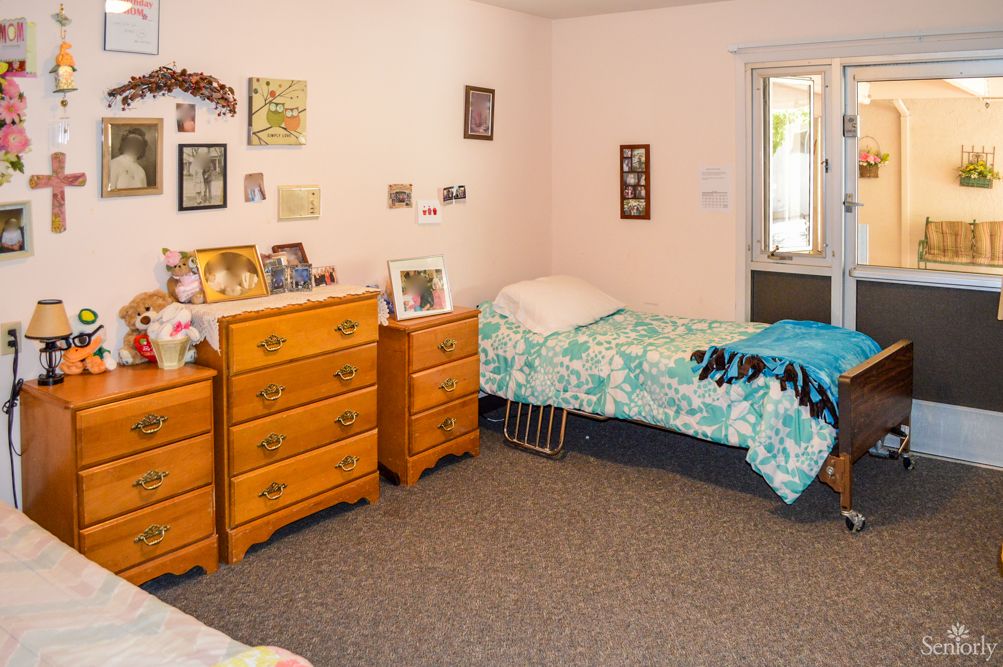
    A cozy bedroom with a single bed, dressers, and wall decorations.
  • Trees

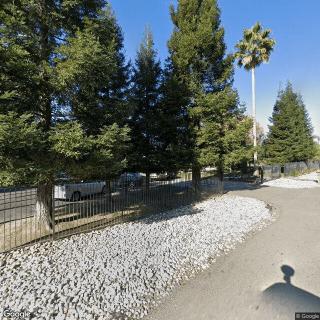
    A small motel with a parking lot surrounded by trees under a clear blue sky.
  • Windows

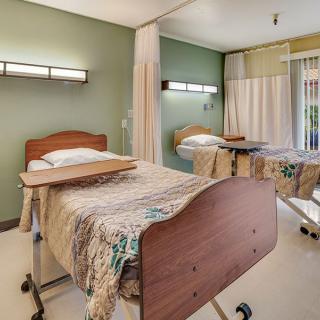
    A simple bedroom with a single red-bedded bed, wooden nightstand, and a chair next to a window.
  • Dining

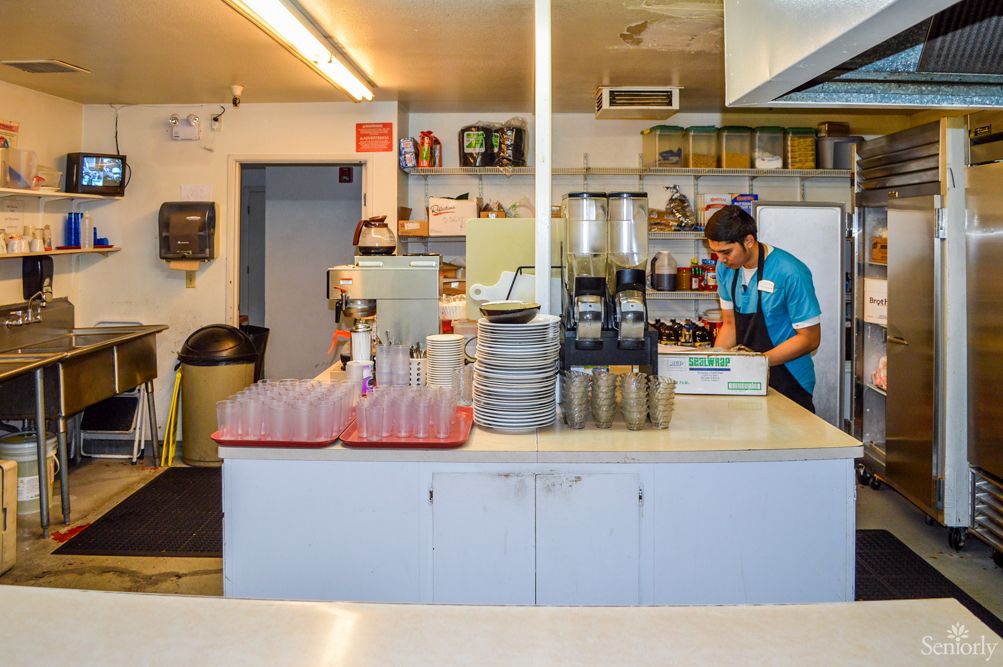
    A worker in a restaurant kitchen preparing drinks and organizing dishes.
  • Landscaping

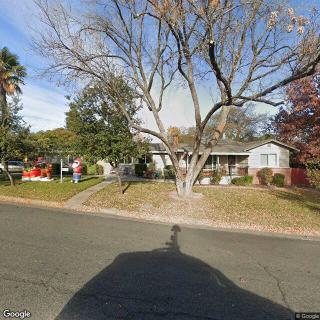
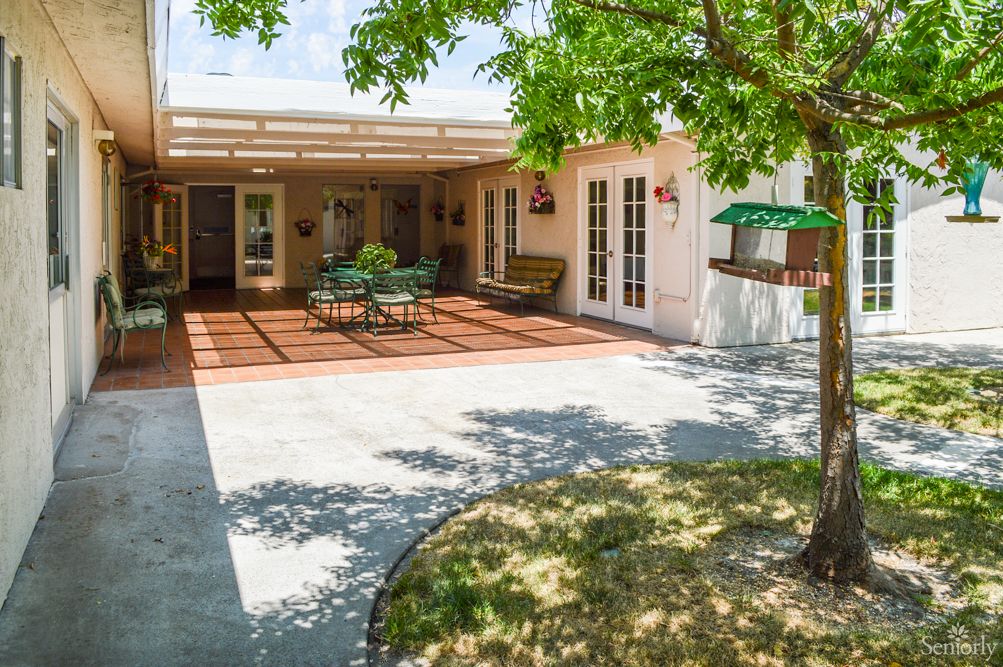
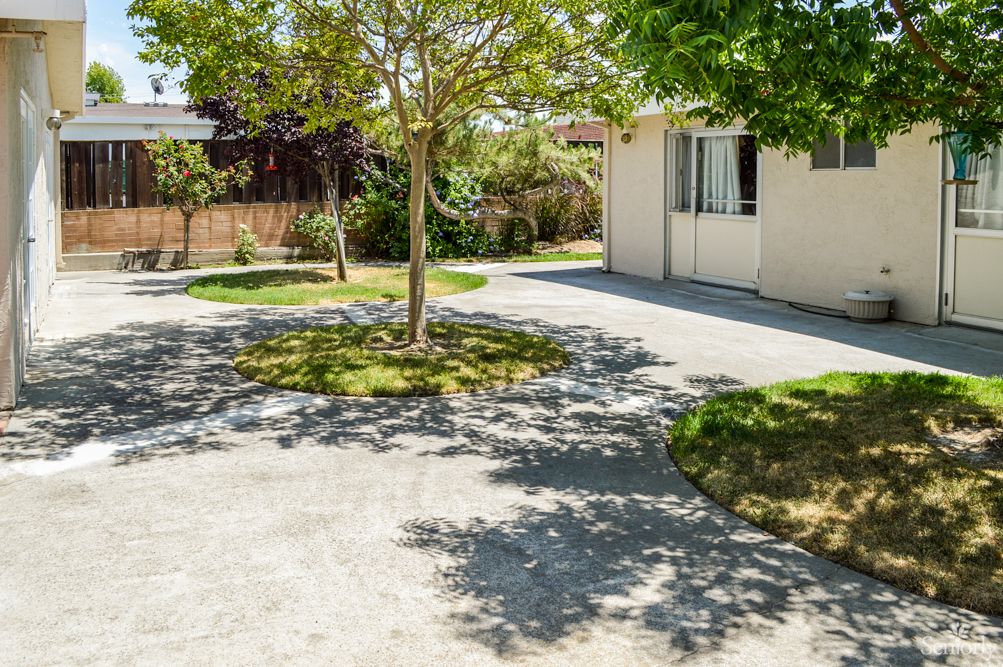
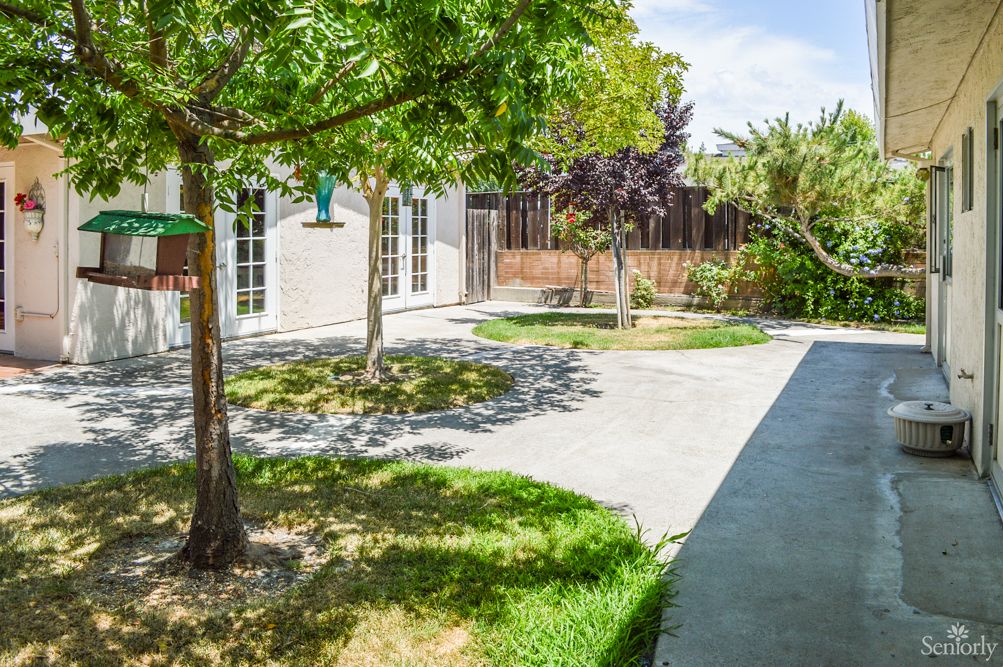
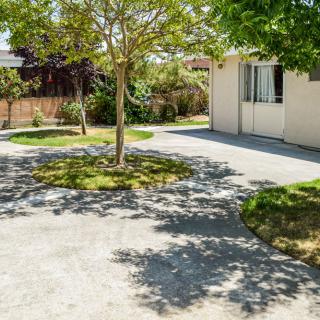
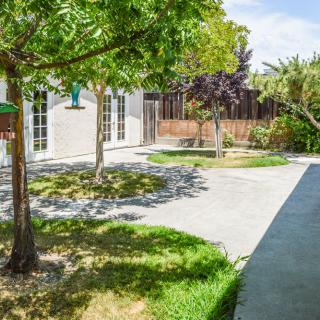
    A sunny backyard with a tree casting shadows on the driveway.
  • Garden

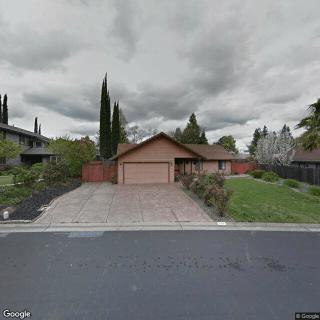
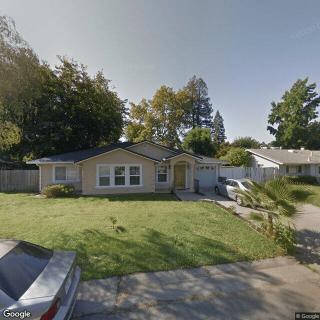
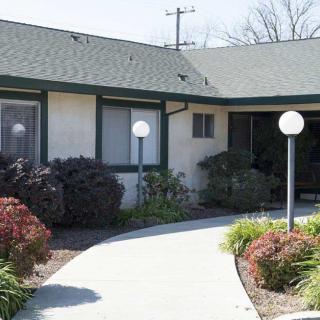
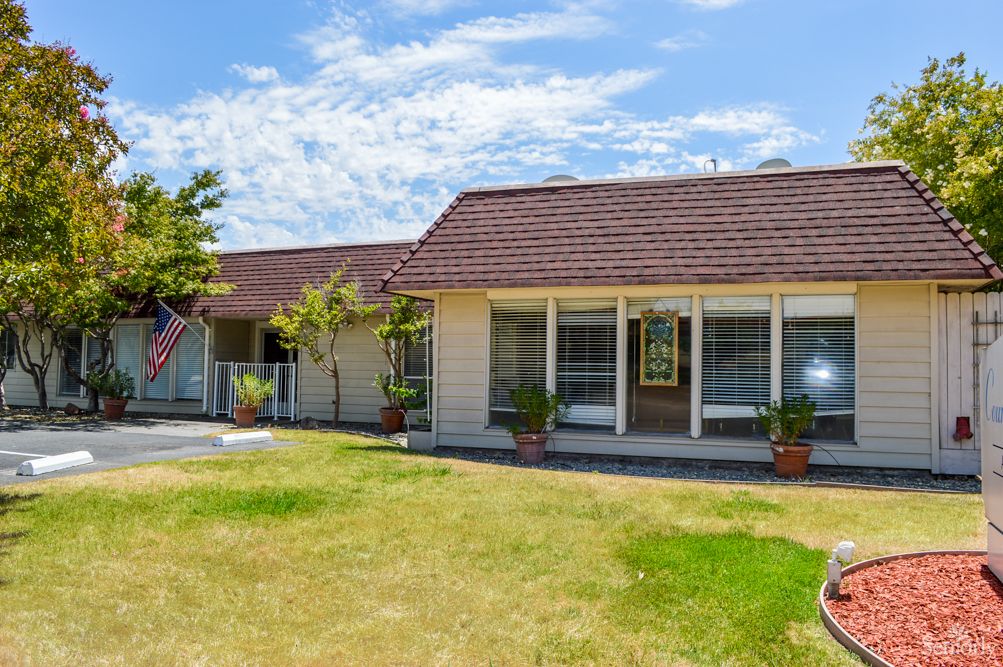
    A single-story house with a large lawn and clear blue sky.
  • Entrance

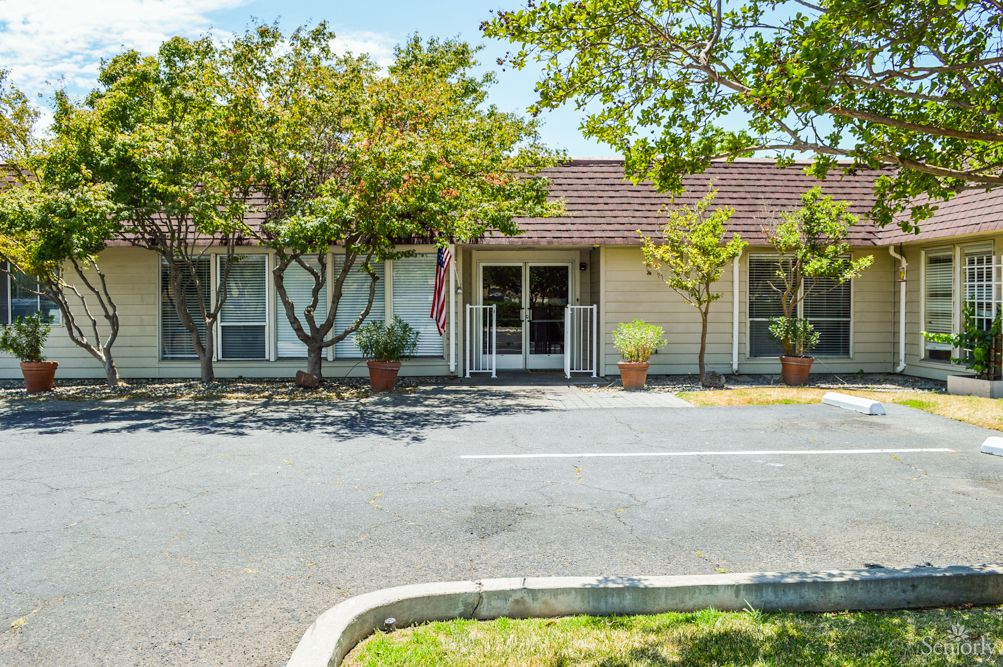
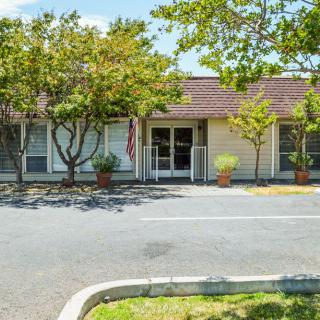
    Small building with trees and a parking lot in front.
  • Patio

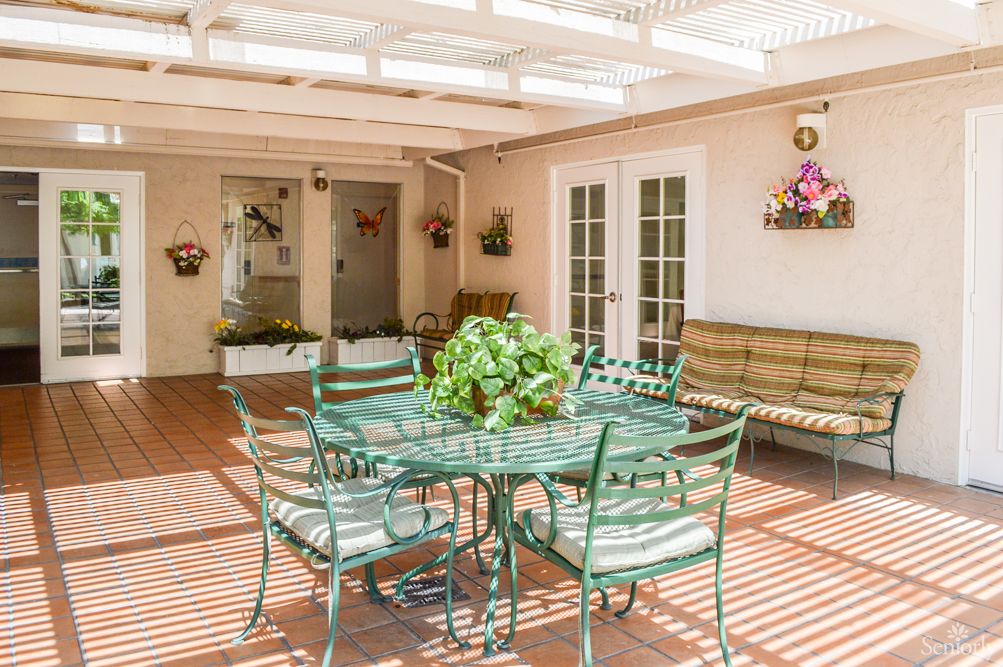
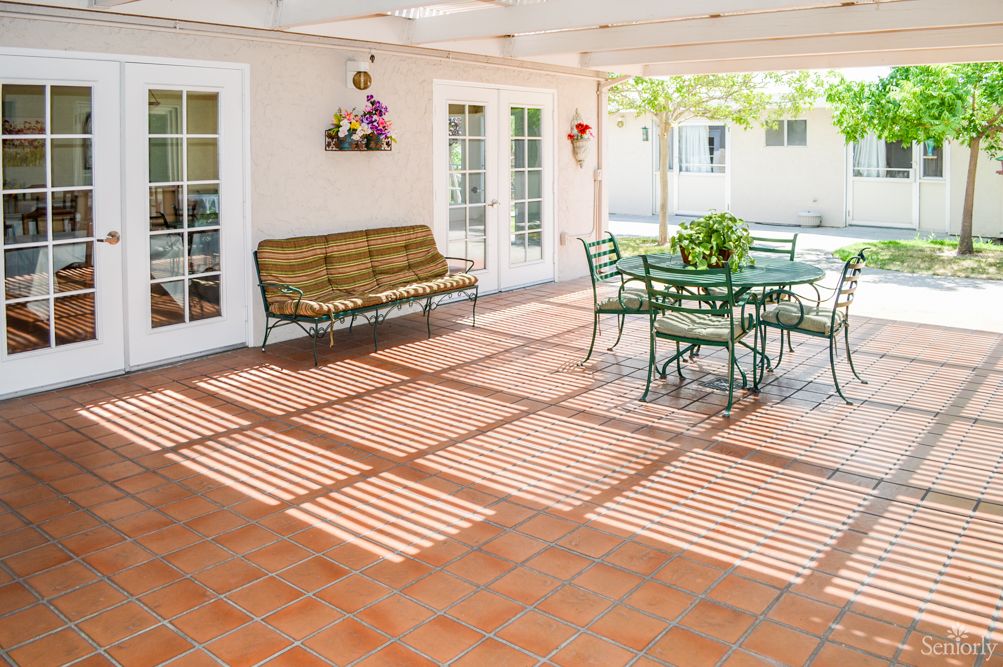
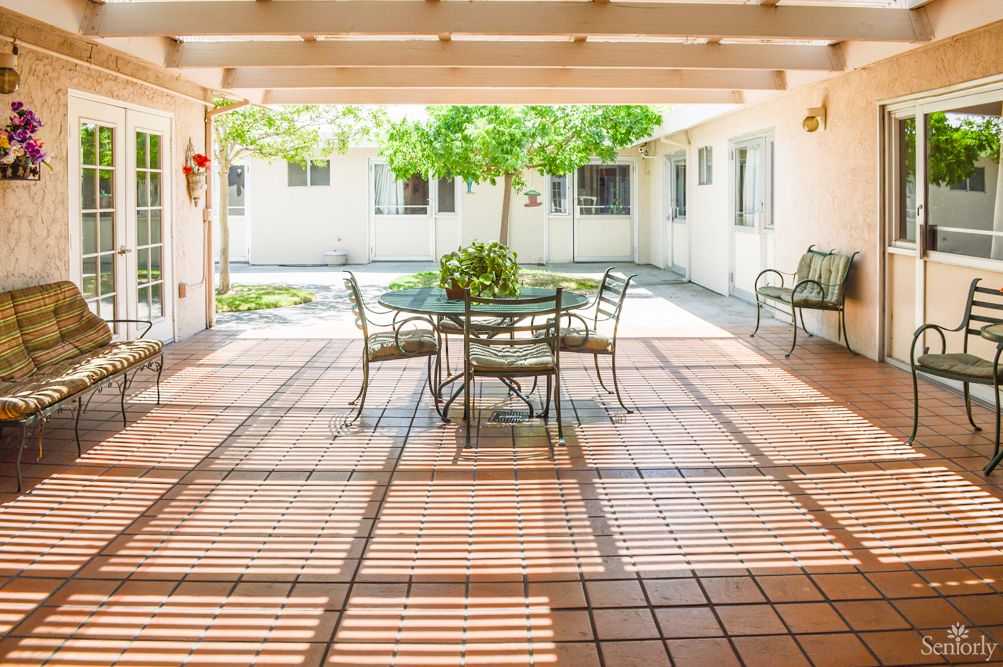
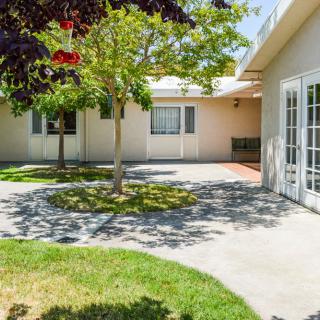
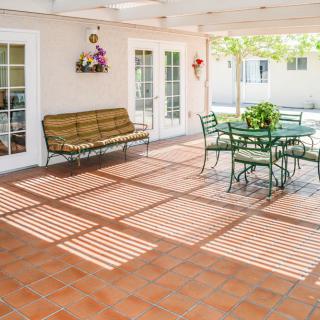
    A sunny patio with terracotta tiles, featuring a bench, table and chairs, and decorative plants.
  • Pathway

    A sunny backyard with a garden, trees, and a paved pathway leading to the house.
  • Outdoor Seating

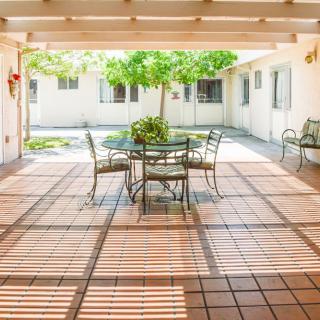
    A sunlit patio with a glass table and chairs, adorned with plants and decorative items.

Courtyard Terrace in Sacramento, CA

3408 Alta Arden Expressway, Sacramento, CA 95825

For more information about senior living options: (844) 490-3973

4.6 from 7 reviews
5 stars
6
4 stars
0
3 stars
0
2 stars
1
1 stars
0

Memory Care Respite Care

Courtyard Terrace Costs & Pricing

At Courtyard Terrace, the monthly costs for residential accommodations reflect a competitive pricing structure within the broader Sacramento County and California markets. For semi-private rooms, residents can expect to pay $3,095, which positions it slightly below the average county rate of $3,106 and significantly more affordable than the state average of $3,333. Similarly, studio apartments are priced at $4,095 - comfortably aligning with Sacramento County's average of $3,865 but remaining competitive against the higher statewide average of $4,145. This pricing not only highlights Courtyard Terrace's commitment to providing quality care and living environments but also emphasizes its strategic positioning in relation to local and state trends in assisted living costs.

Floor plansCourtyard TerraceSacramento CountyCalifornia
Semi-Private$3,095$3,106$3,333
Studio$4,095$3,865$4,145

What level of care are you interested in?

Assisted Living

Memory Care

Independent Living

Skilled Nursing Facility

Continuing Care Retirement Community (CCRC)CCRC

Other


Request a tour at Courtyard Terrace

    Overall Review of Courtyard Terrace

    Pros

    • pro The administrator and caregivers are informative at all times, and residents are kept clean and happy.
    • pro The staff deserve recognition for their love and kindness.
    • pro Magda and the staff at Courtyard Terrace are amazing - loving, fun, and kind - and provide strong transition support.
    • pro The staff are wonderful and caring, treating residents with dignity and respect.
    • pro The staff are helpful and friendly, and Adena is awesome.
    • pro The staff are attentive and proactive, looking out for residents and informing families promptly about incidents.

    Cons

    • pro The reviewer would not recommend it to anybody.
    • pro The facility was dirty.
    • pro The rugs and walls were dirty.
    • pro It was a very rundown facility.
    • pro The living quarters were cramped.
    • pro Four individuals shared one bathroom.
    • pro It was on the low end of the scale in terms of everything, aside from the staff.
    • pro They needed to improve the overall cleanliness and upkeep.
    • pro It was just a step up from a low-grade nursing home.

    Review

    Courtyard Terrace in Sacramento is best suited for families that want a warmth-forward assisted living experience where a loved one with memory challenges can receive steady, hands-on attention from a team described as loving, kind, and reliably engaged. The residents who thrive here are those who benefit from frequent caregiver contact, reassuring communication, and daily routines that a skilled staff can adapt to dementia needs. When care quality and personal dignity matter most, this community earns its keep: administrators and front-line caregivers are repeatedly recognized for being informative, attentive, and consistently focused on keeping residents clean, well-groomed, and emotionally safe.

    There are clear reasons to consider alternatives. Not every family will find the environment a perfect match, especially if pristine surroundings and spacious, private living quarters are non-negotiable. A handful of reviewers described the facility as dirty in certain areas, with rugs and walls showing wear, and living spaces that felt cramped, including shared bathrooms for multiple residents. For families where a bright, roomy campus, generous common areas, and high cleanliness standards are essential, it makes sense to explore other options or request a thorough, current tour focused specifically on maintenance, housekeeping cadence, and unit layouts.

    The strongest pro - staff quality - acts as a meaningful offset to many concerns. Multiple accounts highlight staff who are caring, supportive during transitions, and devoted to preserving dignity and happiness for residents with dementia. Magda and other team members are singled out for being affectionate and trustworthy, with families reporting that their loved ones were treated with joy, humor, and respect. In practice, this translates to fewer worries for guardians, who can rely on staff to monitor wellbeing, respond promptly to incidents, and keep loved ones engaged in meaningful activities that feel personal rather than procedural.

    Communication stands out as another reliable strength. The care team is described as vigilant and proactive, informing families immediately about any incidents and maintaining a steady flow of updates. That transparency is especially valuable for relatives navigating dementia care, where timely information can make a meaningful difference in planning and reassurance. When the staff demonstrates consistency in attentiveness and provides visible, steady involvement in residents' daily lives, the perception of safety rises even if certain physical aspects of the environment fall short of ideal.

    To decide decisively, prospective residents should prioritize a few practical steps. Request a current, in-person look at living quarters to confirm space and privacy arrangements - specifically the number of residents per bathroom and the overall size of private rooms. Ask for a detailed description of daily activities and engagement programming, and request examples of how dementia-specific needs are addressed across shifts. Verify staff-to-resident ratios and inquire about any recent maintenance improvements. If the emphasis remains on warmth, continuity of care, and a home-like atmosphere, Courtyard Terrace offers a compelling case.

    Overall, Courtyard Terrace represents a strong choice for families prioritizing compassionate, dignity-centered care and consistent caregiver support for a loved one with dementia. It is less ideal for those whose decision hinges on pristine interiors, spacious private accommodations, or minimal shared spaces. The 4.6 rating from seven reviews underscores solid satisfaction and trust in the caregiving team, tempered by practical cautions about cleanliness and layout. For families who value human connection and dependable day-to-day care over showroom polish, Courtyard Terrace stands out as a capable, trusted option worth serious consideration.

    Features

    Housing

    • 40 resident community capacity 40 resident community capacity

    Types of Care

    • Memory Care Memory CareMemory care is crucial for seniors as it provides specialized support and services for individuals with dementia or Alzheimer's disease. These programs offer a safe and secure environment where residents receive personalized care, cognitive stimulation, and help with daily activities. Memory care helps seniors maintain their independence, quality of life, and dignity while also providing peace of mind for their families.
    • Respite Care Respite CareRespite care provides temporary relief for caregivers, allowing them to recharge and attend to their own needs. It also gives seniors the opportunity to socialize, receive professional care, and experience a change of scenery, promoting overall well-being and reducing feelings of isolation.

    Amenities

    • Activities off-site Activities off-siteEngaging in off-site activities is crucial for seniors to maintain social connections, stay active, and stimulate their minds. It promotes overall well-being and helps combat feelings of isolation and loneliness.
    • Activities on-site Activities on-siteActivities on-site are important for seniors because they provide opportunities for socialization, mental stimulation, physical activity, and overall well-being. Engaging in activities can help seniors stay active, maintain their independence, and improve their quality of life.
    • Beauty salon Beauty salonBeauty salons are important for seniors because they provide a space for them to feel pampered, socialize, and maintain their personal grooming and hygiene. Regular visits to a beauty salon can help boost seniors' self-esteem and overall well-being.
    • Cable or satellite TV Cable or satellite TVCable or satellite TV is important for seniors because it provides entertainment, news, and companionship, helping to combat loneliness and boredom. It also offers a wide range of programming options tailored to different interests and preferences.
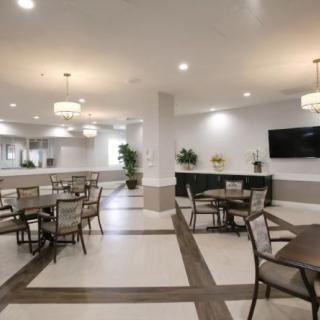
    • Dining room Dining roomDining rooms are important for seniors as they provide a space for socialization, connection, and nutritious meals. They offer opportunities for residents to bond over shared meals, foster a sense of community, and promote healthy eating habits. Dining rooms also ensure that seniors have access to well-balanced meals tailored to their dietary needs and preferences.
    • Fully furnished Fully furnishedFully furnished senior living communities are important for seniors because they provide convenience, comfort, and a hassle-free moving experience. Seniors can easily settle into their new living space without the stress of having to buy and move furniture. This allows them to focus on enjoying their new home and community.
    • Garden GardenGardens are important for seniors as they provide a peaceful and therapeutic environment for relaxation, physical activity, and socialization. Being in nature has been shown to reduce stress, improve mood, and promote overall well-being. Gardens also offer opportunities for seniors to engage in gardening activities, which can improve mobility, flexibility, and cognitive function. Additionally, gardens create a sense of community and connection with others who share a passion for plants and outdoor spaces.
    • Housekeeping services Housekeeping servicesHousekeeping services are important for seniors because they help maintain a clean and safe living environment, promote independence, and reduce the risk of accidents or illnesses. Additionally, having assistance with household chores can alleviate physical strain and allow seniors to focus on other aspects of their well-being.
    • Indoor common areas Indoor common areasIndoor common areas are crucial for seniors as they provide a space for socialization, recreation, and community engagement, promoting overall well-being and reducing feelings of isolation and loneliness.
    • Kitchenette KitchenetteKitchenettes are important for seniors living in senior living communities because they provide the convenience and independence of being able to prepare simple meals and snacks in the comfort of their own living space. This can help promote a sense of autonomy and well-being for seniors, allowing them to maintain some level of control over their dietary choices and daily routines.
    • Move-in coordination Move-in coordinationMove-in coordination is important for seniors because it helps ease the transition into their new living environment. It ensures that all logistics, such as packing, organizing movers, and setting up utilities are taken care of, allowing seniors to focus on settling in and adjusting to their new home. Having a smooth move-in process can alleviate stress and anxiety, making the transition smoother and more enjoyable for seniors.
    • Outdoor common areas Outdoor common areasOutdoor common areas are important for seniors as they provide a space for socialization, physical activity, and relaxation. Being outside in nature can improve mood and overall well-being, while also encouraging movement and engagement with others. These spaces can help combat feelings of isolation and promote a sense of community among residents.
    • Outdoor space Outdoor spaceOutdoor spaces are important for seniors as they provide opportunities for physical activity, social interaction, exposure to natural light and fresh air, and a sense of connection to nature. Having access to outdoor spaces can improve overall well-being and quality of life for older adults living in senior communities.
    • Respite or short term stays offered Respite or short term stays offeredRespite or short term stays provide seniors with a temporary solution when their regular caregiver is unavailable, offering them the opportunity to receive additional care and support during times of need, while also giving caregivers a chance to rest and recharge.
    • Restaurant-style dining Restaurant-style diningRestaurant-style dining is important for seniors because it allows them to enjoy delicious, nutritious meals in a social and upscale setting. This enhances their dining experience, promotes healthy eating habits, and fosters socialization with fellow residents, ultimately contributing to their overall well-being and quality of life.
    • Small library Small librarySmall libraries are important for seniors as they provide access to a variety of reading materials, including books, newspapers, and magazines. This can help stimulate their minds, keep them engaged, and provide a sense of community through book clubs and other social activities. Additionally, reading has been shown to improve cognitive function and overall mental well-being in older adults.
    • Telephone TelephoneTelephones are important for seniors as they provide a lifeline for communication with loved ones, emergency services, and healthcare providers. They offer a sense of security and independence, enabling seniors to stay connected and access assistance when needed.
    • Wi-Fi/high-speed internet available Wi-Fi/high-speed internet availableWi-Fi/high-speed internet is important for seniors to stay connected with loved ones, access online resources, and participate in virtual activities to combat feelings of loneliness and isolation. It also allows them to easily manage healthcare needs, access entertainment, and engage in lifelong learning opportunities.

    Transportation

    • Sacramento International (13 miles away) Sacramento International (13 miles away)

    Care Services

    • 24-hour call system 24-hour call system24-hour call systems are important for seniors because they provide peace of mind and immediate assistance in case of emergencies. This technology ensures that help is always available, promoting safety and security for elderly individuals living alone or in assisted living facilities.
    • 24-hour supervision 24-hour supervision24-hour supervision is important for seniors to ensure their safety, well-being, and access to immediate assistance in case of emergencies or health issues. This constant support provides peace of mind for both seniors and their loved ones, allowing them to age in place with dignity and security.
    • Activities of daily living assistance Activities of daily living assistanceActivities of daily living assistance are important for seniors because they provide essential support with tasks such as eating, bathing, dressing, and mobility. This assistance helps seniors maintain their independence, dignity, and overall quality of life as they age.
    • Ambulatory care Ambulatory care"Ambulatory care services provide essential medical support and treatment to seniors without requiring hospitalization, allowing them to maintain their independence and quality of life while managing chronic conditions or receiving routine medical care."
    • Assistance with bathing Assistance with bathingAssistance with bathing is crucial for seniors as it helps maintain personal hygiene, prevents infections, and ensures their overall well-being and comfort. It also provides a sense of dignity and independence for seniors who may struggle with this task on their own.
    • Assistance with dressing Assistance with dressingAssistance with dressing is important for seniors because it helps maintain their independence, promotes personal hygiene, prevents accidents and injuries, and improves overall quality of life. This service ensures that seniors can continue to dress comfortably and confidently, despite any physical limitations they may have.
    • Assistance with transfers Assistance with transfersAssistance with transfers is crucial for seniors as it helps prevent falls and injuries, maintains their independence, and ensures they can safely navigate their living environment. It also provides peace of mind for both seniors and their loved ones.
    • Diabetes diet Diabetes dietA diabetes diet is crucial for seniors as it helps manage blood sugar levels, reduce risks of complications, and improve overall health and well-being. By following a balanced and nutritious diet tailored to their specific needs, seniors can better control their diabetes and enhance their quality of life.
    • Incontinence care Incontinence careIncontinence care is essential for seniors to maintain their dignity, hygiene, and overall quality of life. By addressing incontinence issues promptly and effectively, seniors can enjoy a sense of independence and comfort in their daily activities.
    • Meal preparation and service Meal preparation and serviceMeal preparation and service are crucial for seniors as they may have limited mobility or energy to cook nutritious meals. Having access to healthy and convenient food options can ensure they are getting the proper nutrition needed to maintain their overall health and well-being.
    • Medication management Medication managementMedication management is crucial for seniors to ensure they are taking the right medications at the correct dosages and times. This helps prevent adverse drug interactions, reduces the risk of medication errors, and promotes overall health and well-being. Proactive management also allows for adjustments as needed based on changing health conditions or new prescriptions.
    • Mental wellness program Mental wellness programMental wellness programs are essential for seniors as they promote cognitive stimulation, emotional support, and social engagement. These programs help prevent isolation, depression, and cognitive decline, ultimately enhancing the overall quality of life for older adults.
    • Mild cognitive impairment Mild cognitive impairment"Mild cognitive impairment" is important for seniors because it is an early stage of cognitive decline that can potentially progress to more severe conditions such as dementia. Recognizing and addressing mild cognitive impairment can help seniors receive appropriate care and support to maintain their quality of life and independence for as long as possible.
    • Special dietary restrictions Special dietary restrictionsSpecial dietary restrictions are important for seniors because age-related changes in metabolism and health conditions can make it difficult for their bodies to process certain foods. By following a diet tailored to their specific needs, seniors can maintain their overall health and well-being, manage chronic conditions, and reduce the risk of complications such as malnutrition or food interactions with medications.
    • Specialized memory care programming Specialized memory care programmingSpecialized memory care programming is crucial for seniors with cognitive impairments such as dementia or Alzheimer's disease. These programs provide a safe and supportive environment tailored to the unique needs of individuals with memory loss, helping them maintain their independence, dignity, and quality of life.

    Dining

    • Diabetes diet Diabetes dietA diabetes diet is crucial for seniors as it helps manage blood sugar levels, reduce risks of complications, and improve overall health and well-being. By following a balanced and nutritious diet tailored to their specific needs, seniors can better control their diabetes and enhance their quality of life.
    • Special dietary restrictions Special dietary restrictionsSpecial dietary restrictions are important for seniors because age-related changes in metabolism and health conditions can make it difficult for their bodies to process certain foods. By following a diet tailored to their specific needs, seniors can maintain their overall health and well-being, manage chronic conditions, and reduce the risk of complications such as malnutrition or food interactions with medications.

    Activities

    • Activities off-site Activities off-siteEngaging in off-site activities is crucial for seniors to maintain social connections, stay active, and stimulate their minds. It promotes overall well-being and helps combat feelings of isolation and loneliness.
    • Activities on-site Activities on-siteActivities on-site are important for seniors because they provide opportunities for socialization, mental stimulation, physical activity, and overall well-being. Engaging in activities can help seniors stay active, maintain their independence, and improve their quality of life.
    • Community-sponsored activities Community-sponsored activitiesCommunity-sponsored activities are important for seniors as they provide opportunities for social interaction, mental stimulation, and physical activity. These activities can help improve overall well-being, combat loneliness and isolation, and promote a sense of belonging and purpose among older adults.
    • Resident-run activities Resident-run activitiesResident-run activities are important for seniors as they encourage social interaction, creativity, and a sense of autonomy. These activities empower seniors to stay engaged and active in their community while fostering meaningful connections with their peers.
    • Scheduled daily activities Scheduled daily activitiesScheduled daily activities are important for seniors because they provide structure, socialization, mental stimulation, and physical activity. Engaging in regular activities can improve overall well-being and quality of life for seniors living in a community setting.

    Description

    Courtyard Terrace is an assisted living community located in Sacramento, CA. Our community specializes in providing respite care services, offering short-term stays for individuals who require temporary assistance and support.

    At Courtyard Terrace, we prioritize the well-being and comfort of our residents by providing a wide range of amenities. Our residents enjoy participating in various on-site activities, visiting our beauty salon to get pampered, and watching their favorite shows on cable or satellite TV. Our dining room offers restaurant-style dining, where residents can savor delicious meals prepared by our skilled culinary team.

    The community is fully furnished and features both indoor and outdoor common areas, allowing residents to socialize and relax comfortably. Our small library provides a quiet space for reading or engaging in intellectual pursuits. Residents can stay connected with family and friends through telephone and Wi-Fi/high-speed internet access.

    Our highly trained staff members provide 24-hour supervision and assistance with activities of daily living such as bathing, dressing, and transfers. We also offer specialized care for individuals with diabetes or incontinence needs. Medication management services ensure that residents receive their prescribed medications timely and accurately.

    Promoting mental wellness is an integral part of our care approach at Courtyard Terrace. We provide a mental wellness program that focuses on promoting cognitive health among residents, including those experiencing mild cognitive impairment. Additionally, our specialized memory care programming caters to individuals with memory-related conditions.

    Residents with specific dietary restrictions receive personalized meal preparation to meet their unique nutritional needs.

    To keep our residents engaged, we offer a variety of activities such as community-sponsored events, resident-run activities, and scheduled daily activities. For those who wish to explore the surrounding areas, there are numerous cafes, parks, pharmacies, physicians' offices, restaurants, places of worship nearby as well as theaters and hospitals for entertainment or medical needs.

    At Courtyard Terrace in Sacramento, CA., we strive to create a warm and nurturing environment where residents can experience excellent care, enjoy enriching activities, and feel a sense of belonging in our close-knit community.

    Nearby Places of Interest

    This part of Sacramento, California, offers a convenient and accessible location for senior living. With multiple pharmacies in close proximity, including Rite Aid, Kaiser Morse Pharmacy, and Walgreens, seniors can easily access their medications and healthcare needs. There are also various physicians and medical facilities nearby, such as Alocozy, M Nadir MD, Griffin & Reed Eye Care, and Sacramento Heart & Vascular Medical Associates. Additionally, the area provides a range of dining options from fast food favorites like McDonald's to local gems like Leatherby's Family Creamery. For leisure activities, seniors can enjoy movie nights at Country Club Cinema or explore the beautiful parks like Oak Meadow Park and Ancil Hoffman Park. Overall, this neighborhood offers convenience, healthcare options, dining choices, and recreational opportunities suitable for senior residents.

    Pharmacies

    • Rite Aid (0.2 miles)
    • Kaiser Morse Pharmacy (0.5 miles)
    • Walgreens (1 miles)
    • Rite Aid (1.2 miles)
    • CVS Pharmacy (1.6 miles)
    • Walgreens (1.7 miles)
    • Rite Aid (1.7 miles)

    Physicians

    • Alocozy, M Nadir MD: M Nadir Alocozy, MD (0.5 miles)
    • Griffin & Reed Eye Care (1.8 miles)
    • Diagnostic Radiological Imaging (2.3 miles)
    • Joseph R Coscia (2.3 miles)
    • Eye Designs Optometry - Arden (2.3 miles)
    • Sacramento Heart & Vascular Medical Associates (2.8 miles)
    • Sacramento Eye Consultants (2.9 miles)

    Theaters

    • Country Club Cinema (0.7 miles)

    Restaurants

    • McDonald's (0.9 miles)
    • Leatherby's Family Creamery (1.3 miles)
    • Jack's Urban Eats (1.9 miles)
    • In-N-Out Burger (1.9 miles)
    • McDonald's (2.2 miles)
    • Gordito Burrito - La Riviera (3.2 miles)
    • McDonald's (3.3 miles)

    Cafes

    • Dutch Bros Coffee (1.3 miles)
    • Dutch Bros Coffee (1.8 miles)
    • Tupelo Coffee House (3.4 miles)
    • Starbucks (3.6 miles)
    • Starbucks (3.9 miles)
    • Temple Coffee (4 miles)
    • Chocolate Fish Coffee Roasters (4.2 miles)

    Places of Worship

    • Slavic SDA Church (2.2 miles)
    • St Francis of Assisi (5.1 miles)

    Parks

    • Oak Meadow Park (2.3 miles)
    • Mission North Park (2.5 miles)
    • William B Pond Recreation Area (2.7 miles)
    • Glenbrook Park (2.7 miles)
    • Ancil Hoffman Park (3.3 miles)
    • Carmichael Park (3.6 miles)
    • Effie Yeaw Nature Center (4.1 miles)

    Hospitals

    • Greater Sacramento Surgery Center (2.4 miles)
    • Walnut Whitney (2.9 miles)
    • Sutter Center for Psychiatry (3.7 miles)
    • Sacramento VA Medical Center (5 miles)

    Frequently Asked Questions

    How much does it cost to live at Courtyard Terrace in Sacramento, CA?
    Where is Courtyard Terrace?
    Does Courtyard Terrace provide care for residents with dementia or Alzheimer's disease?
    What photos are available for Courtyard Terrace in Sacramento, California?

    Nearby Communities

    • Country Club Manor

      Country Club Manor

      Sacramento, CA

      3.9 from 87 reviews
      $1,200 to $3,100 / month

      pro Friendly staff, engaging activities, and a clean, welcoming environment.

    • Legacy Oaks of Sacramento

      Legacy Oaks of Sacramento

      Sacramento, CA

      3.7 from 42 reviews
      $3,150 to $4,250 / month

      pro Friendly staff, homey atmosphere, good dining, and reasonable pricing.

    • Personalized Homecare Agency

      Personalized Homecare Agency

      Sacramento, CA

      3.7 from 9 reviews
       

      pro Tailored, personalized care with easy access to nearby amenities and healthcare.

    • Gramercy Court

      Gramercy Court

      Sacramento, CA

      3.7 from 29 reviews
      $3,824 to $5,244 / month

      pro Active community with on-site activities, clean spaces, and ongoing renovations; friendly staff.

    • Golden Moments Care Home

      Golden Moments Care Home

      Sacramento, CA

      4.9 from 30 reviews
      $7,000 / month

      pro Small, home-like setting with personalized, attentive care.

    • Palm Valley Home Care

      Palm Valley Home Care

      Sacramento, CA


      pro Excellent access to healthcare and nearby amenities

    • Cali Care Retirement Home

      Cali Care Retirement Home

      Sacramento, CA

      5 from 1 review
      $4,000 to $5,800 / month

      pro Exceptional, family-like care in a welcoming environment.

    • Mission Carmichael Healthcare Center

      Mission Carmichael Healthcare Center

      Carmichael, CA

      3.1 from 73 reviews
       

      pro Some dedicated staff members genuinely care; flexible family visiting.

    • Walnut House

      Walnut House

      Carmichael, CA

      3.9 from 46 reviews
      $2,010 to $3,030 / month

      pro Friendly staff, good meals, and a clean, homelike environment.

    Related Resources

    • do dementia patients sleep a lotWhy Do Dementia Patients Sleep So Much? Understanding Oversleeping, Stages, and Care Approaches

      Dementia often results in disrupted sleep patterns, leading to excessive daytime sleeping due to factors like brain damage affecting circadian rhythms, medication side effects, and lack of structure in daily activities. Caregivers must monitor these changes closely, as oversleeping can increase risks such as malnutrition or dehydration, and provide necessary support and routines to enhance patient engagement and well-being.

    • when to move from assisted living to nursing home8 Key Indicators That Suggest It May Be Time to Transition from Assisted Living to Skilled Nursing Care

      The transition from assisted living to skilled nursing care is often prompted by complex medical needs that assisted living cannot meet, with key indicators including frequent health declines, increased falls, severe memory issues, and caregiver burnout. Families should recognize these signs early to discuss options with healthcare providers and prepare for the emotional and logistical aspects of moving to a facility that offers comprehensive medical support.

    • best foods for dementia patients to eatNourishing the Mind: Essential Dietary Approaches for Dementia
      Dementia is characterized by cognitive decline, with nutrition playing a vital role in brain health; while no specific diet can prevent or reverse it, a nutrient-dense diet rich in antioxidants and healthy fats may support cognitive function. The MIND diet, which emphasizes beneficial foods and limits processed items, along with proper hydration and individualized meal strategies, can enhance the well-being of dementia patients.


    Get Pricing Ask A Question Schedule A Tour Contact Senior Advisor