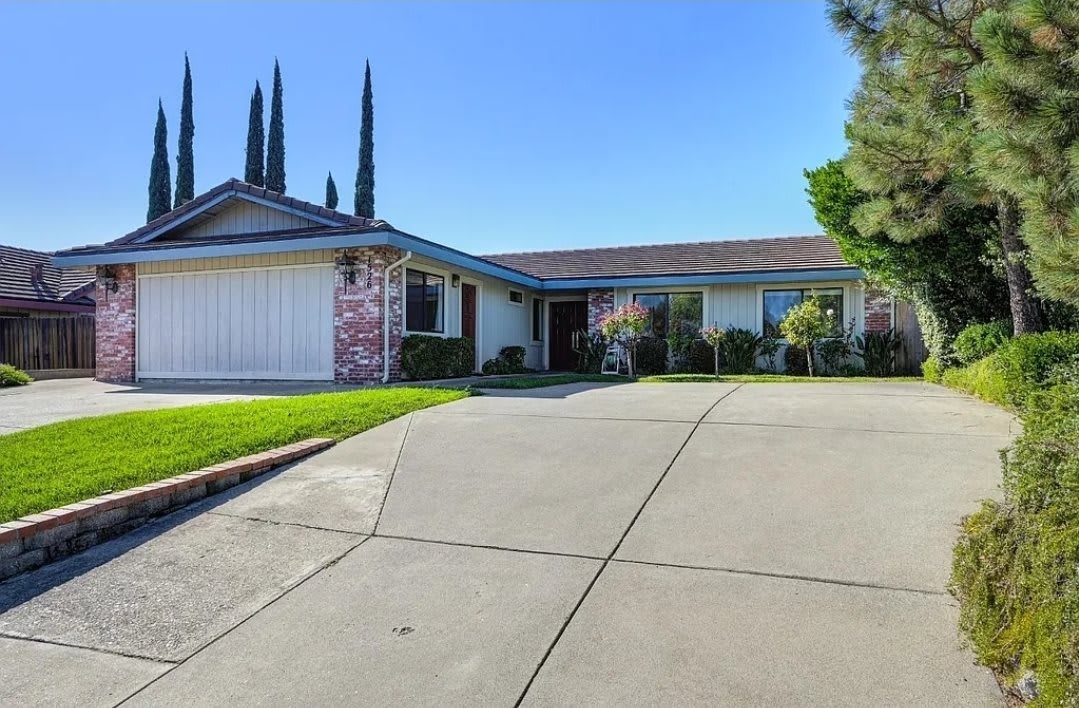

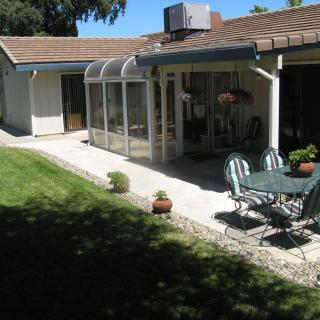
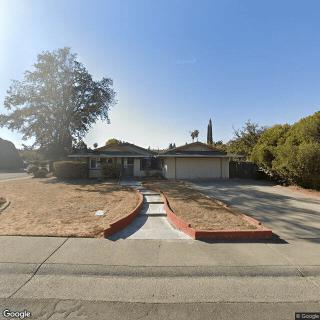
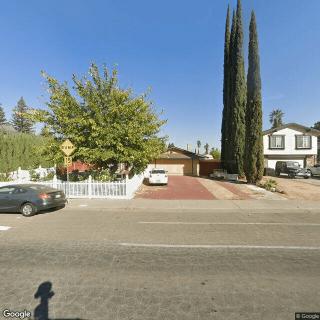
1526 Crestmont Oak Dr, Roseville, CA 95661
To contact a resident: (916) 841-9449
For more information about senior living options: (866) 208-4318
Sola Gracia Angels Assisted Living Costs & Pricing
Sola Gracia Angels Assisted Living offers competitive pricing for its accommodations when compared to Placer County and the broader California market. The monthly rates for their semi-private rooms are set at $4,000, which is notably higher than the county average of $3,489 but remains slightly above the state average of $3,333. For private rooms, Sola Gracia's rate stands at $5,000 - again exceeding both the county rate of $4,026 and the state's average of $3,939. Interestingly, their one-bedroom units maintain a similar trend at $5,000, surpassing Placer County's average of $4,777 and California's statewide figure of $4,340. Overall, while Sola Gracia Angels Assisted Living positions itself at a higher price point than local and state averages, this may reflect the quality and range of services offered within their facility.
| Floor plans | Sola Gracia Angels Assisted Living | Placer County | California |
|---|---|---|---|
| Semi-Private | $4,000 | $3,489 | $3,333 |
| Private | $5,000 | $4,026 | $3,939 |
| 1 Bedroom | $5,000 | $4,777 | $4,340 |
Memory care communities with a similar price nearby
-
About the same
Sungarden Villa II
$4,000 / month1.7 miles away -
from +$500 / mo
Sunriver Senior Care
$4,500 / month6.4 miles away -
from +$150 / mo
Ferrari
$4,150 to $5,500 / month9.9 miles away -
About the same

Ashley Villa
$4,000 / month6.2 miles away -
About the same
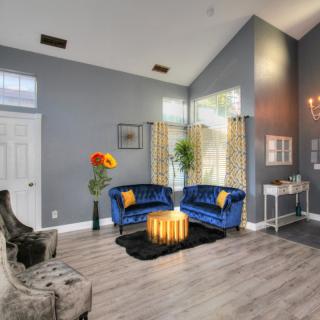
A Bright Future
$4,000 / month6.0 miles away
Overall Review of Sola Gracia Angels Assisted Living
Pros
 Angels Assisted Living supports families during difficult times when a loved one is living with dementia.
- Sim welcomed Mom right away into their beautiful cozy home and made the transition easy.
- The staff treat residents like family with patience and kindness.
- The dad has been there for two years and appreciates the care he receives.
- During meals, the staff set a plate for visitors so they can share a meal with their loved one.
- The friend received great care; everyone was kind and respectful.
- Angels Assisted Living is great; the aunt feels comfortable and safe, with a clean, organized community and good meals; on-site activities are offered.
- The care provided is consistently excellent and residents' requests are fulfilled.
- The staff are helpful, friendly, positive, and smiling, making it a special place for families.
- The loved one loves this place; it feels like home; staff cater to needs, do puzzles, walks in the garden, and residents enjoy social time.
Cons
 One reviewer strongly advised against sending a family member there, accusing the owners of greed and selfishness and claiming residents are not fed properly.
- The same reviewer criticized the meals, noting residents were fed the same foods every week (hot dogs and ramen) and implying the facility does not follow a proper menu.
- They urged readers to take their loved one and money elsewhere.
Review
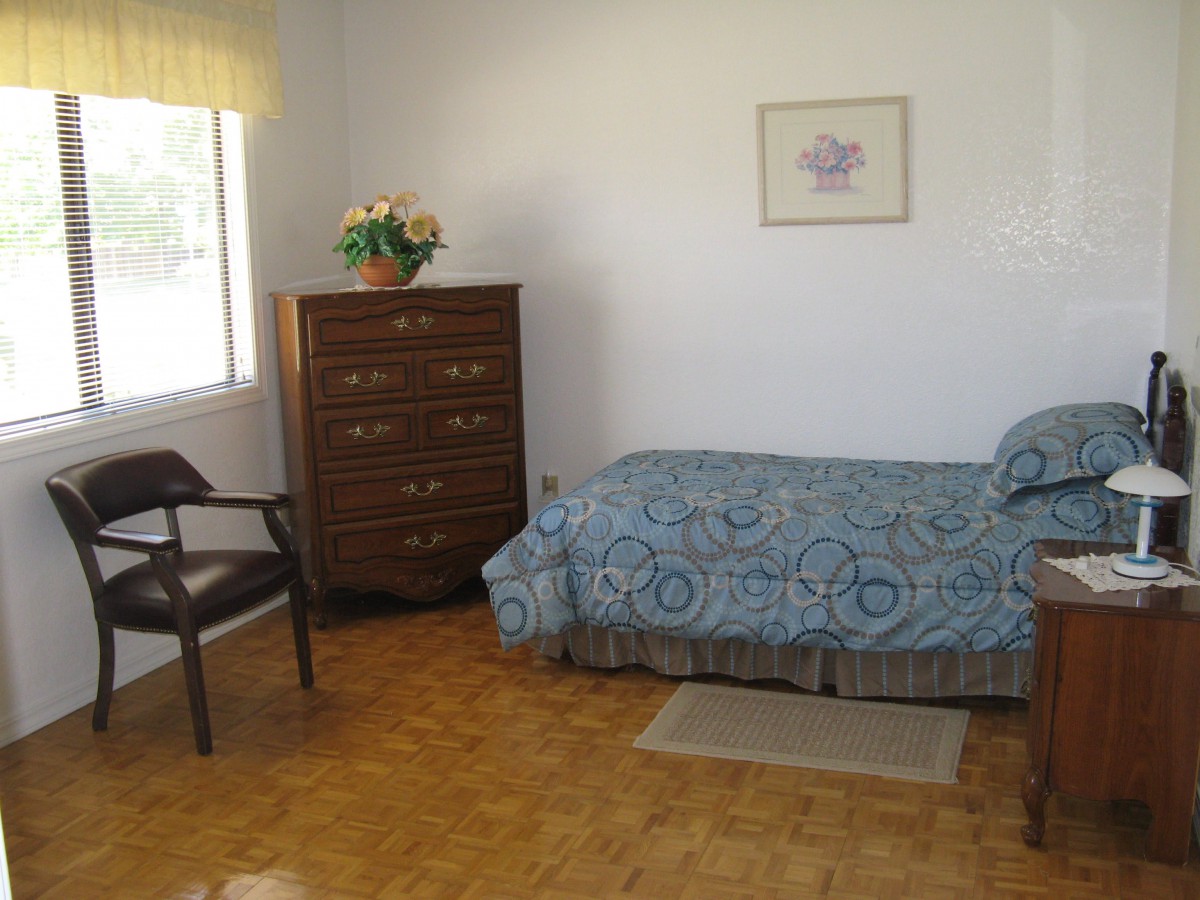
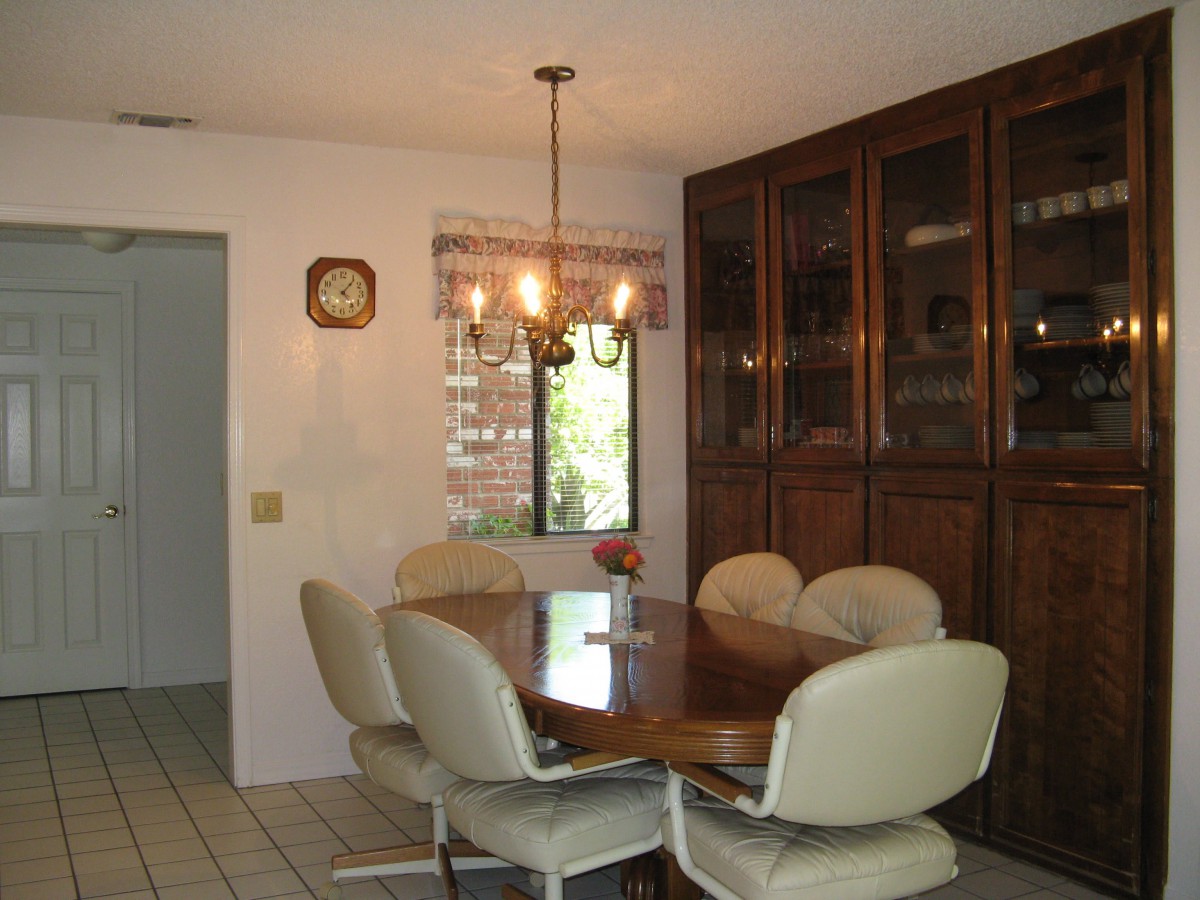
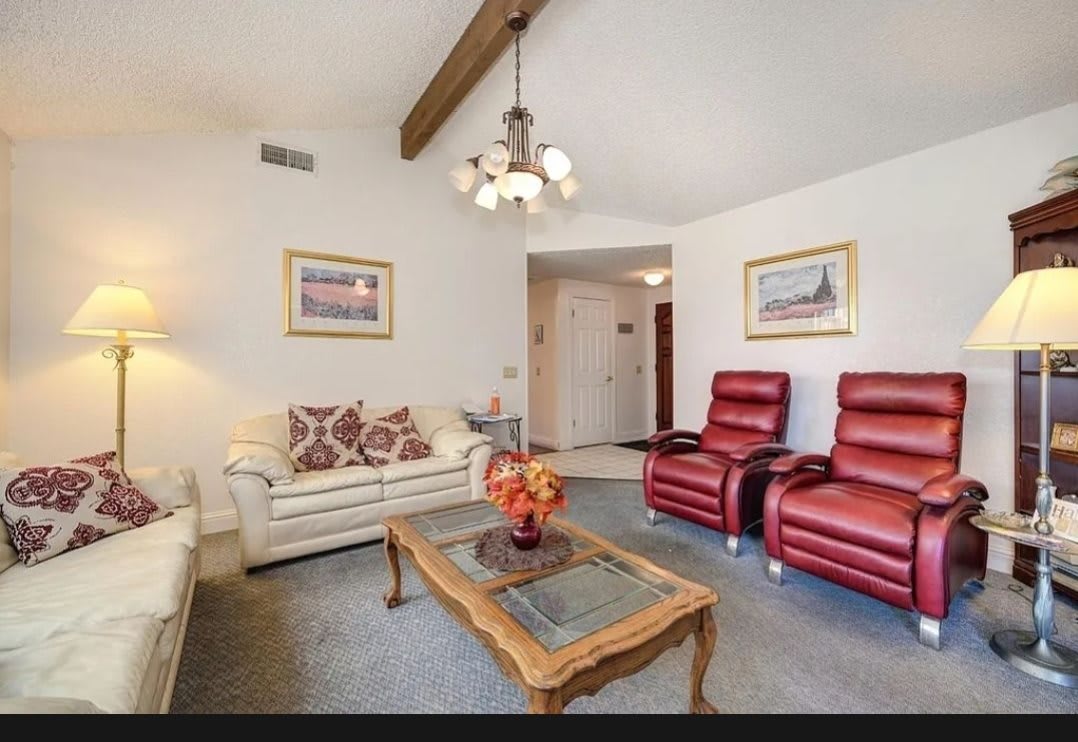
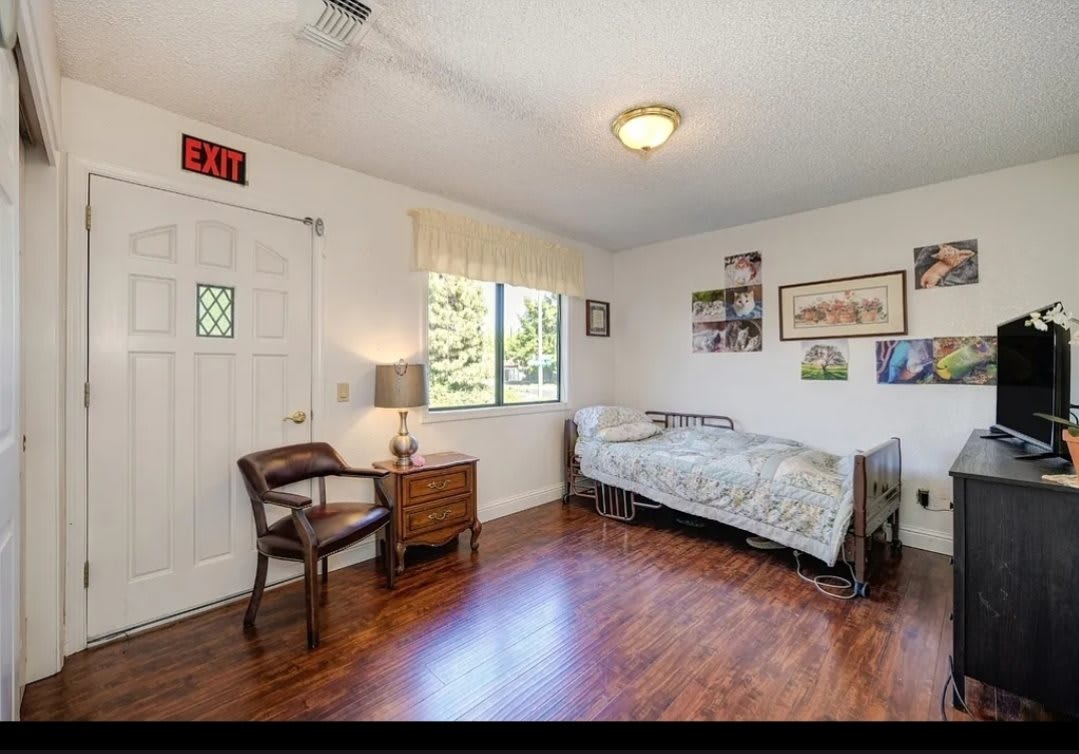
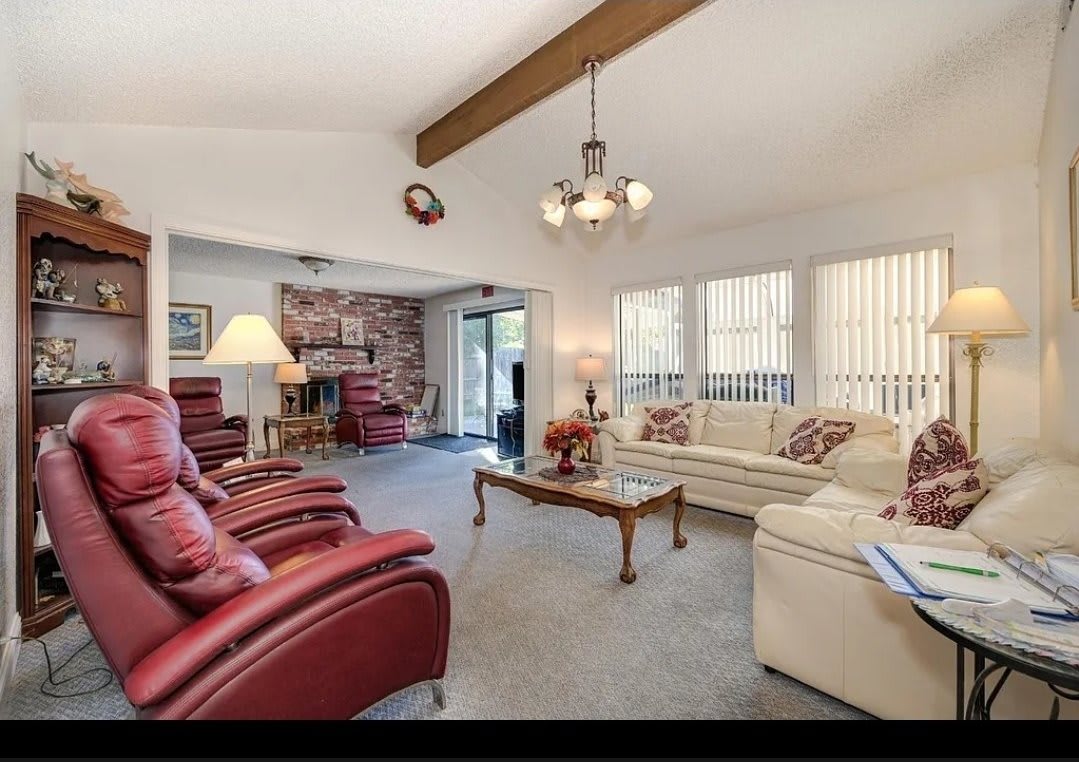
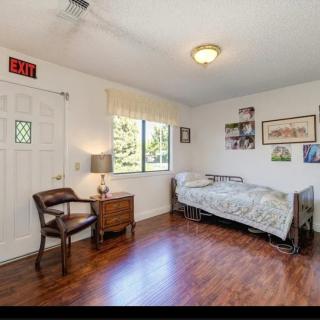
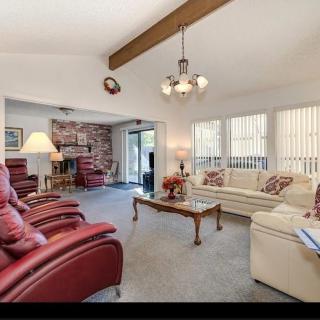
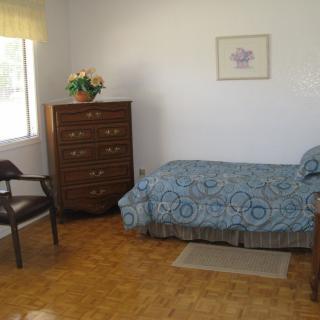
Sola Gracia Angels Assisted Living in Roseville is best suited for families seeking a warm, home-like setting where elder residents, especially those with memory challenges, are cared for with consistent kindness and personal attention. The community shines as a place that feels more like a well-loved residence than a clinical facility, with staff who routinely treat residents like family. For families prioritizing daily companionship, a gentle, patient pace, and opportunities for family involvement at meals and activities, this is a compelling fit. Those needs are most fully realized by residents who thrive on predictable routines, supportive social interaction, and a setting that emphasizes comfort and emotional security.
That said, some families may want to consider alternatives. For elders requiring higher levels of medical oversight or more formalized memory-care programming, a larger, more device-focused or nurse-led option may be preferable. Price transparency and budget sensitivity are other factors to weigh; a few reviews raise questions about value and governance, suggesting uncertainty about nutrition decisions and overall financial management. Families seeking a highly structured, menu-driven operation with rigorous clinical staffing, or a facility with a broader roster of on-site medical services, should explore other Roseville options to ensure alignment with expectations for care intensity and financial clarity.
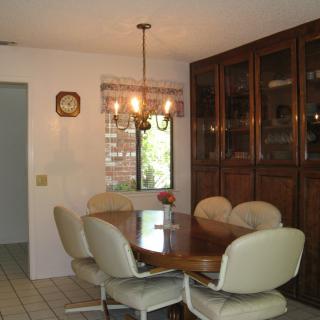
The strongest positives here revolve around the caregiving culture and the day-to-day lived experience. Staff are repeatedly described as patient, kind, and attentive, and the environment feels like a true home rather than a sterile institution. Transitioning a loved one into care is eased by welcoming routines and the sense that staff know residents well enough to anticipate needs. The ability to involve visiting family during meals, sharing a plate or dining together during mealtime, creates meaningful connection and reduces anxiety for both residents and their relatives. Cleanliness and organization underpin a sense of safety and order that is hard to replicate in a less intimate setting.
Beyond warmth, practical daily life is well-supported. Residents are engaged with on-site activities, puzzles, garden walks, and social conversations that promote cognitive and emotional vitality. Families consistently note good communication from the staff about daily events and any incidents, which is crucial for trust and ongoing planning. The atmosphere is described as cheerful and positive, with residents appearing comfortable and engaged, and the caregiving team consistently going the extra mile to accommodate individual preferences. These factors, relationship-focused care, reliable communication, and an active, home-like schedule, offset the absence of a more clinical, hospital-like care model for many families.
Yet, there are caveats worth weighing. A minority of reviewers raise concerns about ownership behavior and nutrition decisions, alleging that residents are not fed adequately and that financial stewardship may not be aligned with family expectations. While these voices are in the minority relative to the overall positive sentiment, they create a legitimate reason to investigate further. Prospective families should request a transparent, up-to-date menu plan, review staffing ratios, and seek examples of how meals are tailored to dietary needs and preferences. In short, verify governance practices, understand how meals are sourced and prepared, and confirm that nutritional standards meet both caloric and variety expectations before committing.
In the end, Sola Gracia Angels Assisted Living stands out for families who value a nurturing, congenial home atmosphere where staff treat residents with dignity, where visitors can participate in meals, and where daily life is infused with simple pleasures and social engagement. The strongest case is made for memory-challenged seniors who benefit from a steady routine, predictable care, and a community that prioritizes warmth and personal connection. For those who prioritize rigorous clinical oversight, sensory-rich menus with a broader variety of textures and flavors, or a governance model with stricter external scrutiny, alternatives, perhaps larger licensed facilities or specialized memory-care communities, merit serious comparison. The prudent path is a thorough in-person tour, conversations with direct caregivers, and a candid review of pricing, menus, and care plans to determine whether the home-like comfort here aligns with the elder’s specific health needs and the family’s financial expectations. If those align, this community offers a compelling, realistically satisfying option that many families will find preferable to more impersonal settings.
 Board and Care Home
 Memory Care
 Activities off-site
 Air-conditioning
 Beautician on-site
 Cable or satellite TV
 Handicap accessible
 Indoor common areas
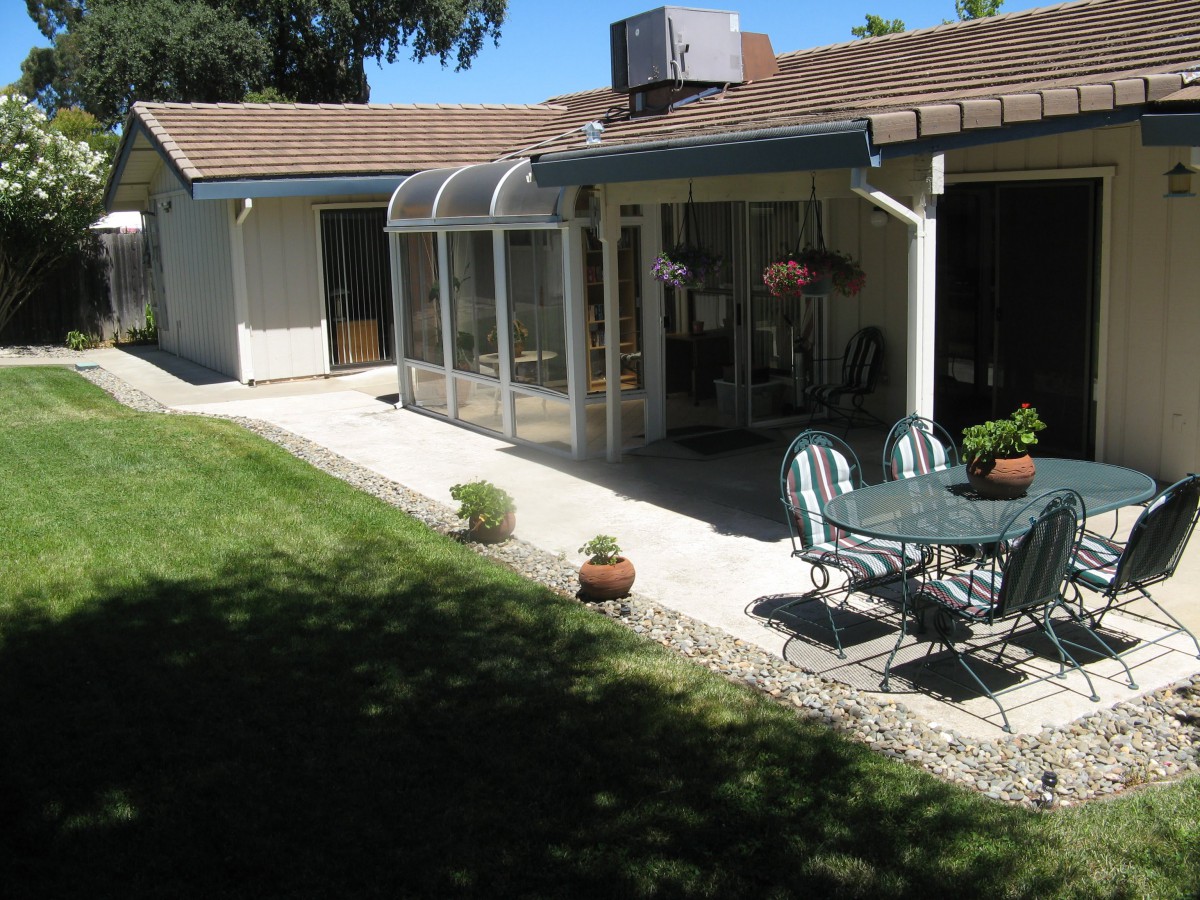
 Outdoor common areas
 Private
 Private bathrooms
 Respite or short term stays offered
 Wheelchair accessible showers
 Sacramento International (18 miles away)
 Ambulatory care
 Diabetic care
 High acuity care
 Incontinence care
 Medication management
 Kosher
 Art classes
 BBQs or picnics
 Catholic services
 Day trips and outings
 Educational speakers / life long learning
 Gardening club
 Live musical performances
 Stretching classes
 Trivia games
 Wine tasting

 Choosing the Right Senior Care: A Detailed Exploration of Assisted Living and Nursing Homes
 Safeguarding Your Memory Through the Golden Years: Eight Ways to Preserve Cognitive Health
 Comprehensive Insights into Activities of Daily Living (ADLs) and Their Assessment