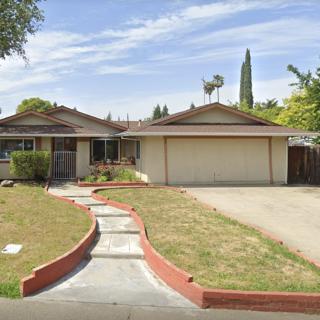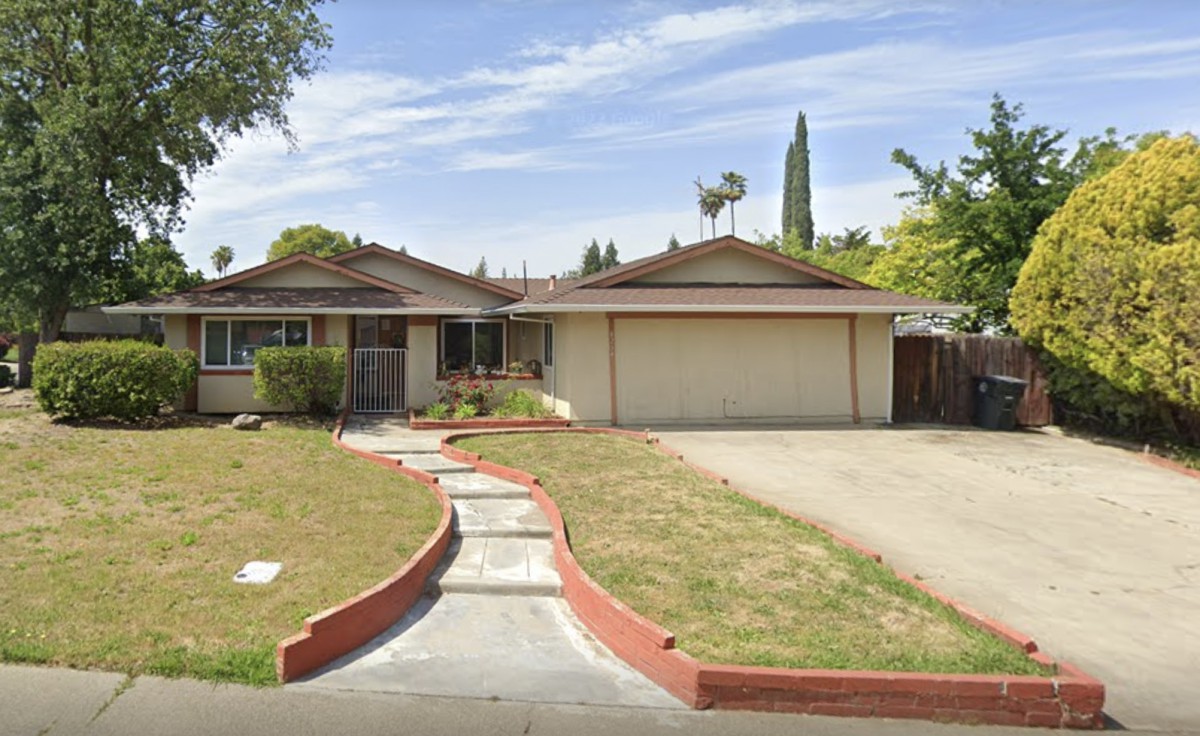
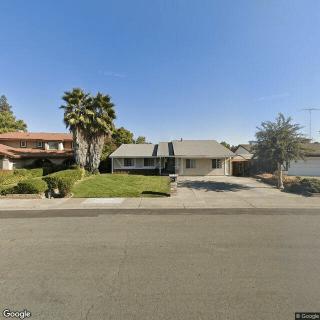
8254 Moss Oak Avenue, Citrus Heights, CA 95610
For more information about senior living options: (866) 208-4318
Overall Review of Lucian's Home
Pros
 Ohana Care Home is described as a great facility with excellent care.
- The staff are attentive and compassionate, ensuring residents' well-being.
- It is a family-run operation that genuinely cares about residents.
- They build rapport with residents, gain trust, and listen to their stories.
- They are on top of medications and coordinate with doctors and home health providers.
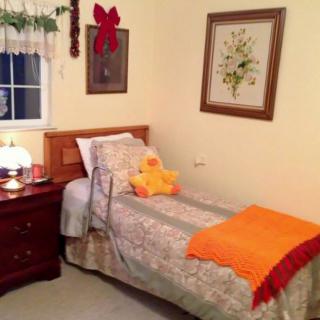
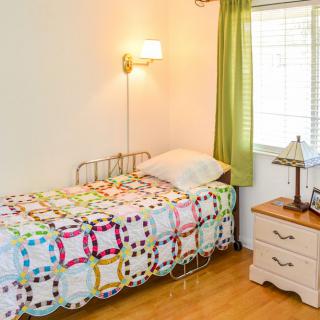
- The facility is clean, well-maintained, and feels like a home.
- Families report peace of mind knowing their loved ones are in capable hands.
- The atmosphere is warm, welcoming, and resident-centered.
- Professionals and families alike note the exceptional level of care and dedication.
Cons
 The father faced a hard, long journey from diagnosis to the end.
- Other care facilities claimed they could handle him, but they couldn't.
- The reviewer regrets not finding Ohana sooner, implying the father might still be here.
- He was placed in a big box memory facility that looked beautiful inside but couldn't provide adequate care.
Review
This Citrus Heights home is best suited for families seeking an intimate, family-run environment that delivers relentless, hands-on care for seniors with high needs, especially those facing Alzheimer’s disease or significant mobility challenges. The most convincing cases come from residents who required long-term, meticulous attention to wounds, hygiene, and daily routines, and who benefited from caregivers who were proactive rather than reactive. In these reviews, the operator’s proximity to the home and a clearly personal stake in each resident’s well-being translate into consistency, trust, and rapid responsiveness that larger facilities often struggle to match. For families who prioritize a compassionate, home-like atmosphere where staff genuinely know each resident’s story, this is a standout option.
There are clear reasons to consider alternatives, particularly for families prioritizing scale, clinical depth, or institutional credentials. If a setting is sought with a broad medical team on-site, a dedicated medical director, or campus-style amenities, this smaller operation may feel undersized. Large memory-care wings or skilled-nursing campuses can offer more layers of oversight and a wider array of on-site rehabilitation services. For residents whose needs drift into highly specialized medical management, or whose families require a formal, nurse-led model with rigid protocols, exploring larger facilities or hospital-affiliated programs may be prudent. This is not a flaw so much as a matter of fit for different care expectations and timelines.
The strongest pros, unwavering attentiveness, transparent communication, and a proven track record of consistent, high-touch care, more than offset the main potential drawbacks. Families repeatedly note that staff members are quick to notice needs, call ahead with concerns, and coordinate with doctors and home-health providers without prompting. This proactive approach reduces family stress and delivers reassurance that care is coordinated, not reactive. Residents benefit from meticulous medication oversight, clean and welcoming living spaces, and a caregiving culture that treats each person with dignity and individualized consideration. When clinical depth isn’t the primary differentiator, these relational strengths become decisive.
Operationally, the care team’s hands-on approach stands out. One reviewer highlighted how staff secured meaningful functional progress, helping a resident transition to a wheelchair with therapists’ support, while another emphasized that the home’s operational readiness kept evenings calm and meals balanced. Across accounts, the same thread appears: a small, cohesive team that communicates well with families and external providers, and a facility where the owner’s daily involvement signals stability and accountability. In this context, “not understaffed” isn’t a generic claim but a lived reality that translates into more consistent care and fewer missed cues.
Environment and culture emerge as equally important factors. The homes described convey warmth: scratch-made meals, well-maintained rooms, and living areas that feel like a true home rather than a clinical setting. Residents appear content, and families repeatedly express relief at the sense of belonging and the ability to visit a loved one without stepping into a sterile, institutional mood. The emphasis on “ohana”, treating residents like family, permeates every observation, from personalized activities to attentive daily routines. For decision-makers who want their loved ones to thrive emotionally and socially in addition to receiving medical support, these cultural strengths matter deeply.
The bottom line for families weighing options is practical and clear. If a high-touch, intimate environment with exceptional caregiver reliability and a family-centered ethos aligns with what matters most, proximity to home, transparent communication, and a strong sense of belonging, this Citrus Heights option deserves serious consideration. If, instead, the priority is expansive clinical resources, formal care governance, or a campus with extensive rehab suites and on-site nursing leadership, then broader facilities warrant exploration. Prospective families should tour with specific questions about care planning, staff-to-resident ratios, and coordination with external providers, then compare what fits best with the resident’s disease trajectory, mobility needs, and the family’s tolerance for different care models. In the right match, this approach offers peace of mind, dependable daily care, and a home-like atmosphere that families will value for years.
 6 resident community capacity
 Assisted Living
 Board and Care Home
 Cable or satellite TV
 Dining room
 Fully furnished
 Garden
 Housekeeping services
 Move-in coordination
 Outdoor space
 Telephone
 Wi-Fi/high-speed internet available
 Sacramento International (18 miles away)
 24-hour supervision
 Activities of daily living assistance
 Assistance with bathing
 Assistance with dressing
 Assistance with transfers
 Diabetes diet
 Meal preparation and service
 Medication management
 Special dietary restrictions
 Transportation arrangement (medical)
 Transportation to doctors appointments


 When to Transition from Assisted Living to Memory Care: Key Indicators, Steps, and Finding the Right Community
 Assisted Living and Memory Care: Understanding Their Core Differences
 Beyond the Bingo Hall: 50+ Enriching Activities for Seniors in Assisted Living