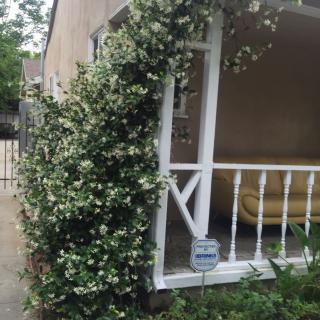
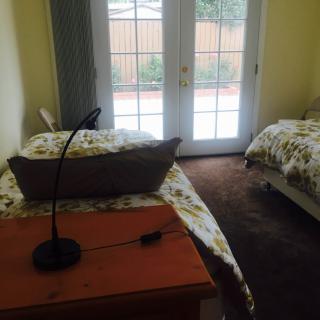
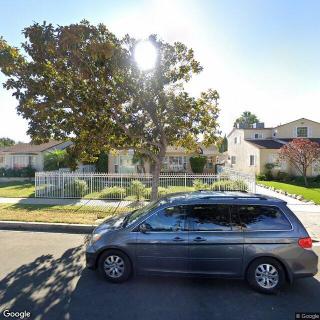
7049 Yarmouth Ave, Reseda, CA 91335
To contact a resident: (818) 654-6260
For more information about senior living options: (866) 208-4318
Good Life Senior Living, Inc. Costs & Pricing
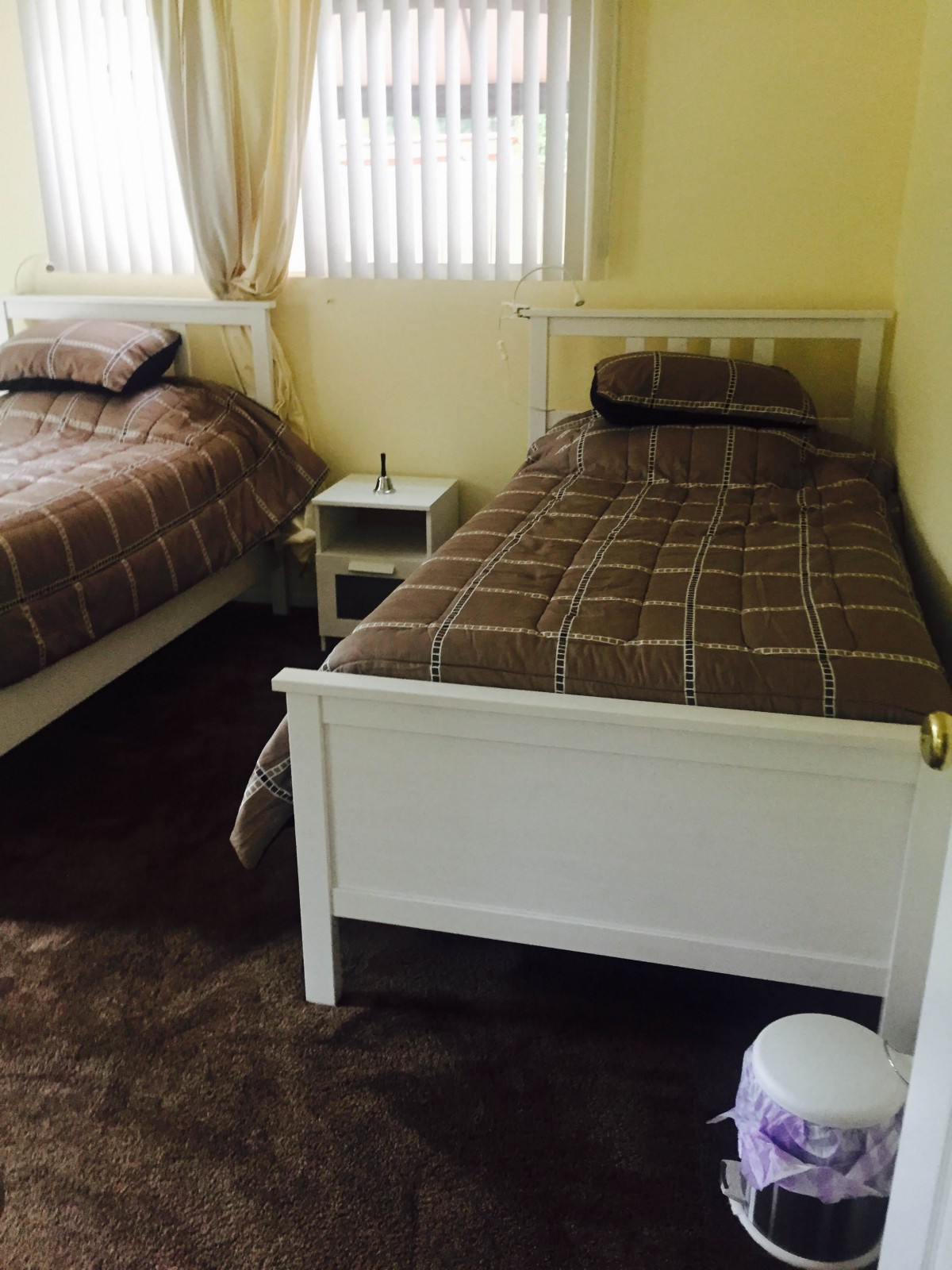
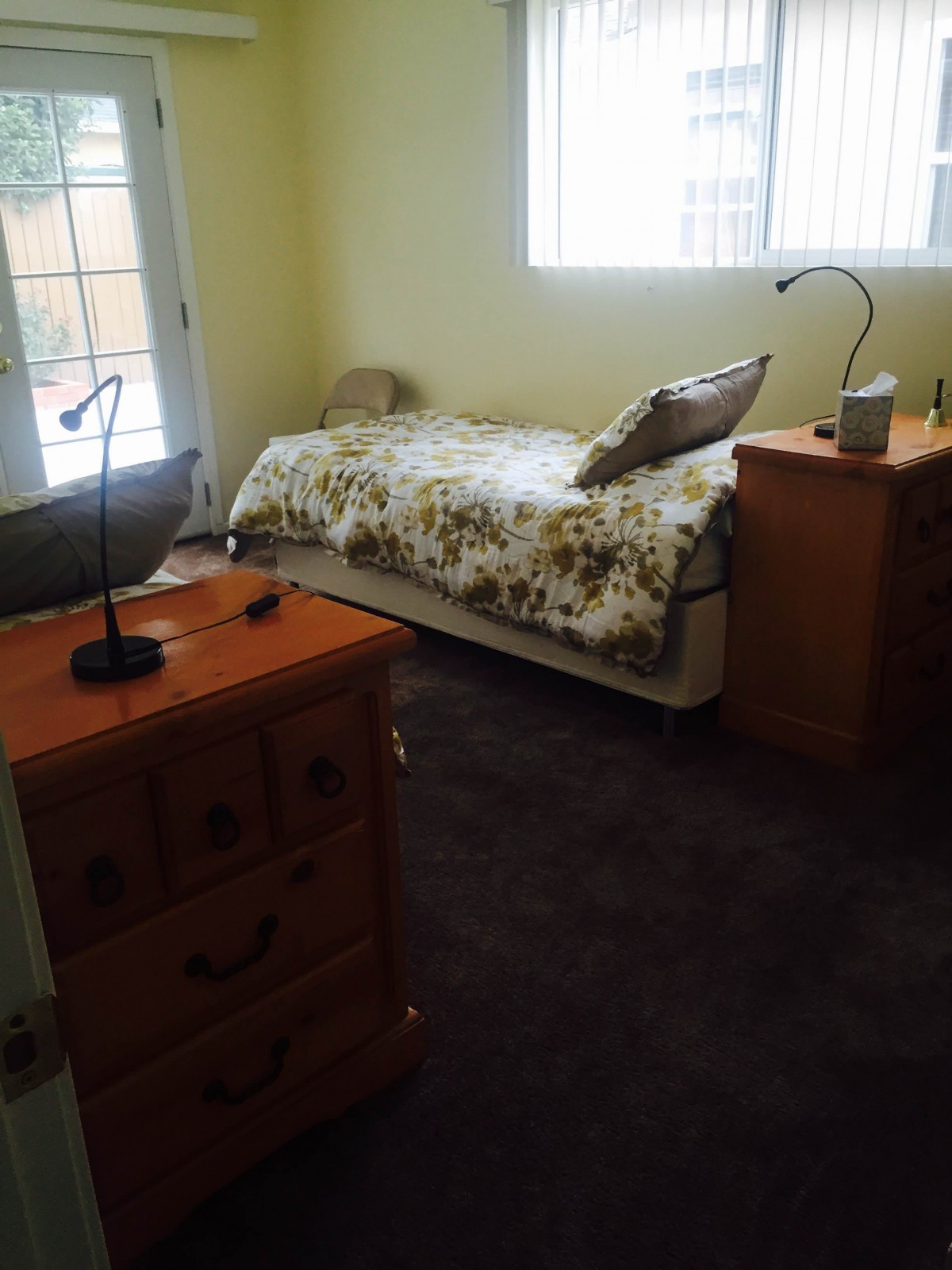
Good Life Senior Living, Inc. offers competitive pricing for its semi-private rooms at $2,399 per month, which presents a significant cost advantage compared to the average rates in Los Angeles County and across California. In comparison, residents can expect to pay approximately $3,349 in Los Angeles County and around $3,333 statewide for similar accommodations. This favorable pricing not only positions Good Life Senior Living as an appealing option for those seeking quality senior living solutions but also underscores its commitment to providing accessible care without compromising on comfort or services.
| Floor plans | Good Life Senior Living, Inc. | Los Angeles County | California |
|---|---|---|---|
| Semi-Private | $2,399 | $3,349 | $3,333 |
Memory care communities with a similar price nearby
-
from +$351 / mo
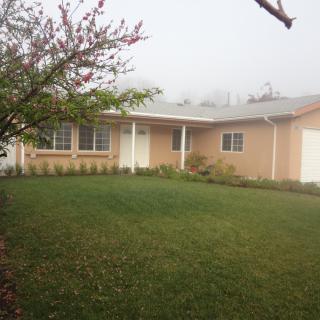
Dignity Care Home 1
$2,750 to $4,150 / month2.9 miles away -
from -$199 / mo
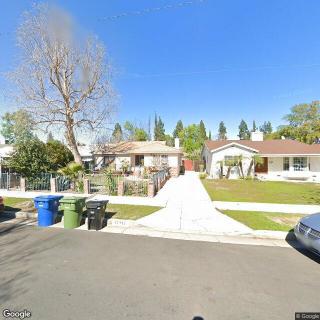
Granada Hills Gardens
$2,200 to $3,500 / month4.6 miles away -
from +$101 / mo
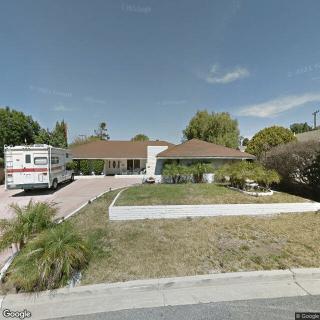
Familycare Cottage IV
$2,500 to $4,500 / month19.7 miles away -
from +$101 / mo
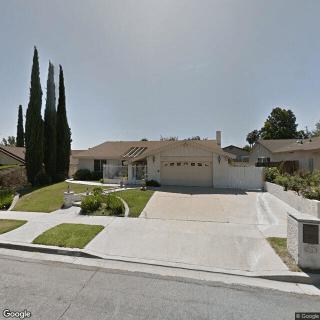
Sunrise Guest Home
$2,500 to $3,000 / month14.3 miles away -
About the same

Leisure Living
$2,400 to $3,000 / month15.8 miles away
Overall Review of Good Life Senior Living, Inc.
Pros
 The administrator is very hands-on and acts as a case manager.
- Her expertise in working with families and overseeing care plans is a wonderful service.
- The home is licensed for dementia care.
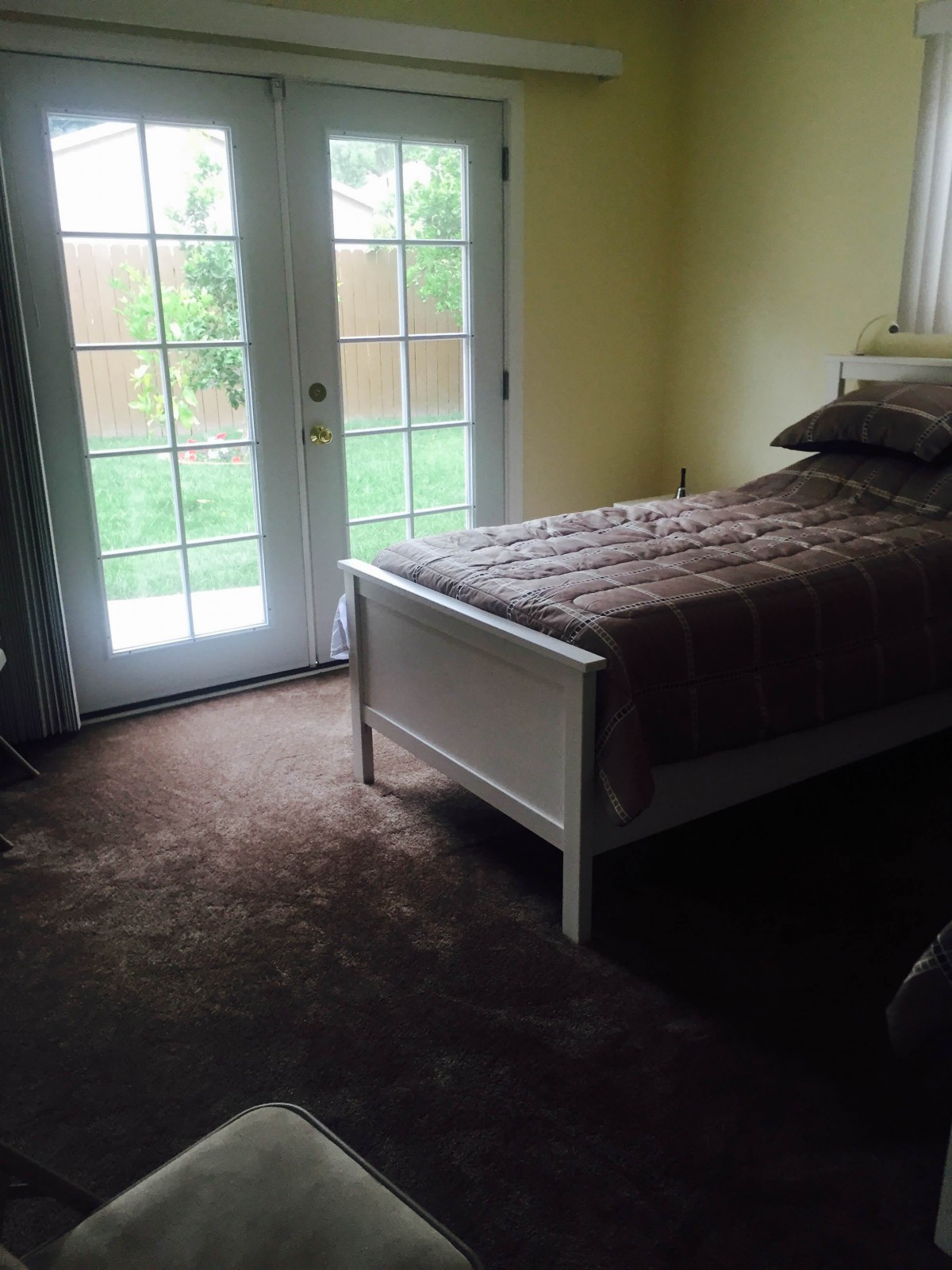
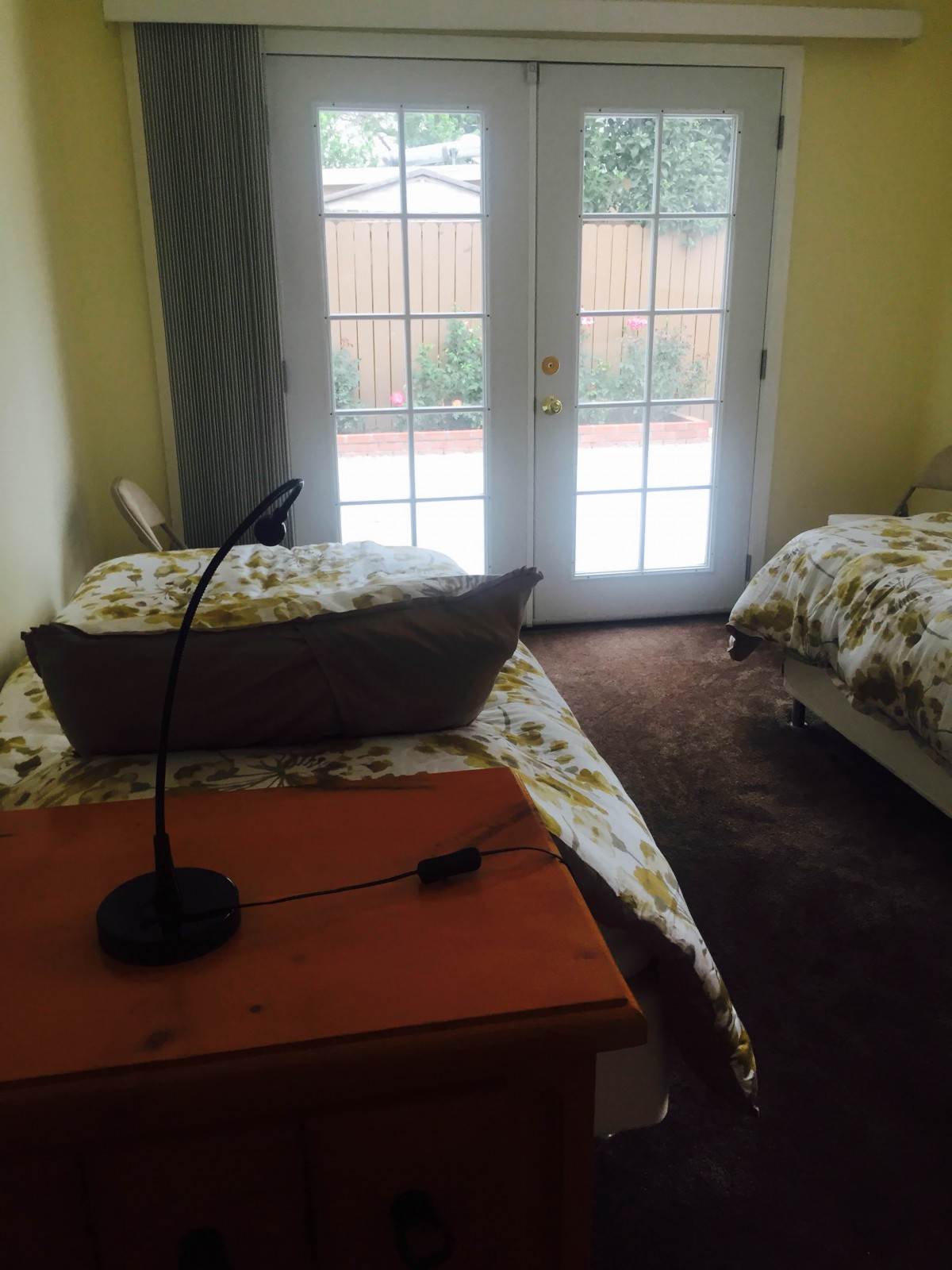
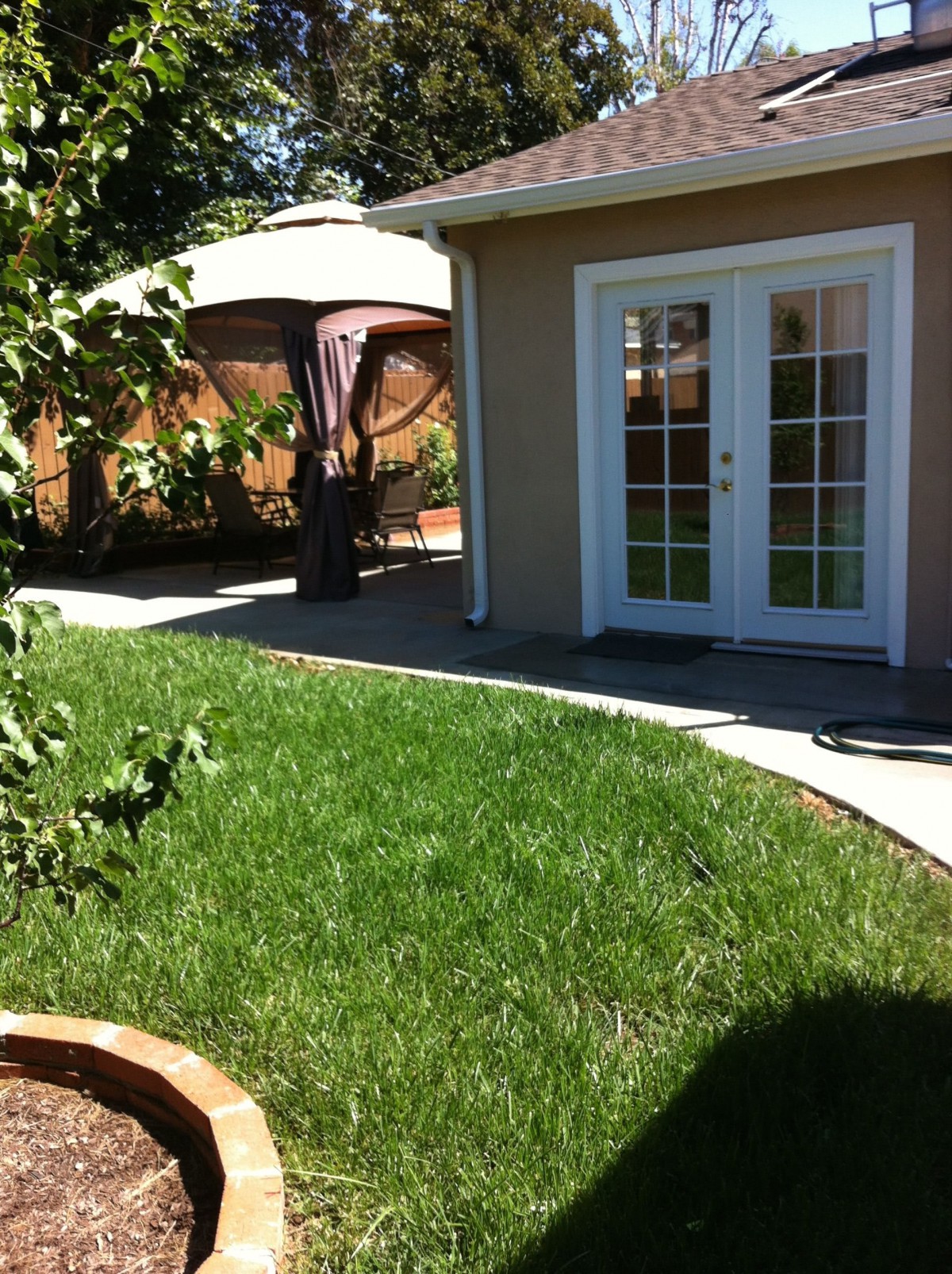
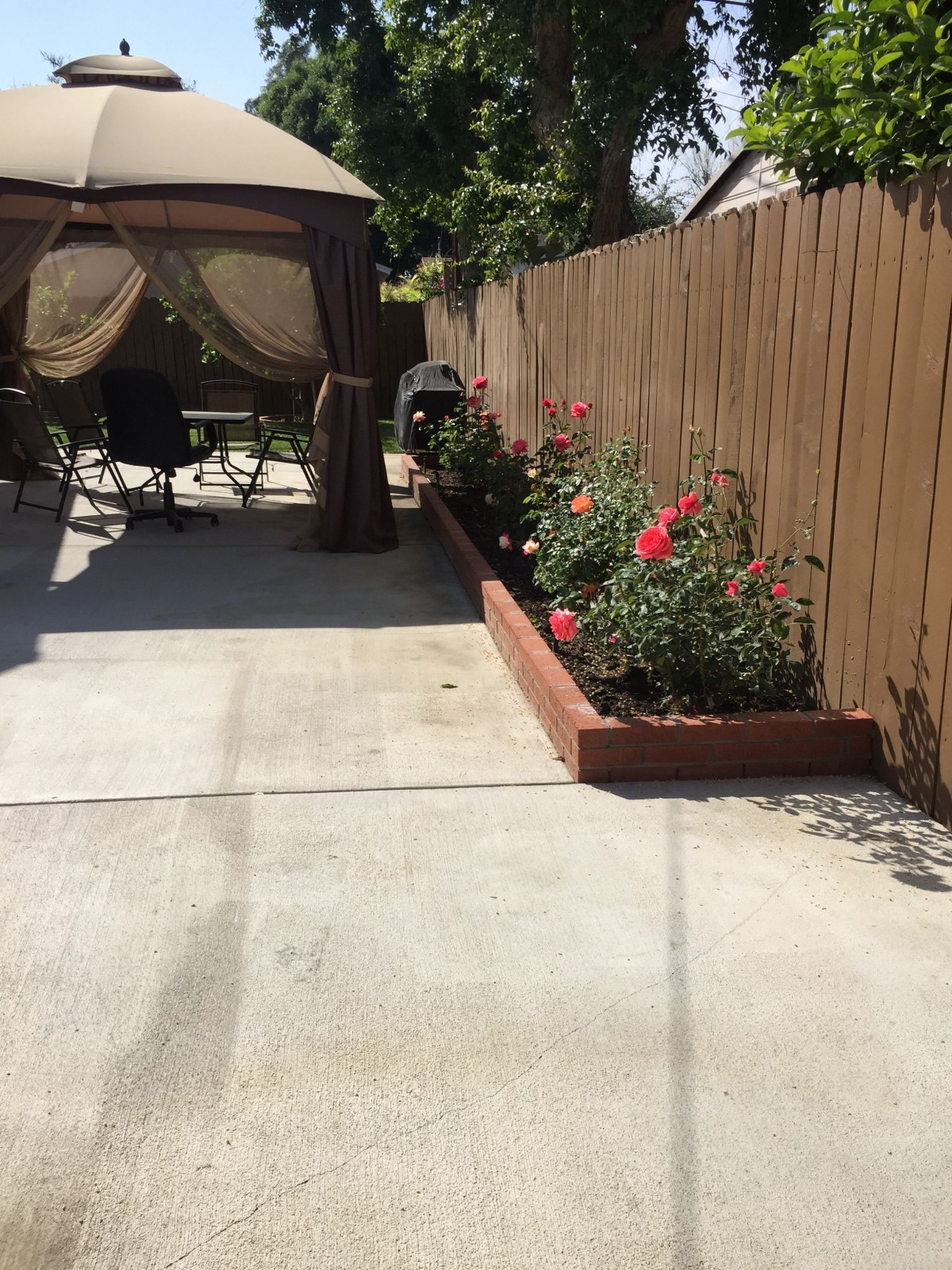
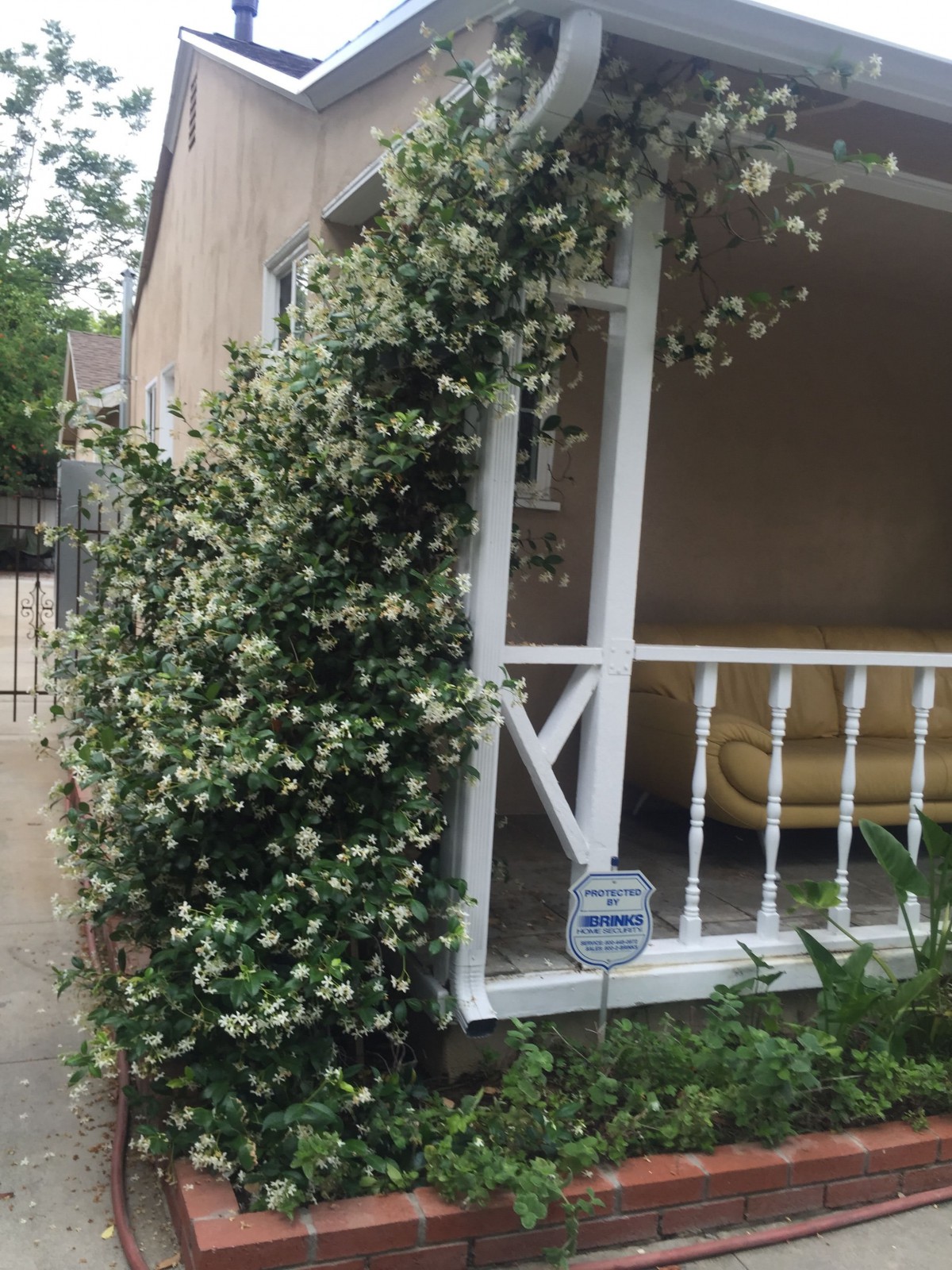
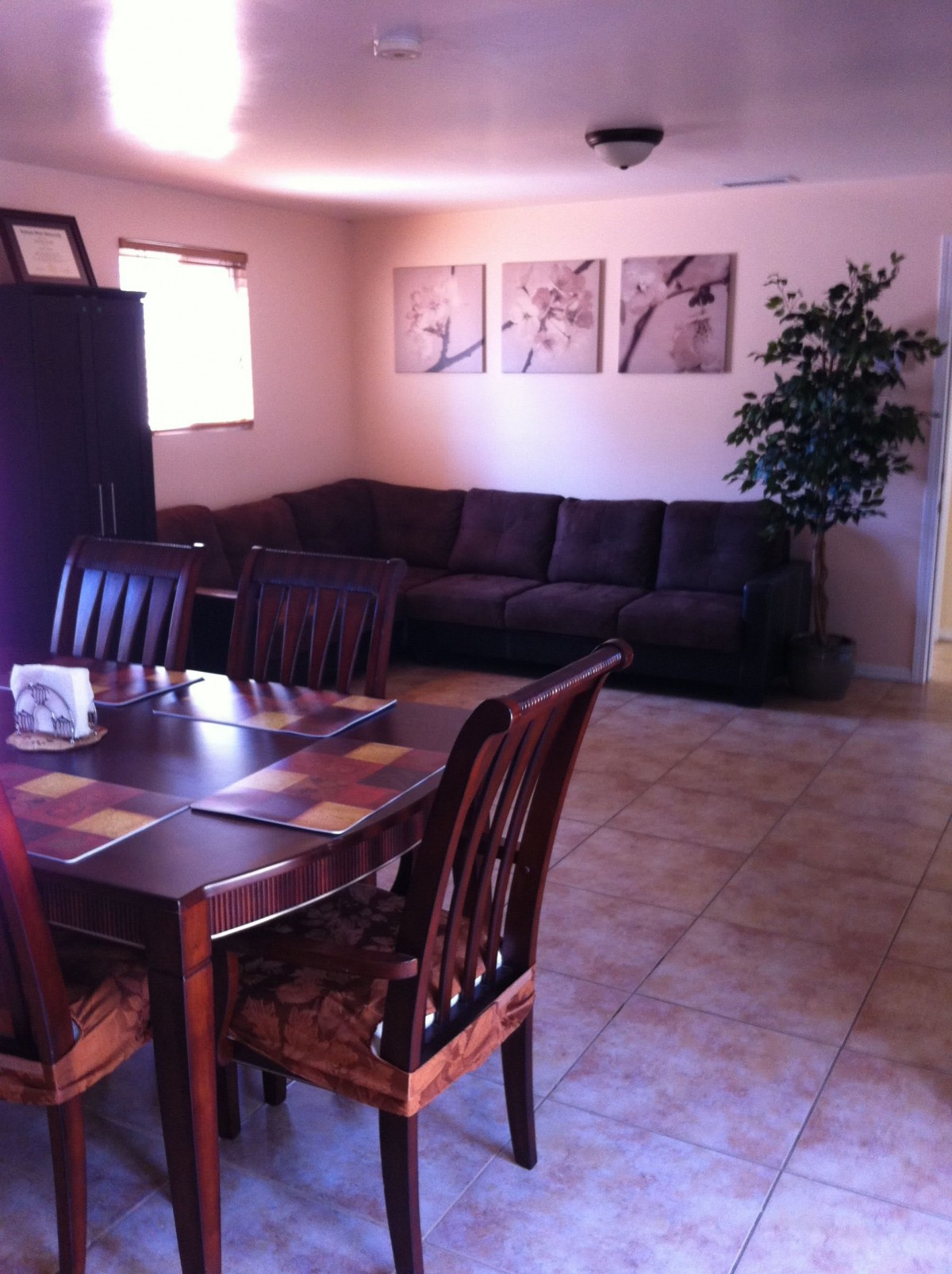
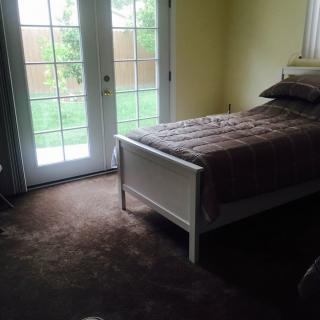
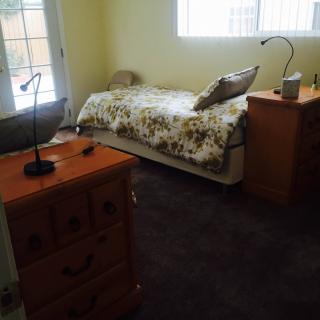
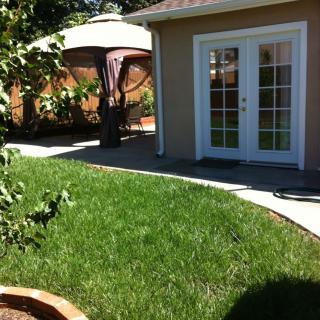
- The home is inviting, homey yet spacious, and has recently opened.
- Prospective residents are encouraged to visit soon or join the waiting list.
- The home is likely to please visitors with its services.
Review
Good Life Senior Living in Reseda is best suited for families seeking dementia-capable care in a small, home-like setting where a hands-on administrator coordinates care. The community is licensed for dementia care, and the administrator functions as a case manager, guiding families through care-planning decisions and maintaining ongoing oversight. The facility presents as inviting and spacious, with a fresh, open feel typical of a newly opened home. For families who want close day-to-day involvement from leadership and a setting that prioritizes personalized attention, this community offers a compelling fit. Those who need rapid placement should understand capacity can be limited as the home builds its enrollment.
However, those who prioritize a long track record of consistency or a larger, more experienced operation may want alternatives. The setting is new, which often means teething pains in staffing, routines, and established programming. Reviewers’ mixed signals, strong praise for leadership contrasted with a middling overall rating, suggest that outcomes can be variable. Families seeking a robust activity calendar, predictable staffing patterns, or transparent, established pricing may find a more settled option elsewhere in the San Fernando Valley.
Key strengths center on the administrator’s direct involvement. A professional who functions as both administrator and care-planner keeps families in the loop and ensures care plans are aligned with changing needs. The facility’s dementia license signals a formal framework for memory-care routines, safety protocols, and staff training. The homey, spacious atmosphere supports comfort and reduces agitation for memory-impaired residents. As a newly opened community, the layout and systems may be more modern and easier to navigate, with potential for customization as staff settle in. The call to visit ASAP or place a name on a waiting list indicates readiness and momentum.
Nevertheless, the downside cannot be ignored. With a 2.8 rating across six reviews and several one-star experiences, there is a clear signal that consistency may lag. The lack of detailed negative feedback makes it hard to diagnose specific shortcomings, but the resonance of low scores implies possible issues in care quality, reliability of staffing, or communication that families must probe during visits. A new home often battles onboarding challenges, and while strong leadership can mitigate some risk, sustained performance requires ongoing verification. Prospective residents should anticipate potential variability until the community proves it can maintain standards.
Where the positives can offset the concerns is in the governance model and care-planning rigor. A dedicated administrator who oversees care plans reduces the risk of miscommunications and ensures families remain partners in daily care decisions. The focus on dementia care provides a structured environment that can translate into clearer routines, safer memory-care practices, and targeted therapies. The intimate scale of a small, home-like setting often yields more responsive staff attention than larger communities. With disciplined visits, explicit care-plan reviews, and a clear process for starting services, families can tilt toward a dependable, personalized care trajectory.
Final take: Good Life Senior Living is a plausible choice for families who prioritize memory-care leadership, a personal touch, and a homelike atmosphere, recognizing the facility is still proving itself. It is not the default option for those who require a long-standing operating record or a predictably high-performance program across dozens of residents. We recommend structured due diligence: tour the community with questions ready about staffing ratios, dementia-appropriate activities, safety measures, weekly care-plan reviews, and pricing clarity; request to meet the administrator and the care manager; seek up-to-date references; and consider a short-term placement to observe compatibility. When expectations and outcomes align, this community can deliver high-touch, dementia-focused care in a small setting.
 Board and Care Home
 Memory Care
 Cats allowed
 Dogs allowed
 Activities off-site
 Beautician on-site
 Indoor common areas
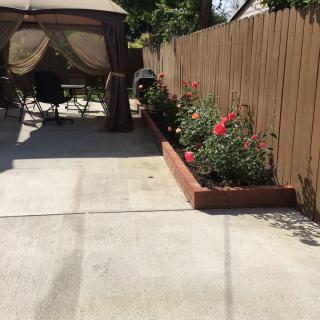
 Outdoor common areas
 Swimming pool / hot tub
 Wheelchair accessible showers
 Burbank-Glendale-Pasadena (9 miles away)
 Diabetic care
 High acuity care
 Incontinence care
 Medication management
 Kosher
 Art classes
 Gardening club
 Sensory-based programs
 Stretching classes


 A Detailed Exploration of Assisted Living Medicaid Waivers Across the United States
 Exploring the Contrasts Between Assisted Living and Skilled Nursing
 Vibrant Senior Living: A Comprehensive Guide for Active Older Adults