
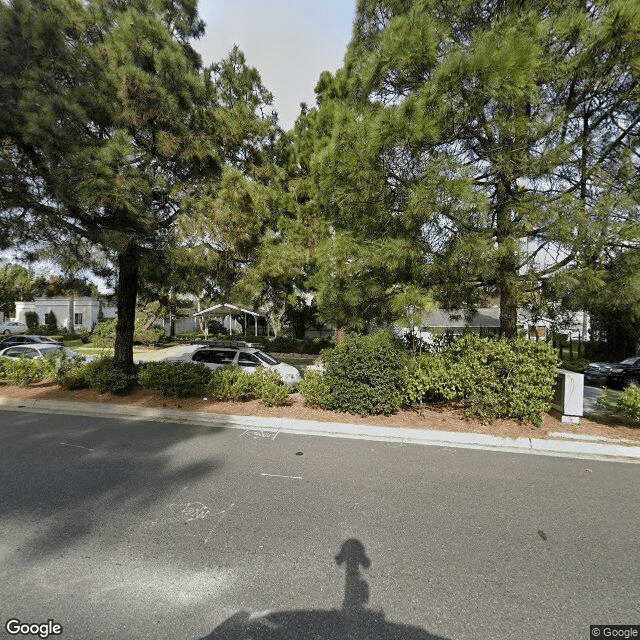
27711 Hawthorne Blvd., Rancho Palos Verdes, CA 90275
To contact a resident: (310) 989-1941
For more information about senior living options: (866) 208-4318
Golden Care Living IV Costs & Pricing
Golden Care Living IV offers competitive pricing for its services in comparison to both Los Angeles County and the broader California state averages. The monthly cost for a semi-private room at Golden Care Living IV is $4,000, notably higher than the county average of $3,349 and the state average of $3,333. For those seeking more privacy, both 1-bedroom and private accommodations are priced at $5,500, which exceeds the county's 1-bedroom average of $4,603 and private room average of $4,197, as well as California's averages of $4,340 for 1-bedroom and $3,939 for private rooms. This pricing structure reflects Golden Care Living IV's commitment to providing enhanced care options that may include superior amenities or personalized services tailored to residents' needs.
| Floor plans | Golden Care Living IV | Los Angeles County | California |
|---|---|---|---|
| Semi-Private | $4,000 | $3,349 | $3,333 |
| 1 Bedroom | $5,500 | $4,603 | $4,340 |
| Private | $5,500 | $4,197 | $3,939 |
Memory care communities with a similar price nearby
-
from -$500 / mo
Kind Heart Home Care VI
$3,500 to $5,000 / month5.3 miles away -
from -$500 / mo
Sunny Ridge Manor Home
$3,500 to $4,000 / month24.7 miles away -
from -$200 / mo
Rose Garden Villa II
$3,800 to $6,000 / month12.5 miles away -
About the same
Sakura Gardens of Los Angeles
$3,920 to $4,535 / month20.6 miles away -
from +$500 / mo
Blessings Senior Care
$4,500 to $5,500 / month22.9 miles away
Overall Review of Golden Care Living IV
Pros
 The service is good.
- The reviewers describe the service as good.
Cons
 They describe the experience as horrible and doubt that A Place for Mom vetted the places they refer to.
- They claim the owners are cheap and care more about money than the residents' well-being.
- They allege one couple works there; they fix meals for themselves and give everyone else slop.
- They say the staff ignore residents and do their own thing, watching TV.
- They accuse the staff of pressuring residents and, if family isn’t nearby, drugging residents to avoid bothering them.
- They assert there is no compassion and no medical skills.
- They believe the facility should be closed down.
- They emphasize that this is their opinion based on their experience.
Review
Golden Care Living IV in Rancho Palos Verdes is best suited for seniors who mostly need basic assistance and for families willing to supervise care closely while operating on a modest budget. The setting appeals to residents who value independence over intensive support and prefer a quieter, coastally located environment. It may work for individuals who can self-advocate, handle daily routines with limited hands-on help, and don’t want to pay for high-touch medical oversight. Prospective residents should enter with the understanding that care is highly dependent on a small, potentially stretched staff and that consistency of attention will hinge on the reliability of a limited team.
Those needing reliable daily help, continuous medical management, or a consistently responsive staff should strongly consider alternatives. For anyone with memory care needs, significant mobility issues, or medications requiring careful, around-the-clock oversight, this community is unlikely to meet expectations. Families prioritizing transparent staffing schedules, proactive clinical presence, and robust safety protocols will find better options elsewhere. In short, this is not a fit for residents who rely on steady, professional caregiving and immediate access to medical support.
On the surface, there is a glimmer of service that might hint at reasonable day-to-day operations. One positive note suggests decent, satisfactory service at times, implying some staff attentiveness and a basic level of hospitality can occur. However, that faint signal is overwhelmed by the weight of more troubling accounts. The single favorable impression fails to establish a dependable pattern, and it cannot compensate for the broader concerns raised about staffing adequacy, programming, and genuine resident engagement.
The most consequential red flags revolve around staffing gaps and quality of care. Reports describe minimal night coverage, with only a few workers on duty and limited supervision after hours. The facility allegedly prioritizes meals over meaningful resident interaction, with accounts of residents being ignored or sidelined in favor of television or personal agendas. Even more alarming are allegations of pressure related to medication and a lack of compassion or medical skill among staff. Taken together, these issues paint an environment that raises serious safety and dignity concerns for vulnerable residents.
Because these significant drawbacks overshadow any potential cost savings, the overall value proposition collapses for most families. The perceived low price is not a justifiable trade-off for inconsistent attention, questionable meal quality, and a troubling impression of neglect. When safety, regular supervision, and basic clinical support are non-negotiable, the described conditions make the risk profile too high. In practice, the pros do not meaningfully offset the cons, rendering this community a riskier choice for those seeking dependable care.
For families still weighing options, a disciplined due-diligence path is essential. Schedule a thorough tour and insist on meeting the direct care staff, especially night-shift personnel, to gauge actual coverage. Request current care plans, medication management policies, and direct answers about who coordinates medical needs. Check licensing records, inspection reports, and speak with current or past residents’ families about day-to-day experiences. If a facility must deliver consistent 24/7 supervision, robust clinical oversight, and compassionate, engaged care, this community should be crossed off the shortlist in favor of options with proven staffing reliability and transparent care practices.
 Board and Care Home
 Memory Care
 Cats allowed
 Dogs allowed
 Activities off-site
 Beautician on-site
 Devotional services on-site
 Ground floor units
 Handicap accessible
 Indoor common areas
 Outdoor common areas
 Private
 Private bathrooms
 Respite or short term stays offered
 Wheelchair accessible showers
 Los Angeles International (11 miles away)
 Diabetic care
 High acuity care
 Medication management
 Gluten-free
 BBQs or picnics
 Forever fit
 Karaoke
 Live dance or theater performances
 Live musical performances
 Live well programs
 Trivia games
 Wii bowling


 Understanding Dementia Through Its Seven Stages: A Comprehensive Look at Progression and Expectations
 Safeguarding Your Memory Through the Golden Years: Eight Ways to Preserve Cognitive Health
 Comprehensive Insights into Activities of Daily Living (ADLs) and Their Assessment