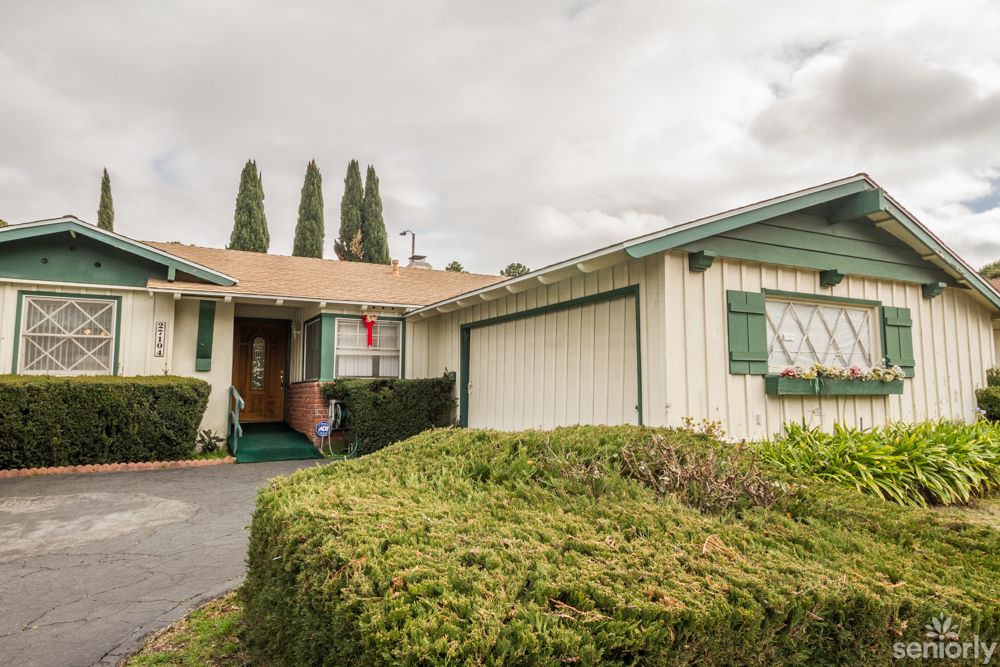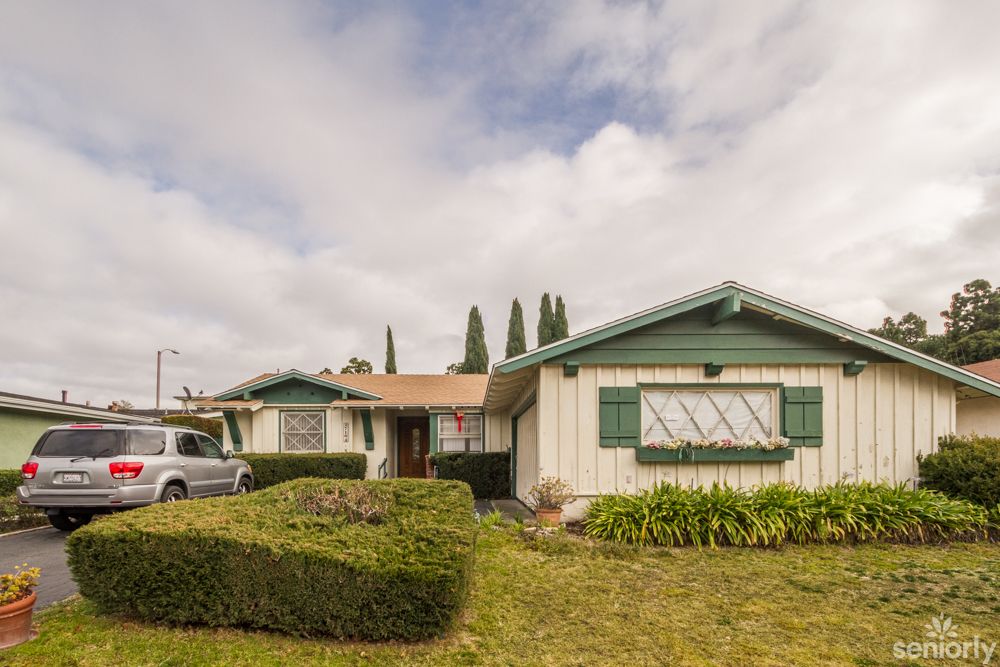
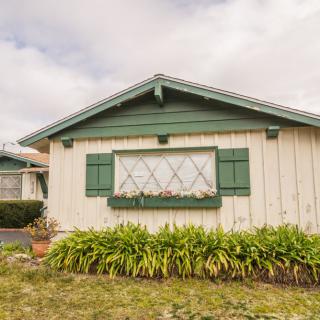
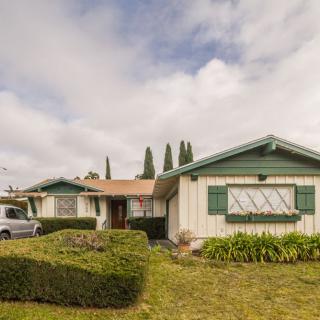
27104 Fond Du Lac Road, Rancho Palos Verdes, CA 90275
For more information about senior living options: (866) 208-4318
Court Yard Estates Costs & Pricing
At Court Yard Estates, the monthly costs for various room types reflect a premium that distinguishes it from the broader market in Los Angeles County and California as a whole. For a semi-private room, residents can expect to pay $5,000, which is notably higher than the county's average of $3,349 and the state average of $3,333. Similarly, studio accommodations are priced at $6,000, significantly above both local and statewide averages of $4,172 and $4,145 respectively. The cost for a private room also stands at $6,000 - again surpassing the county's average of $4,197 and California's more modest average of $3,939. These figures suggest that while Court Yard Estates offers an upscale living experience with potentially enhanced services or amenities, it does come at a higher price point compared to its regional counterparts.
| Floor plans | Court Yard Estates | Los Angeles County | California |
|---|---|---|---|
| Semi-Private | $5,000 | $3,349 | $3,333 |
| Studio | $6,000 | $4,172 | $4,145 |
| Private | $6,000 | $4,197 | $3,939 |
Memory care communities with a similar price nearby
-
from +$500 / mo
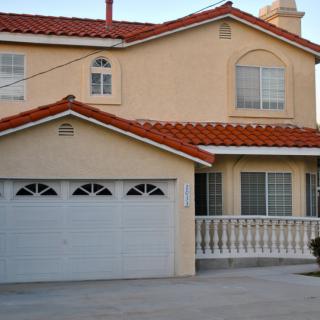
Kind Heart Home Care III
$5,500 to $6,000 / month4.3 miles away -
from -$500 / mo
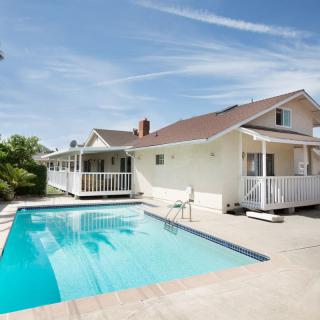
Blessings Senior Care
$4,500 to $5,500 / month22.5 miles away -
About the same
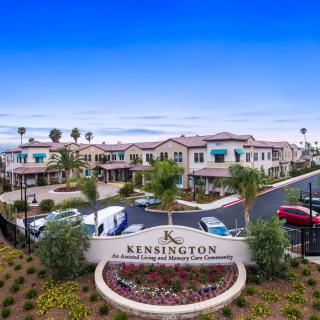
The Kensington Redondo Beach
$4,995 to $11,498 / month3.5 miles away -
from +$200 / mo
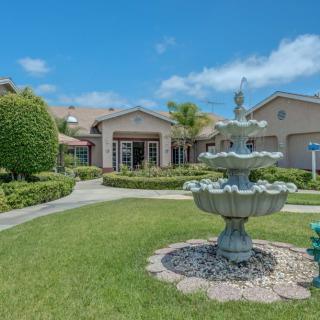
Crescent Landing at Garden Grove Memory Care
$5,200 to $8,720 / month20.0 miles away -
from -$500 / mo
Sweet Home Care
$4,500 / month22.6 miles away
Overall Review of Court Yard Estates
Pros
 The Canterbury nursing staff are wonderful and become a second family to residents.
- They care for residents with sensitivity as their health declines.
- They keep residents comfortable in their last days and never give up.
- The staff are compassionate and caring.
- The Canterbury is a safe, caring home for residents during their final months.
- It is an excellent retirement facility with lots of activities.
- The care at this community is outstanding.
- The community is clean and enjoyable, with an outstanding and appealing menu.
- The activities are helpful for resident participation.
- The home has a great philosophy toward caregiving, with well-kept grounds and spacious rooms.
Cons
 The Canterbury has one big negative when visiting residents there.
- The lobby is fairly small and there is no area to sit down comfortably for a little chat with a resident.
- Not every visitor is comfortable spending time with the resident at their apartment.
- Whoever designed this facility did not think of this comfort zone for both the resident and the visitor.
- The reviewer says the Canterbury is way overrated.
Review
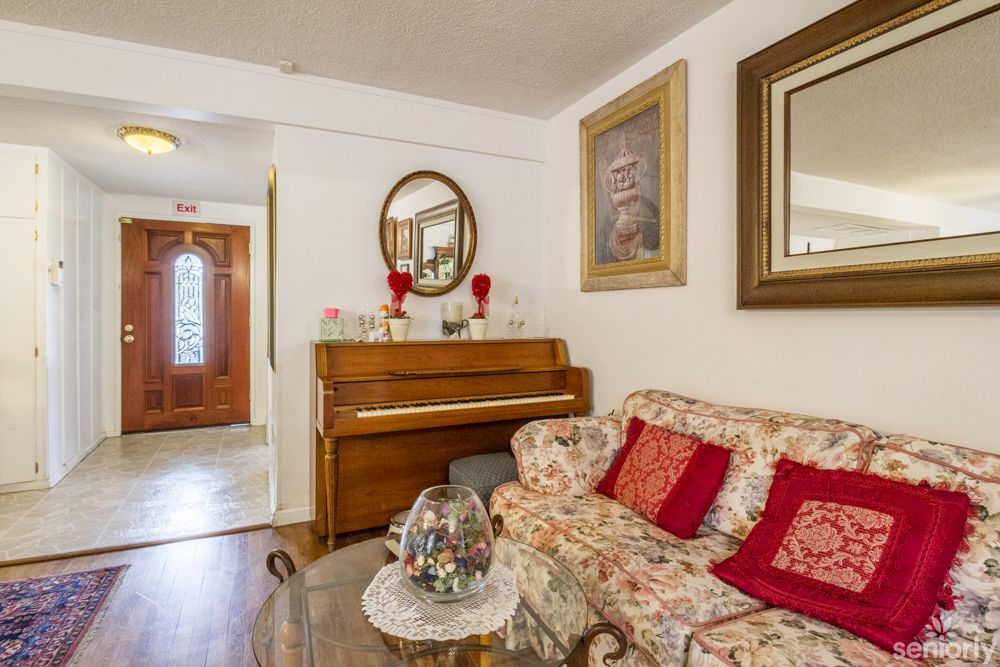
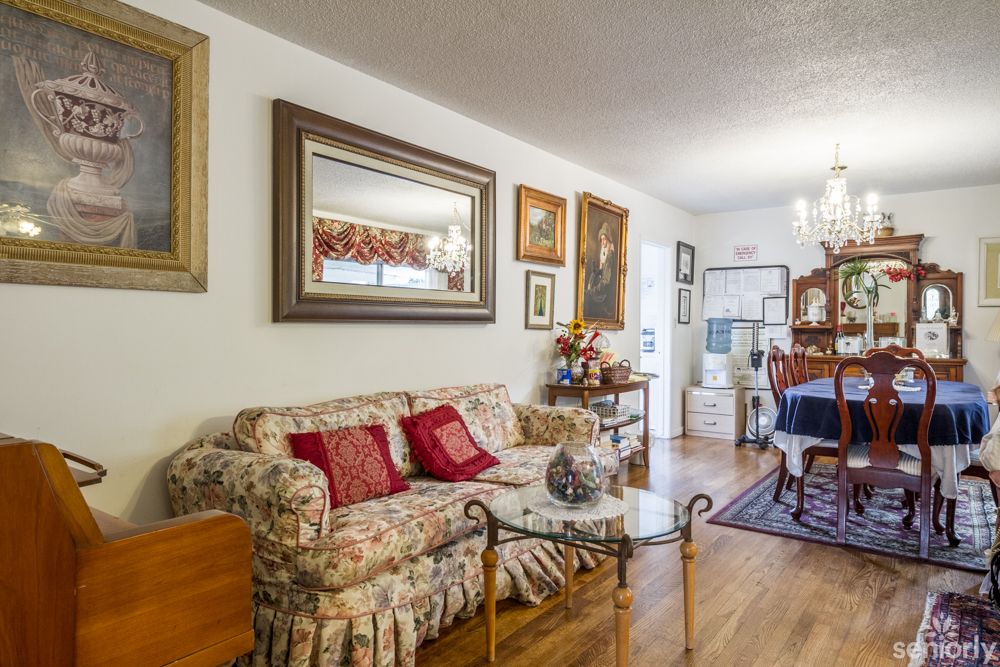
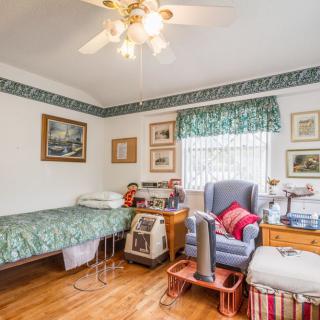
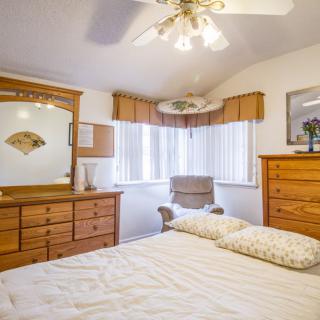
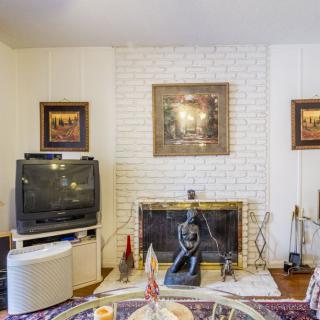
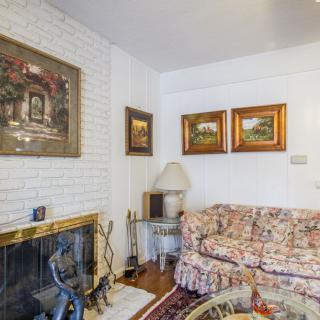
Court Yard Estates in Rancho Palos Verdes is best suited for families that want robust on-site nursing support and a warm, caregiving culture for a loved one who may need extended assisted-living services or even end-of-life care without leaving the community. The setting combines pleasant surroundings with a staff approach that many families describe as a comforting, family-like partnership during difficult health journeys. For seniors who prioritize care continuity, social engagement, and a safe home environment over high-end privacy features, this community often checks the right boxes.
The strongest asset is the nursing and caregiving team. Reviews repeatedly highlight 24/7 nursing presence and deeply compassionate staff who treat residents like family. In one poignant account, staff stayed with a loved one through the terminal decline, keeping him comfortable and never giving up. That level of dedication translates into a reliable safety net for families who fear gaps in daily medical attention or slow response to changes in health. The emotional resonance of such care matters when a resident’s needs become complex, and Court Yard Estates demonstrates a capability to deliver that steadiness.
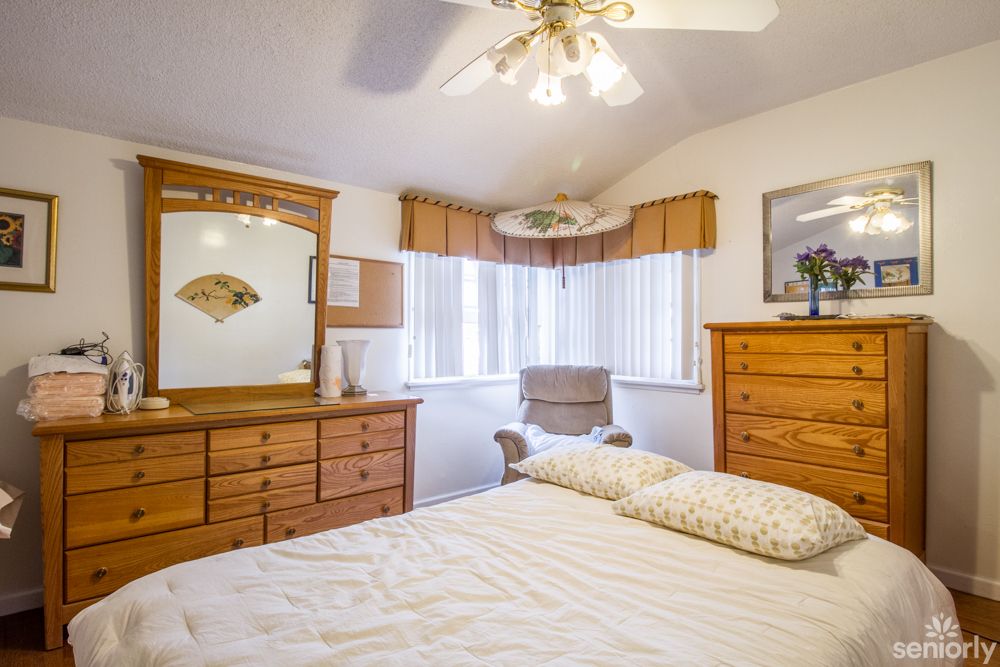
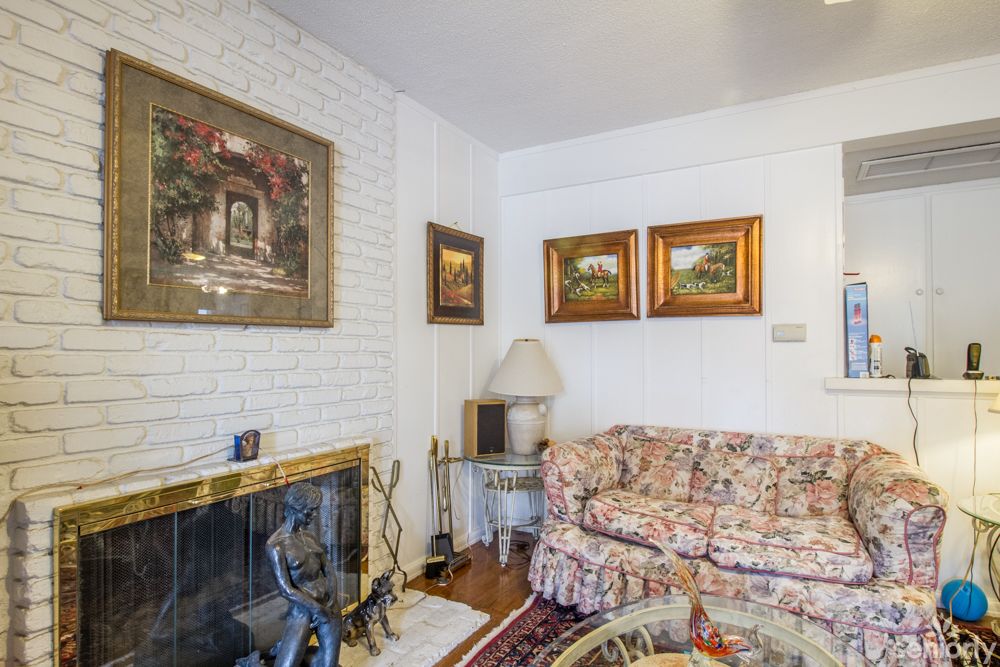
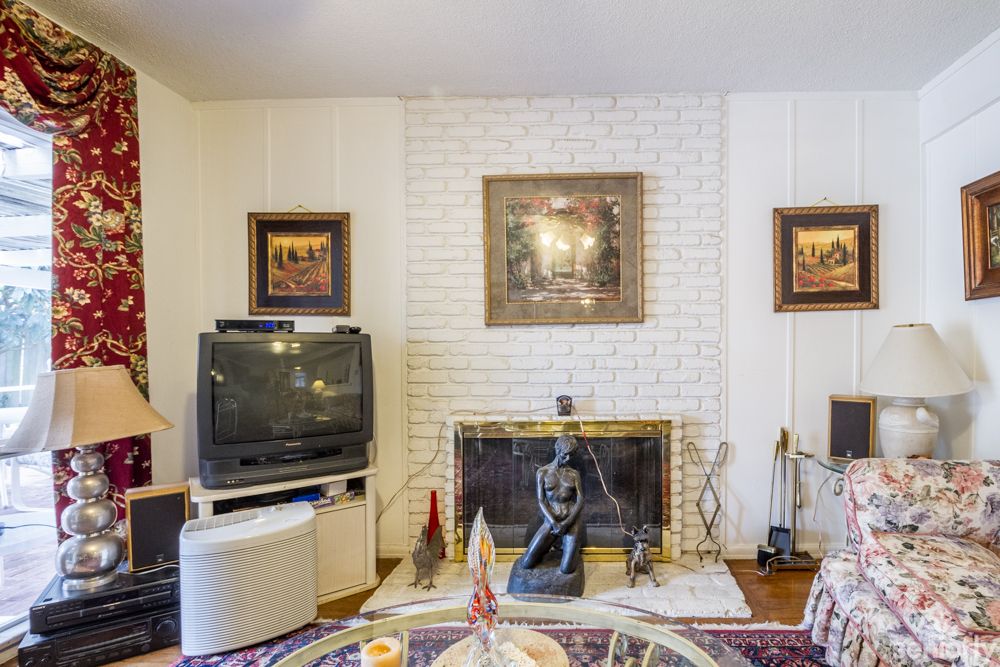
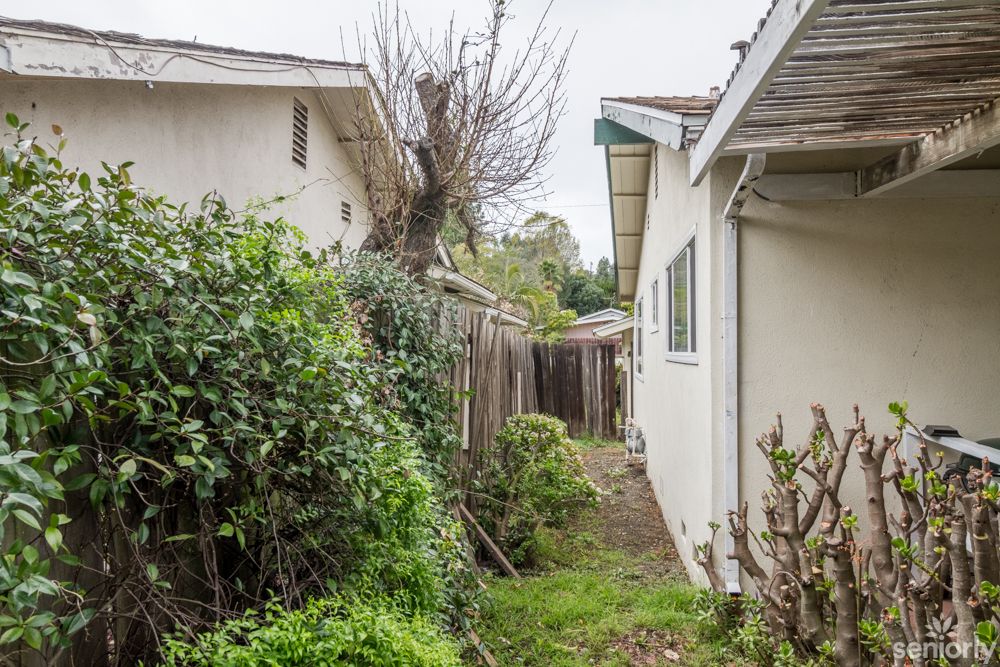
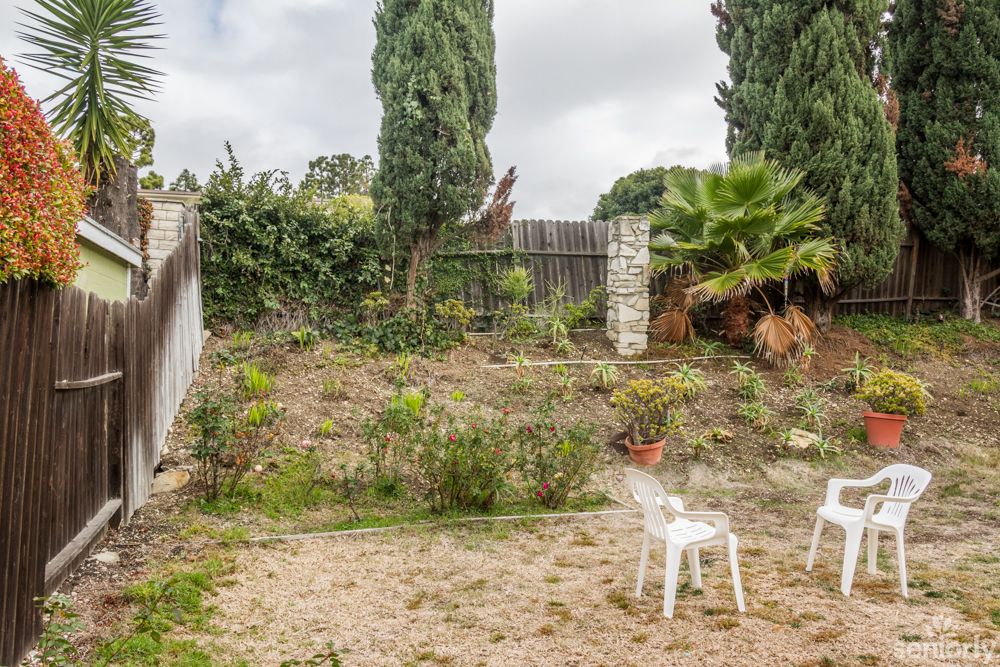
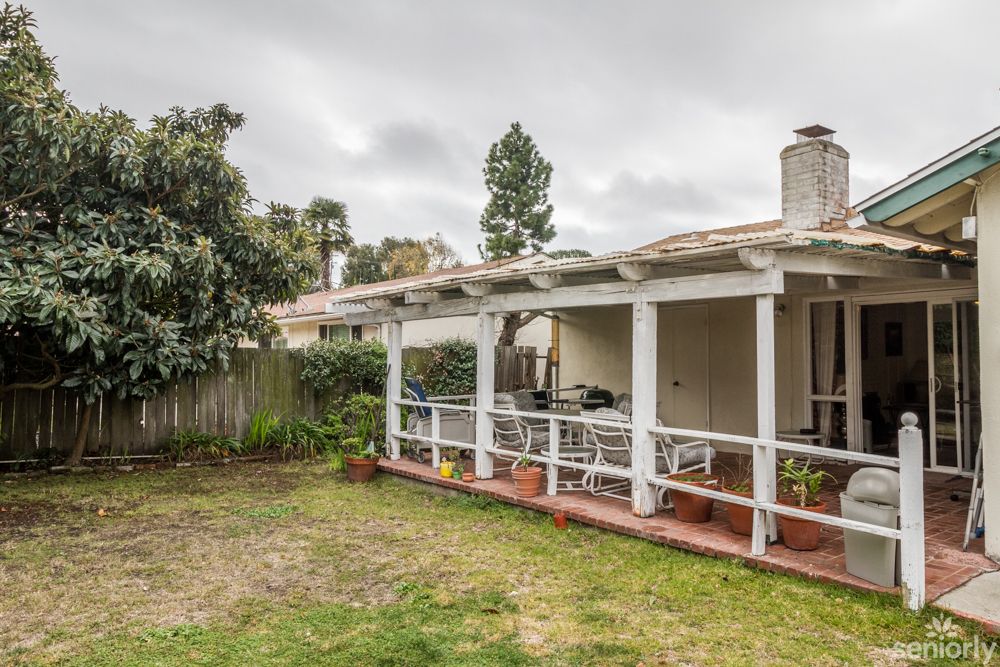
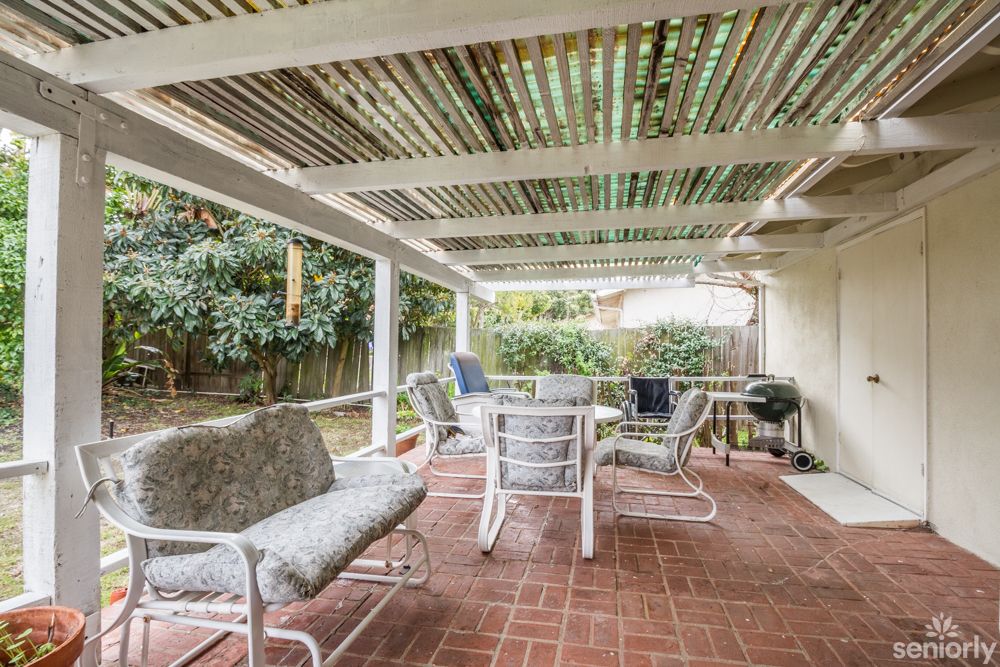
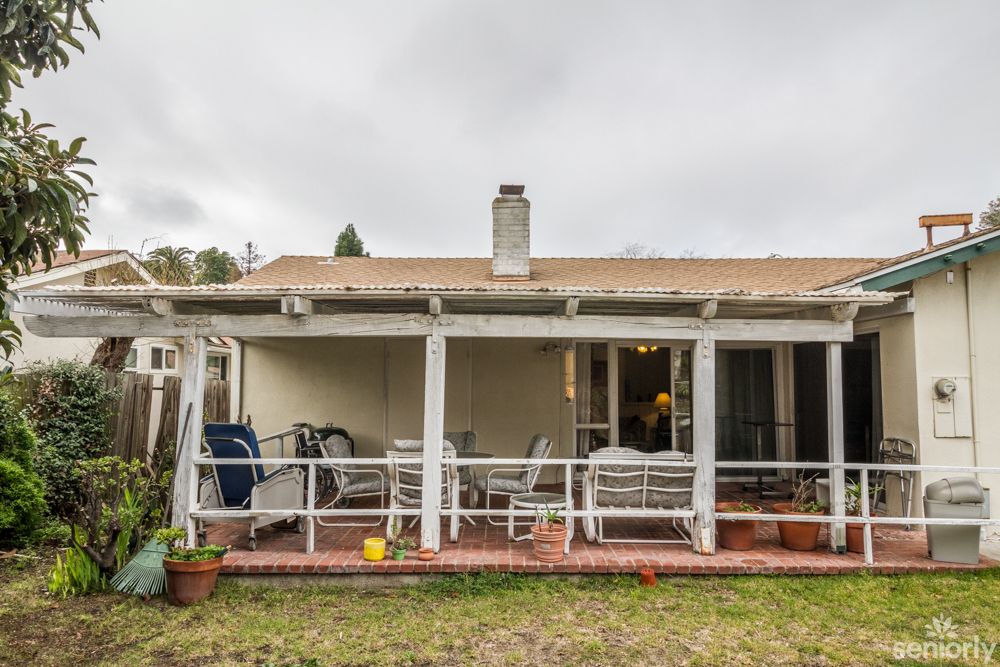
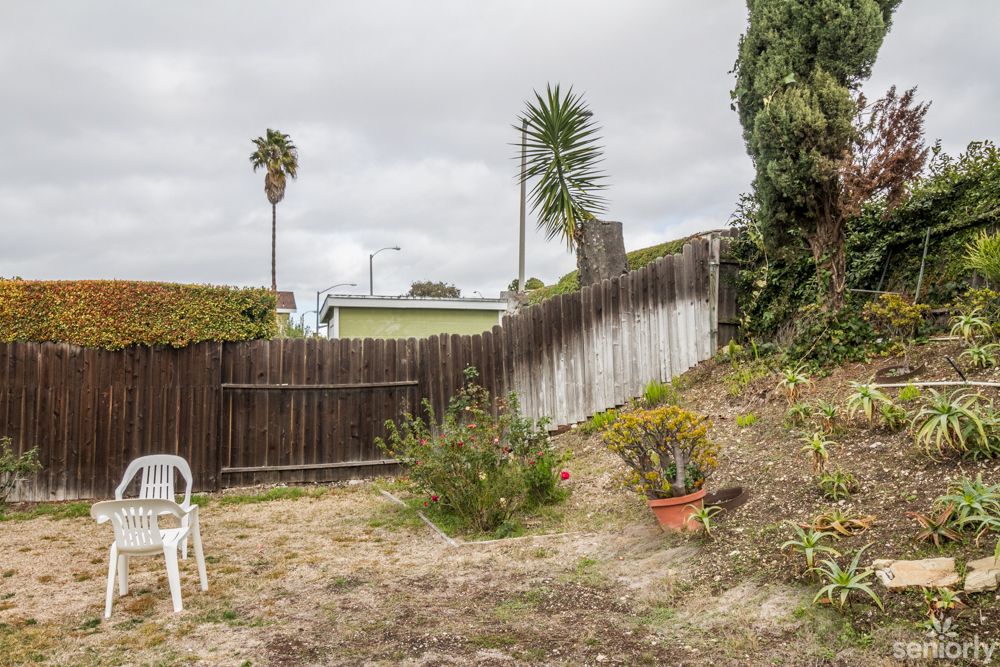
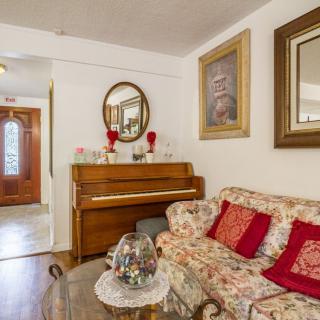
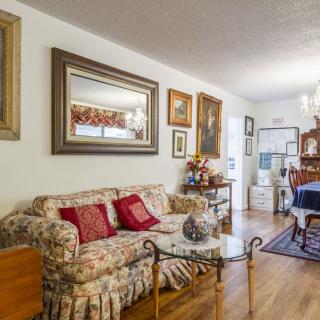
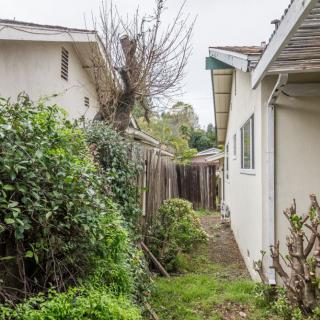
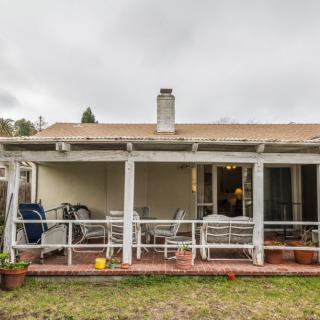
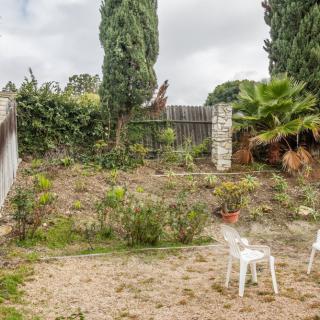
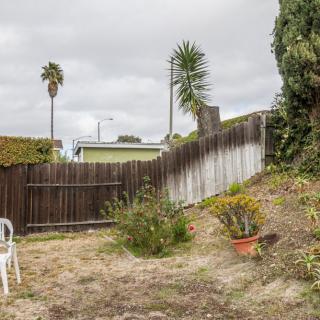
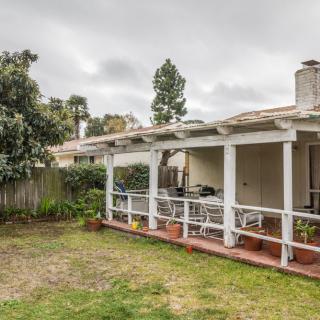
Beyond caregiving, the community earns praise for cleanliness, tasteful amenities, and engaging programs. Residents and families consistently note well-kept grounds, appealing menus, and a calendar of activities that keep people connected and involved. The overall living environment is described as pleasant and welcoming, with large rooms that contribute to a comfortable, home-like atmosphere. These functional strengths, cleanliness, good nutrition, and meaningful engagement, offset less glamorous realities and help sustain quality of life day to day.
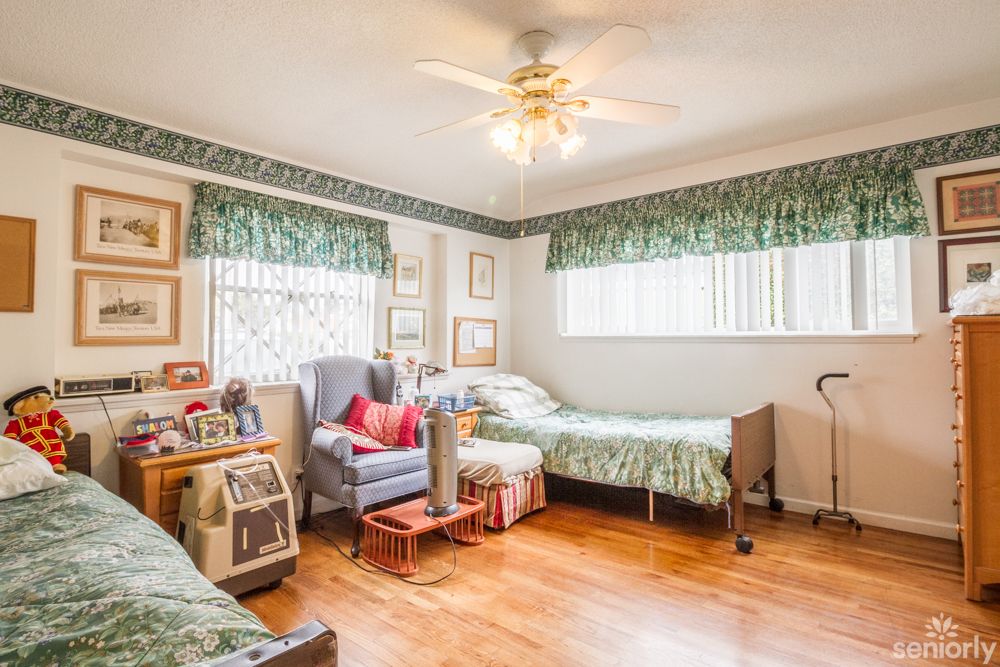
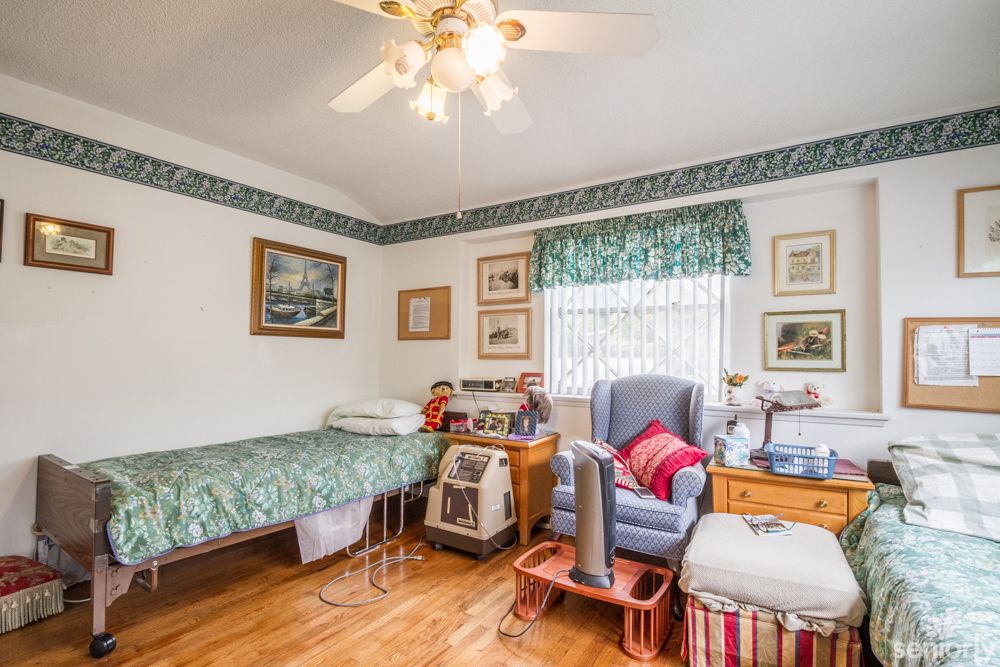
Nonetheless, some structural drawbacks temper the overall appeal. A recurring point is the absence of private rooms, with some reviews noting that the rooms are large but shared. For families who place a premium on personal privacy or quiet, this could be a meaningful trade-off. Similarly, the property’s lobby and common-area design receive mixed feedback: while the interior is pleasant, the lobby can feel cramped, with seating arrangements that are not conducive to relaxed, private conversations with a resident. In practice, this means a visit may feel less intimate than hoped, especially for longer chats or family gatherings.
Staffing levels during the day also surface as a practical consideration. One reviewer mentions about three staff members on site during the day, which can influence responsiveness and the ability to sustain a highly interactive environment for all residents at peak times. For families seeking highly individualized attention or innovative programming for every shift, this staffing snapshot warrants a closer look. Still, the caregivers who are on duty are described as kind and engaged, suggesting that the culture remains person-centered even if coverage varies by hour.
For decision-making, this community is a strong fit for those prioritizing dependable medical support, a warm caregiving ethos, and a social, activity-rich atmosphere. Alternatives should be on the radar for families who value private rooms and more expansive, visitor-friendly public spaces, or who require a higher daytime staff-to-resident ratio. If the primary goals are consistent, compassionate care and an environment that feels like home, Court Yard Estates delivers on those fronts. Pros offset the cons where meaningful: the caregiving depth, safety, and lifestyle amenities provide a compelling value, while the main caveats, private-room absence, lobby layout, and daytime staffing considerations, are concrete points to verify through a direct visit and a candid conversation with the team.
 6 resident community capacity
 1-bedroom apartments
 Assisted Living
 Board and Care Home
 Memory Care
 Respite Care
 Activities on-site
 Cable or satellite TV
 Devotional services off-site
 Dining room
 Fully furnished
 Garden
 Housekeeping services
 Indoor common areas
 Move-in coordination
 Outdoor space
 Private
 Small library
 Telephone
 Wheelchair accessible showers
 Los Angeles International (11 miles away)
 24-hour supervision
 Assistance with bathing
 Assistance with dressing
 Assistance with transfers
 Diabetes diet
 Diabetic care
 Incontinence care
 Meal preparation and service
 Medication management
 Mental wellness program
 Special dietary restrictions


 When to Transition from Assisted Living to Memory Care: Key Indicators, Steps, and Finding the Right Community
 Understanding the Distinctions: Assisted Living and Memory Care Explained
 How to Communicate with a Loved One Living with Dementia: 10 Supportive Strategies