
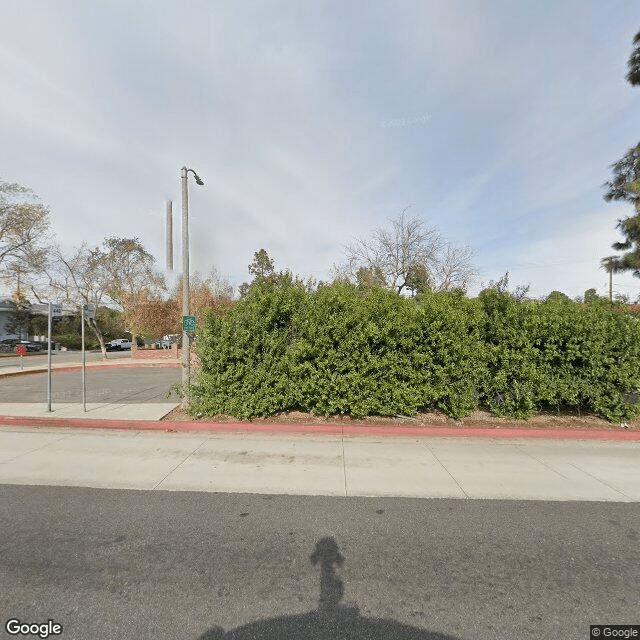
27781 Hawthorne Blvd, Rancho Palos Verdes, CA 90275
To contact a resident: (310) 351-7075
For more information about senior living options: (866) 208-4318
Emerald Isle Homes Costs & Pricing
Emerald Isle Homes offers competitive pricing for its residential care services, particularly when assessed against the costs in Los Angeles County and across California. For a semi-private room, Emerald Isle Homes charges $3,500 per month, which is slightly higher than the average of $3,349 found in Los Angeles County and $3,333 statewide. In terms of private accommodations, the monthly fee at Emerald Isle is $4,500, surpassing both the county's rate of $4,197 and California's average of $3,939. While these prices reflect a premium for quality service and amenities provided by Emerald Isle Homes, they also underscore the broader trend of increased costs within California's assisted living landscape.
| Floor plans | Emerald Isle Homes | Los Angeles County | California |
|---|---|---|---|
| Semi-Private | $3,500 | $3,349 | $3,333 |
| Private | $4,500 | $4,197 | $3,939 |
Senior living communities with a similar price nearby
-
About the same
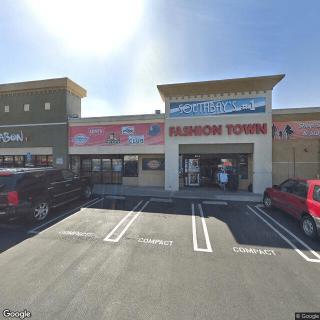
Kind Heart Home Care VI
$3,500 to $5,000 / month5.4 miles away -
About the same
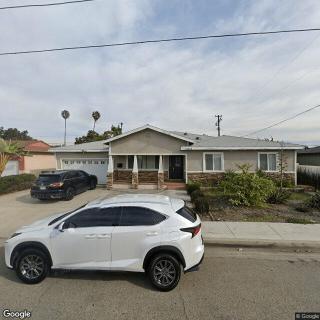
Loving Home Care
$3,500 to $4,500 / month22.2 miles away -
from -$200 / mo

Bella Manor II
$3,300 to $4,290 / month17.7 miles away -
from +$500 / mo
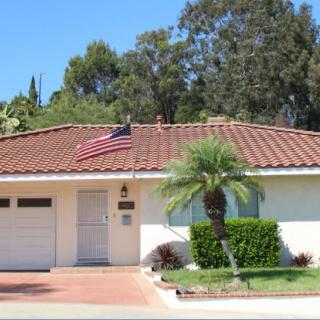
Palomino Residential Care
$4,000 to $6,000 / month23.3 miles away -
from -$500 / mo
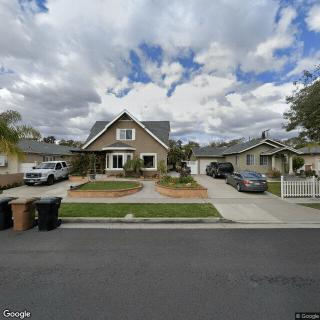
Tabi's Facility Home Care
$3,000 to $3,500 / month24.5 miles away
Overall Review of Emerald Isle Homes
Pros
 Staff at Emerald Isle feel secure staying on the team, as resident care truly comes first and employees are supported to give their best every day.
- Emerald Isle prioritizes compassion, dignity, and individualized attention for each resident.
- The community fosters a home where residents feel safe, respected, and cared for like family.
- The work at Emerald Isle directly improves residents’ quality of life, providing meaningful motivation for staff.
- The bonds between residents and coworkers create a strong sense of teamwork and family, making Emerald Isle feel like a true community.
- Emerald Isle is the kind of place where resident care is central and employees are treated with respect and appreciation.
- The owner’s in-tune approach with families and dedicated care for the elderly contribute to a positive, trusted impression.
Cons
 They don’t have anyone at night.
Review
Emerald Isle Homes in Rancho Palos Verdes is best suited for families seeking a caregiver-first assisted living that feels like a true home, where resident dignity and individualized attention are non-negotiable and where the staff operate as a tight-knit, supportive team. This community excels for residents who value a transparent, relationship-driven culture, and for families who are comfortable coordinating some nighttime support themselves rather than relying on a full on-site night staff. The environment leans into warmth, safety, and respect, with staff who prioritize the resident–caregiver bond as the cornerstone of daily life.
Those who should consider alternatives are primarily families needing continuous on-site nighttime coverage or a more clinically oriented program with formalized, larger-team care models. If 24/7 professional supervision without family involvement is essential, or if a more corporate, standardized operations footprint is preferred, other options may fit better. The owner-led, intimate atmosphere can also feel less scalable for families seeking a bigger community with a broader range of amenities or a more uniform protocol across shifts.
The strongest pros, genuine care as the heart of daily life, compassion, and individualized attention, translate directly into meaningful gains in resident well-being. Residents aren’t treated as numbers; care plans are described as tailored and dignified, and there is a palpable sense of safety and belonging. The staff’s own testimony reinforces that teamwork and mutual respect underpin every shift, producing a consistent, family-like atmosphere that reduces anxiety for both residents and relatives. Coupled with transparency in operations and a leadership approach oriented toward families, these factors create a trustworthy foundation where care quality is easy to observe and validate.
Where the picture gets nuanced is in the nighttime gap. The facility operates without on-site night staff, which means nighttime coverage relies on family or hired night caregivers. For families who can bring in this support, the arrangement remains workable and often seamless, especially when paired with the owner’s attentiveness to families and residents. However, for those who expect continuous, in-house overnight supervision or who face unpredictable evenings, this could represent a meaningful limitation. The second reviewer’s note about welcoming night caregivers is encouraging, but it also highlights a trade-off: access to around-the-clock professional staffing is not baked into the model.
From a decision-making standpoint, Emerald Isle works best for households prioritizing trust, personalized care, and a homey, transparent culture over a larger, more clinical setting. The strong staff morale and evident commitment to resident-centric practices offset some practical downsides, particularly when families are engaged partners in the care plan. Prospects should be prepared to negotiate nighttime arrangements and to verify how overnight needs would be managed, including any costs or procedures for bringing in external caregivers. If the family’s priority is relationship-driven care and a close-knit community feel, Emerald Isle delivers.
When evaluating, prospective residents and families should focus on three practical questions during tours: how overnight care is actually handled in practice, what happens if a resident’s nighttime needs increase, and how care plans are coordinated with family-supplied night coverage. Also assess how the owner’s leadership shapes daily routines, staff training, and responsiveness to family input. Finally, observe the daily cadence, meals, activities, and social interaction, to confirm that the home-like atmosphere lives up to the staff’s stated ideals. Emerald Isle stands as a strong choice for those who want heartfelt, dignified care and a candid, collaborative relationship with leadership, and for those willing to accommodate a flexible nighttime caregiving arrangement.
 Board and Care Home
 Activities on-site
 Indoor common areas
 Outdoor common areas
 Private
 Private bathrooms
 Respite or short term stays offered
 Wheelchair accessible showers
 Los Angeles International (11 miles away)
 Diabetic care
 High acuity care
 Incontinence care
 Medication management
 Meals provided



 California's Form 602A: An In-Depth Examination of Senior Care Assessment
 Comprehensive Look at Senior Blood Pressure Charts: Normal and Elevated Levels by Age
 Top Canine Companions for Older Adults