
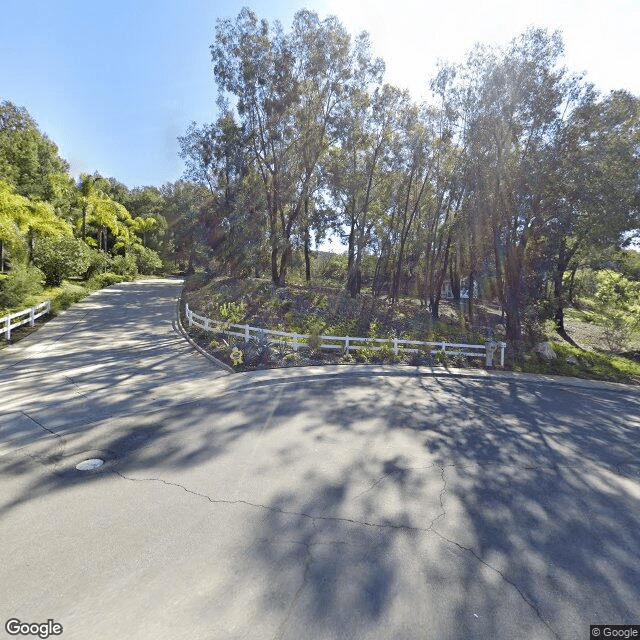
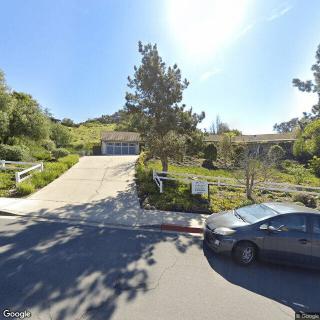
12736 Monte Vista Road, Poway, CA 92064
To contact a resident: (858) 674-1255
For more information about senior living options: (866) 208-4318
The Sycamores Costs & Pricing
The Sycamores presents a unique offering in terms of monthly living costs, with both studio and one-bedroom units priced at $6,500. When comparing these rates to the broader market, they significantly exceed the average for San Diego County, where studio apartments average around $4,217 and one-bedroom options hover at approximately $4,315. Additionally, state averages for California reflect similar trends, with studios at about $4,145 and one-bedrooms slightly higher at $4,340. This pricing structure suggests that The Sycamores may provide premium amenities or services that justify its higher cost compared to both county and statewide figures.
| Floor plans | The Sycamores | San Diego County | California |
|---|---|---|---|
| Studio | $6,500 | $4,217 | $4,145 |
| 1 Bedroom | $6,500 | $4,315 | $4,340 |
Memory care communities with a similar price nearby
-
from -$1000 / mo
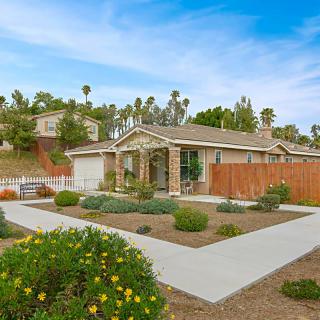
Splendor Valley
$5,500 / month7.2 miles away -
from +$650 / mo

Activcare At 4S Ranch
$7,150 to $7,450 / month3.7 miles away -
About the same

Villa Monticello Assisted Living
$6,500 to $7,000 / month13.2 miles away -
from +$500 / mo

Silvergate Rancho Bernardo
$7,000 to $7,295 / month1.5 miles away -
from -$1220 / mo
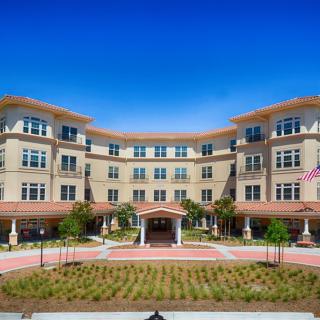
Sunrise of Sabre Springs
$5,280 to $8,280 / month3.6 miles away
Overall Review of The Sycamores
Pros
 The staff are incredibly sweet and welcoming.
- Alyssa is amazing, thoroughly explaining services and giving a thorough tour of the community.
- Poway Gardens is a clean, caring, and peaceful place for loved ones in a beautiful area.
- The staff are among the kindest around, and the activities are fun, lively, and inclusive.
- Their memory care program includes scenic drives, art programs, bingo, and regular parties, with residents never left out.
- The staff are amazing with smiles, and they grow produce for residents and deliver fresh flowers weekly.
- The facility is praised for memory care, featuring long-tenured staff and a home-like layout.
- The buildings are light and connected to nature, with a strong horticulture program that makes it shine.
- Administrators are responsive and communicative, and families report positive attitudes and compassionate care.
Cons
 They warn not to put their loved one in the care of Cadence.
- They say they would give no stars if allowed.
Review
This Poway community is best suited for families seeking a memory-care–forward environment that feels like home, where staff warmth, routine, and an active social calendar drive daily life. It excels for residents who respond well to structured days, meaningful engagement, and gardens that provide both beauty and practical activity (growing vegetables, horticulture, and regular fresh flowers). The setting, light-filled buildings anchored in nature and a campus designed to promote familiarity, supports residents who benefit from predictable pacing, gentle reminiscence, and regular wellness activities that tap into memory-supporting routines.
Those evaluating alternatives should consider families prioritizing independence, a more urban or compact footprint, or a governance model with a different reliability profile. If independence remains a major foothold for the resident, or if a family needs highly standardized operations under a single corporate umbrella with aggressive transparency, this Poway option may feel less aligned. Additionally, for families uncomfortable with ownership transitions or a facility recently absorbed by a new operator, it is prudent to compare with nearby communities that present a different ownership track record or a different emphasis on memory care versus broader assisted living.
On the plus side, the strongest drivers are the staff and the programmatic core. Reviews repeatedly highlight staff as genuinely kind, patient, and engaged, with long-tenured caregivers who build real relationships with residents. The memory-care focus is clear: caregivers are attuned to progressive needs, and administrators are described as responsive and communicative when adjustments are required. The activity slate is broad and flavored by memory-friendly content, scenic drives, art programs, discussions, and regular social celebrations, so residents are included and involved rather than ferried to a passive existence. This combination translates into tangible benefits: residents often exhibit improved mood, greater routine, and a sense of belonging.
Yet a meaningful caveat comes with ownership and management dynamics. One star review and the explicit cautions about the operator’s changes in ownership signal that governance and consistency can swing, potentially affecting staffing stability and care planning alignment. The most vocal concerns center on how corporate changes might influence daily operations, communication cadence, and the overall trust families place in the system. For families weighing alternatives, this is a nontrivial factor: the quality of care can proxy to the steadiness of leadership, even when front-line caregivers remain excellent. The risk is not that care dries up, but that shifts in corporate direction create gaps in transparency or continuity.
The strengths, robust activity programming, a strong horticultural component, and a home-like, nature-connected campus, help offset these governance risks when present. The ability to see tangible, ongoing benefits from regular therapies, fresh produce, and even weekly flowers speaks to a holistic model where quality of life is elevated beyond basic meals and supervision. In practice, residents can move through transitions with a clear daily rhythm, supported by caregivers who know their history and preferences. The environment’s beauty and the emphasis on inclusion foster a sense of purpose that can blunt the emotional strain of memory impairment, even as administrative uncertainties loom in the background.
For families deciding whether this is the right path, the decision comes down to fit and risk tolerance. If the priority is a lively, person-centered memory-care setting with proven staff devotion and a strong sense of community, this Poway option is compelling and often exceeds expectations on daily experience. Prospective clients should still pursue diligence: tour with questions about current ownership status, ask for up-to-date family references, request detailed care-planning examples, and verify staffing ratios across shifts. Compare with other memory-care–centric communities in the area to benchmark activities, garden programs, and caregiver consistency. The right choice will balance the emotional rewards of a warm, engaged community against the practical realities of ownership changes and long-term governance.
 Memory Care
 Dogs allowed
 MC Clellan-Palomar Airport (16 miles away)
 Ambulatory care
 Diabetic care
 Incontinence care
 Medication management



 Comprehending Evening Confusion in Dementia: Causes, Manifestations, and Support
 Delirium and Dementia: Unraveling the Key Differences
 Are Dementia and Alzheimer's Disease Lethal? A Comprehensive Exploration