
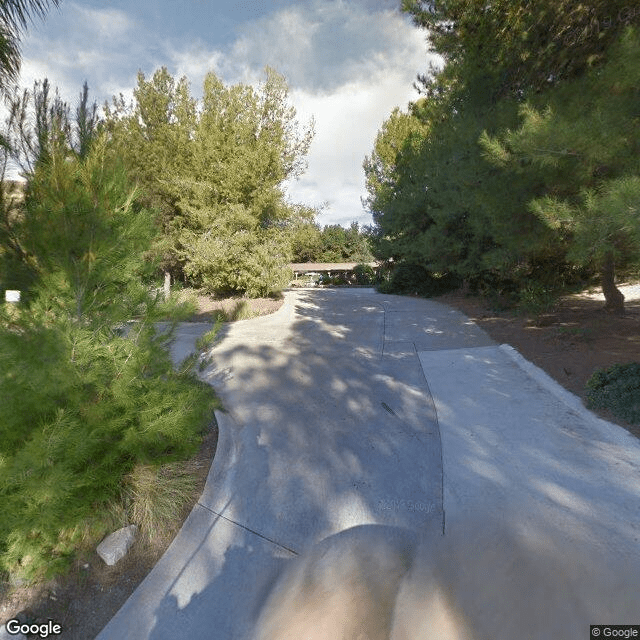
12750 Monte Vista Road, Poway, CA 92064
To contact a resident: (858) 674-1255
For more information about senior living options: (866) 208-4318
The Pines Costs & Pricing
The Pines presents a premium pricing structure for its residential options, significantly higher than both San Diego County and the broader California market. For instance, the monthly cost of a studio apartment at The Pines is set at $6,500, which starkly contrasts with the county's average of $4,217 and the state average of $4,145. Similarly, a one-bedroom unit at The Pines also carries a price tag of $6,500, compared to San Diego County's $4,315 and California's statewide average of $4,340. This notable disparity in costs reflects The Pines' position in the market as a luxury residence that likely offers enhanced amenities and services tailored to those seeking an elevated living experience.
| Floor plans | The Pines | San Diego County | California |
|---|---|---|---|
| Studio | $6,500 | $4,217 | $4,145 |
| 1 Bedroom | $6,500 | $4,315 | $4,340 |
Memory care communities with a similar price nearby
-
from -$1000 / mo
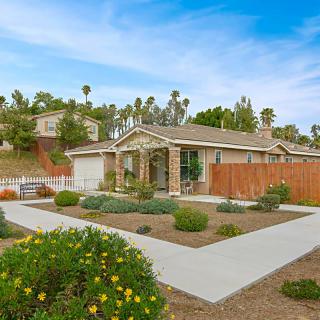
Splendor Valley
$5,500 / month7.3 miles away -
from +$650 / mo

Activcare At 4S Ranch
$7,150 to $7,450 / month3.8 miles away -
About the same

Villa Monticello Assisted Living
$6,500 to $7,000 / month13.2 miles away -
from +$500 / mo

Silvergate Rancho Bernardo
$7,000 to $7,295 / month1.6 miles away -
from -$1220 / mo
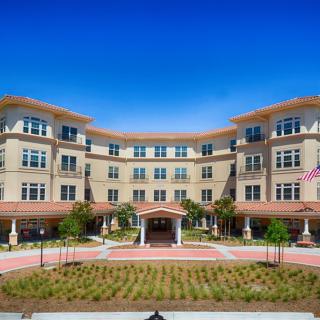
Sunrise of Sabre Springs
$5,280 to $8,280 / month3.6 miles away
Overall Review of The Pines
Pros
 The environment at Legacy Hills Poway is wonderful.
- The community is quiet and close to a hospital, which suits elderly residents.
- Adrianna provided exceptional, stress-free leasing service and kept the resident updated throughout the process.
- The new apartment was in pristine condition and highly loved by the resident.
- The garden feeds those in need and offers enriching weekly activities for local seniors.
- Amy Benaga is warm, compassionate, and experienced—a director that every senior living center would want.
Cons
 The management team barely responds to residents’ requests.
 - Maintenance issues such as blocked shower drains, water leaks, and ceiling leaks were left unfixed for weeks, sometimes over a month.
- Residents were left without a kitchen light for a month with little response from management.
- Residents were told that altering fixtures could incur charges, deterring simple fixes.
- The reviewer is disappointed with the management, feeling they do not care for or support the seniors.
- The property has deteriorated into a disaster with unresolved maintenance, ignored emergencies, leaks, and safety hazards like exposed pipes and long hoses in hallways.
- There is high staff turnover and management does not respond to texts; voicemail boxes are always full with no follow-through.
- Rent increases and utility changes were perceived as benefiting the complex, and security deposits were not returned promptly.
- There is a lack of accessible management contact information, with no business cards or staff listings and no timely responses.
Review
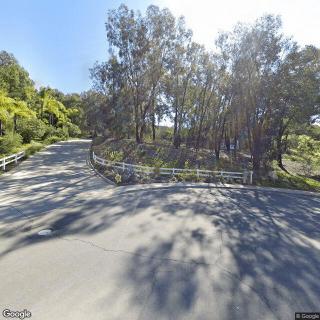
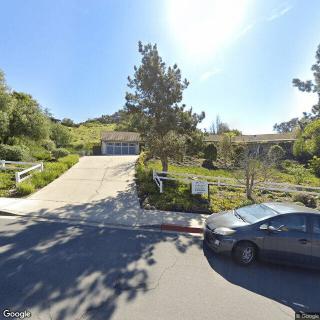
The Pines in Poway is best suited for seniors who prize a quiet, garden-forward setting that’s conveniently near medical facilities and offers a low-key, neighborhood feel. The property’s on-site trails and cultivated grounds create an inviting, restorative ambiance for residents who value outdoor space and a calmer pace. This community works well for someone who can tolerate occasional maintenance delays and transitional management realities while prioritizing proximity to a hospital and the sense of security that comes from intimate, smaller-scale surroundings.
At the same time, the Pines is not the first choice for families needing airtight reliability in daily operations. Several reviews describe slow or uneven maintenance responses, with service requests for blocked drains, leaks, and electrical issues taking weeks or even a month to resolve. Move-in disclosures about altering fixtures being costly, and the insistence on strict adherence to original configurations, add a layer of friction for older adults who may need simple, timely fixes. When communication falters, voicemail boxes full, scattered contact points, and inconsistent follow-through, the risk of unresolved hazards rises, especially for residents with mobility concerns.
The strongest offset to these drawbacks comes from genuine, customer-focused moments of service and the community’s intentional design. Independent leasing staff have delivered standout experiences, including timely, thorough communication and move-in readiness described as pristine. Positive testimonials highlight staff members who keep residents engaged, and there is consistent appreciation for tours, follow-through, and responsive questions. The garden program and local volunteer activities provide meaningful engagement that can enrich daily life and help residents feel connected to the broader community. In addition, some owners have invested in leadership that emphasizes warmth, accessibility, and a family-like atmosphere, which can transform the mood of the building when effectively executed.
However, the more troubling threads run deeper than individual interactions. Maintenance problems have been persistent across multiple units, with recurring leaks, water shutoffs, exposed pipes, and cabinets that degrade over time. The physical environment can become unsafe and unstable when maintenance is neglected, a risk compounded by high staff turnover and a pattern of limited accountability from management. Financial frictions surface as well, including delays in returning security deposits and disputes over charges. These are not minor irritants; they threaten daily comfort, safety, and financial trust, especially for families navigating housing transitions for a loved one.
For families weighing options, a practical approach is essential. Verify the current leadership’s track record for timely maintenance and transparent communication, and request concrete service-level targets (response times, escalation procedures, and who handles urgent repairs). Ask current residents for candid, recent experiences with repairs, safety concerns, and how management addresses emergencies. Review the overall stability of the ownership group and inquire about renewal plans, budget priorities, and any upcoming capital improvements that would influence long-term livability. A careful tour should include a closer look at common areas, hallways, and utilities to assess the day-to-day realities that can make or break comfort in this setting.
Ultimately, The Pines can be a strong match for families seeking a serene Poway setting with proximity to medical facilities, an engaged garden community, and moments of attentive service that prove the environment’s value. The key is to confirm that current leadership is actively addressing maintenance reliability and resident concerns, and that a clear, accountable plan is in place. When those conditions are met, the property’s calm vibe, social opportunities, and accessible climate represent solid incentives. If not, alternatives with more predictable operations and fewer recurring maintenance risks should be seriously considered to protect comfort, safety, and continuity of care.
 Memory Care
 Dogs allowed
 MC Clellan-Palomar Airport (16 miles away)
 Ambulatory care
 Diabetic care
 Incontinence care
 Medication management


 Engaging Memory Care Activities That Enhance Quality of Life
 When to Transition from Assisted Living to Memory Care: Key Indicators, Steps, and Finding the Right Community
 Understanding the Distinctions: Assisted Living and Memory Care Explained