
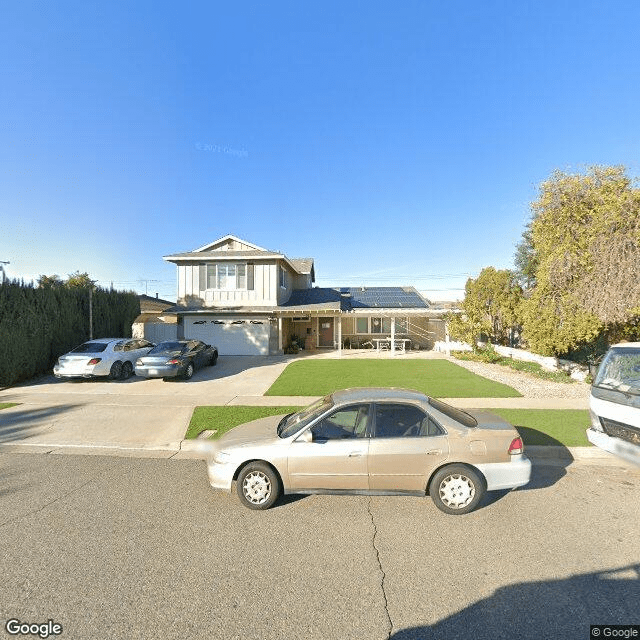
923 Huggins Ave, Placentia, CA 92870
To contact a resident: (714) 388-8895
For more information about senior living options: (866) 208-4318
A1 Residential Care Facility for the Elderly @ Delphine Costs & Pricing
A1 Residential Care Facility for the Elderly at Delphine offers a range of accommodation options with pricing that reflects the quality of care and amenities provided. For semi-private rooms, residents can expect to pay $3,500 per month, which is slightly above the average costs in Orange County ($3,431) and California as a whole ($3,333). The private room option is priced at $5,000 monthly, notably higher than the local county's average of $4,104 and the state's average of $3,939. Similarly, 1-bedroom accommodations are listed at $5,000 each month, again surpassing both the county ($4,380) and state average ($4,340). These figures suggest that while A1 Residential Care Facility may carry a premium compared to its regional counterparts, this investment likely corresponds with superior services or enhanced living conditions designed to support elderly residents effectively.
| Floor plans | A1 Residential Care Facility for the Elderly @ Delphine | Orange County | California |
|---|---|---|---|
| Semi-Private | $3,500 | $3,431 | $3,333 |
| Private | $5,000 | $4,104 | $3,939 |
| 1 Bedroom | $5,000 | $4,380 | $4,340 |
Memory care communities with a similar price nearby
-
from +$495 / mo
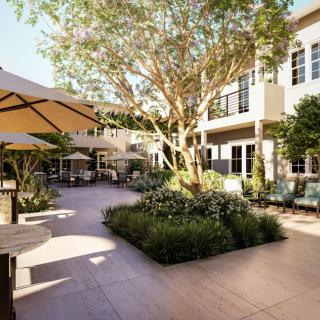
Cadence Brea
$3,995 to $5,500 / month4.5 miles away -
About the same
Kind Heart Home Care VI
$3,500 to $5,000 / month20.6 miles away -
About the same
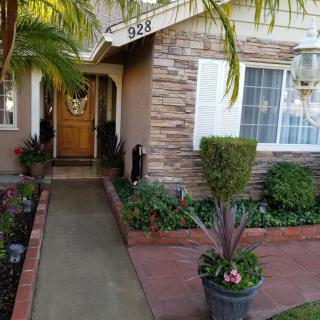
Comfort Keepers Home Care
$3,500 to $6,500 / month5.0 miles away -
from -$650 / mo
Alternative Senior Care - Freshwater
$2,850 to $3,250 / month12.8 miles away -
from -$500 / mo
Best Elderly Care I
$3,000 to $3,500 / month9.1 miles away
Overall Review of A1 Residential Care Facility for the Elderly @ Delphine
Pros
 The home care service is warm, reliable, and incredibly attentive.
- The staff consistently delivers exceptional care with a personal touch.
- It feels like an extension of the family, with loved ones feeling safe, cared for, and genuinely valued.
- The owner is extremely friendly, accommodating, and responsive to needs.
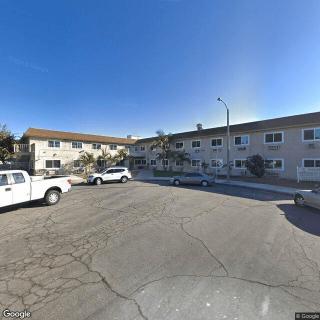
- The setting is clean and home-like, with adequately sized rooms.
- The facility has a loving atmosphere.
Cons
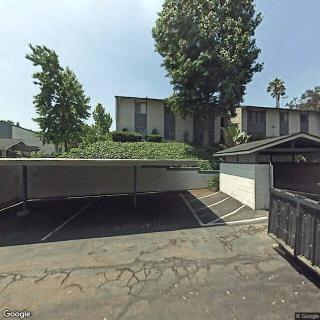
 There is no garden area, only concrete.
- There is only one caregiver who sleeps at night.
- Showers are limited to twice a week.
- Residents receive a sponge bath every morning.
Review
A1 Residential Care Facility for the Elderly at Delphine in Placentia is best suited for families seeking a warm, home-like, small-scale option where a loved one receives personal attention, dignity, and a genuine sense of being cared for as part of a family. This community excels when residents thrive in an intimate setting with steady, compassionate staff who treat daily routines as extensions of a humane, respectful approach. For seniors who value stable relationships with caregivers and a calm, domestic atmosphere over resort-style amenities, this facility often delivers the most meaningful day-to-day experience.
Those who should consider alternatives are those who require intensive medical oversight or round-the-clock nursing, especially at night. The standout limitation here is staffing: reports indicate a single caregiver on nighttime shifts, which can translate into slower responses during late hours or when urgent medical needs arise. Families prioritizing robust nighttime supervision, comprehensive on-site medical services, or a broader slate of activities and outdoor amenities may find larger, campus-style communities more aligned with expectations. Outdoor space is another consideration; with a concrete yard and no garden, this location may feel restrictive for residents who prize regular outdoor time or garden-centered activities.
The strongest pros center on warmth, reliability, and a compassionate, family-like culture. Reviewers consistently highlight staff who are attentive, respectful, and genuinely engaged with residents, creating a sense of safety and belonging. The owner is described as friendly and responsive, contributing to a smooth, family-oriented experience where communication with families feels proactive rather than reactive. Cleanliness and a home-like setting reinforce the impression that daily life here is approachable and comfortable, with adequate room sizes that avoid the cramped feeling of some smaller facilities. The emphasis on dignity and personal attention helps offset the absence of more expansive amenities, making this a solid choice for an elder who values connection and consistency over breadth of services.
On the other hand, the practical downsides can’t be ignored. The most conspicuous con is limited night staffing, which can be a meaningful drawback for seniors with higher care needs after dark or for families seeking assurance of continuous supervision. The yard’s concrete surface without a garden is a tangible limitation for residents who enjoy sunshine, gardening, or outdoor strolls as part of their routine. Routine details such as bathing frequency, described by one reviewer as two showers weekly with sponge baths in between, may feel restrictive to families accustomed to more flexible personal care schedules. While these items do not overwhelm the overall care quality, they do shape daily life and should be weighed against personal preferences and care requirements.
Yet the pros nearly always offset these cons for the right resident. The intimate, attentive environment creates trust and reduces the stress families feel when entrusting someone to care for a loved one. The sense that staff go “above and beyond” and that care comes with a personal touch translates into reliable consistency and peace of mind that larger facilities often struggle to match. Cleanliness, a calm home culture, and accessible administration help families feel heard and supported, which can tip the balance in favor of choosing this community for those who prize relational quality and a steady, predictable routine over a wide array of bells and whistles.
For families evaluating a decision, the key question is alignment with the elder’s temperament and care needs. This setting shines when a senior values a small, family-style atmosphere, straightforward routines, and dependable, loving care. It is less ideal for those needing intensive clinical management, abundant outdoor recreation, or vigorous nighttime oversight. Prospective families should prioritize visiting to observe caregiver interactions, verify night staffing plans, and discuss bathing routines, meal quality, and room options directly with the administrator. In many cases, this community offers a compelling match for seniors who want to feel valued, safe, and part of a genuine home, with the caveat that deeper medical support and expanded amenities sit outside its core strengths.
 Board and Care Home
 Memory Care
 Activities off-site
 Private
 Long Beach (Daugherty) (12 miles away)
 Diabetic care
 High acuity care
 Medication management

 Choosing the Right Senior Care: A Detailed Exploration of Assisted Living and Nursing Homes
 Safeguarding Your Memory Through the Golden Years: Eight Ways to Preserve Cognitive Health
 Comprehensive Insights into Activities of Daily Living (ADLs) and Their Assessment