
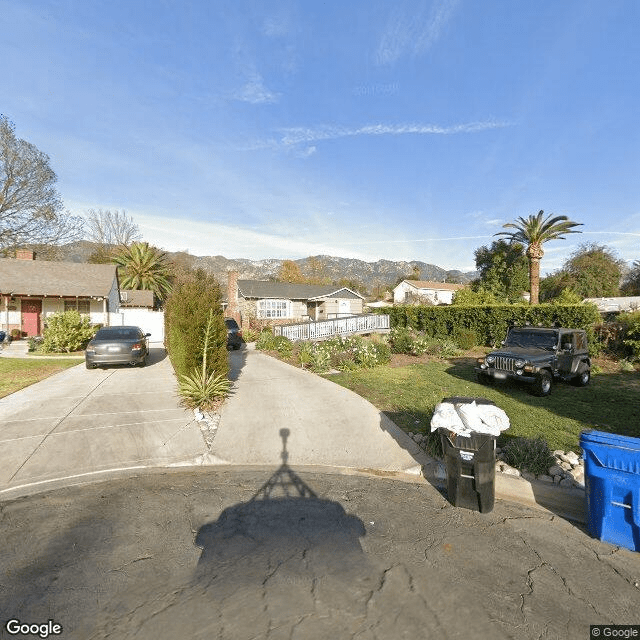
669 W Calaveras St, Altadena, CA 91101
To contact a resident: (626) 274-5707
For more information about senior living options: (866) 208-4318
Harmony Villa Costs & Pricing
Harmony Villa offers competitive pricing for its accommodations compared to both Los Angeles County and the broader California market. For those seeking a semi-private room, the cost at Harmony Villa is $4,500 per month, which is notably higher than the county average of $3,349 and the state average of $3,333. When looking at private rooms, Harmony Villa's rate of $5,000 slightly surpasses the county's rate of $4,197 but remains above the state average of $3,939. Meanwhile, the studio option at Harmony Villa is priced at $5,300 per month, positioning it above both local and state averages - $4,172 in Los Angeles County and $4,145 statewide. This pricing reflects Harmony Villa's commitment to providing quality care and amenities that may justify these higher costs for prospective residents.
| Floor plans | Harmony Villa | Los Angeles County | California |
|---|---|---|---|
| Semi-Private | $4,500 | $3,349 | $3,333 |
| Private | $5,000 | $4,197 | $3,939 |
| Studio | $5,300 | $4,172 | $4,145 |
Memory care communities with a similar price nearby
-
from -$505 / mo
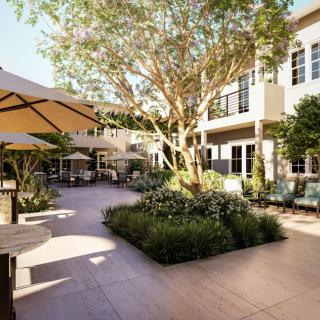
Cadence Brea
$3,995 to $5,500 / month24.8 miles away -
from +$500 / mo

Sweet Home Senior Living #1
$5,000 to $7,500 / month15.2 miles away -
About the same
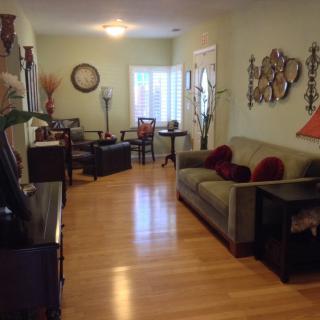
Ardenville Home Care I
$4,500 / month10.5 miles away -
About the same
Heritage Senior Home Care
$4,500 to $4,800 / month21.9 miles away -
from +$500 / mo
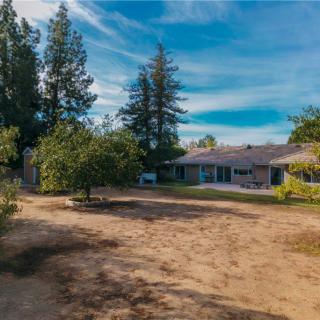
A Caring Touch Board and Care
$5,000 / month23.9 miles away
Overall Review of Harmony Villa
Pros
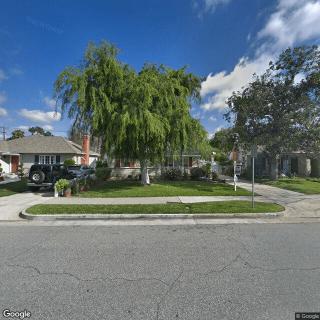
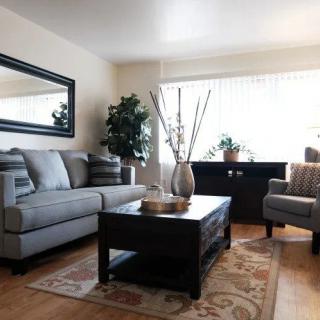
 Harmony Villa feels like a cozy home rather than an institutional facility.
- The care provided at Harmony Villa is excellent and personalized.
- The meals at Harmony Villa are homemade and consistently delicious.
- Harmony Villa is clean, spacious, and inviting, with beautiful grounds.
- Tammy is caring and responsive to families' needs.
- The staff and owners are dedicated, professional, and deeply caring.
- Harmony Villa offers engaging activities while supporting residents' independence.
- The facility is knowledgeable about neurological illnesses and tailored to residents' needs.
- Harmony Villa is welcoming, multicultural, and supports families with open communication.
- Families report their loved ones feel loved and well cared for at Harmony Villa.
Cons
 Silverado was nice but felt very institutional, and the resident did not receive the personal care she would receive at Harmony Villa.
- The mother was uncomfortable during the first couple of weeks due to the new and unfamiliar lifestyle change.
Review
Harmony Villa is best suited for families seeking a warm, home-like boarding-care option in Altadena that can meaningfully support a loved one with dementia or neurological conditions, while preserving a sense of daily life that feels intimate and personal. This community excels when the goal is steady, hands-on attention from caregivers who know residents by name, in a setting that resembles a comfortable house rather than a clinical corridoor of rooms. It also appeals to families who want a multicultural, inclusive environment and a resident mix that can include younger adults who still crave activity, companionship, and meaningful engagement.
That said, this is not the right fit for every situation. Families prioritizing a large, campus-style assisted living with extensive on-site nursing staff, broad rehab services, or a formal memory-care program with rigid schedules may want to consider alternatives. If 24/7 high-acuity medical oversight or a highly structured, hospital-like atmosphere is essential, Harmony Villa’s smaller boarding-care model (with its home setting and intimate staff footprint) may feel limiting. In short, the strongest fit is for those who prize personalized care and a homelike daily rhythm over institutional scale.
The core strengths translate into meaningful, practical advantages. The facility’s house-like charm and recent remodeling create an atmosphere that visibly reduces the clinical stiffness often associated with senior care. Residents experience not just care but comfort, with menus that emphasize homemade flavors and dishes that local families report as delicious and comforting. The caregiving is described as excellent and consistent, with staff and management whose sincerity and professionalism come through in daily interactions. For families managing neurological conditions, such as Parkinson’s or related disorders, the caregivers’ familiarity with these illnesses is a distinct asset, offering reassurance that needs will be understood in practical ways, not glossed over.
The notable advantages extend beyond care quality to communication and family involvement. Visitors are welcomed without bureaucratic hurdles, and families report frequent, proactive updates about medical events and medication needs. Tammy and the owners are repeatedly described as responsive, compassionate, and deeply invested in residents’ well-being. The environment supports social connection and independence through a schedule of activities and an emphasis on maintaining residents’ dignity and autonomy. Beautiful grounds, quiet location, and a home-like décor all contribute to a sense of safety and belonging that can ease transitions for both residents and their families.
An additional strength lies in the community’s inclusive, multicultural ethos and its willingness to admit younger residents who still crave vitality and engagement. The setting feels less like a one-size-fits-all institution and more like a thoughtfully curated home where a variety of backgrounds are embraced. This matters for families seeking culturally resonant care and for residents who benefit from a diverse peer group and learned staff who can navigate different needs and preferences with sensitivity. When care priorities include personal attention, consistent routines, and the comfort of a familiar environment, the pros collectively offset potential trade-offs rooted in its smaller scale.
Ultimately, Harmony Villa represents a highly practical choice for households prioritizing warmth, personal touch, and specialized attention to neurological conditions within a secure, home-like setting. Pros such as intimate caregiver relationships, proactive family communication, high-quality meals, and a welcoming, multicultural atmosphere create a compelling case for this community. For those who require more extensive on-site medical staffing, larger programming, or a formal memory-care track, alternatives should be explored. Prospective families should schedule a visit, speak with Tammy, and assess whether the resident’s level of independence, medical needs, and desired social environment align with Harmony Villa’s strengths.
 Board and Care Home
 Memory Care
 Private
 Burbank-Glendale-Pasadena (11 miles away)

 When to Transition from Assisted Living to Memory Care: Key Indicators, Steps, and Finding the Right Community
 Understanding the Distinctions: Assisted Living and Memory Care Explained
 How to Communicate with a Loved One Living with Dementia: 10 Supportive Strategies