
669 West Calaveras Street, Altadena, CA 91001
For more information about senior living options: (866) 208-4318
Overall Review of Harmony Villa Altadena
Pros
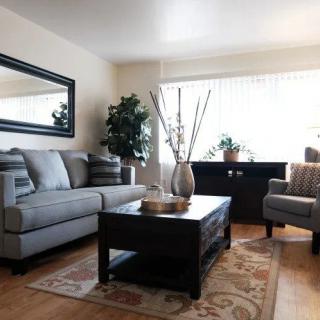
 Harmony Villa feels like a home rather than an institution, offering a cozy, house-like atmosphere.
- The quality of care from staff and management is excellent, with sincere dedication and professionalism.
- The meals are homemade and consistently delicious, including favorites like tacos, enchiladas, and meatloaf.
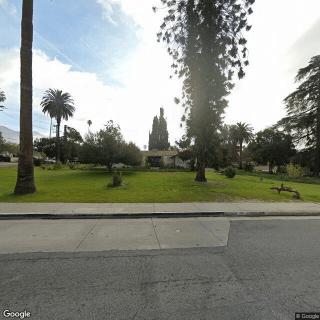
- The facility is clean, spacious, and comfortable, with beautiful grounds and views.
- Tammy is very caring and responsive to families' needs.
- The caregivers and owners are knowledgeable about neurological illnesses and provide personalized care.
- Harmony Villa embraces multiculturalism and fosters a welcoming, diverse community.
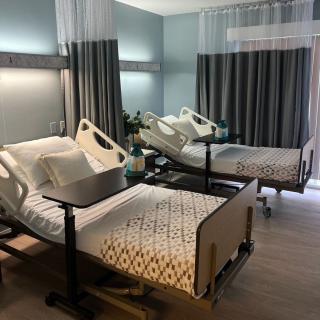
- The home is newly remodeled and maintains a home-like feel rather than an institutional setting.
- Residents often become healthier and stronger under Harmony Villa's care, as observed by families.
- Open communication is prioritized, with families able to visit freely and receive timely updates.
Cons
 Silverado was nice but felt very institutional and she did not receive the personal care she receives at Harmony.
- The mother was uncomfortable during the first couple weeks due to the new and unfamiliar lifestyle change.
- The previous facility had an institutional feel and did not provide the personal care she received at Harmony.
Review
Harmony Villa Altadena is best suited for families seeking a warm, home-like boarding-care environment where personalized attention is the priority and care is tailored to adults who may have neurological conditions or adaptive needs. This community truly shines for residents who want to avoid an institutional feel while still receiving thorough, compassionate caregiving. It is particularly strong for families that value homestyle meals, frequent family contact, and a multicultural, welcoming atmosphere where residents can stay active without sacrificing intimate supervision. Those who prize a setting that feels like a vacation home, with cleanliness and comfort front and center, will find Harmony Villa an excellent match. The emphasis on relational care and daily routines designed around individual residents makes it clear who this option serves best.
At the same time, potential residents should explicitly consider alternatives if the goal requires higher levels of medical oversight or a larger, more program-rich campus. Families needing around-the-clock skilled nursing, intensive clinical services, or highly formal memory-care infrastructure may want to compare options in larger assisted living communities or dedicated memory-care facilities. Similarly, those seeking a wide, highly structured calendar of activities on a sprawling campus might encounter a different pace at Harmony Villa, where the environment is intimate and family-focused rather than campus-scale. In short, Harmony Villa excels in personal connection and homelike care, but it is not pitched as a replacement for full-scale medical facilities.
The strongest pros of Harmony Villa are its authentic home ambiance, the consistently excellent caregiving, and the staff’s demonstrated expertise with neurological conditions. The house feels like a comfortable residence rather than an institution, and the newly remodeled interiors, clean surroundings, and inviting grounds reinforce that mood. Families consistently note that meals are homemade and flavorful, with staff willing to accommodate visits during meal times and to prepare favorites the way residents enjoy them. The care team’s knowledge of Parkinson’s, MSA, and similar disorders emerges in day-to-day interactions, giving families confidence that the resident’s condition is understood and managed with specialized sensitivity. This combination of warmth, competence, and familial openness helps offset the potential concern that smaller, boarding-care settings may lack medical capacity.
Another core strength is the staff–family partnership. Caregivers and owners are described as familiar with each resident’s history and needs, with Tammy highlighted as particularly responsive to families’ communications. The facility’s culture invites frequent contact, periodic updates, and proactive communication when a resident’s status changes or medication requires attention. Families also appreciate that younger residents are welcomed and integrated into the social fabric, countering the stereotype that boarding care centers skew elderly. The social piece, activities that support independence, a range of indoor and outdoor options, and opportunities to enjoy mountain views, helps residents retain vitality while receiving attentive supervision. Taken together, these elements of continuity, respect, and personalization create a compelling case for Harmony Villa as a premier choice in its niche.
Yet it is prudent to acknowledge what the setting inherently does not offer. As a smaller boarding-care home, Harmony Villa may not fulfill every family’s desire for a large-scale programming calendar, a wide spectrum of on-site clinical services, or the depth of specialized memory-care resources found in bigger facilities. For residents whose needs evolve toward highly intensive medical supervision, complex nursing care, or a bustling, campus-style community life, the tradeoffs become more pronounced. The upside, unparalleled personal attention, family accessibility, and a home environment, tays strong, but the match hinges on current and anticipated care requirements rather than on a one-size-fits-all ideal.
In closing, Harmony Villa Altadena presents a practical, well-considered option for families prioritizing individualized, compassionate care in a homey setting. It is a particularly strong fit for residents with neurological challenges who benefit from staff with specialized knowledge, and for families who value transparent communication, homemade meals, and ongoing family involvement. For those whose priorities include extensive on-site medical services, large-group programming, or a campus atmosphere, alternatives deserve careful exploration. The prudent course is a direct visit to assess fit, meet the caregivers, sample a meal, and observe how the home’s rhythm aligns with the resident’s needs and family expectations.
 6 resident community capacity
 Assisted Living
 Board and Care Home
 Cable or satellite TV
 Dining room
 Fully furnished
 Garden
 Housekeeping services
 Move-in coordination
 Outdoor space
 Telephone
 Wi-Fi/high-speed internet available
 Burbank-Glendale-Pasadena (11 miles away)
 24-hour supervision
 Activities of daily living assistance
 Assistance with bathing
 Assistance with dressing
 Assistance with transfers
 Diabetes diet
 Meal preparation and service
 Medication management
 Special dietary restrictions
 Transportation arrangement (medical)
 Transportation to doctors appointments


 Is Assisted Living Deductible on Your Taxes? Understanding the Complexities of Assisted Living Expenses and Deductions
 Assisted Living Support for Veterans: A Complete and Detailed Overview
 Exploring the Contrasts Between Assisted Living and Skilled Nursing