Oceanside Board and Care II offers competitive pricing for its services, especially when compared to the broader market in San Mateo County and across California. For semi-private rooms, residents can expect to pay $2,500 per month, significantly lower than the county average of $3,830 and the state average of $3,333. Similarly, for private rooms, the cost at Oceanside is $3,000 per month, which again is more affordable compared to San Mateo County's average of $4,281 and California's average of $3,939. These pricing advantages make Oceanside Board and Care II an attractive option for those seeking quality care without straining their budgets.
Floor plans
Oceanside Board and Care II
San Mateo County
California
Semi-Private
$2,500
$3,830
$3,333
Private
$3,000
$4,281
$3,939
Memory care communities with a similar price nearby
Residents’ families describe caregivers as available, attentive, and easy to communicate with.
Multiple reviewers say Cristian and the team were reachable and quick to respond, including by phone or text, and provided updates as needs changed. Several families also describe hands-on care during urgent or high-needs situations, such as hospice transitions and emergency moments. One reviewer’s experience was negative about how care was handled, but that same review still describes regular check-ins for basics like meals, changes, and medication.
differentiator6 reviews mention this
Dementia-focused support stands out
Families valued staff experience with dementia and related conditions.
Residents and families frequently bring up dementia care, describing learning and guidance from leadership and staff. Reviewers mention practical support for dementia behaviors like hallucinations, paranoia, wandering, and sleep struggles, with attention to day-to-day engagement and comfort. Several accounts specifically reference Lewy Body dementia or advanced dementia, and describe confidence in the care approach.
common3 reviews mention this
Around-the-clock help is emphasized
Families highlight that support is available 24/7.
A few reviewers explicitly describe 24/7 care, including when care needs were complex after hospitalization or during late-stage support. Families also describe caregivers being present often enough to manage day-to-day needs and changing routines as recovery progressed or conditions shifted. One review with a lower rating still describes frequent checks, reinforcing that staffing presence is a clear topic in the feedback.
common5 reviews mention this
Activities and engagement matter
Residents are encouraged to stay engaged through activities and time together.
Several reviewers say staff work to keep residents involved, including planning activities and making sure people have meaningful ways to spend their time. Families mention outreach when mobility is limited, and others describe improvement in engagement, like eating with others or participating socially. One negative review contrasts that experience with reduced stimulation when a resident was bedridden, including limited entertainment and a mostly empty-room routine.
differentiator4 reviews mention this
Families notice medical monitoring
Reviewers mention follow-through on medical needs and timely observations.
Families describe staff acting on medical situations, including emergency follow-through and ongoing monitoring during a resident’s changing condition. One reviewer specifically calls out staff giving early heads-ups about possible medical issues, which the family says proved accurate. Another reviewer highlights how the administrator checked in with updates while a loved one adjusted after surgery.
How we summarize
Counts show how many written reviews mention each theme; a review can touch several themes, and only frequently mentioned themes are displayed.
Features
Types of Care
Board and Care Home
Memory Care
Amenities
Activities on-site
Indoor common areas
Outdoor common areas
Private
Private bathrooms
Transportation
San Francisco International (6 miles away)
Metropolitan Oakland International (16 miles away)
Care Services
Ambulatory care
Incontinence care
Medication management
Dining
Meals provided
Vegetarian
Activities
Activities on-site
Nearby Places of Interest
This part of Pacifica, California, offers a mix of convenient amenities and services for seniors looking to settle in the area. With several popular restaurant chains such as Taco Bell, McDonald's, and In-N-Out Burger nearby, dining options are easily accessible. Additionally, there are multiple pharmacies like Walgreens and CVS Pharmacy within a short distance for any medical needs. The proximity to San Francisco International Airport provides easy access for travelers or visitors. For healthcare needs, there are hospitals like A & C Convalescent Hospital and Mills-Peninsula Health Services in the vicinity. Seniors can also enjoy cafes like Andytown Coffee Roasters and Le Marais Bakery for a relaxing afternoon. Lastly, the area offers a variety of parks such as Fort Funston and Glen Canyon Park for outdoor recreation opportunities. Overall, this neighborhood provides convenience and accessibility for seniors seeking a comfortable living environment in Pacifica.
Restaurants
Taco Bell (1.9 miles)
McDonald's (2.4 miles)
In-N-Out Burger (4.8 miles)
Mustards (5.1 miles)
Yankee Pier (5.4 miles)
Lark Creek Grill (5.6 miles)
In-N-Out Burger (5.7 miles)
Pharmacies
Walgreens (2 miles)
Rite Aid (2.1 miles)
Walgreens (2.5 miles)
CVS Pharmacy (3.2 miles)
CVS Pharmacy (3.3 miles)
CVS Pharmacy (3.6 miles)
Walgreens (3.6 miles)
Transportation
Rental Car Center (4.6 miles)
San Francisco International Airport (SFO) (4.9 miles)
SFO AirTrain Station - Garage G & BART (5.1 miles)
United Global First Lounge (5.1 miles)
San Francisco International Airport BART Station (5.1 miles)
International Terminal G (5.1 miles)
International Terminal (5.2 miles)
Hospitals
A & C Convalescent Hospital (5.1 miles)
Mills-Peninsula Health Services (5.9 miles)
Laguna Honda Hospital & Rehabilitation Center (8.9 miles)
Oceanside Board and Care II offers competitive pricing for its services, especially when compared to the broader market in San Mateo County and across California. For semi-private rooms, residents can expect to pay $2,500 per month, significantly lower than the county average of $3,830 and the state average of $3,333. Similarly, for private rooms, the cost at Oceanside is $3,000 per month, which again is more affordable compared to San Mateo County's average of $4,281 and California's average of $3,939. These pricing advantages make Oceanside Board and Care II an attractive option for those seeking quality care without straining their budgets.
Oceanside Board and Care II's medication management ensures that residents receive their prescribed medications on time and in the correct dosages, which is crucial for individuals with dementia or Alzheimer's disease who may struggle with memory and organization. This systematic approach not only helps to improve adherence to treatment plans but also reduces the risk of confusion or missed doses, thereby promoting overall health and stability. Incontinence care is another critical feature, as it provides dignity and comfort for residents facing this common issue associated with advanced cognitive decline. By offering compassionate and effective support in managing incontinence, staff help reduce anxiety and enhance the quality of life for residents, allowing them to focus on engaging in daily activities without unnecessary discomfort or embarrassment. Together, these services create a supportive environment tailored to the unique needs of individuals living with memory impairments.
Nearby Communities
Marinol Senior Care I
Pacifica, CA
Small, home-like community with 24/7 supervision and memory care.
Coastal Home Care For The Elderly
Pacifica, CA
3 from 2 reviews
$3,000 to $4,000 / month
Sweet director and potential for a positive atmosphere.
Golden Manor Of San Bruno
San Bruno, CA
4.8 from 6 reviews
$4,000 to $4,500 / month
Caring, attentive staff in a warm, family-run, home-like setting with good communication.
Family Affair Care Home
San Bruno, CA
5 from 5 reviews
$4,500 to $5,500 / month
Caring, friendly staff and high-quality care.
Sunvalley Chateau Pacifica
Pacifica, CA
3.3 from 7 reviews
$2,500 to $3,300 / month
Caring staff with strong family communication and open visitation.
Gonzales Home
San Bruno, CA
Small, fully furnished assisted living with 24/7 supervision and diabetes-friendly meal options.
Pacifica Nursing & Rehab Ctr
Pacifica, CA
4.7 from 103 reviews
$6,750 / month
Exceptional staff delivering personalized, proactive therapy in a warm, resident-focused environment.
Cadence Millbrae
Millbrae, CA
4.5 from 83 reviews
$3,723 to $8,500 / month
Friendly staff, clean and modern facility with engaging activities and good dining.
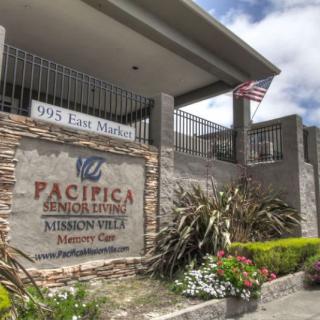
Pacifica Senior Living Mission Villa
Daly City, CA
4.4 from 90 reviews
$4,450 to $5,850 / month
Compassionate staff and engaging activities in a bright, homelike memory-care setting.
The transition from assisted living to skilled nursing care is often prompted by complex medical needs that assisted living cannot meet, with key indicators including frequent health declines, increased falls, severe memory issues, and caregiver burnout. Families should recognize these signs early to discuss options with healthcare providers and prepare for the emotional and logistical aspects of moving to a facility that offers comprehensive medical support.
Dementia is characterized by cognitive decline, with nutrition playing a vital role in brain health; while no specific diet can prevent or reverse it, a nutrient-dense diet rich in antioxidants and healthy fats may support cognitive function. The MIND diet, which emphasizes beneficial foods and limits processed items, along with proper hydration and individualized meal strategies, can enhance the well-being of dementia patients.
Dementia affects memory and cognitive function in older adults, presenting challenges for caregivers due to behavioral changes such as confusion and mood swings. Compassionate, person-centered care that considers individual history and preferences, along with effective communication and environmental modifications, is essential for supporting both patients and their caregivers.
Get PricingAsk A QuestionSchedule A TourContact Senior Advisor
By clicking submit, you agree to our Partner's Terms of Use. You
also consent to receive calls and texts, which may be autodialed, from our Partner. Your consent is not a condition to
using our Partner's service. Please visit our Partner's Privacy Policy for information about their privacy practices.



 Board and Care Home
 Memory Care
 Activities on-site
 Indoor common areas
 Outdoor common areas
 Private
 Private bathrooms
 San Francisco International (6 miles away)
 Ambulatory care
 Incontinence care
 Medication management
 Meals provided
 Small, home-like community with 24/7 supervision and memory care.
 8 Key Indicators That Suggest It May Be Time to Transition from Assisted Living to Skilled Nursing Care
 Nourishing the Mind: Essential Dietary Approaches for Dementia
 Understanding Dementia Behaviors: Practical Insights and Strategies for Caregivers