
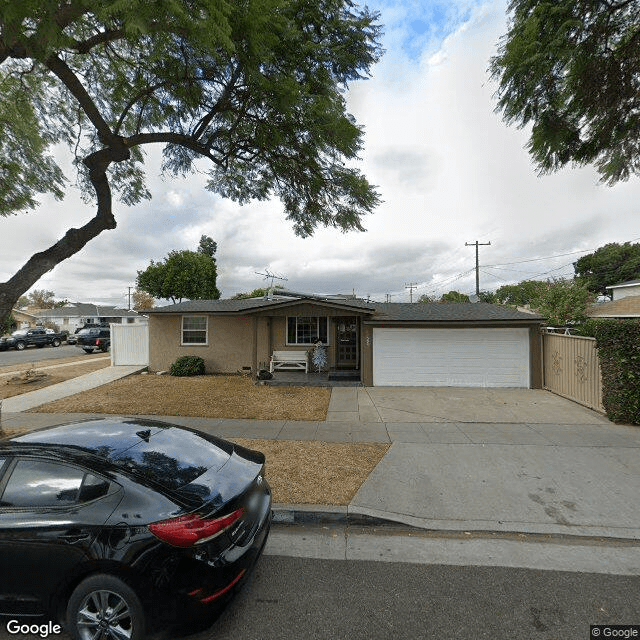
11503 Ferina St, Norwalk, CA 90650
To contact a resident: (562) 484-3777
For more information about senior living options: (866) 208-4318
Noble Retreat Costs & Pricing
Noble Retreat offers competitive pricing for its accommodations compared to both Los Angeles County and the broader California market. For semi-private rooms, Noble Retreat is priced at $2,000 per month, significantly lower than the county's average of $3,349 and the state average of $3,333. The private room option also reflects substantial savings, costing $3,000 monthly in contrast to the county's rate of $4,197 and the state average of $3,939. Similarly, studio apartments at Noble Retreat are available for $3,000 - again more affordable than both the Los Angeles County price of $4,172 and California's average of $4,145. These lower costs position Noble Retreat as an attractive choice for individuals seeking quality accommodations without the steep prices often found in this region.
| Floor plans | Noble Retreat | Los Angeles County | California |
|---|---|---|---|
| Semi-Private | $2,000 | $3,349 | $3,333 |
| Private | $3,000 | $4,197 | $3,939 |
| Studio | $3,000 | $4,172 | $4,145 |
Memory care communities with a similar price nearby
-
About the same
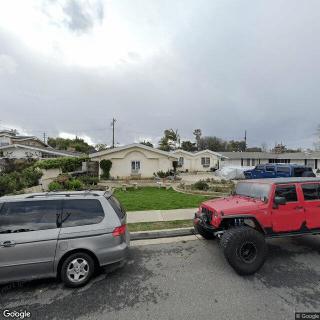
John Villa's Home Care
$2,000 to $3,000 / month18.8 miles away -
from +$300 / mo
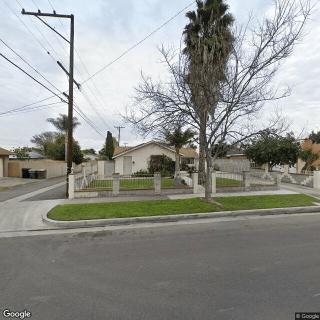
Bronwyn Residential Care
$2,300 to $3,500 / month7.5 miles away -
About the same
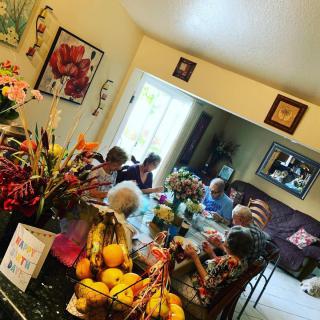
Select Senior Care, LLC
$1,950 to $6,200 / month17.8 miles away -
from -$200 / mo
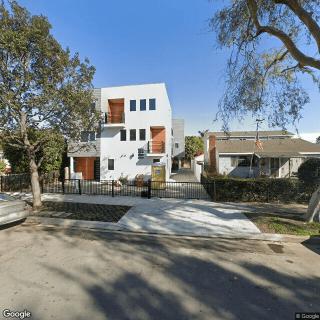
Gracie's Residential Care
$1,800 to $2,500 / month20.0 miles away -
from -$200 / mo
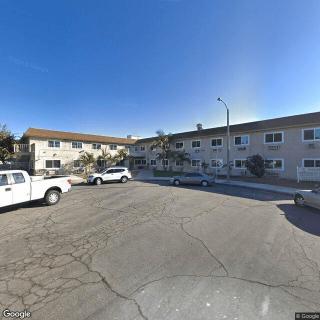
Palms Retirement Center
$1,800 to $3,495 / month8.6 miles away
Overall Review of Noble Retreat
Pros
 The facility is very clean and friendly.
- They have a friendly small pug dog in the backyard, adding a welcoming touch.
- They can meet diabetic care needs, including insulin shots and blood sugar monitoring.
- They use motion monitors to help ensure patient safety and responsive caretaking.
- The services are offered at a reasonable cost and include incontinence supplies.
- Travel to the doctor is included in the package.
- Cap costs are clearly defined with a 10% maximum and potential annual adjustments, aiding budgeting.
Cons
 It notes that three nightly round checks are not performed, which is a drawback.
- Wheelchair travel costs are not covered, requiring extra expenses for minivan or gurney transport.
- The pricing structure allows annual increases up to 10%, which could be financially burdensome.
Review
Noble Retreat in Norwalk is best suited for a single-resident, highly supervised setting where a family wants close oversight and real capability to manage diabetes in a home-like environment. The facility presents as very clean and friendly, with a domestic touch, a small pug in the backyard signaling a cozy, low-stress mood rather than a clinical bustle. Staff can handle essential diabetic care, including insulin administration and blood-sugar monitoring, which is a meaningful safeguard for families worried about day-to-day medical touchpoints. Night checks are not performed three times nightly; instead, motion monitors provide a safety net and caretakers will respond when the resident signals distress or knocks on the wall, with the option to use a “baby monitor” walkie-talkie for added reassurance. The price, about $2,300 a month, includes incontinence supplies, a notable saving in a market where those items are a recurring expense. The cost structure is capped at 10% with potential annual increases up to 10%, and travel to doctor’s visits is included, though wheelchair or gurney travel would fall outside the covered scope.
This setting will appeal to families who want intimate, one-on-one supervision rather than a larger, busier campus. Conversely, those who expect a traditional assisted-living community with multiple residents, broad social programming, and more varied daily activities should consider alternatives. The tiny, single-resident model means fewer opportunities for peer interaction and organized programming, which can be a drawback for seniors who thrive on social engagement. For residents who require more intensive medical management beyond diabetes care, such as complex medication regimens, wound care, or constant nursing presence, Noble Retreat may prove insufficient. Mobility limitations that demand clear, comprehensive wheelchair-accessible transport policies or more robust on-site medical transport arrangements should push families toward facilities with explicit, broader coverage and infrastructure.
On the upside, the strengths align neatly with a practical care plan. The cleanliness and welcoming vibe help minimize stress during a move, and the presence of a small, friendly pet contributes to emotional comfort for many seniors. The explicit ability to manage diabetes on-site reduces anxiety for families who cannot be present around the clock. Motion monitoring, combined with a responsive caretaker, provides a dependable safety framework, and including incontinence supplies removes a recurring logistical burden. Travel to routine medical appointments is covered, which helps control overall costs. The trade-off is that more complex or unexpected medical needs may require additional arrangements or separate billing, and wheelchair-transport scenarios are not included in the base package.
The limitations are worth weighing carefully. The foremost concern is the limited resident pool, which can translate into minimal socialization and fewer opportunities for stimulating daily activities. The absence of a guaranteed three-nightly check could leave some families feeling uneasy, even with motion monitoring and responsive staff. The variance in reviews, spanning high satisfaction to clearer concerns, suggests that outcomes may hinge on staffing on any given shift and the resident’s specific care requirements. Financials, while reasonable for the scope, carry a cap and potential annual increases; families should plan for changes if medical needs evolve or if transportation needs outside the standard package arise.
When evaluating fit, confirm that the resident’s medical profile truly matches the on-site capabilities, especially for diabetes management and any other routine health needs. Verify who conducts on-site medical tasks, the level of overnight supervision, and how quickly staff respond to signals beyond the motion sensors. Understand the pet policy for allergies and the long-term viability of keeping the dog if health changes occur. Scrutinize the financing: the 10% cap and potential yearly increases, and exactly what transport to off-site specialists is covered or excluded. Clarify the ongoing implications if the resident requires services beyond the current scope.
Overall, Noble Retreat offers a practical, cost-conscious option for a senior who values a clean, home-like environment, tight supervision, and on-site diabetes management, all with a pet-friendly touch. It shines when the resident benefits from predictable, understated programming and appreciates immediate access to care without the bustle of a larger campus. It is less suitable for families needing robust social calendars, multi-resident engagement, or extensive 24/7 medical oversight. The decision hinges on the resident’s medical needs, mobility requirements, and tolerance for a small-community dynamic. For those whose priorities align, tight supervision, diabetes-capable staff, a calm home atmosphere, Noble Retreat stands as a sensible, well-priced choice.
 Board and Care Home
 Memory Care
 Private
 Long Beach (Daugherty) (6 miles away)
 When Dementia Sparks Anger and Aggression: Understanding the Connection and Ways to Cope
 Dementia Behaviors: In-Depth Understanding and Effective Coping Strategies
 5 Early Indicators of Dementia and What You Can Do