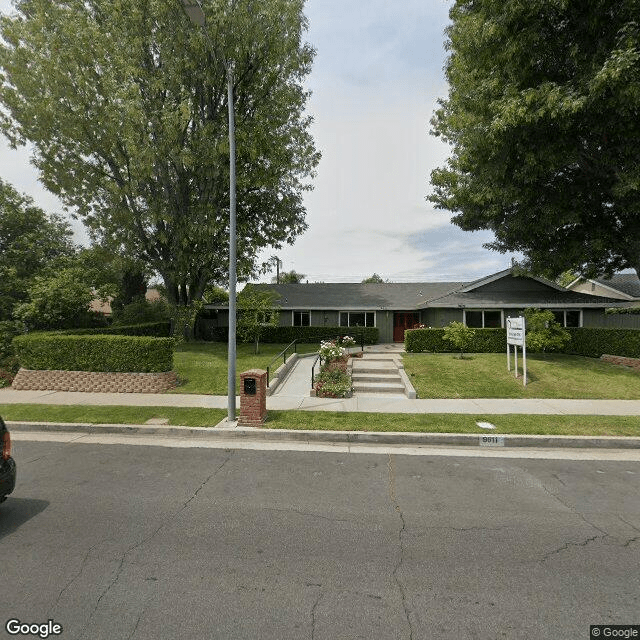
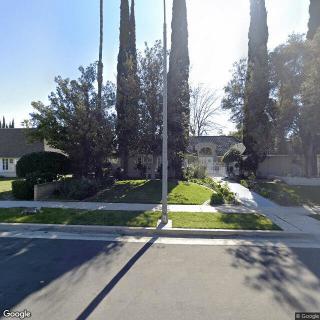
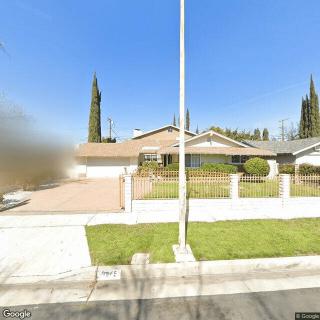
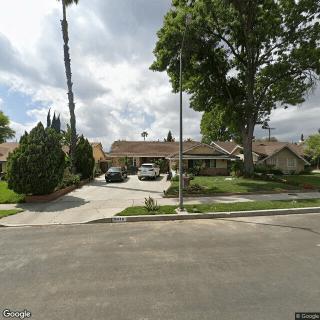
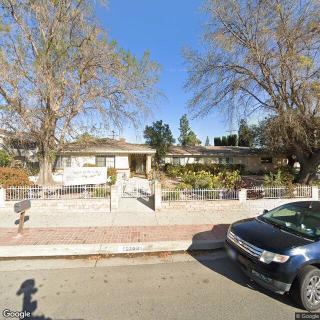
9611 Corbin Ave, Northridge, CA 91324
To contact a resident: (818) 388-4728
For more information about senior living options: (866) 208-4318
Evening Grace Costs & Pricing
Evening Grace offers highly competitive pricing for its accommodations, with private rooms priced at $4,500 per month. This cost is slightly above the average for Los Angeles County, where similar private rooms are typically around $4,197, yet it remains higher than the state average of $3,939. For one-bedroom units, Evening Grace charges $5,500 monthly - again exceeding both Los Angeles County's average of $4,603 and California's state average of $4,340. While the costs at Evening Grace are on the higher side compared to local and state averages, they may reflect enhanced amenities or superior service that justify this premium in a demanding market.
| Floor plans | Evening Grace | Los Angeles County | California |
|---|---|---|---|
| Private | $4,500 | $4,197 | $3,939 |
| 1 Bedroom | $5,500 | $4,603 | $4,340 |
Memory care communities with a similar price nearby
-
from +$500 / mo

Sweet Home Senior Living #1
$5,000 to $7,500 / month9.0 miles away -
About the same
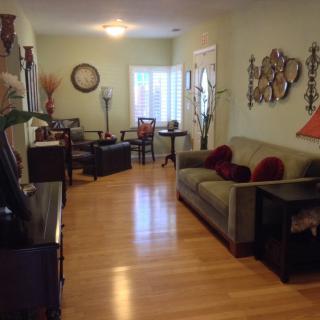
Ardenville Home Care I
$4,500 / month12.6 miles away -
from -$700 / mo
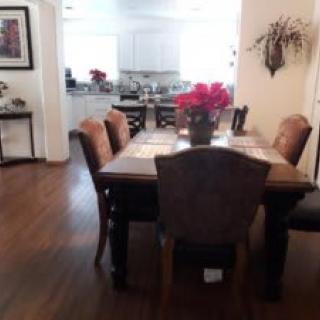
America's Care Manor
$3,800 to $4,000 / month6.8 miles away -
from -$500 / mo
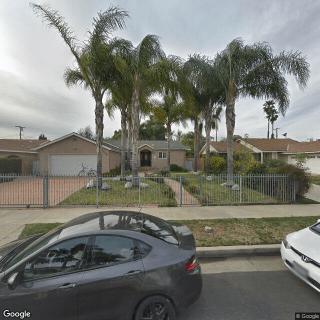
Land of Peace 6
$4,000 to $5,500 / month4.9 miles away -
from +$500 / mo
A Caring Touch Board and Care
$5,000 / month1.2 miles away
Overall Review of Evening Grace
Pros
 Generation Senior Care is the most caring, cleanest, and most professional facility.
- The staff are extremely caring and understanding.
- They have a visiting doctor who works with a neurologist to ensure residents get the right medications.
- The caretakers genuinely care about each resident and treat them like family.
- Residents are treated with respect and love.
- The caretakers and director go the extra mile to provide the best care.
- Residents receive the utmost care and attention.
- Families can rest assured that their loved ones are being cared for.
- The home is well-kept and professionally run.
- Transportation to doctor appointments is provided and staff are readily available when needed.
Review
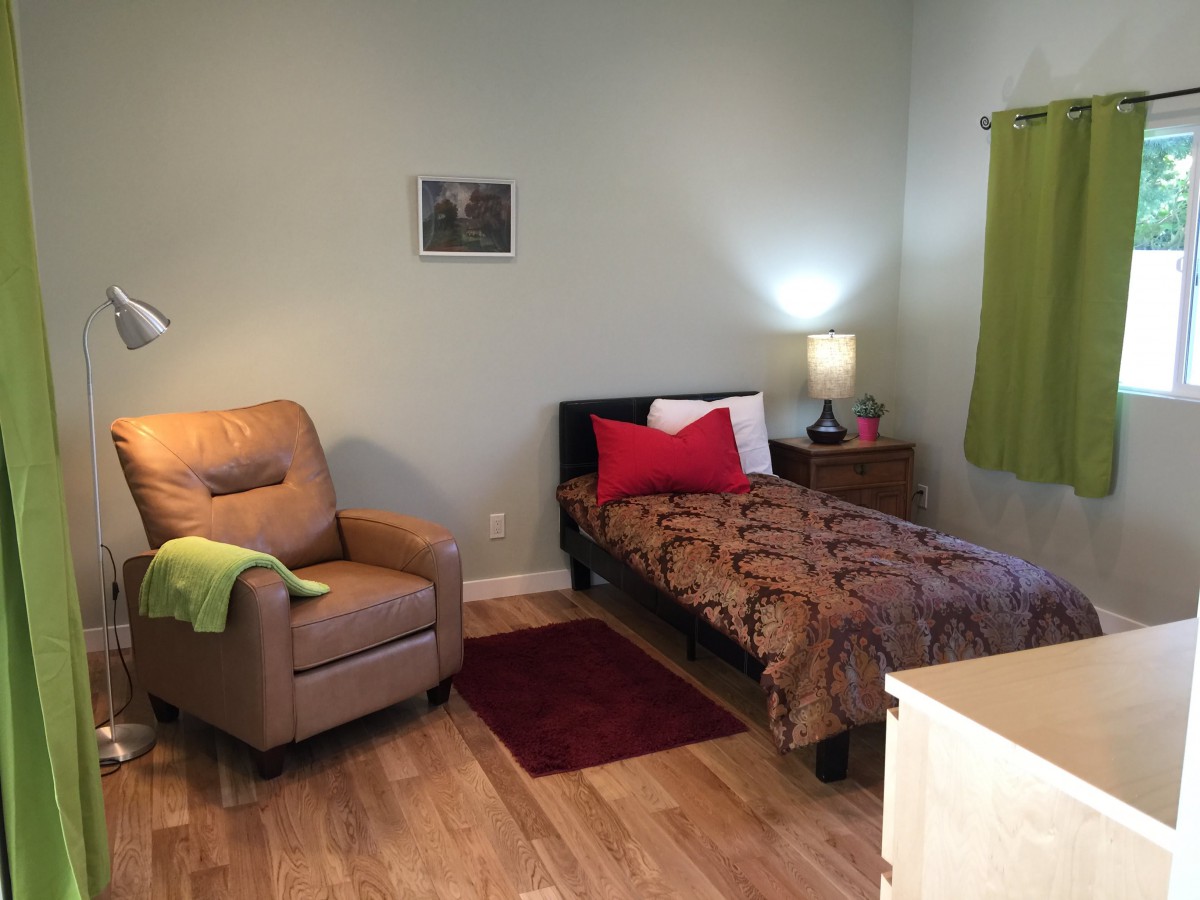
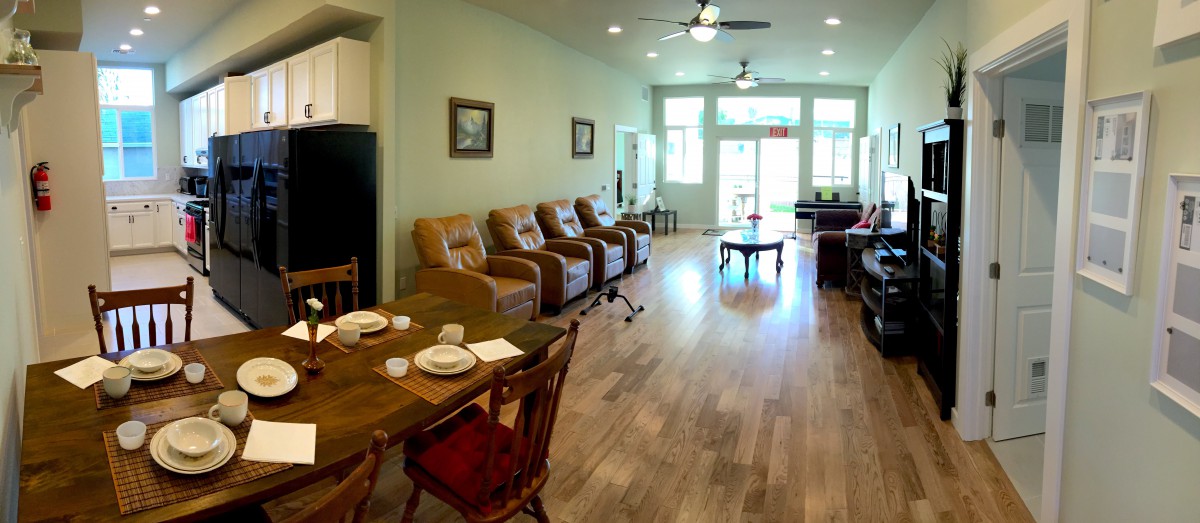
Evening Grace in Northridge is best suited for families seeking a warm, intimate, caregiver-led living option where daily life feels structured yet personal. It fits seniors who benefit from highly individualized attention and a strong sense of family, especially when dementia or cognitive concerns are present. Families repeatedly note staff who meet residents where they are, traveling to a loved one’s home to discuss care and coordinating with medical professionals. A visiting doctor network, aligned with Generation Senior Care, can adjust medications promptly in partnership with a neurologist. In short, the community delivers peace of mind through hands-on care and practical, home-like support rather than an institution-driven model.
Explicitly, the model serves well those who do not require constant on-site nursing or a large campus. The key medical advantage is access to a visiting physician and coordinated specialists, which can resolve issues quickly, evident in stories about adjusting meds for panic attacks and improving overall wellbeing. However, for families whose loved one needs 24/7 on-site medical oversight, or who prefer a bigger environment with more structured activity offerings, alternatives with more extensive on-site medical staff and programming may be preferable. The strong point is reliability and responsiveness, not a sprawling medical faculty.
Pros center on relationships and responsiveness. Caregivers know each resident personally, respect is constant, and staff take proactive steps when concerns arise. The director and team are described as going the extra mile, ensuring each resident receives attention tailored to capabilities and diagnosis. The home is well kept and professionally run, with transportation to appointments arranged and meals that residents welcome. Collectively, these factors translate into tangible outcomes, less anxiety for families, steadier routines for residents, and measurable improvements in appetite and mood when medical adjustments are made.
Medical oversight via visiting clinicians can be a strength, not a compromise. The collaboration with a neurologist to adjust medications and the immediate reaction to changes mean health trajectories stay stable without requiring families to micromanage. This approach also lightens caregiver load at home, a practical relief for families handling dementia care. While the setup may not replicate the constant presence of hospital-level staff, the day-to-day assurance, consistent communication, and quick problem-solving provide a dependable middle ground. For many, this balance of caregiving warmth and clinical coordination proves more reassuring than larger, impersonal operations.
Stories from families illustrate real-life impact: a loved one gaining weight after the move, improved appetite, and an overall sense of security that the care team monitors health closely. Another account emphasizes the staff stepping in to handle tasks that used to fall to family members, freeing energy for other responsibilities. The combination of compassionate care, clean surroundings, and practical support, transportation, meals, and doctor visits, creates a lifestyle where residents remain engaged and families sleep better at night. These outcomes are not abstract; they reflect a well-functioning, high-trust environment that prioritizes dignity and continuity.
Bottom line: this community is a persuasive choice for households prioritizing a homey atmosphere, strong caregiver relationships, and coordinated medical oversight. It is prudent to compare with options offering more exhaustive on-site medical staffing, larger activity calendars, or a broader campus if those features matter. Prospective residents should schedule visits, ask pointed questions about the frequency and scope of physician on-site availability, and discuss staffing ratios and dementia-specific programs. When a loved one thrives on stable routines, respectful treatment, and proactive health management, Evening Grace stands out as a practical, results-oriented solution rather than a generic option.
 Board and Care Home
 Memory Care
 Cats allowed
 Dogs allowed
 Activities off-site
 Air-conditioning
 Bath tubs
 Beautician on-site
 Devotional services off-site
 Fireplaces
 Ground floor units
 Handicap accessible
 Indoor common areas
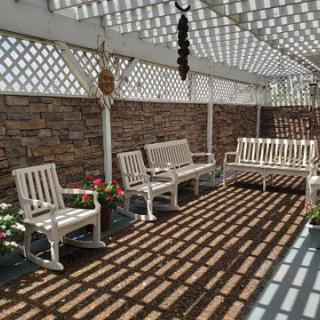
 Outdoor common areas
 Private
 Private bathrooms
 Respite or short term stays offered
 Wheelchair accessible showers
 Burbank-Glendale-Pasadena (12 miles away)
 Diabetic care
 High acuity care
 Incontinence care
 Medication management
 Anytime dining
 Catholic services
 Jewish services
 Live dance or theater performances
 Live musical performances
 Exploring the Power of Reminiscence Therapy for Individuals With Dementia
 An In-Depth Look at Reminiscence Therapy in Dementia Care
 Dementia-Related Hallucinations: Causes, Experiences, and Practical Approaches