
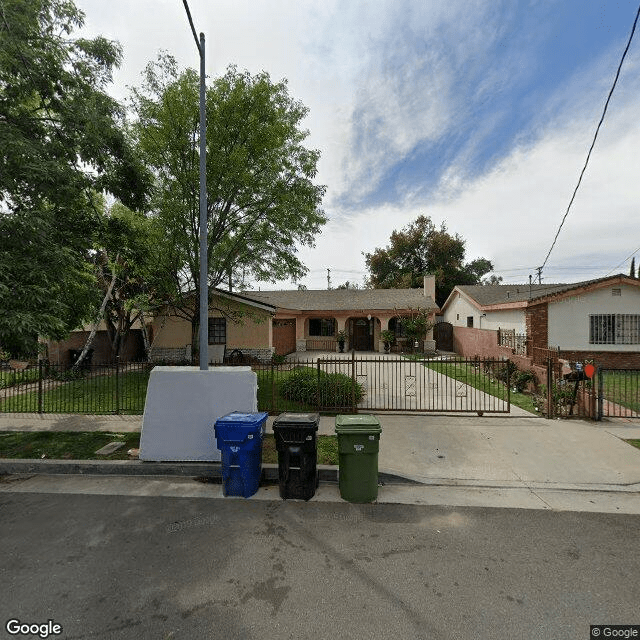
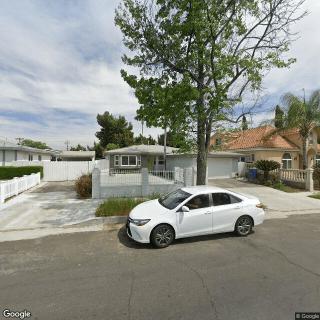
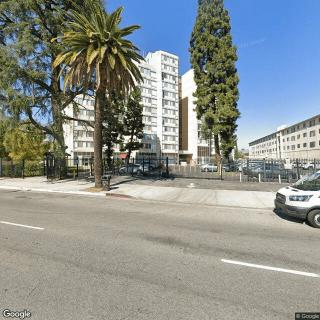
7639 Alcove Ave., North Hollywood, CA 91605
To contact a resident: (818) 759-1282
For more information about senior living options: (866) 208-4318
Masa Comfort Living Inc. Costs & Pricing
Masa Comfort Living Inc. offers competitive pricing for its residential options, significantly lower than both Los Angeles County and California averages. For instance, the semi-private room is available at $1,800 per month, while similar accommodations in Los Angeles County cost approximately $3,349 and the statewide average stands at $3,333. The cost of a studio at Masa Comfort Living Inc. is set at $2,200 per month, contrasting sharply with the county's rate of $4,172 and California's average of $4,145. Private rooms are priced at $3,200 - still more affordable compared to Los Angeles County's $4,197 and notably higher state benchmarks of $3,939. These figures indicate that Masa Comfort Living Inc. not only provides quality living spaces but does so at a price point that is attractive for those seeking affordability without compromising on comfort in a challenging market.
| Floor plans | Masa Comfort Living Inc. | Los Angeles County | California |
|---|---|---|---|
| Semi-Private | $1,800 | $3,349 | $3,333 |
| Studio | $2,200 | $4,172 | $4,145 |
| Private | $3,200 | $4,197 | $3,939 |
Memory care communities with a similar price nearby
-
About the same
Green Valley Home Care
$1,800 to $2,000 / month20.4 miles away -
from -$200 / mo
Laigo-Zanders Home for the Elderly
$1,600 to $2,000 / month18.0 miles away -
About the same
Gracie's Residential Care
$1,800 to $2,500 / month14.6 miles away -
About the same
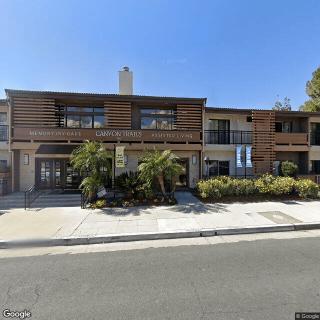
Oakdale Heights of Woodland Hills
$1,750 to $3,462 / month11.0 miles away -
from +$200 / mo
E & J Manor
$2,000 / month19.6 miles away
Overall Review of Masa Comfort Living Inc.
Pros
 Raya's Paradise is a haven where strangers swiftly turn into family, where assistance comes with a warm smile, and where feelings of loneliness dissolve into joy.
- Caregivers and staff are exceptionally compassionate, skilled, and experienced in senior care, ensuring that clients feel completely at home.
- This is a place where families can trust that their loved ones will receive attentive care, feeling safe and nurtured.
- They become part of Raya's Paradise family, and family is the most precious thing of all.
- The atmosphere they create is remarkable: every person who walks through the door immediately feels at ease and nurtured.
- What truly sets Raya's Paradise apart is their unwavering commitment to quality care in a warm, home-like environment.
- Each location is beautifully maintained, thoughtfully staffed, and genuinely focused on the well-being and dignity of every resident.
- There is no better place for loved ones with dementia than Raya's Paradise.
Cons
 The reviewer deemed Raya’s Paradise not responsive enough for them to proceed.
- This perceived lack of responsiveness could deter prospective families from choosing Raya’s Paradise.
Review
This community is best suited for families seeking an intimate, home-like care environment where residents are treated like family and where dementia or chronic-care needs are met with steady, compassionate hands. The stories across experiences consistently describe a warm, supportive staff, a safe atmosphere, and a culture of personalized attention that makes loneliness dissolve into belonging. Long-tenured teams, reliable communication with case managers, and a clear emphasis on safety and dignity position this option as a strong fit for older adults who want the feel of a small, caring home without sacrificing access to nursing and meaningful activities. For families who prize continuity, stability, and a genuinely nurturing daily rhythm, this is where less-stress milestones, like meals, routines, and social connections, tend to fall into place.
Alternatives should be considered for families who require a higher degree of medical oversight, faster responsiveness, or a more institutional, larger-campus environment. A few reviewers pointed to situations where responsiveness did not meet their expectations, signaling that in moments of acute need or rapid decision-making, other facilities with more robust on-site clinical teams and administrative speed may better align with certain expectations. Prospective residents who value formal, highly structured processes or who want a facility with a visibly bigger operations footprint might find options elsewhere that feel more procedural or scalable. In short, if rapid, blunt medical responsiveness and a wide-aisle, campus-style setting are non-negotiables, explore alternatives.
The core strength here lies in how the pros offset the main concerns. The overwhelming warmth and attentiveness of caregivers, the home-like environment that still delivers access to nursing staff and organized activities, and the emphasis on treating residents as part of a family create a compelling value proposition. Dementia care emerges as a particular strength: staff take time to understand triggers, tailor responses, and maintain safety and calm, even when behaviors are challenging. Longstanding staff relationships and dependable communication with case managers reduce the friction families often feel when coordinating care, which is a meaningful offset to the occasional perception of slower responsiveness. Residents benefit from a culture that prioritizes dignity, safety, and daily meaningful engagement, which can translate into fewer hospital visits and a steadier quality of life.
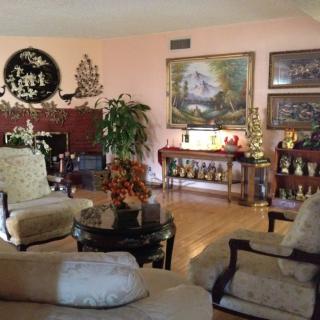
Equally important are the lived experiences that paint the day-to-day picture. The environment is described as bright, comfortable, and thoughtfully equipped, with amenities that mirror those of larger facilities while preserving the warmth of a smaller home. Families praise the balance between engaging activities, a full menu, and attentive, respectful care. The emotional resonance, care that feels sincere, patience that honors each resident’s story, and a feeling that the community is truly listening to both residents and families, consistently surfaces in reviews. Notable anecdotes include life-saving attentiveness around medication and a demonstrated willingness to adapt care plans as needs evolve, underscoring a responsive, if sometimes selectively brisk, operational tempo.
For families evaluating this option, practical questions should guide the next steps. Inquire about staff-to-resident ratios, dementia-specific training, and how med management is coordinated with external providers. Request to meet the caregiving team and to shadow a meal or activity to observe how routines unfold. Ask about how transitions are handled for new residents, how emergency situations are escalated, and what the typical week looks like in terms of outings and social programs. Discuss cost structures openly, including what is included in monthly rates and what may incur additional charges, as these often impact long-term decisions. A transparent tour paired with candid conversations with care managers can illuminate whether the pace and style of care align with the loved one’s needs.
In the end, this community stands out for families prioritizing a deeply personal, compassionate caregiving approach with solid dementia support and a home ambiance. It shines where trust, continuity, and everyday humanity matter most, delivering meaningful quality of life through daily routines, engaging activities, and a safety-first mindset. It is less well-suited for those who demand the scale, rapid clinical interventions, or corporate rigidity associated with larger facilities. For the right resident, someone who thrives on individualized attention, a family-like culture, and patience-driven care, this option warrants a strong, active consideration, with a visit and direct conversations as the decisive next step.
 Board and Care Home
 Memory Care
 Activities on-site
 Bath tubs
 Indoor common areas
 Outdoor common areas
 Private
 Respite or short term stays offered
 Wheelchair accessible showers
 Burbank-Glendale-Pasadena (3 miles away)
 High acuity care
 Incontinence care
 Medication management
 Meals provided
 Comprehensive Insights on the Late Stages of Dementia: What to Expect and How to Provide Care
 Medications Associated with Dementia Risk: A Comprehensive Overview
 Guiding Your Journey: Understanding Power of Attorney for Elderly Parents