
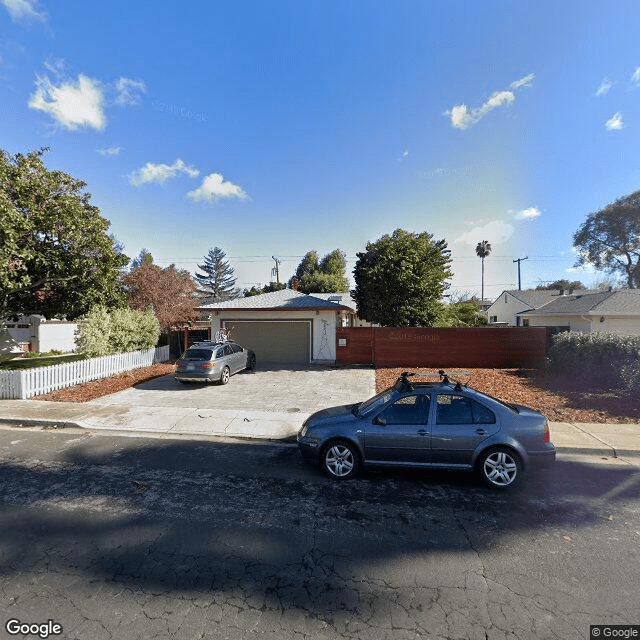
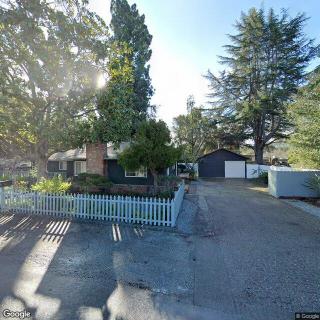
1617 Begen Ave, Mountain View, CA 94040
To contact a resident: (650) 400-6090
For more information about senior living options: (866) 208-4318
Diamond Care Home Costs & Pricing
Diamond Care Home offers competitive pricing for its residents, with costs reflecting both the local and state averages. For a semi-private room, Diamond Care Home charges $3,900 per month, slightly lower than the Santa Clara County average of $3,943, yet higher than the California state average of $3,333. Private rooms are priced at $4,500, which is in line with the county's rate of $4,096 but exceeds the state average of $3,939. Additionally, studio accommodations are available for the same monthly fee of $4,500, positioning them below the county's rate of $5,155 while remaining above the state average of $4,145. Overall, Diamond Care Home presents itself as an attractive option within a varying market landscape while maintaining a commitment to quality care.
| Floor plans | Diamond Care Home | Santa Clara County | California |
|---|---|---|---|
| Semi-Private | $3,900 | $3,943 | $3,333 |
| Private | $4,500 | $4,096 | $3,939 |
| Studio | $4,500 | $5,155 | $4,145 |
Memory care communities with a similar price nearby
-
from -$741 / mo

Moldaw Family Residences a CCRC
$3,159 to $4,381 / month3.3 miles away -
from -$205 / mo
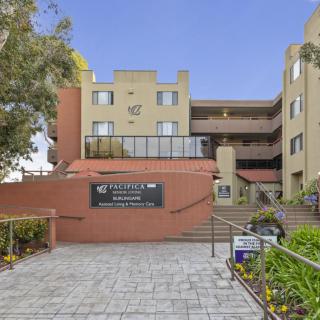
Pacifica Senior Living Burlingame
$3,695 to $6,400 / month20.0 miles away -
from +$700 / mo

The Pavilion
$4,600 / month15.9 miles away -
from +$570 / mo
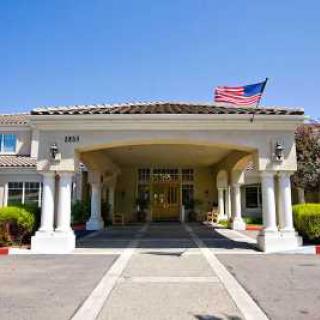
Aegis of Fremont
$4,470 to $6,420 / month13.0 miles away -
from -$305 / mo
Atria Willow Glen
$3,595 to $6,295 / month11.3 miles away
Overall Review of Diamond Care Home
Pros
 The caregivers are kind, compassionate, and always willing to help with anything their clients need.
- Leian is kind, concerned, and upfront about scheduling and pricing, and she is organized and flexible.
- Diamond Home Care provides seamless, reliable care that lets families relax knowing their loved ones are in good hands.
- The caregivers are top-notch professionals who communicate well and get along with families and visitors.
- The team helps families navigate long-term health insurance processes with patience and support.
- The care is personalized and dedicated, with genuine compassion.
- Families feel grateful and confident in the care Diamond Home Care provides.
Review
Diamond Care Home in Mountain View is best suited for families seeking highly personalized, at-home senior care where a hands-on owner and a consistently strong caregiver team deliver seamless, compassionate support. This community model shines when the elder prefers remaining in a familiar residence, rather than moving into a traditional facility, and when the need centers on daily living assistance, mobility help, post-acute recovery, and end-of-life care. The owner, Leian, emerges as a standout figure, kind, honest about scheduling and pricing, organized, and flexible, setting a tone of reliability that reassures families who must trust strangers to care for a loved one.
Those who may want to consider alternatives are families prioritizing a more structured, campus-style environment with built-in social programs, around-the-clock on-site supervision, or a dedicated memory-care setting. If the goal is a lively community with scheduled activities, peer interaction, and a defined, multi-room facility, a traditional assisted living or memory-care residence may offer a better fit. For elders who require frequent, intensive monitoring or highly specialized medical supervision in a setting with peers and formal staffing, a larger care community could provide advantages that in-home care cannot replicate.
The strongest positives pivot around the people delivering care. Caregivers are consistently described as top-notch, compassionate, patient, and reliable, creating a sense that the elder’s day-to-day needs are met with competence and warmth. The seamlessness of transitions from hospital or rehab to home is repeatedly highlighted, with immediate caregiver placement and coordinated support that minimizes disruption. Clear communication with families is another hallmark, along with the ability to navigate long-term health insurance processes, a relief for relatives facing complex coverage questions. This blend of personal attention and practical administration is the core value proposition.
Yet, the in-home care model carries inherent trade-offs that deserve careful consideration. There is no formal, on-site community life to draw from, which means social stimulation and assisted-living-style programming may be limited compared with campus options. Families must be prepared to shoulder ongoing coordination work, even when the owner and team excel in reliability; caregiver schedules and continuity matter, and while turnover is not indicated, the model can require more direct family involvement than a traditional facility. Pricing transparency is cited positively in the feedback, but the cost structure remains a factor that families should verify against alternatives to ensure alignment with long-term plans.
Despite these caveats, the pros substantially offset the cons for the right candidate. The strongest counterbalance to the absence of a formal communal setting is the exceptional level of individualized attention and the security of direct access to a capable owner who oversees care plans personally. The ability to tailor services around hospital-to-home recovery, mobility assistance, and daily routines makes it credible to keep a loved one at home without sacrificing quality. The sense that caregivers feel like family, paired with practical supports such as insurance navigation and rapid deployment of staff, creates a stability that often surpasses expectations for in-home care.
For families weighing next steps, practical questions sharpen the decision. How will care plans be adjusted during illness or hospital readmission, and who coordinates post-discharge services? What is the caregiver-to-elder ratio during evenings and weekends, and what contingencies exist for staff shortages? What range of services is available at home, medication management, mobility assistance, rehabilitation support, and emergency response, and how are these integrated with insurance benefits? Prospective clients should request references, confirm pricing ranges, and explore whether a trial period or phased ramp-up is possible. In the end, Diamond Care Home represents a compelling, deeply human alternative for staying at home, with a leadership and caregiver team that tends to every detail with honesty and care.
 Board and Care Home
 Memory Care
 Private
 San Jose International (9 miles away)
 Ambulatory care
 High acuity care
 Engaging Memory Care Activities That Enhance Quality of Life
 When to Transition from Assisted Living to Memory Care: Key Indicators, Steps, and Finding the Right Community
 Understanding the Distinctions: Assisted Living and Memory Care Explained