
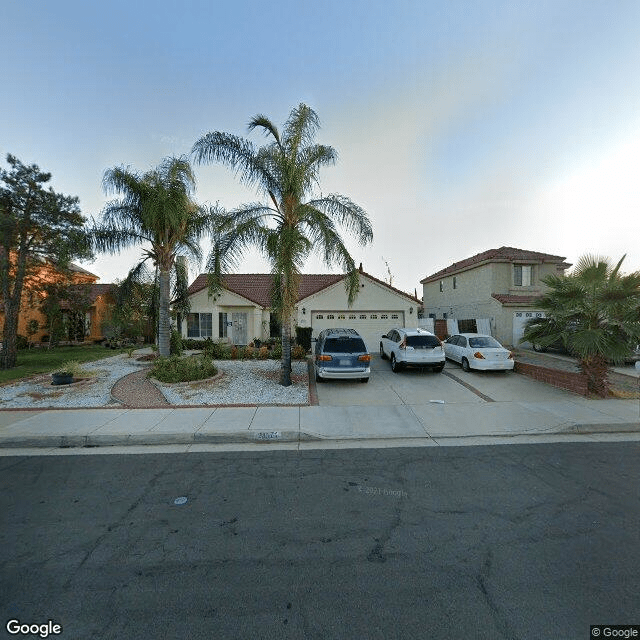
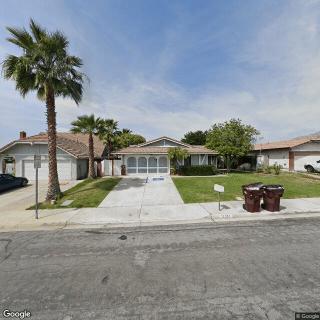
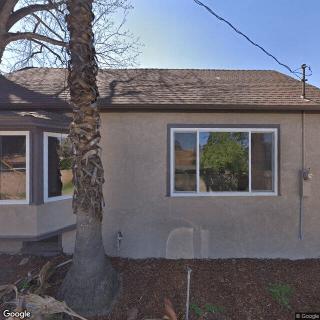
23571 Rhea Drive, Moreno Valley, CA 92557
To contact a resident: (951) 743-1606
For more information about senior living options: (866) 208-4318
Good Samaritan Elderly Home I Costs & Pricing
Good Samaritan Elderly Home I offers a semi-private room at a monthly cost of $1,500, which is significantly lower than the average rates for both Riverside County, where the typical cost stands at $2,844, and the broader California state average reaching $3,333. This pricing positions Good Samaritan as an appealing alternative for families seeking quality care for their loved ones without compromising financial stability. The home's competitive rates reflect a commitment to providing accessible elderly care services while reducing the financial burden often associated with assisted living facilities in the region.
| Floor plans | Good Samaritan Elderly Home I | Riverside County | California |
|---|---|---|---|
| Semi-Private | $1,500 | $2,844 | $3,333 |
Memory care communities with a similar price nearby
-
from -$200 / mo
Gem's Senior Living I
$1,300 to $2,500 / month17.2 miles away -
About the same
Golden Guest Home III
$1,500 to $2,800 / month6.4 miles away -
About the same
Diamond Crest Home Care
$1,500 to $2,500 / month22.0 miles away -
from +$100 / mo
Rose Garden Family Care, LLC
$1,600 to $2,500 / month20.9 miles away -
About the same
Eagle Vista Home Care
$1,500 to $2,200 / month5.5 miles away
Overall Review of Good Samaritan Elderly Home I
Pros
 The staff consistently greet residents in their rooms, ask how they’re doing, and show a strong community spirit.
- They change residents regularly, and the care is excellent enough that there’s never a rash.
- The facility is clean, the food is great, and there is a large variety of meals.
- The staff are attentive and truly get to know the residents; they are caring and accommodating.
- The meals are tasty and nutritious, often prepared by a chef, with a rich schedule of daily activities.
- The caregivers are compassionate and devoted, described as “angel” caregivers tending to residents with kindness.
- It is a lovely, clean, well-maintained place that feels like home.
Cons
 The reviewer stated it was the worst retirement center they had ever visited.
- They noted that despite the facility’s beauty, almost everything else needed to be changed.
- They saw only about three caregivers and witnessed a staff member walk by a resident needing assistance without helping.
- They felt management appeared to have no idea what was going on and seemed focused on payroll rather than residents’ care.
- They described apparent favoritism and unprofessional behavior, such as a staff member on her cell phone while others prepared.
- They urged readers to ask many questions and be present to ensure loved ones are cared for, not just paying for care.
- They criticized that employees are paid at minimum wage and should be compensated better.
Review
Good Samaritan Elderly Home I in Moreno Valley is best suited for families seeking a warm, intimate assisted-living environment where staff attention feels personal, meals are thoughtfully prepared, and daily life revolves around relationships and routine. The residence’s modest size, roughly 50–60 residents, fosters familiarity, regular check-ins, and a sense of community that translates into reliable bedside care for a loved one who requires hands-on assistance and constant monitoring. For seniors who value being near home and having regular county-style activities, this community frequently delivers a home-like experience with staff members who get to know individual preferences, patterns, and needs.
Those considering alternatives should weigh a few realities. The strongest reservations arise from reports of uneven staffing and administrative responsiveness, particularly at times when concerns about care quality surface. Some reviewers flag perceived gaps in attentiveness and accountability, and a few point to pay practices and staffing levels as factors that could influence consistency. Families that require a facility with a broader footprint, more specialized memory-care programming, or a guaranteed, uniformly staffed experience across all shifts may find the consistency and scalability they need elsewhere. In short, this setting works best when trust in a dedicated, small-team atmosphere is prioritized over larger-scale amenities.
On the positive side, the core strengths are unmistakable and meaningful for long-term care planning. Caregivers frequently receive universal praise for being attentive, compassionate, and highly involved in residents’ daily wellbeing. The physical environment earns compliments for cleanliness and inviting ambiance, while nutrition and dining are notable highlights, chef-prepared meals and a varied menu contribute to residents enjoying meals and maintaining appetite. The activity slate runs from gentle fitness, bingo, and sing-alongs to social events, offering meaningful engagement for many residents and reducing isolation for those who thrive on routine and interaction. For families whose loved ones value steady routines and meaningful social connection, these are decisive advantages.
Nevertheless, the drawbacks carry enough weight to influence decision-making. A recurring concern centers on perceived inconsistencies in staff presence and responsiveness, with some reviews describing moments when assistance was delayed or attention was diverted. Administrative dynamics are also highlighted as a potential vulnerability, particularly for families who insist on transparent communication and proactive problem-solving. These factors do not negate the many positive experiences but they do introduce a spectrum of risk that must be considered when the priority is unwavering day-to-day reliability and oversight.
The way the positives interact with the drawbacks matters. The undeniable warmth of the caregiving team, the clean, comfortable setting, and the robust activity calendar can offset concerns about occasional gaps in staffing by providing predictable routines and a sense of security for residents and families. For a loved one who benefits from small-scale intimacy, regular face-time with caregivers, and a strong sense of community, the benefits often outweigh the risks. The emphasis on personal attention, seen in the way staff greet residents, adjust meals to preferences, and tailor activities, can create a compensatory balance against the quieter concerns that sometimes surface in reviews.
For decision-makers, the bottom line is practical: this community excels for families prioritizing a homey, people-centered atmosphere with reliable care and appealing dining, especially when a smaller campus and proximity to familiar surroundings matter. Alternatives are worth exploring if guarantees around staffing consistency, administrative responsiveness, or a broader array of medical or memory-care services are non-negotiable. To move forward, prospective families should schedule a multi-time tour, speak directly with front-line caregivers and administrators, review a resident care plan, and assess how the daily schedule aligns with their loved one’s routines and preferences. In-person conversations with current residents or families can also illuminate how the community handles urgent needs, meal preference changes, and activity customization over time.
 Board and Care Home
 Memory Care
 Bath tubs
 Respite or short term stays offered
 Wheelchair accessible showers
 Ontario International (21 miles away)
 Diabetic care
 High acuity care
 Incontinence care
 Meals provided

 Dementia Behaviors: In-Depth Understanding and Effective Coping Strategies
 5 Early Indicators of Dementia and What You Can Do
 8 Important Indicators That Memory Care May Be Necessary