
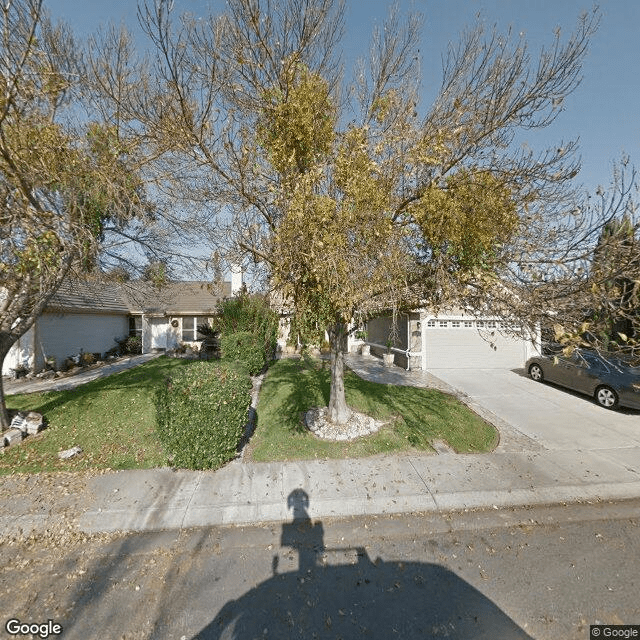
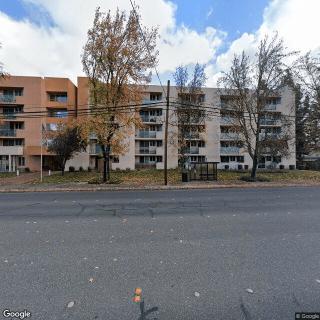
3521 Effingham Ln., Modesto, CA 95357
To contact a resident: (209) 495-2504
For more information about senior living options: (866) 208-4318
Golden Age Home Care Costs & Pricing
Golden Age Home Care offers competitive pricing for its services compared to both Stanislaus County and the broader California state averages. For instance, their private and semi-private room types are priced at $2,500 each, significantly lower than the county average of $3,754 and $3,241 respectively. Even in terms of studio accommodations, Golden Age Home Care maintains a favorable rate of $3,000 versus the county's $3,925 and the state's $4,145. This pricing strategy not only underscores their commitment to affordable care but also positions them as an attractive option for families seeking quality home care without exceeding their budget.
| Floor plans | Golden Age Home Care | Stanislaus County | California |
|---|---|---|---|
| Private | $2,500 | $3,754 | $3,939 |
| Semi-Private | $2,500 | $3,241 | $3,333 |
| Studio | $3,000 | $3,925 | $4,145 |
Memory care communities with a similar price nearby
-
About the same
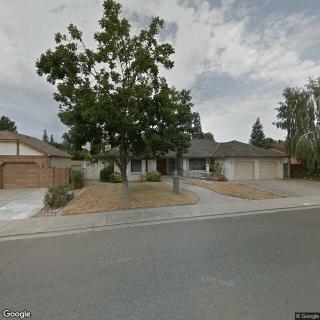
Beta Care Home
$2,500 to $4,000 / month7.0 miles away -
About the same
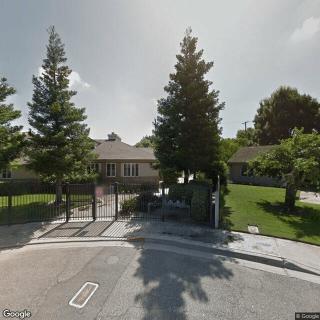
Covenant Retirement Communi
$2,525 to $4,000 / month10.2 miles away -
About the same
Hospitality House
$2,500 to $4,200 / month10.2 miles away -
from -$305 / mo
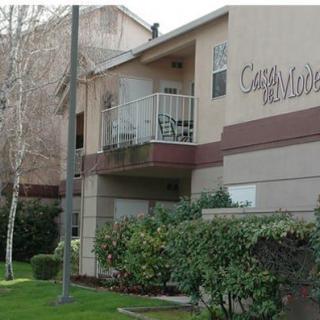
Casa De Modesto
$2,195 to $3,495 / month3.7 miles away -
from +$200 / mo

Aspen Ville Co
$2,700 / month10.2 miles away
Overall Review of Golden Age Home Care
Pros
 The care at Golden Age is highly praised.
- The team knew her and understood when something was not right with her medical situation.
- The caregivers are kind, attentive, and very caring.
- The home is well-maintained, well-furnished, and very clean.
- The home is smaller with six residents and feels like home.
- The loved one is happy and enjoying the care.
- The reviewer has recommended Golden Age to others and will continue to do so.
- The reviewer is willing to serve as a reference.
- They have a nice house.
Cons
 There are no negative statements in the reviews provided.
Review
Golden Age Home Care in Modesto, CA is best suited for families seeking a highly intimate, home-like assisted living option where a resident can receive exceptionally personalized daily care over the long term. The six-resident setting fosters deep familiarity among residents and staff, enabling caregivers to tailor responses to subtle changes in health and mood. For seniors who prize routine, warmth, and steady caregiver relationships, this smaller model delivers a level of continuity and comfort that larger facilities often struggle to replicate.
Those who may want to consider alternatives are typically families facing particular medical or social needs that demand broader infrastructure. Residents requiring extensive skilled nursing oversight, hospital-level medical coordination, or a robust slate of on-site therapies and social programs may find a larger community more aligned with those requirements. The six-resident home, while intimate and well-run, naturally offers a more limited range of services and activities than larger assisted living environments.
The strongest positives are hard to overstate: care that is deeply personalized, delivered by caregivers who know each resident well, and anchored by a calm, well-maintained environment. Families repeatedly describe the staff as kind, attentive, and genuinely caring, with the team accurately sensing when something is not right and adjusting care promptly. The home’s cleanliness and furnishings reinforce a comforting, “home” atmosphere that reduces stress for residents and makes daily living feel routine rather than institutional.
This model’s advantages offset potential drawbacks through a built-in sense of stability and trust. With a small cadre of caregivers attending to a small group, residents enjoy consistent supervision, rapid communication with families, and a straightforward care plan that can be updated as needs evolve. While the communal calendar may not boast the breadth of activities found in larger campuses, the close-knit environment creates meaningful peer connections among the six residents, a dynamic that often translates into higher wellbeing and easier management for family members.
That said, it is prudent to acknowledge where the structure may not fit every situation. The most common trade-off is that more extensive medical resources and a wider array of therapies are less accessible on-site here; escalation to outside services or transitions to more comprehensive facilities might be necessary if health needs intensify. The same intimate scale that fosters warmth and rapid responsiveness can mean fewer high-energy programs or specialized memory-care options. Families should confirm that the resident’s current and anticipated needs align with the home’s capabilities and care philosophy.
In sum, Golden Age Home Care stands out as a strong, practical choice for seniors who want a highly individualized, home-forward care experience under attentive supervision. It excels for those who value caregiver continuity, a peaceful living environment, and a sense of belonging within a small community. For families prioritizing a large, diverse activity calendar or advanced medical staffing onsite, alternatives may better match expectations. A focused visit, inquiring about caregiver ratios, day-to-day routines, and how care plans are coordinated with external providers, will reveal how closely this setting matches the resident’s goals and health trajectory.
 Board and Care Home
 Memory Care
 Activities off-site
 Beautician on-site
 Devotional services off-site
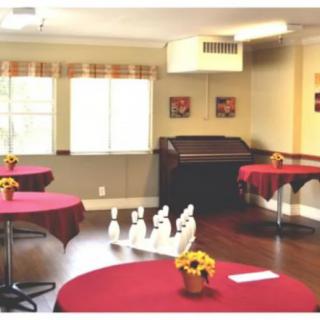
 Indoor common areas
 Outdoor common areas
 Private
 Respite or short term stays offered
 Wheelchair accessible showers
 Modesto City-County-Harry Sham (2 miles away)
 Diabetic care
 High acuity care
 Incontinence care
 Medication management
 Kosher
 Dementia-Related Hallucinations: Causes, Experiences, and Practical Approaches
 Illuminating Insights About Alzheimer's Disease: Ten Crucial Realities
 A Thorough Discussion of Medications Potentially Linked to Dementia Risk