
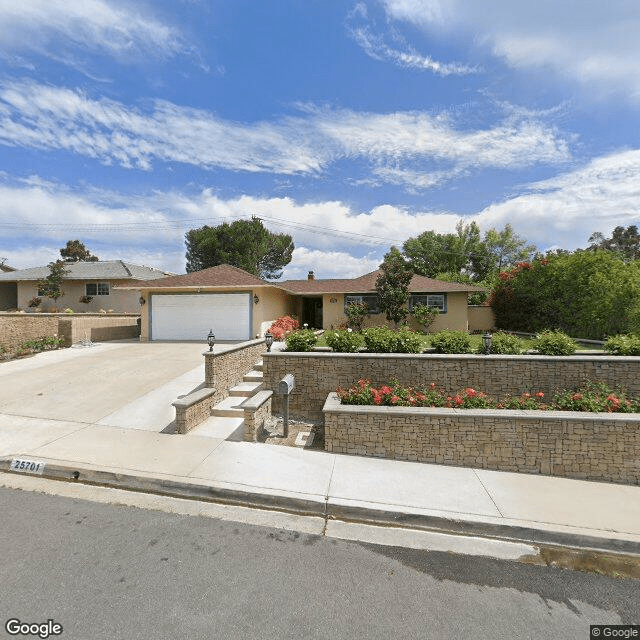
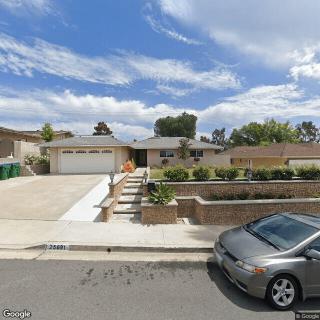
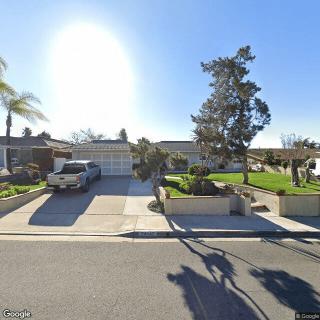
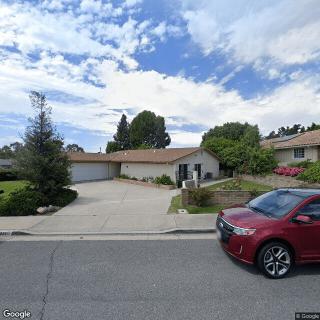
25701 Sabina Ave, Mission Viejo, CA 92691
To contact a resident: (949) 230-3797
For more information about senior living options: (866) 208-4318
A Verona Court III Costs & Pricing
A Verona Court III offers competitive pricing for its room types when compared to the broader Orange County and California markets. For semi-private accommodations, the cost at A Verona Court III is $3,800 per month, which is slightly higher than both Orange County and statewide averages of $3,431 and $3,333, respectively. Similarly, private rooms are priced at $4,500 - again above the local average of $4,104 but closely aligned with the state average of $3,939. For one-bedroom units, A Verona Court III maintains a price point of $4,500 per month, which is in line with Orange County's median of $4,380 and slightly exceeds California's overall average of $4,340. These figures indicate that while A Verona Court III may be priced somewhat above local averages for some options, it remains a valuable choice within the context of comprehensive care and services provided.
| Floor plans | A Verona Court III | Orange County | California |
|---|---|---|---|
| Semi-Private | $3,800 | $3,431 | $3,333 |
| Private | $4,500 | $4,104 | $3,939 |
| 1 Bedroom | $4,500 | $4,380 | $4,340 |
Memory care communities with a similar price nearby
-
from +$195 / mo

Cadence Brea
$3,995 to $5,500 / month24.2 miles away -
from -$300 / mo
Kun Bai Care
$3,500 to $4,500 / month23.5 miles away -
from +$700 / mo
Casa Bella
$4,500 / month17.7 miles away -
from +$200 / mo
Active Senior Home Care
$4,000 to $5,000 / month1.2 miles away -
from +$200 / mo
Royal
$4,000 to $4,800 / month18.5 miles away
Overall Review of A Verona Court III
Pros
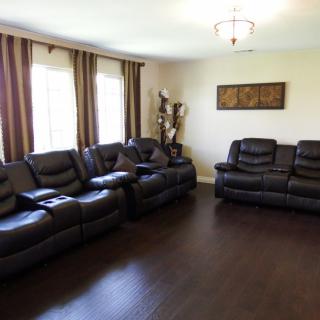
 They felt like they were in a home when they entered Verona Court.
- The staff answered all questions and provided a complete service.
- Verona Court’s 3:1 patient-to-caregiver ratio offered significant personal attention.
- Remi and Jun delivered incredible, around-the-clock care for Dad.
- Jason, the Hospice head nurse, was great to work with and provided regular updates.
- They could see Dad’s final days were peaceful and serene thanks to the care team.
- Chere Vought promptly stepped in and recommended two places to compare, guiding them to Verona Court.
Cons
 The rehab center was not the right place for him.
- The bed alarm does not prevent a resident from getting up; it only sounds.
- Medicare does not cover the electric hospital bed, costing $155 per month to rent.
- Three residents have mattresses on the floor, indicating substandard accommodations.
- It is difficult for residents to move from sitting to standing.
- Full-care costs are very high, up to $4,000 for a private room or $3,500 for a shared room.
Review
Verona Court III in Mission Viejo is best suited for families seeking a truly intimate, home-like setting where a loved one can receive highly personalized, around-the-clock attention. The six-resident footprint creates a near-family atmosphere, with staff living up to a 3:1 caregiver-to-resident ratio. This arrangement means hands-on care, rapid response to needs, and a level of continuity that makes dementia shifts, night-time awakenings, and end-of-life moments less stressful for families. The residents’ daily experience is shaped by constant availability from Remi and Jun, two full-time caregivers, and by coordinated support from Julie, the head nurse, plus hospice liaison Jason. For families prioritizing peace of mind and clear lines of communication, Verona Court III stands out as a place where loved ones are tended to with relentless attentiveness.
This community is not a fit for every senior, and certain circumstances warrant exploring alternatives. Those who crave a larger social milieu, a more expansive activity calendar, or access to a broad network of therapy options may feel tethered by Verona Court III’s compact scale. Families seeking aggressive rehabilitation programs, frequent specialty clinical services, or substantial independence with independent living amenities may be better served elsewhere. Additionally, while the care team demonstrates extraordinary dedication, prospective residents must verify whether ongoing care needs, such as extensive mobility support or frequent medical visits beyond what a tiny campus can sustain, align with the facility’s resources. In short, Verona Court III excels in intimate, high-touch care, but it is less likely to deliver the breadth of services a very active, socially oriented senior might require.
The standout pros, intimate setting, strong caregiver coverage, and seamless care coordination, largely offset the potential drawbacks. The small size translates into a genuine home environment where staff know residents’ routines, preferences, and subtle cues, enabling rapid, compassionate responses during alarms, nocturnal disquiet, or wandering concerns often seen with dementia. The 24x7 presence of Remi and Jun ensures that needs are met quickly, not deferred until a shift change, and the involvement of Jason from Hospice provides families with consistent medical updates and alignment on evolving goals. This is precisely the kind of environment where families gain true “eyes on the floor” security, particularly during transitions from hospital or rehab to home-based care, or when a loved one’s days are light on structured activities but heavy on comfort and dignity.
Where the marketplace context matters, Verona Court III still offers a compelling contrast. A review of the local landscape notes substantial costs, ongoing charges for transportation, and equipment-related expenses elsewhere in Laguna Niguel and Mission Viejo, including hospital beds and mobility aids that incur monthly rentals and add strain to budgets. Those cost considerations can quickly alter the calculus for families weighing options in this area. Verona Court III’s strength lies in delivering personal, compassionate care within a small community, which can translate into lower drama, fewer transfers, and more predictable caregiving than larger facilities often exhibit. Yet the decisive factor remains how much programming, mobility support, and financial flexibility the family can expect from any given option.
For families evaluating Verona Court III, the practical path is to tour with concrete questions in hand. Look for signs of genuine daily engagement, how caregivers communicate with residents, how transitions are managed, and whether residents appear comfortable moving through spaces. Request a detailed outline of what is included in the stated care level, and ask how the team handles nights, medication administration, and escalating symptoms. Discuss visiting policies beyond posted hours, ensuring spontaneous family involvement remains easy, since the review thread emphasizes openness and regular updates. Finally, compare a realistic care plan side-by-side with other small or larger communities to determine whether the intimate, home-centered model or a broader, activity-rich environment better aligns with the senior’s personality and the family’s budget.
In conclusion, Verona Court III represents a strong, practical option for families prioritizing intimate, nurse-led attention, dementia-capable positioning, and a serene, home-like atmosphere during the later chapters of life. Its six-resident model delivers what many families crave: continuous staffing, explicit caregiver accountability, and meaningful, timely communication about a loved one’s condition. Those who prize this level of personalization should move decisively toward an in-person assessment, armed with questions about night coverage, activity opportunities, and financial clarity. However, for seniors who require a busier social life, broader therapy options, or cost structures that favor volume over personalization, alternatives deserve serious consideration. One caveat remains, the occasional dissenting review exists, underscoring the importance of personal visits to verify fit. Verona Court III is not just a place to live; it is a focused, high-touch commitment to comfort, dignity, and close-knit caregiving.
 Board and Care Home
 Memory Care
 Cats allowed
 Dogs allowed
 Private
 John Wayne Orange Co (12 miles away)
 Dementia-Related Hallucinations: Causes, Experiences, and Practical Approaches
 Illuminating Insights About Alzheimer's Disease: Ten Crucial Realities
 A Thorough Discussion of Medications Potentially Linked to Dementia Risk