
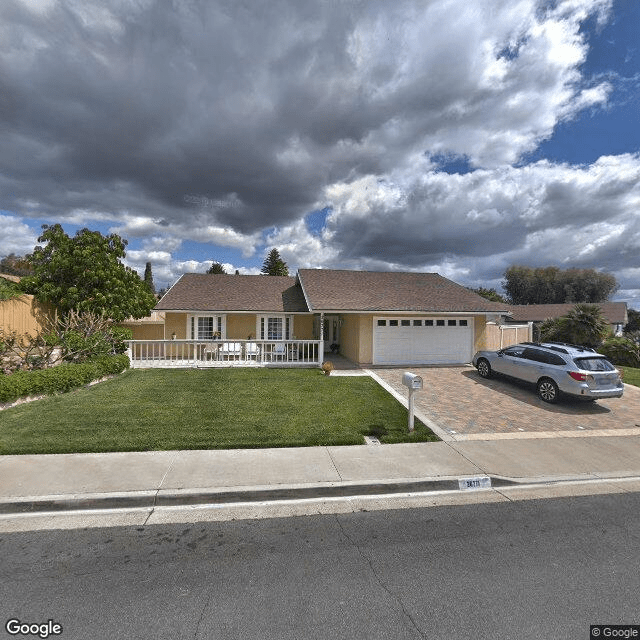
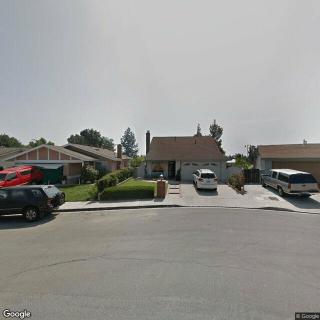
26771 Via Victoria, Mission Viejo, CA 92691
For more information about senior living options: (866) 208-4318
Active Senior Home Care Costs & Pricing
Active Senior Home Care offers competitive pricing for its services relative to both Orange County and the broader California market. For semi-private accommodations, the cost is $4,000 per month, which surpasses the state average of $3,333 but is slightly higher than the local county rate of $3,431. In one-bedroom units, Active Senior Home Care remains on par with Orange County at $4,000 while being more affordable than the state average of $4,340. The studio option is priced at $4,500, positioning it above both county and state averages of $4,313 and $4,145 respectively. Lastly, for private rooms, there is a notable difference wherein Active Senior Home Care charges $5,000 compared to lower averages in both Orange County ($4,104) and California ($3,939). Overall, while some offerings exceed local and state averages, others reflect a balanced approach to pricing that caters to diverse needs within the senior care spectrum.
| Floor plans | Active Senior Home Care | Orange County | California |
|---|---|---|---|
| Semi-Private | $4,000 | $3,431 | $3,333 |
| 1 Bedroom | $4,000 | $4,380 | $4,340 |
| Studio | $4,500 | $4,313 | $4,145 |
| Private | $5,000 | $4,104 | $3,939 |
Memory care communities with a similar price nearby
-
About the same
Cadence Brea
$3,995 to $5,500 / month24.2 miles away -
from -$500 / mo
Kun Bai Care
$3,500 to $4,500 / month22.3 miles away -
from +$500 / mo
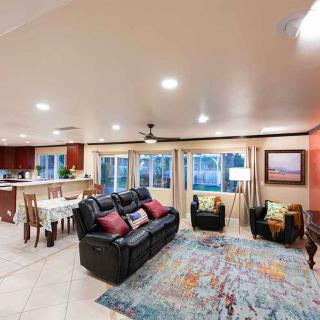
Casa Bella
$4,500 / month17.7 miles away -
About the same
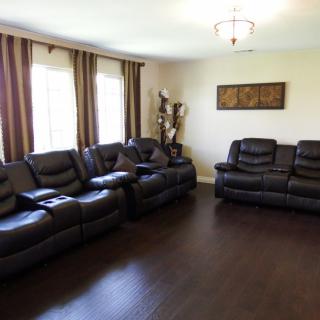
Royal
$4,000 to $4,800 / month18.7 miles away -
About the same
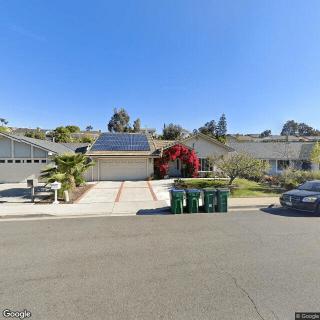
Queen's Home 2
$4,000 to $5,000 / month0.4 miles away
Overall Review of Active Senior Home Care
Pros
 The staff is caring, professional, and consistently goes above and beyond.
- Residents feel at home after just a short time in the community.
- The facility provides 24-hour care and meets personal requests for meals, hygiene, comfort, and conversation.
- The environment is warm, inviting, and homelike, never cold or sterile.
- Families would highly recommend this community.
- Residents become more responsive, happier, and more alert in the smaller home setting.
- The home is clean, well maintained, and offers space for personal photos and treasures.
- Most rooms are private with private bathrooms, a great choice for loved ones.
- Home-cooked meals are provided, with special menu requests welcomed.
- Aurica and her team genuinely care for residents like family.
- The atmosphere is cheerful and the staff clearly loves the residents.
- The facility is spotless, with great food, providing peace of mind.
Cons
 The previous facility was unkempt and not very responsive during visits.
- The lack of common space and the absence of a Spanish-speaking staff member were noted as drawbacks.
- There was no nurse on site.
- No one was awake at night, though there was a bell system for assistance.
Review
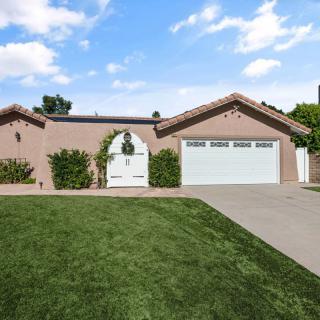
Active Senior Home Care in Mission Viejo is best suited for seniors who want a warm, family-like, small-residence setting where personal attention, private rooms, and home-style meals come first. It’s especially strong for residents who thrive on intimate daily interactions, a caregiver-led routine, and a sense of belonging in a home rather than a larger institutional environment. Those seeking steady companionship, consistent staff oversight, and a lived-in atmosphere that feels like home will find this community compelling. The model centers on 24-hour caregiving, personalized menus, and a cheerful, homelike vibe that supports emotional well-being as much as physical needs.
For families weighing options, it’s important to note who may want to consider alternatives. If the senior requires frequent, formal nursing oversight on site, specialized medical services, or licensed clinical memory care, this setting may fall short of those needs. Language access is another practical consideration: several reviews note the absence of Spanish-speaking caregivers, which can be a barrier for residents and families seeking bilingual communication. In addition, the home’s smaller footprint translates to limited common space and fewer structured group activities, which could matter for residents who crave expansive social programming or more clinical programming that larger communities often offer.
The strongest positives here hinge on genuine care and a home-forward design that offsets the lack of clinical heft. Families repeatedly highlight a staff and owner who genuinely treat residents like family, delivering care that feels thoughtful, attentive, and deeply personal. The 24-hour care goes beyond basic supervision, attending to meals, personal hygiene, and comfort with a level of responsiveness that produces noticeable improvements in alertness, mood, and engagement. Cleanliness is consistently cited, and most rooms offer private bathrooms, reinforcing a sense of privacy and dignity. The home’s atmosphere, bright, cheerful, and decorated with residents’ keepsakes, further supports a sense of security and belonging. Additional touches, such as home-cooked meals and a willingness to accommodate special requests, make everyday life easier and more pleasant for residents and families alike. The owner and staff even bring in volunteers and activities, including music and hair appointments, which can brighten days and foster connections.
Yet, the same strengths reveal the most meaningful trade-offs. The absence of on-site nursing means medical oversight is limited, so families must align expectations with what the home can safely provide. The lack of a robust, on-site clinical team makes it essential to have a clear plan for emergencies, medication management, and any high-acuity needs. Language access is another practical constraint; for some residents, not having a Spanish-speaking staff member on the calendar can impede full communication of preferences and concerns. The physical footprint, though clean and homey, offers less common space and fewer formal activities than larger communities, which may feel limiting for residents who crave broad social programming or a campus-like environment. However, the care model’s intimate scale often yields stronger day-to-day interaction and a tighter-knit community, which in practice can compensate for those gaps for many families.
In practical terms, this community makes sense for families prioritizing love-infused caregiving, a flexible menu, and a living space that honors residents’ photos, memories, and routines. It’s a strong fit for seniors who want to stay in a home setting where staff are routinely available and deeply invested in residents’ happiness and security, and where transportation costs aren’t an added burden. For those who value a high degree of personalized attention and a genuinely affectionate environment over formal medical programming or expansive social calendars, Active Senior Home Care stands out as a prime option.
A decisive next step is to arrange a visit with a clear checklist: confirm the on-site nursing availability and emergency protocols, ask about language needs and staffing coverage, verify room options and privacy levels, and exploring how meals and activities can be tailored to preferences. Prospective families should also probe how the home handles medical coordination with external professionals and what contingencies exist if higher-level care becomes necessary. If the senior’s priorities align with a homey atmosphere, consistent caregiving, and a daily rhythm that feels like family life, this community deserves strong consideration. If those criteria don’t align, particularly the need for medical oversight or bilingual staff, it’s wise to compare with larger, more medically integrated options to ensure the best fit.
 6 resident community capacity
 Assisted Living
 Board and Care Home
 Memory Care
 Respite Care
 Activities off-site
 Cable or satellite TV
 Devotional services off-site
 Dining room
 Fully furnished
 Garden
 Housekeeping services
 Indoor common areas
 Move-in coordination
 Outdoor common areas
 Private
 Private bathrooms
 Telephone
 Wheelchair accessible showers
 Wi-Fi/high-speed internet available
 John Wayne Orange Co (12 miles away)
 24-hour supervision
 Ambulatory care
 Assistance with bathing
 Assistance with dressing
 Assistance with transfers
 Diabetes diet
 Diabetic care
 High acuity care
 Incontinence care
 Meal preparation and service
 Medication management
 Special dietary restrictions
 Transportation arrangement (medical)
 Transportation to doctors appointments
 Christian services

 Delirium and Dementia: Unraveling the Key Differences
 Are Dementia and Alzheimer's Disease Lethal? A Comprehensive Exploration
 Exploring the Power of Reminiscence Therapy for Individuals With Dementia