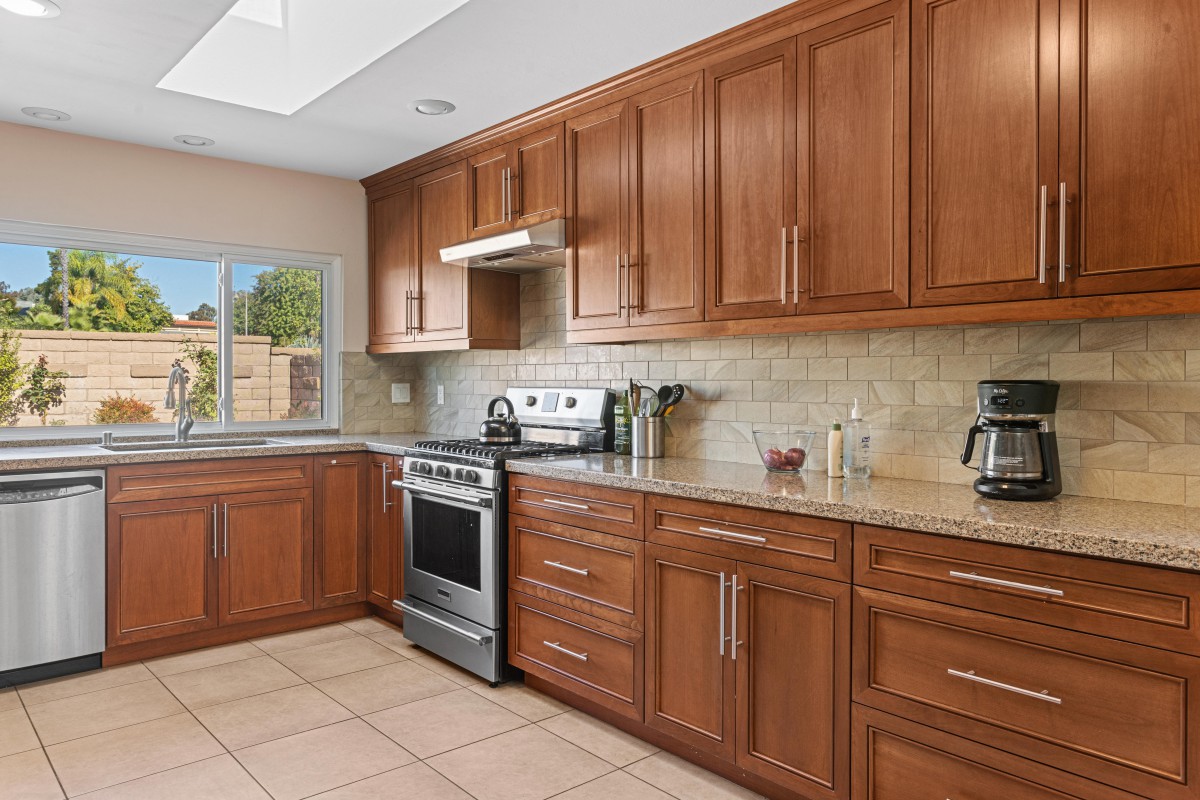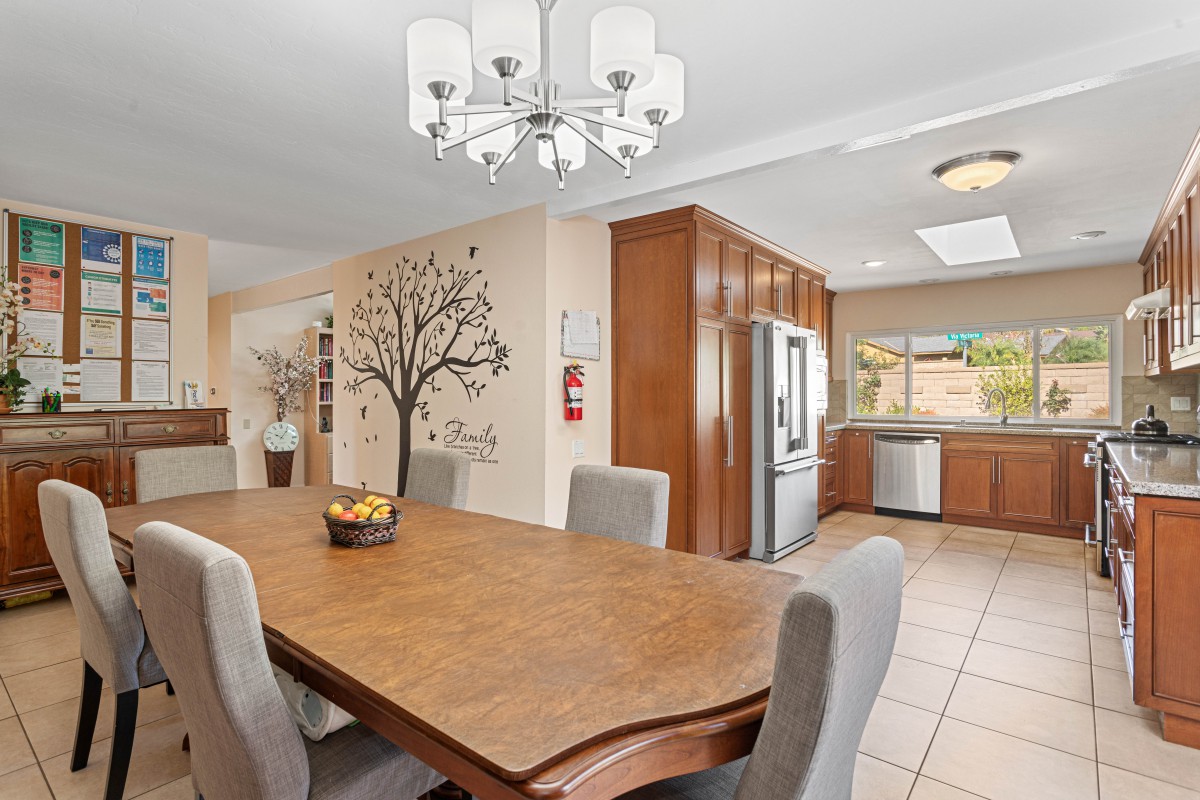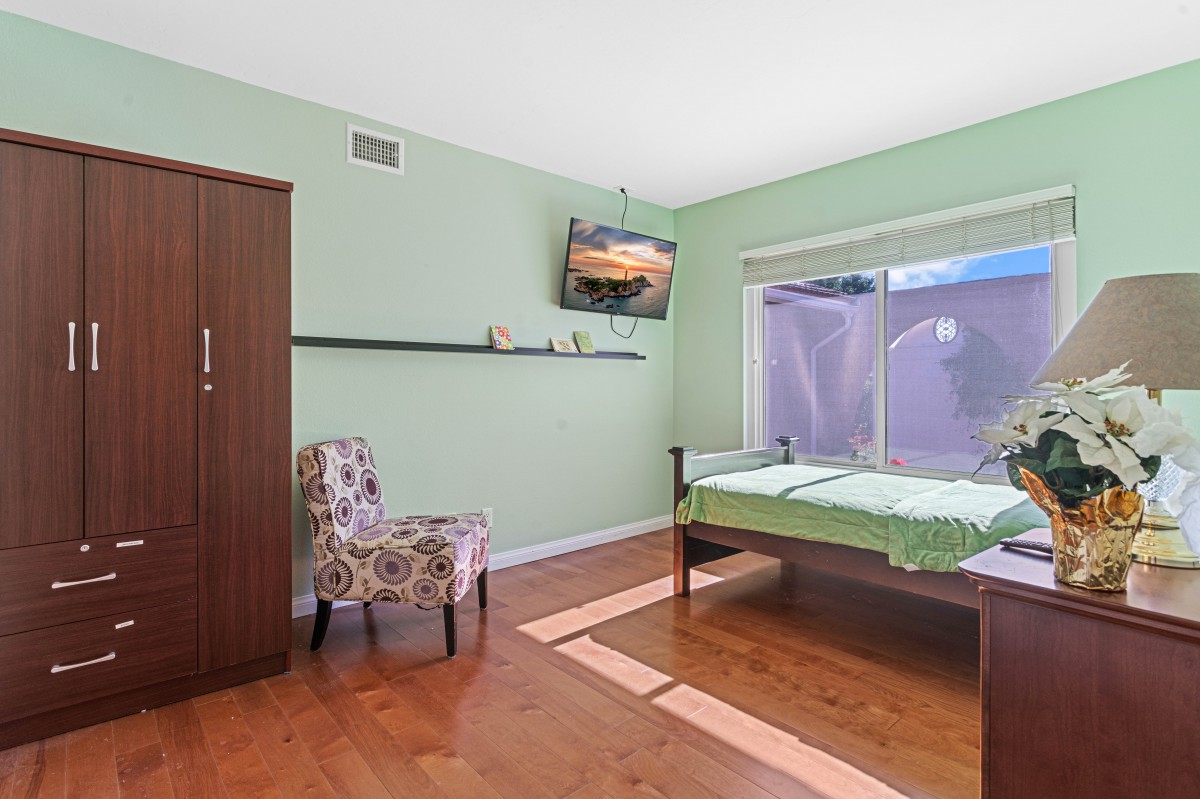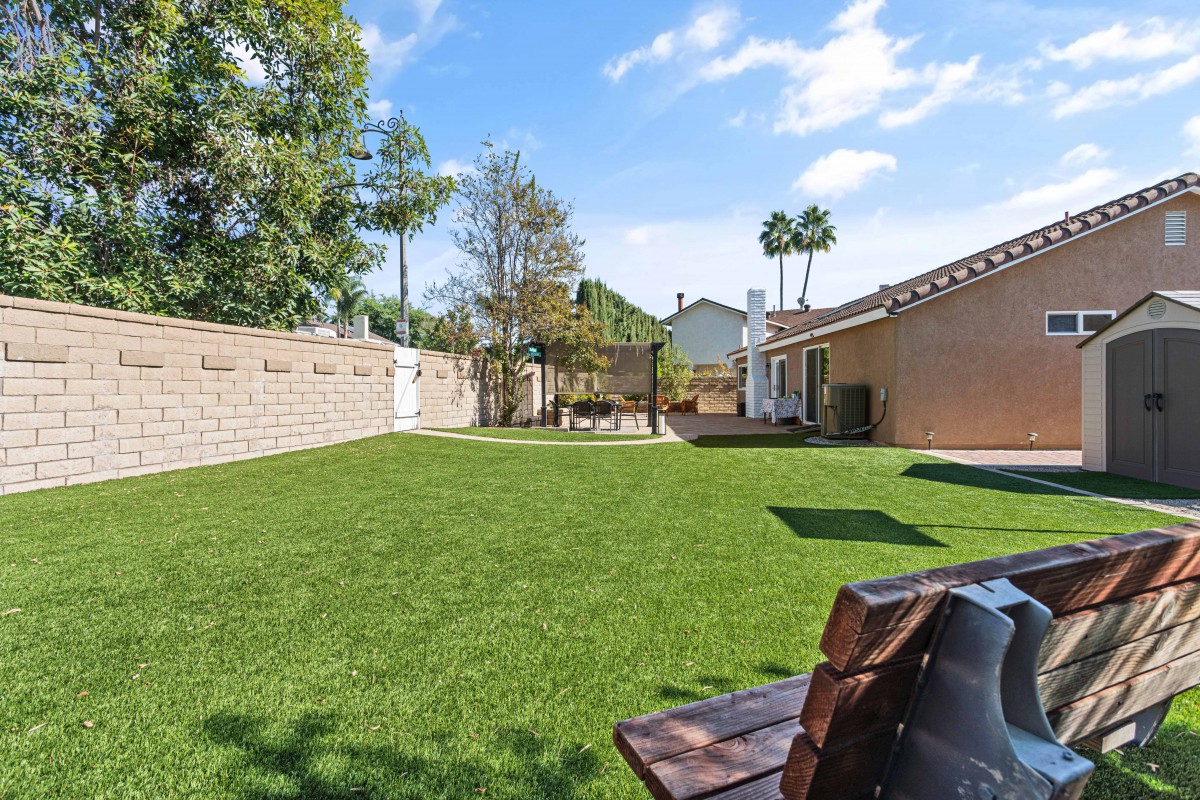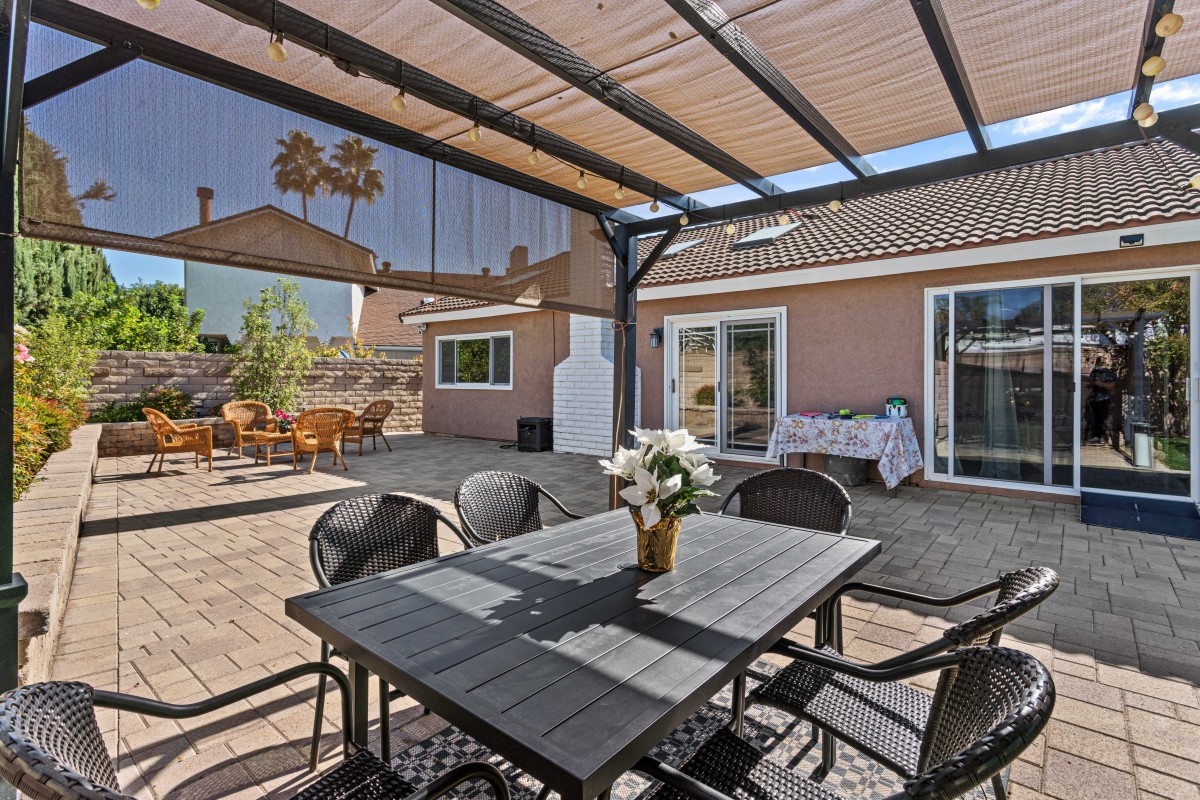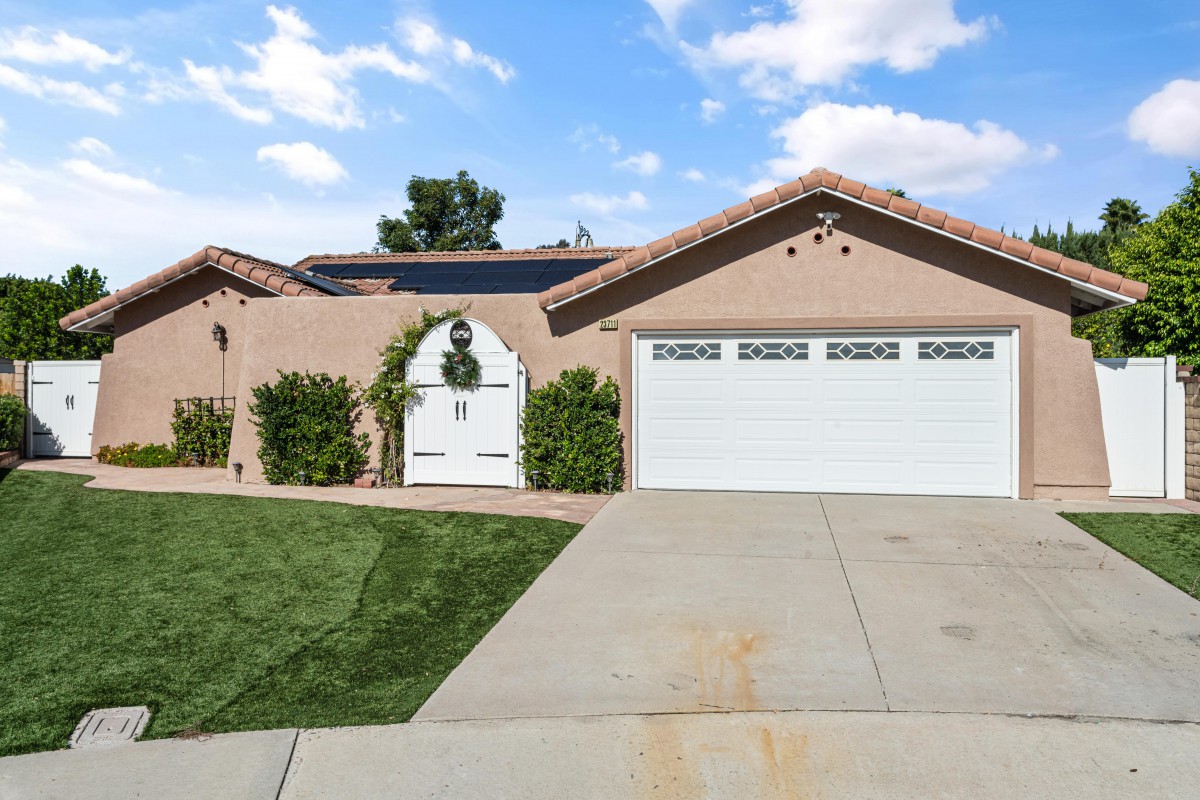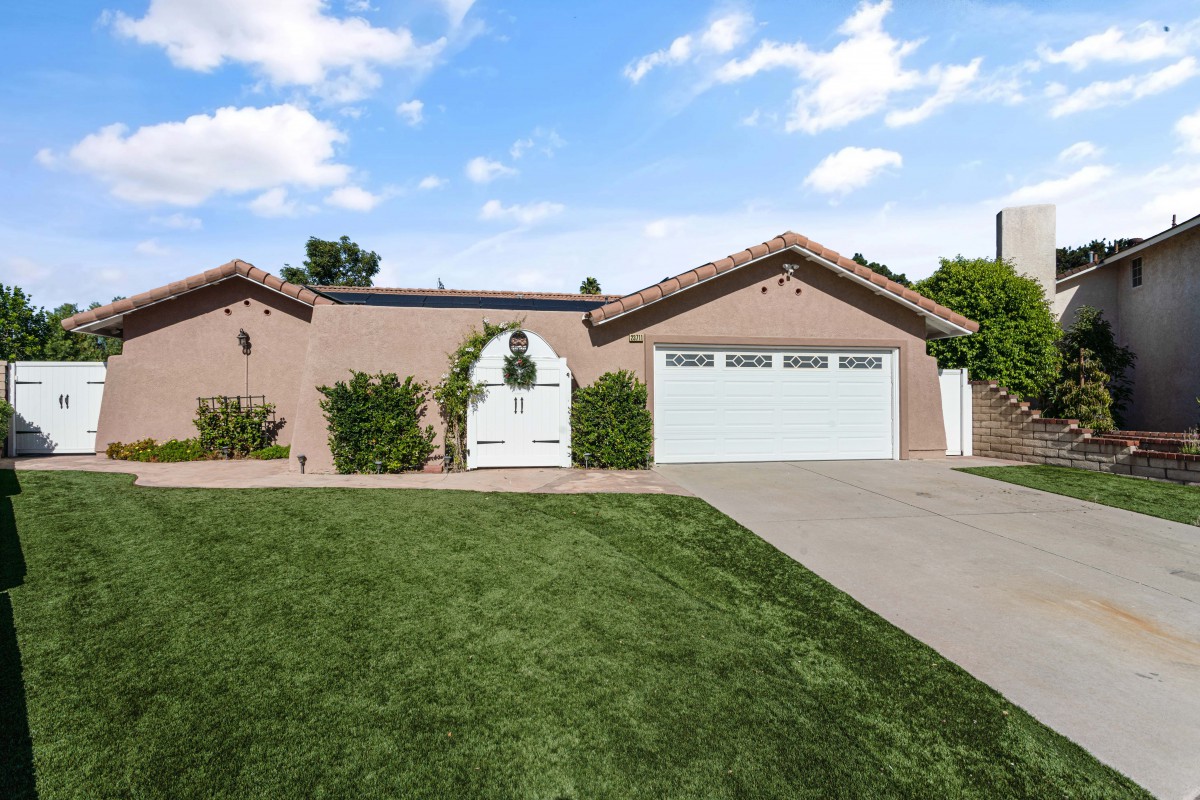
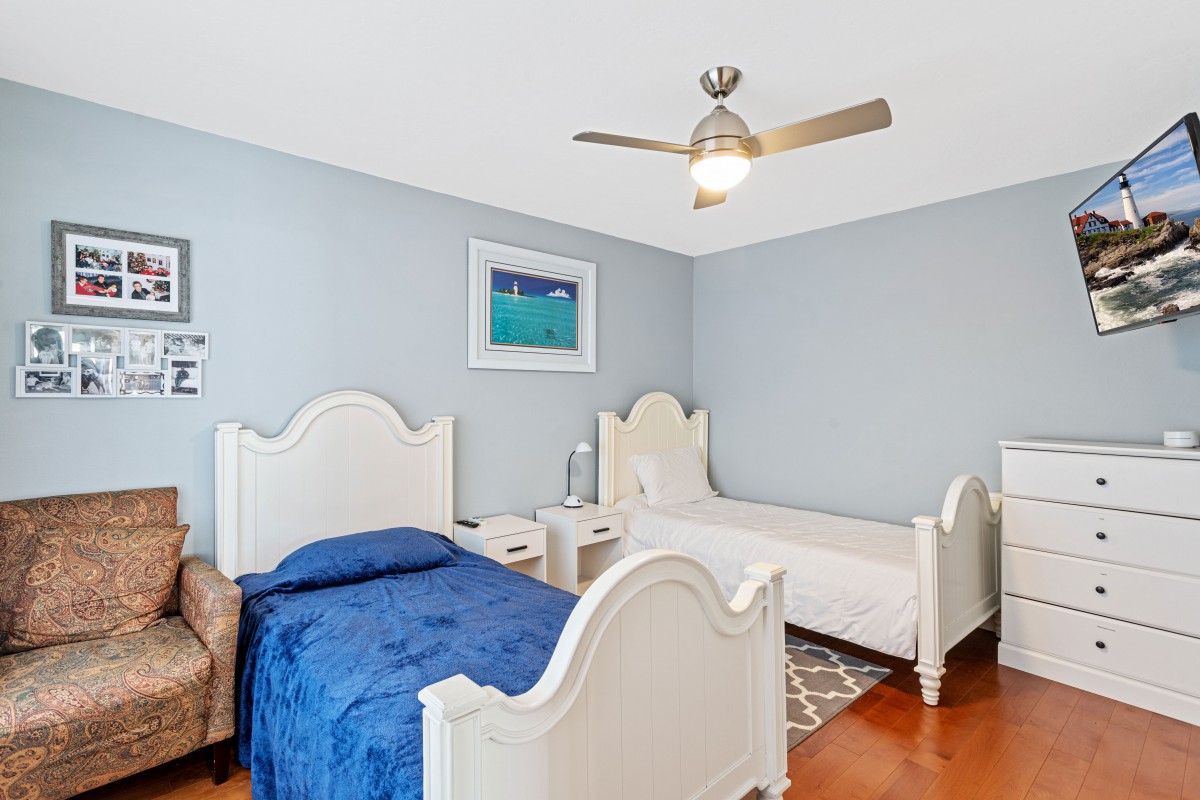
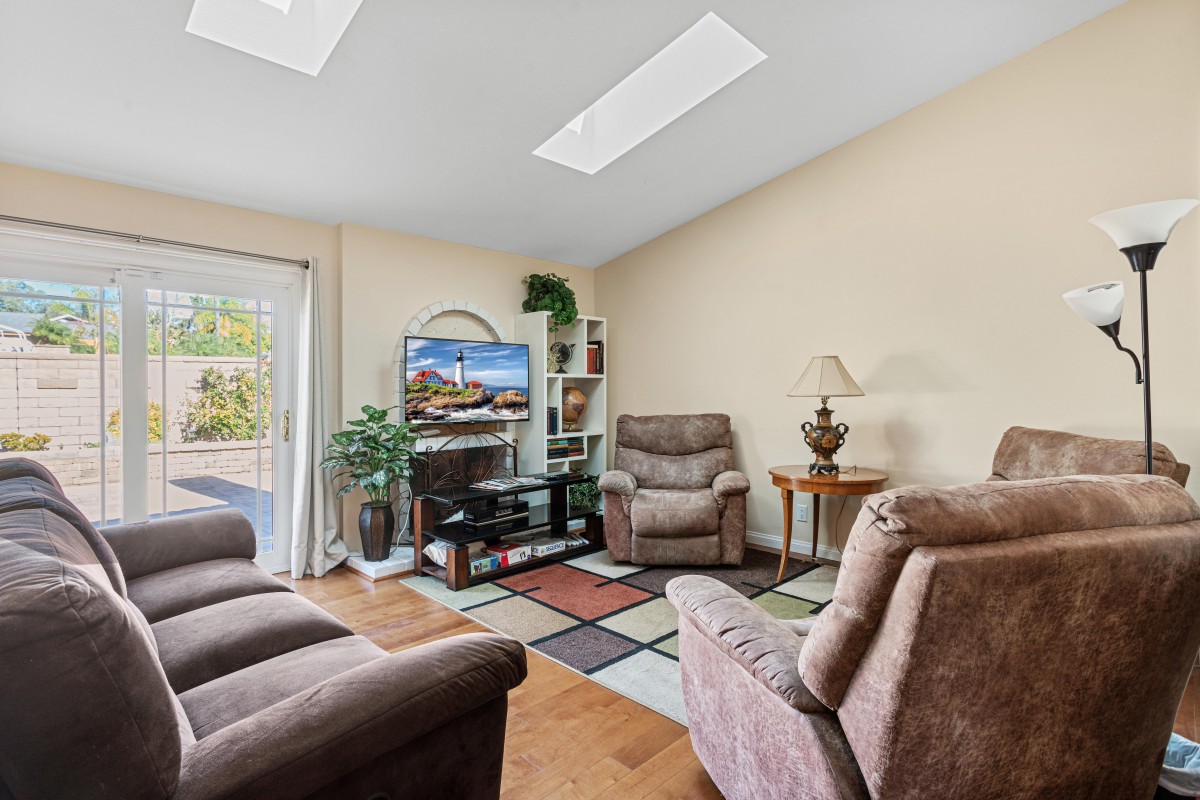
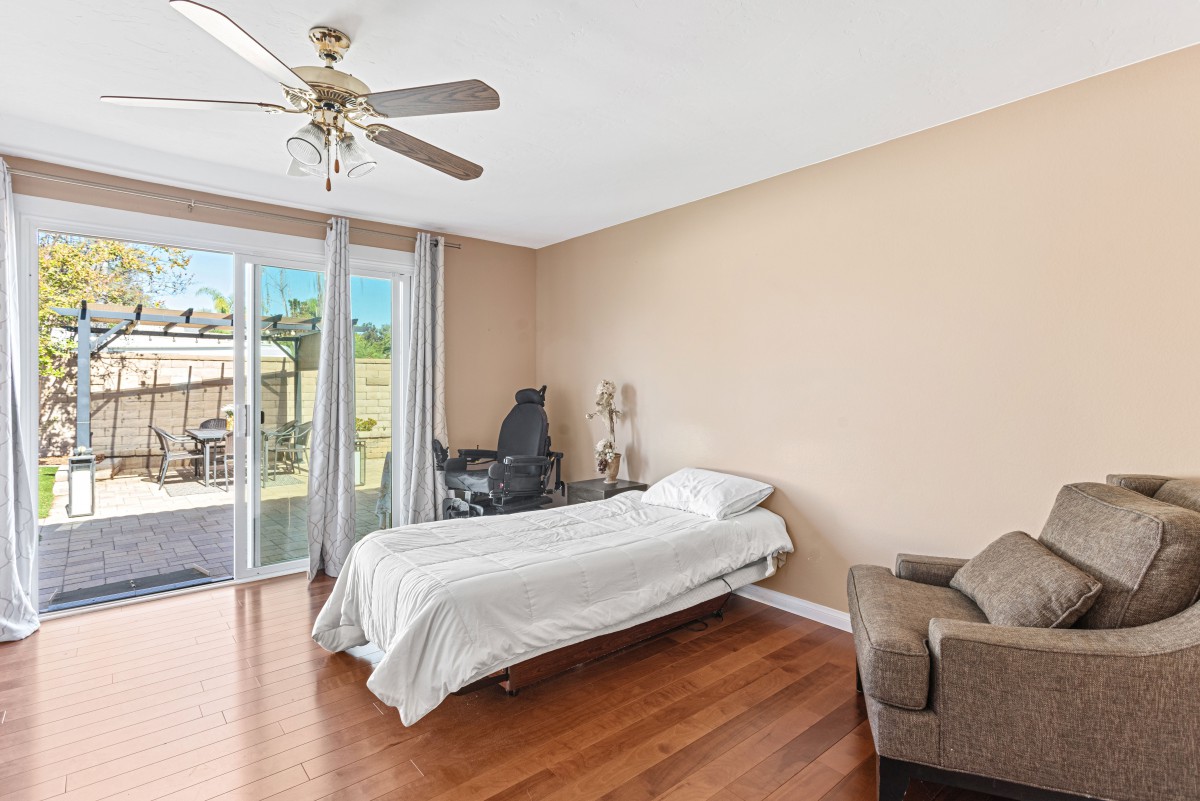
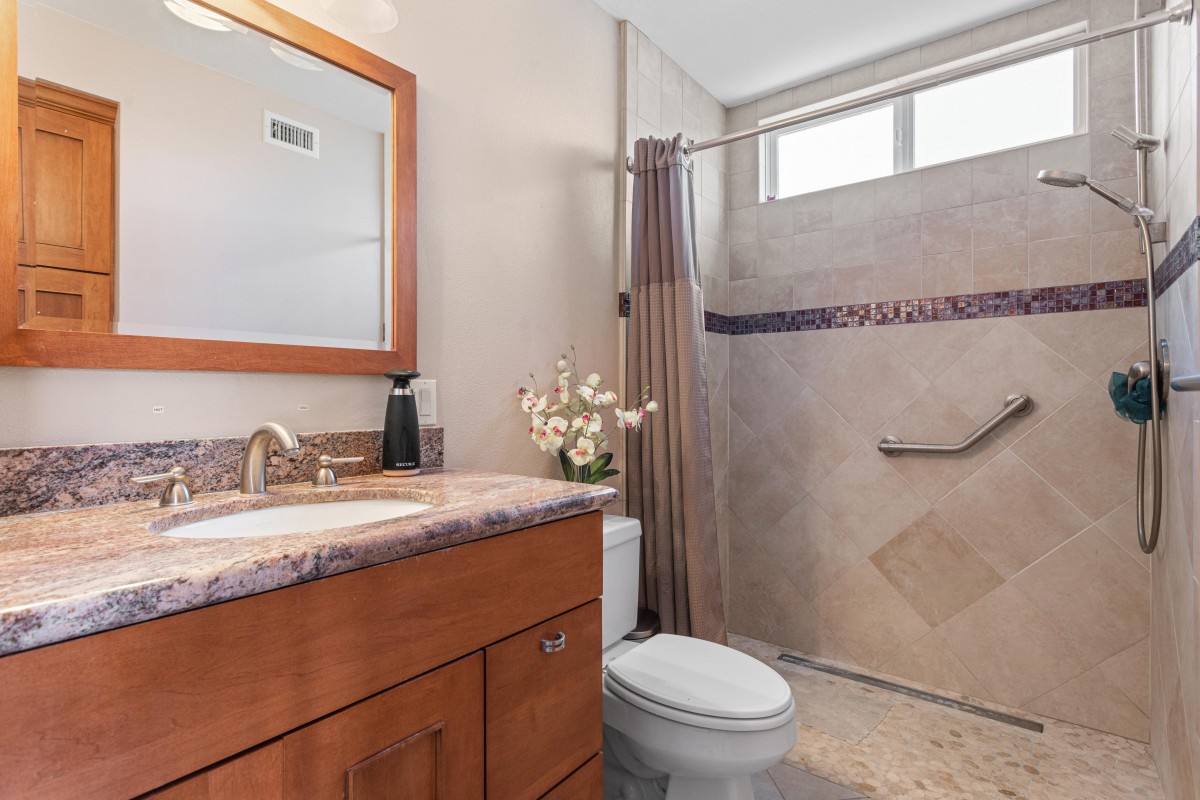
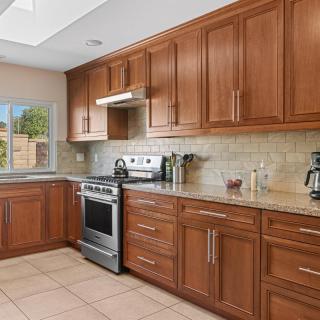
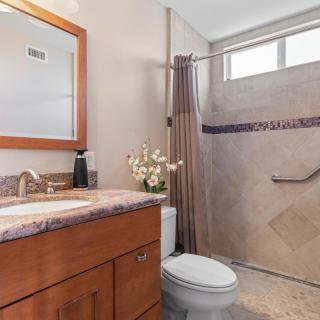
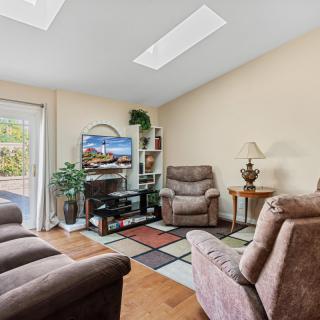
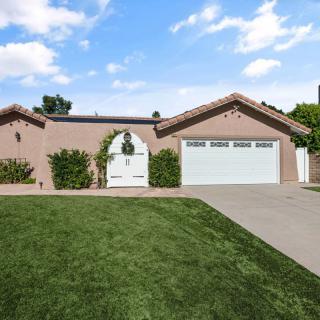
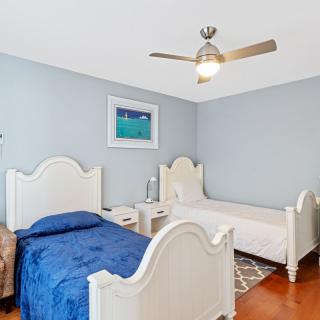
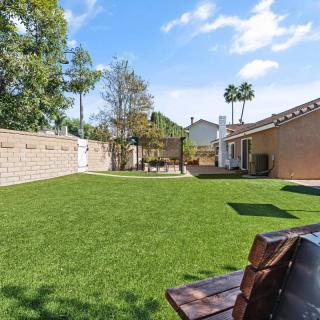
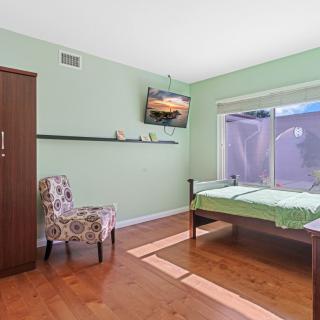
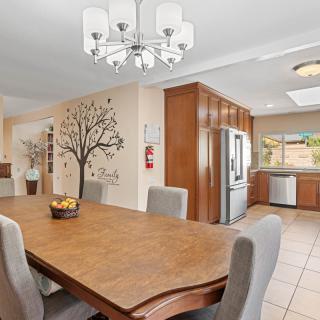
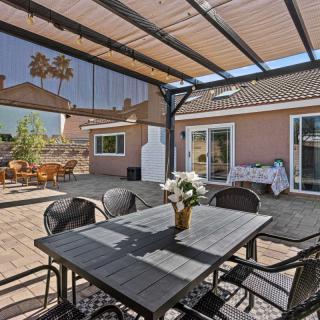
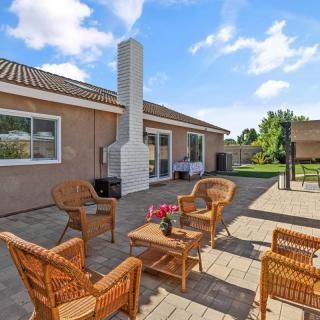
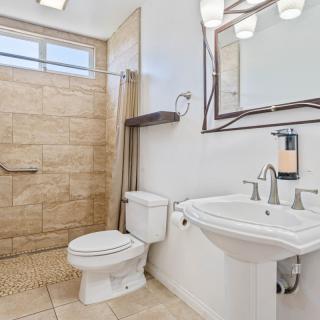
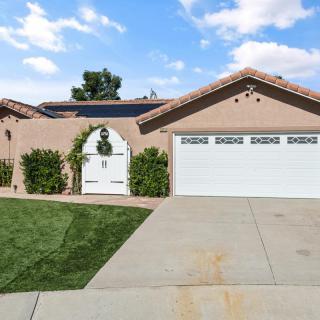
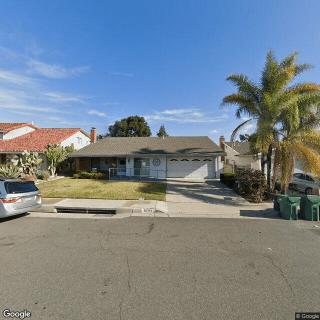
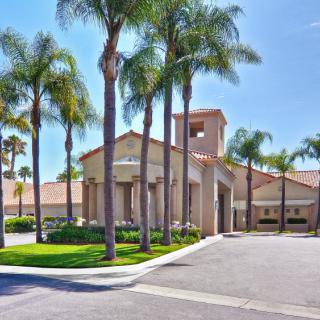
23711 Via La Coruna, Mission Viejo, CA 92691
For more information about senior living options: (866) 208-4318
Pacifica Home Care Costs & Pricing
At Pacifica Home Care, the costs for both semi-private and private room options are notably higher than the averages seen in Orange County and throughout California. Specifically, residents in a semi-private room at Pacifica Home Care can expect to pay $4,500 per month, which is approximately $1,069 more than the county average of $3,431 and $1,167 above the statewide average of $3,333. For those opting for a private room, the monthly fee is set at $5,500 - $1,396 above Orange County's average of $4,104 and $1,561 over California's average rate of $3,939. This pricing reflects the premium services and personalized care offered at Pacifica Home Care while also highlighting its commitment to delivering an elevated standard of living for its residents.
| Floor plans | Pacifica Home Care | Orange County | California |
|---|---|---|---|
| Semi-Private | $4,500 | $3,431 | $3,333 |
| Private | $5,500 | $4,104 | $3,939 |
Assisted Living communities with a similar price nearby
-
from -$505 / mo
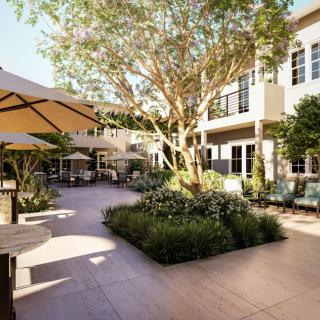
Cadence Brea
$3,995 to $5,500 / month24.4 miles away -
About the same
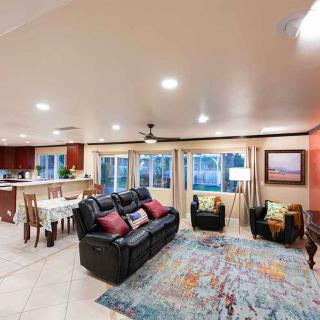
Casa Bella
$4,500 / month17.9 miles away -
from -$500 / mo
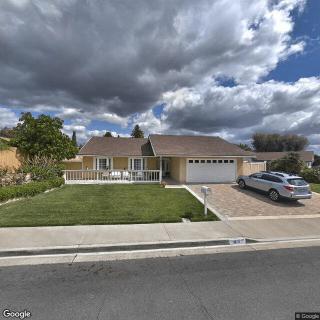
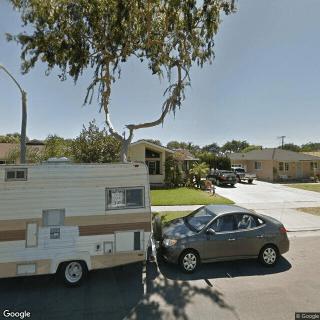
Active Senior Home Care
$4,000 to $5,000 / month0.2 miles away -
from -$700 / mo
Sunshine Home Care
$3,800 / month24.7 miles away -
from -$500 / mo
Royal
$4,000 to $4,800 / month18.9 miles away
Overall Review of Pacifica Home Care
Pros
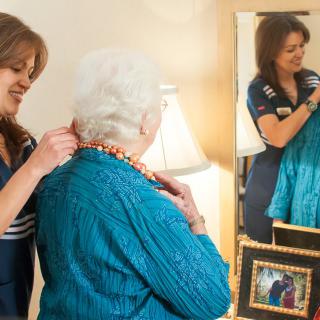
 The staff’s personal care and friendliness stand out, creating a family-like atmosphere.
- They send videos of residents’ loved ones, keeping families connected.
- They do something special for residents all the time.
- The meals are well balanced and satisfying, not overly gourmet.
- Visitors would wholeheartedly recommend the facility.
Cons
 The food is not gourmet.
Review
This community is best suited for seniors who want a warm, home-like setting where care feels personal and family-like. The core strength is staff who treat residents with genuine warmth, making them feel part of a family rather than a clinical assignment. The environment is anchored by personal care that comes with consistency and attentiveness, and the communications flow, video updates sent to families, cements trust and ongoing involvement. Residents are celebrated with small but meaningful gestures, and daily routines include social moments and activities that create a sense of belonging. For families prioritizing connection and a low-key but steady caregiving rhythm, this community fits exceptionally well.
However, this is not the place for those chasing a high-end, gourmet dining scene or a strictly clinical care milieu. Alternatives should be considered by families who require more intensive medical oversight, frequent on-site nursing interventions, or amenities that feel more like a luxury senior living environment. The emphasis here is on heart-forward, homey care rather than hospital-grade efficiency or advanced therapeutic offerings. Those who want every meal to feel like a chef’s tasting menu or who need highly specialized medical management may find the setting lacks the polish some expect from premium facilities.
On the upside, the strongest positives, the personal care and the friendly, familial atmosphere, do substantial work in offsetting the potential drawbacks. Staff interactions that feel genuinely affectionate reduce the impersonality that can accompany elder care, increasing daily comfort and perceived safety. Video updates provide transparent, tangible reassurance to families, while the ongoing special activities signal an engaged, resident-centered program rather than a bare-bones schedule. The meals are described as well balanced, which preserves nutrition and routine without pretending to be gourmet; for many residents this is enough if the day-to-day warmth compensates for the lack of culinary sophistication.
That blend of warmth and communication also matters for cognitive engagement and emotional health. Regular video check-ins preserve connections with loved ones who cannot visit daily, translating into calmer transitions between home and care, and facilitating collaborative planning. The sense that staff will go beyond the basics, creating "something special" for residents, builds community momentum and reduces withdrawal or isolation. When care teams foreground relationships, families feel informed and involved, which can be decisive for ongoing care decisions and safety planning.
Still, the limited public data matters. A five-star rating based on a single review offers a strong signal of satisfaction, but it is not a comprehensive picture. Prospective residents should balance the visible strengths, emotional warmth, accessible communication, and steady social programming, with a cautious eye on what remains unspoken: the level of medical staffing coverage, the availability of clinical services, and whether the dining experience aligns with personal taste expectations. The absence of gourmet dining is a clear trade-off that may or may not align with a resident’s preferences; the question is whether the emotional climate and daily care quality justify that compromise.
In decision-making terms, Pacifica Home Care is a solid fit for families prioritizing a flameless, homey atmosphere with attentive, family-like care and reliable communication. It suits seniors who welcome a steady rhythm of social activity and updates that keep relatives connected. For those requiring more clinical intensity, higher-end dining, or more specialized medical support, alternatives should be explored. Prospective families should schedule a firsthand visit, observe staff-resident interactions, request to sample a meal, and verify staff-to-resident ratios and available medical services. If warmth, connection, and consistent personal attention are the primary criteria, Pacifica Home Care stands as a compelling choice in Mission Viejo, provided the trade-offs align with the resident’s goals.
 6 resident community capacity
 Assisted Living
 Board and Care Home
 Air-conditioning
 Cable or satellite TV
 Dining room
 Fully furnished
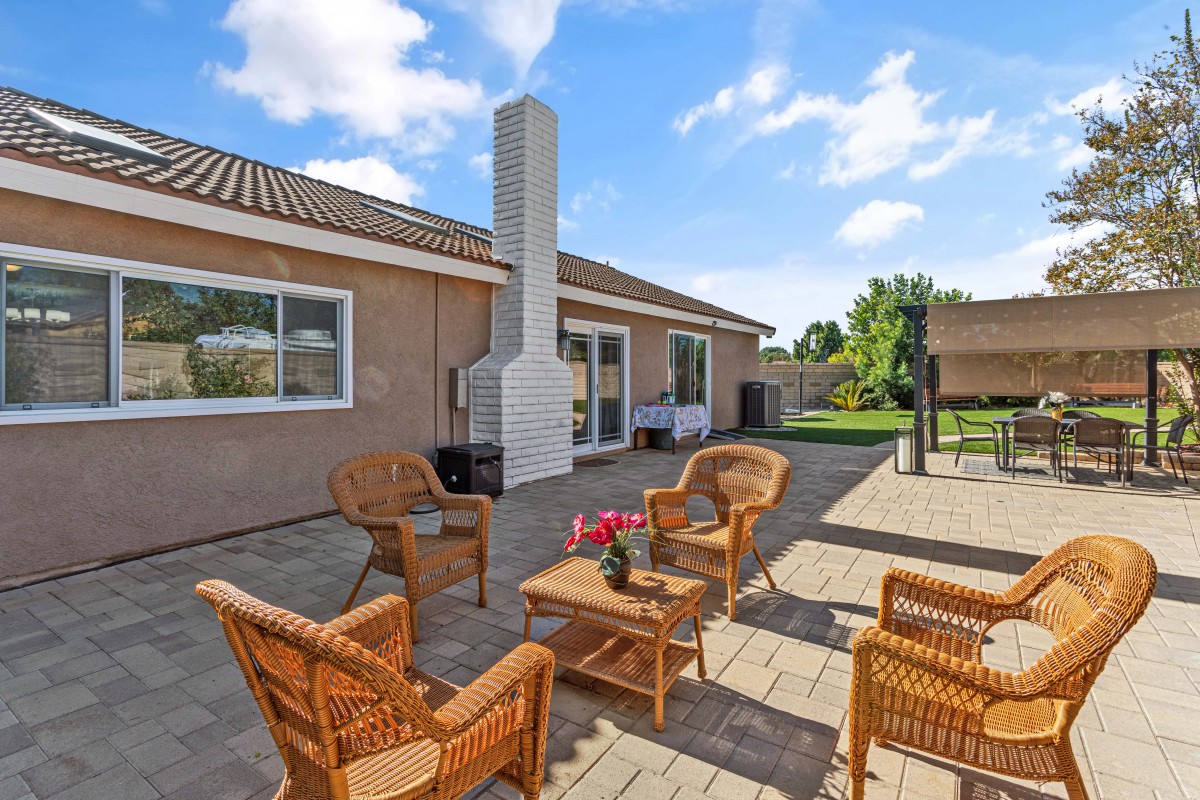
 Garden
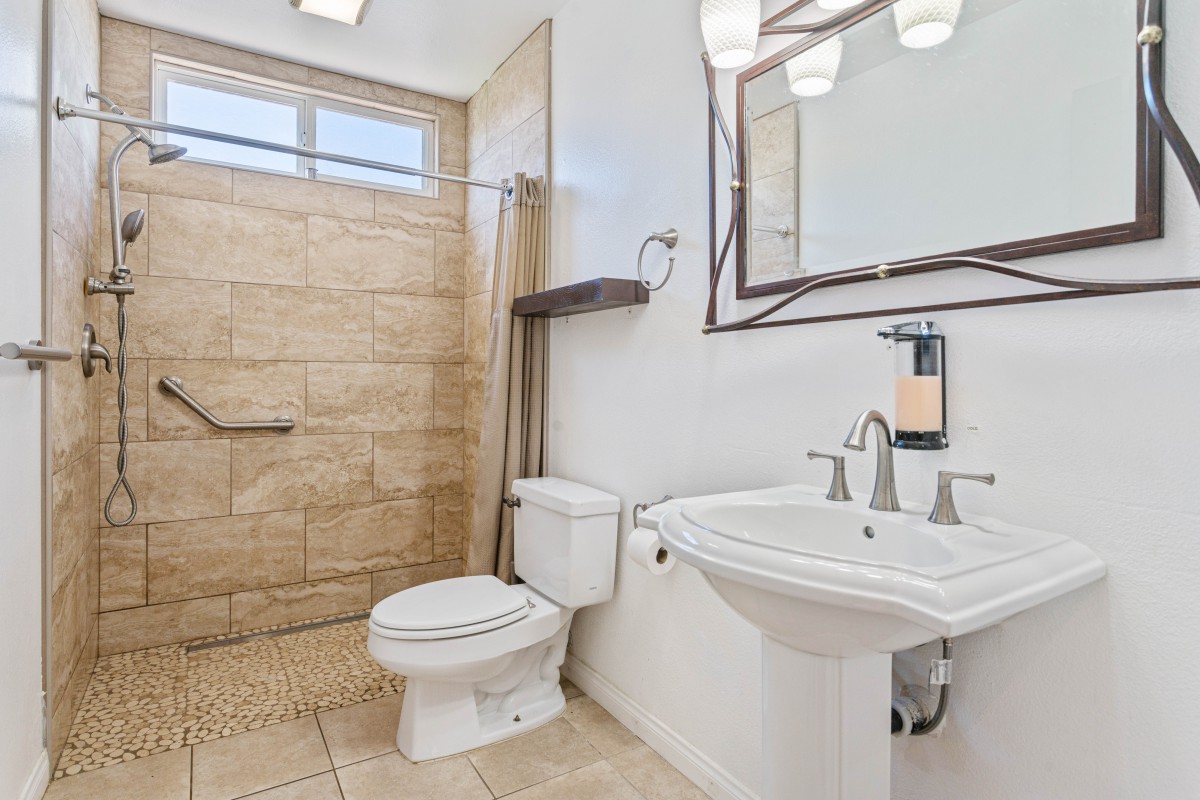
 Handicap accessible
 Housekeeping services
 Indoor common areas
 Move-in coordination
 Outdoor common areas
 Private
 Telephone
 Wheelchair accessible showers
 Wi-Fi/high-speed internet available
 John Wayne Orange Co (13 miles away)
 24-hour supervision
 Activities of daily living assistance
 Assistance with bathing
 Assistance with dressing
 Assistance with transfers
 Diabetes diet
 Meal preparation and service
 Medication management
 Special dietary restrictions
 Transportation arrangement (medical)
 Transportation to doctors appointments
 Art classes
 Educational speakers / life long learning
 Forever fit
 Karaoke
 Live dance or theater performances
 Live musical performances
 Live well programs
 Trivia games
 Wii bowling

 Comprehensive Supportive Living Arrangements for Adults with Disabilities
 Funding and Affording Assisted Living: A Thorough Overview
 Assisted Living Expenses and Long-Term Care Insurance: A Comprehensive Exploration