
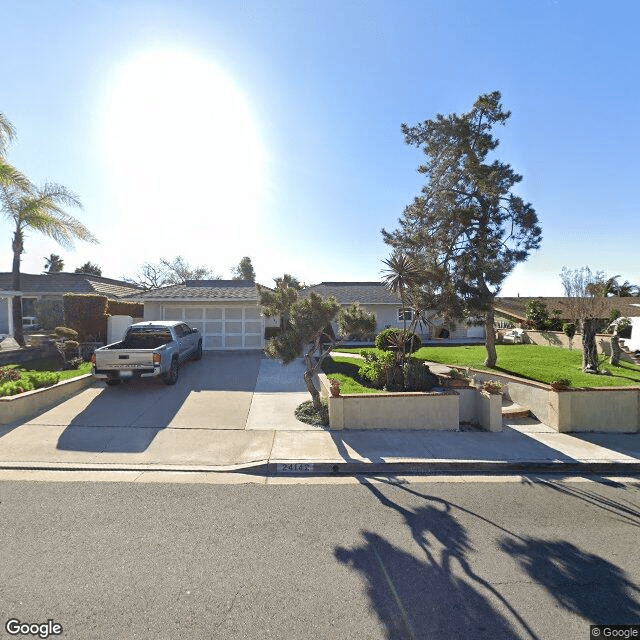
24142 Delphi, Mission Viejo, CA 92691
To contact a resident: (949) 412-2218
For more information about senior living options: (866) 208-4318
Mission Viejo Care Cottages II Costs & Pricing
Mission Viejo Care Cottages II offers competitive pricing for its services compared to both county and state averages. For a semi-private room, residents can expect to pay $2,900 per month, which is significantly lower than the Orange County average of $3,431 and the California average of $3,333. Similarly, the cost for a private room at Mission Viejo stands at $3,300, offering an advantage over the county's average of $4,104 and California's statewide figure of $3,939. The same holds true for one-bedroom accommodations; at $3,300 per month, it remains more affordable than both the county average of $4,380 and the state average of $4,340. Overall, Mission Viejo Care Cottages II presents an appealing option for individuals seeking quality care without straining their financial resources.
| Floor plans | Mission Viejo Care Cottages II | Orange County | California |
|---|---|---|---|
| Semi-Private | $2,900 | $3,431 | $3,333 |
| Private | $3,300 | $4,104 | $3,939 |
| 1 Bedroom | $3,300 | $4,380 | $4,340 |
Memory care communities with a similar price nearby
-
from -$100 / mo
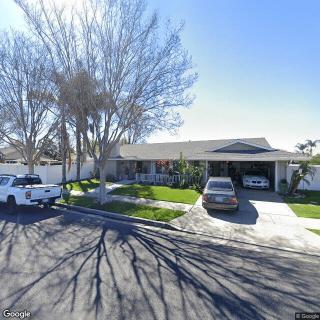
Candlewood Care Home III
$2,800 to $3,400 / month11.3 miles away -
from -$100 / mo
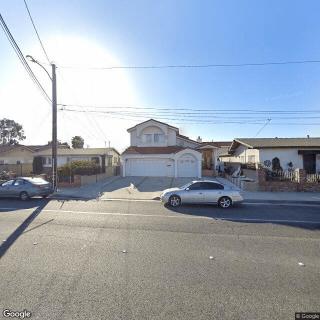
Leah Loving Elderly Care
$2,800 to $3,000 / month16.6 miles away -
from -$200 / mo
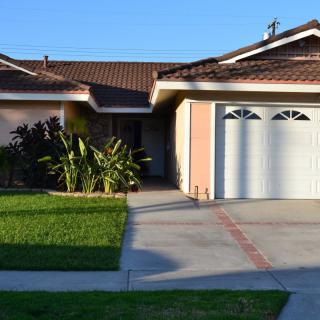
Loving Care Senior Home
$2,700 to $3,500 / month17.2 miles away -
About the same
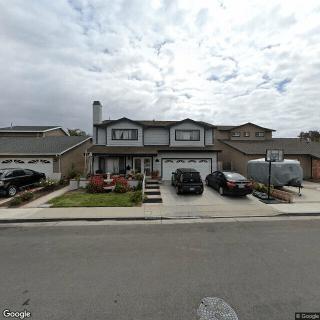
Alternative Senior Care - Freshwater
$2,850 to $3,250 / month20.0 miles away -
from +$100 / mo
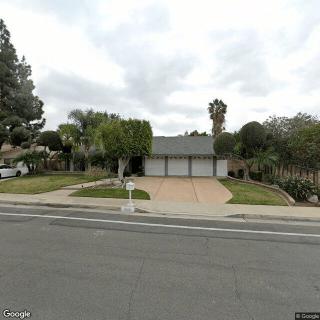
Best Elderly Care I
$3,000 to $3,500 / month15.7 miles away
Overall Review of Mission Viejo Care Cottages II
Pros
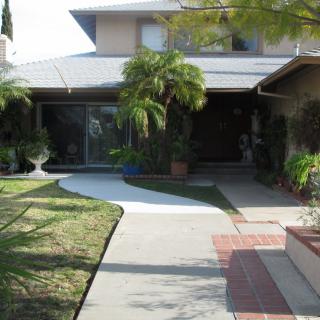
 The resident's new home is beautiful, impeccably clean, and warm.
- The caregivers do a beautiful job and smile while caring for residents.
- The staff make the residents feel like they truly matter.
- Ryan and Scott form an amazing team, showing care, concern, understanding, compassion, and genuine kindness.
- The staff always have smiles on their faces and take the time to listen.
- They listen to concerns and suggestions, and their communication is impeccable.
- The staff visit residents in the hospital to check on their well-being.
- Overall, the care is outstanding and highly praised.
Review
Mission Viejo Care Cottages II is best suited for families that prize a warm, home-like environment where residents are treated as individuals and staff demonstrate genuine affection, attentiveness, and daily attentiveness. The available description paints a picture of a beautiful, impeccably clean setting where warmth radiates from caregivers who smile as they work and consistently make residents feel they matter. The standout dynamic is a tightly knit care team led by two engaged professionals, whose care, concern, understanding, compassion, and kindness create a reassuring atmosphere. Communication is described as impeccable, with staff who listen carefully and incorporate family input. When a resident encountered a hospital stay, the team extended their attention by visiting and checking in, underscoring a holistic approach to well-being. This combination yields a sense of security that families rarely find with faceless operations.
This community is not the place to go if the primary need is heavy medical management or highly specialized care. Those who require robust on-site clinical oversight, memory-care protocols, or intensive rehabilitation may want to compare options that offer larger medical teams and more structured clinical programming. Families seeking a campus with extensive medical services, 24/7 nurse availability, or aggressive therapy schedules should consider alternatives. For residents who thrive with strong medical supports in a more formal setting, this may not meet every clinical requirement. For other households, however, the intimate, relationship-driven model here will often be precisely what is needed.
The strongest pros align with the emotional and relational dimensions of care. A bright, clean, welcoming environment reduces anxiety from transitions and daily routines, while caregivers’ authentic smiles and the sense that residents truly matter directly address common fears around aging in place. The two-person leadership dynamic, embodied by Ryan and Scott in the reviewed experience, offers a powerful blend of compassion and reliability. Their willingness to listen, respond to concerns, and maintain open lines of communication builds trust and eases family members’ minds about ongoing caregiving. The ability to coordinate care and show up for important moments, like hospital visits, demonstrates that this community views family involvement as a core component of quality care.
No explicit downsides appear in the shared account, but prudent families will still assess potential trade-offs inherent in smaller, intimate facilities. The very strengths, deep caregiver connections and a tight-knit team, can become vulnerable if staffing turns over or if schedules compress care coverage. Prospective residents should inquire about backup staffing, continuity plans, and how shifts are balanced to preserve the personal touch during busier periods. Additionally, while the setting excels in warmth and attentiveness, families should confirm that programming and activities align with a resident’s interests and functional goals, ensuring opportunities for meaningful engagement beyond daily routines.
For decision-making, approach a tour with a clear checklist: observe how caregivers interact with residents and whether staff know names, preferences, and histories; ask to meet the actual care team and understand their training, scheduling, and handoff procedures; probe how medical needs are coordinated, including medications and emergencies; request examples of how concerns have been addressed for other families and how communication is maintained across shifts. A community that mirrors the energy described, two engaged leaders, a culture of listening, and proactive outreach, tosters a sense of continuity and partnership that families rarely overpay for. Look for those exact fingerprints of care in your visit.
In conclusion, Mission Viejo Care Cottages II presents an excellent match for families prioritizing warmth, personal attention, and exceptional communication. It is a strong choice for residents who will thrive in a smaller, intimate setting where staff know their names and stories and actively treat them with dignity. Those needing advanced medical oversight or specialized therapies should weigh alternatives with broader clinical offerings. If tours reveal a similar team dynamic, visible dedication, and a culture of listening, this community should rise to the top of the shortlist. A decisive step is to schedule a visit, meet the caregiving team, and confirm that the level of personal care, responsiveness, and family involvement aligns with the senior’s goals and the family’s expectations.
 Studio apartments
 Board and Care Home
 Memory Care
 Private
 John Wayne Orange Co (12 miles away)
 High acuity care
 Christian services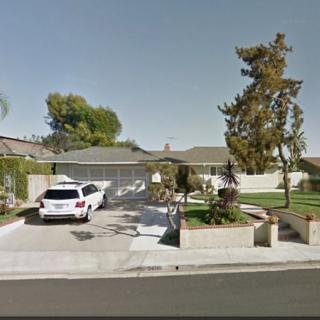

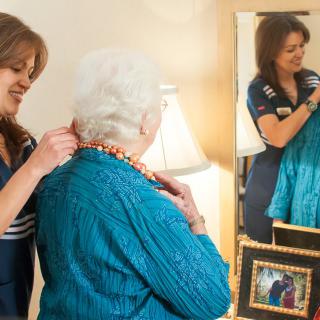
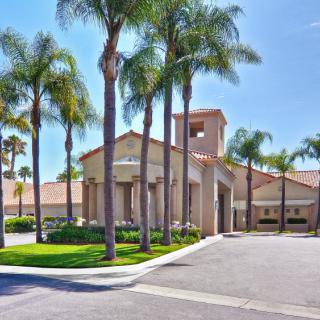
 Understanding the Distinctions: Assisted Living and Memory Care Explained
 How to Communicate with a Loved One Living with Dementia: 10 Supportive Strategies
 Comprehensive Guide to VA Nursing Homes: A Crucial Long-Term Care Resource for Veterans