
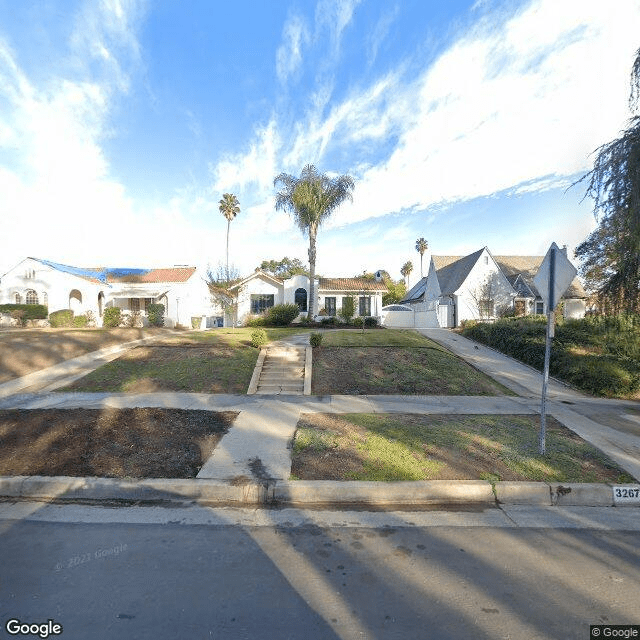
3267 Country Club Drive, Los Angeles, CA 90019
To contact a resident: (323) 876-6370
For more information about senior living options: (866) 208-4318
Country Club South Costs & Pricing
Country Club South offers competitive pricing for its residents, particularly when compared to the broader market in Los Angeles County and across California. For instance, their semi-private rooms are available at $2,300 per month, which is significantly lower than the average cost of $3,349 in Los Angeles County and $3,333 statewide. Private rooms at Country Club South are priced at $3,000, also more affordable than the county's average of $4,197 and the state's average of $3,939. Additionally, studio accommodations are offered at $3,000 - a price point that remains below both the county's average of $4,172 and the state's average of $4,145. Overall, Country Club South provides an appealing combination of quality living spaces at a value that stands out in a high-cost region.
| Floor plans | Country Club South | Los Angeles County | California |
|---|---|---|---|
| Semi-Private | $2,300 | $3,349 | $3,333 |
| Private | $3,000 | $4,197 | $3,939 |
| Studio | $3,000 | $4,172 | $4,145 |
Memory care communities with a similar price nearby
-
from +$100 / mo
Living Well Care Home
$2,400 to $3,200 / month20.3 miles away -
from +$450 / mo
Dignity Care Home 1
$2,750 to $4,150 / month16.0 miles away -
About the same
Bronwyn Residential Care
$2,300 to $3,500 / month24.3 miles away -
from -$100 / mo
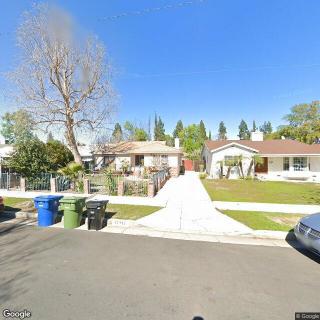
Granada Hills Gardens
$2,200 to $3,500 / month18.4 miles away -
from +$200 / mo
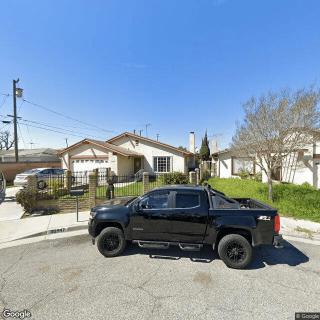
Abad Group Home - Harline Court Facility
$2,500 to $3,000 / month15.9 miles away
Overall Review of Country Club South
Pros
 The facility provides a private room and 24-hour snacks.
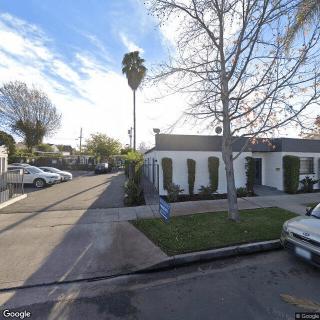
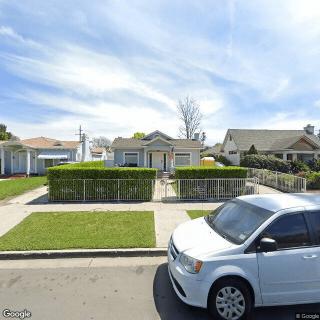
- It is located in a pleasant neighborhood with a backyard.
- It feels homely, like a family.
- It offers 24/7 caregiving by two caregivers, 3 meals and 2 snacks, plus housekeeping, laundry, transportation to medical appointments, toiletries, and activities tailored to residents' preferences.
- The environment is pleasant and the staff are friendly.
Cons
 They didn't care much for the house.
- The restrooms were limited.
Review
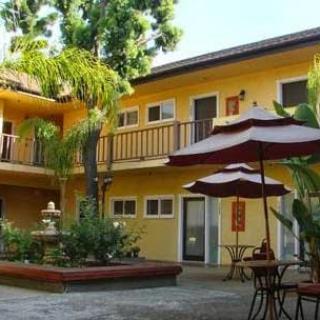
Country Club South in Los Angeles is best suited for a resident who values a home-like, intimate atmosphere combined with reliable, hands-on caregiving. The community’s strongest draws are a private room, around-the-clock supervision, and a logistics package that covers meals, snacks, housekeeping, laundry, transportation to medical appointments, and toiletries. A backyard and a pleasant neighborhood backdrop reinforce a family-like vibe, making it a comfortable choice for someone who wants everyday support woven into a familiar, small-scale setting. This is not a campus with sprawling corridors and endless amenities; it is a compact, personable option that prioritizes consistent routines and personal attention over showy features. Families seeking a tightly run, low-friction living arrangement will likely find it aligns with their expectations.
The most compelling positives are the care framework and the daily rhythm. Two caregivers around the clock, three meals and two snacks daily, and included services such as housekeeping and transportation to medical visits create a dependable cadence that eases planning for families. The program emphasizes activities tailored to residents’ preferences, which can translate into meaningful engagement for those who resist cookie-cutter programming. Staff are described as friendly, and the environment as pleasant, reinforcing a sense of safety and belonging. The private room option further supports dignity and privacy, allowing residents to maintain personal space within a supportive, family-like milieu. When these practical benefits are weighed against the alternatives, the care coverage and personal touches stand out as offsetting strengths against a modest, homey setting.
Yet the house itself poses clear trade-offs. A conspicuous con is the limited number of restrooms, which can complicate mornings and evenings for a community of residents who may require assistance or assistance from visitors. Some reviewers also express that the house “didn’t care too much for the house,” signaling that aesthetics and layout may feel dated or cramped to households seeking a more modern or expansive campus. These perceptual drawbacks matter because even excellent care routines can feel less satisfying if the physical footprint undercuts convenience, privacy, or social flow. The bottom line is that the facility’s warmth and staff attentiveness do not fully erase the friction created by a small-scale, potentially less fluid layout.
For families evaluating a tour, concrete questions can reveal how well the pros mesh with everyday life. Confirm the restroom ratio and access: how many are available per resident, where they are located, and how maintenance is handled. See the living areas and circulation paths in person to assess whether the domestic, homelike feel supports comfort without compromising safety or mobility. Inspect the dining setup, meal variety, and how snack times are integrated; observe how staff interact with residents during routine activities. Finally, probe the activity calendar’s depth and flexibility, can preferences shift seasonally, and how easily are suggested activities accommodated? These specifics will determine whether the documented strengths translate into sustained satisfaction.
Those who should consider alternatives are families prioritizing scale, variety, or a more institutional ambiance. If a higher-end facility with abundant restrooms, larger common spaces, and a broader menu of programming is important, other assisted living or memory-care communities in Los Angeles may offer a more expansive social calendar and a more contemporary feel. For residents who want a stronger emphasis on independence within a broader campus context, or those who require intensive programming to sustain engagement, the smaller footprint here could feel restrictive. It’s wise to compare several options to see whether the intimate setting truly delivers the “home away from home” experience just as promised.
In sum, Country Club South is a practical, dependable choice for families prioritizing consistent care, a private room, and a warm, family-like atmosphere in a quiet Los Angeles neighborhood. Its strongest asset, the bundled care and resident-centered programming, often outweighs the downsides of a compact layout and limited restrooms for the right resident. The decision hinges on preference for intimacy and routine versus a desire for more sprawling amenities and a busier social life. A thoughtful tour rooted in the questions above will clarify whether this community is the best match, or if an alternative setting better meets the family’s expectations for space, pacing, and program breadth.
 Board and Care Home
 Memory Care
 Cats allowed
 Dogs allowed
 Activities off-site
 Bath tubs
 Beautician on-site
 Devotional services off-site
 Indoor common areas
 Outdoor common areas
 Private
 Private bathrooms
 Respite or short term stays offered
 Wheelchair accessible showers
 Los Angeles International (9 miles away)
 High acuity care
 Incontinence care
 Medication management
 Meals provided
 Christian services



 Guiding Your Journey: Understanding Power of Attorney for Elderly Parents
 22 Remarkable Caregiver Support Groups Available Online and In-Person
 Understanding Medicaid Coverage for Assisted Living: A Comprehensive Guide