El Vista Residential Care offers competitive pricing for its accommodations compared to the broader market in Los Angeles County and the state of California. For a semi-private room, residents can expect to pay $2,000 per month, significantly lower than the county average of $3,349 and the state average of $3,333. Similarly, both private rooms and one-bedroom apartments at El Vista are offered at $3,000 per month, which again represents considerable savings when juxtaposed with the county's rates of $4,197 and $4,603 respectively. This pricing structure not only highlights El Vista's commitment to providing affordable care but also positions it as a favorable option for those seeking quality residential care without straining their financial resources.
Floor plans
El Vista Residential Care
Los Angeles County
California
Semi-Private
$2,000
$3,349
$3,333
Private
$3,000
$4,197
$3,939
1 Bedroom
$3,000
$4,603
$4,340
Memory care communities with a similar price nearby
Residents and visitors repeatedly note the facility stays clean and well cared for.
Many reviewers describe the community as clean and well maintained, including comments about no lingering odor. Several also mention that rooms were kept clean during stays, and that the overall look and cleanliness felt reassuring. A few families explicitly contrasted what they saw here with cleaner conditions compared with other places they were evaluating.
common6 reviews mention this
Food gets positive remarks
Dining is a frequent bright spot in the reviews, with several mentioning meals improving the experience.
Multiple reviews call out the food as good, excellent, or surprisingly good. One reviewer also mentions a staff member or resident reported liking the meals, which came up as part of their overall satisfaction. The community also lists kosher meals and vegetarian options among what it provides.
common5 reviews mention this
Communication and responsiveness matter
Families value being kept in the loop and say staff responded to questions and needs.
Several reviewers describe staff as responsive—either to patient needs directly or to family questions. A few mention clear updates on progress and being able to reach someone, including after-hours contact in one account. Others highlight that nurses provided information that helped them feel comfortable about their loved one’s care.
differentiator7 reviews mention this
Therapy and rehab progress
Reviews frequently tie results to the therapy and rehab team’s day-to-day work.
Many reviewers credit therapy for meaningful progress, including getting someone back on their feet or improving mobility after injury or surgery. Case managers and therapy teams also come up as supportive during transitions and rehab stays. While reviews mention different recovery experiences, the recurring theme is that the rehab work helped residents make gains.
caveat7 reviews mention this
Mixed accounts of nursing quality
Some reviews raise serious concerns about nursing responsiveness, neglect, and communication.
A set of lower-rated reviews describe rude or unresponsive nursing, missed needs, and poor communication with family members. Others say care issues led to urgent escalation, such as involving paramedics. While many reviewers praise the staff, these concerns are frequent enough that they stand out as a recurring caveat for prospective families.
How we summarize
Counts show how many written reviews mention each theme; a review can touch several themes, and only frequently mentioned themes are displayed.
Features
Types of Care
Board and Care Home
Memory Care
Amenities
Activities off-site
Activities on-site
Bath tubs
Beautician on-site
Devotional services off-site
Devotional services on-site
Indoor common areas
Outdoor common areas
Private
Respite or short term stays offered
Wheelchair accessible showers
Care Services
Ambulatory care
Diabetic care
High acuity care
Incontinence care
Medication management
Dining
Kosher
Meals provided
Vegetarian
Activities
Activities off-site
Activities on-site
Devotional activities offsite
Devotional activities on-site
Nearby Places of Interest
This area of Lancaster, California offers a convenient and accessible location for senior living, with pharmacies like Walgreens and CVS nearby for easy access to medication and healthcare services. The presence of reputable physicians such as Bartz-Altadonna Community Health Center and Acuity Eye Group ensures quality medical care for residents. Additionally, there are various dining options including Rubio's Coastal Grill and Applebee's, providing a range of choices for seniors looking to dine out. Nearby hospitals like Palmdale Regional Medical Center and Antelope Valley Hospital Auxiliary offer peace of mind in case of medical emergencies. With parks like Lancaster City Park and Tierra Bonita Park close by for outdoor recreation, this area provides a balanced lifestyle for seniors seeking a vibrant community in which to reside.
Pharmacies
Walgreens (0.3 miles)
CVS Pharmacy (1.7 miles)
Walmart Pharmacy (1.7 miles)
Pmd Pharmacy NPI (2.1 miles)
Kaiser Pharmacy (2.3 miles)
Rite Aid (2.4 miles)
iLab Pharmacy (2.7 miles)
Physicians
Bartz-Altadonna Community Health Center (0.4 miles)
Cellfood (0.8 miles)
Ernest Medical Corporation (1.8 miles)
Holistic Care Group (1.8 miles)
A V Eye Care (2 miles)
John K Schofield, DO (2 miles)
Acuity Eye Group and Acuity 360 Advanced Vision Center (2.1 miles)
Restaurants
Phebie's Cafe (0.9 miles)
TeaBox Cafe (1.5 miles)
Rubio's Coastal Grill (1.7 miles)
Farmer Boys (1.7 miles)
Applebee's (1.7 miles)
The Habit Burger Grill (1.8 miles)
Don Cuco Mexican Restaurant (1.9 miles)
Hospitals
Palmdale Regional Me (1.7 miles)
Kaiser Pharmacy (2.2 miles)
Kaiser Permanente Hospital (2.4 miles)
Antelope Valley Hospital Auxiliary (2.5 miles)
A V Medical Office Building (2.5 miles)
San Marino In The Desert (2.8 miles)
Cafes
Panera Bread (1.7 miles)
Starbucks (3.3 miles)
Dutch Bros Coffee (3.5 miles)
Places of Worship
Desert Vineyard Christian Felowship (2.2 miles)
Grace Chapel (2.5 miles)
Parks
Lancaster City Park (2.5 miles)
Tierra Bonita Park (2.7 miles)
Antelope Valley California Poppy Reserve (3.5 miles)
El Vista Residential Care offers competitive pricing for its accommodations compared to the broader market in Los Angeles County and the state of California. For a semi-private room, residents can expect to pay $2,000 per month, significantly lower than the county average of $3,349 and the state average of $3,333. Similarly, both private rooms and one-bedroom apartments at El Vista are offered at $3,000 per month, which again represents considerable savings when juxtaposed with the county's rates of $4,197 and $4,603 respectively. This pricing structure not only highlights El Vista's commitment to providing affordable care but also positions it as a favorable option for those seeking quality residential care without straining their financial resources.
El Vista Residential Care's medication management system is essential for residents with dementia or Alzheimer's, as it ensures that medications are administered accurately and on schedule, which helps to stabilize their conditions and minimize confusion. This organized approach reduces the risk of missed doses or harmful interactions, fostering a sense of security among residents and their families. Additionally, incontinence care is a vital feature that addresses another challenging aspect of daily living for individuals with cognitive impairments. By providing sensitive and respectful support, staff can alleviate discomfort and embarrassment associated with incontinence, allowing residents to maintain dignity and focus on their well-being rather than caregiving concerns. Together, these services enhance the quality of life for residents by promoting health and independence in a safe environment.
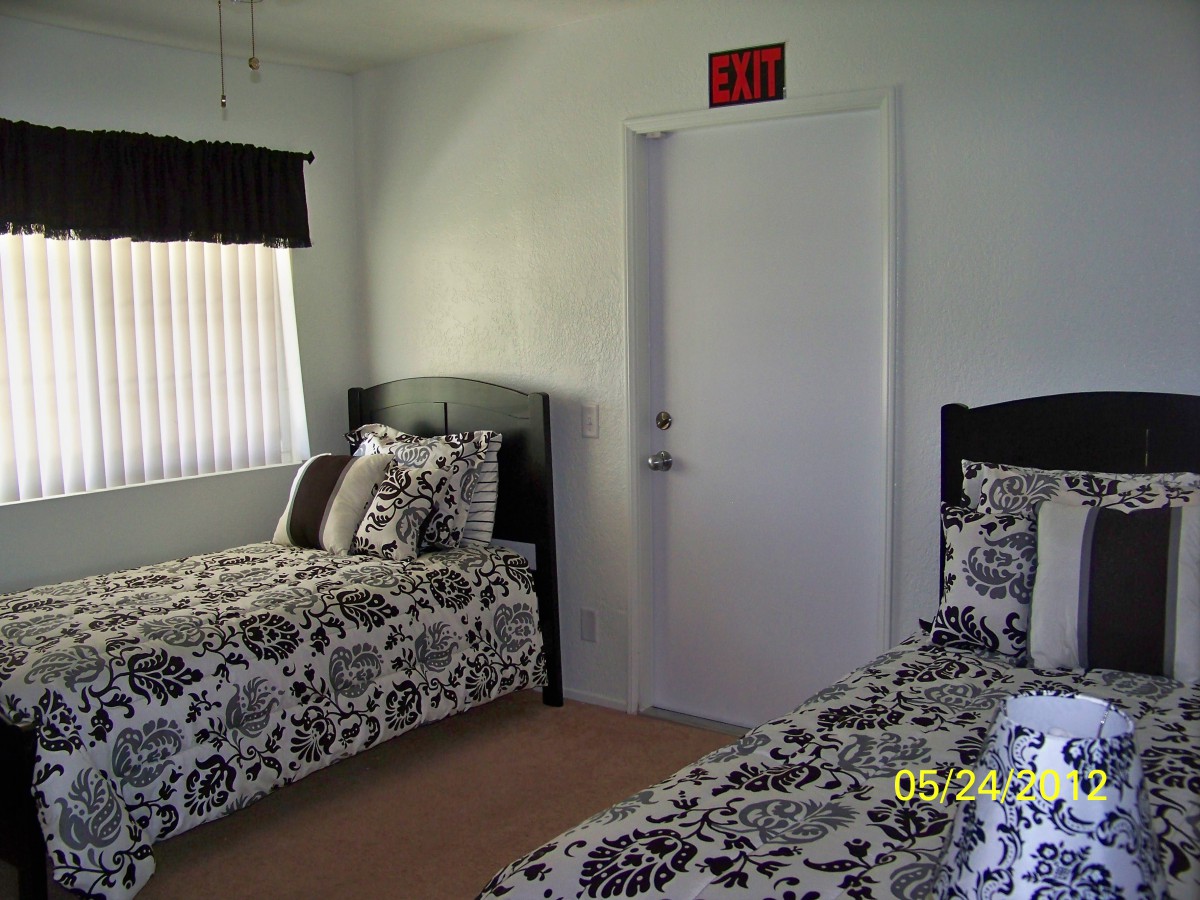
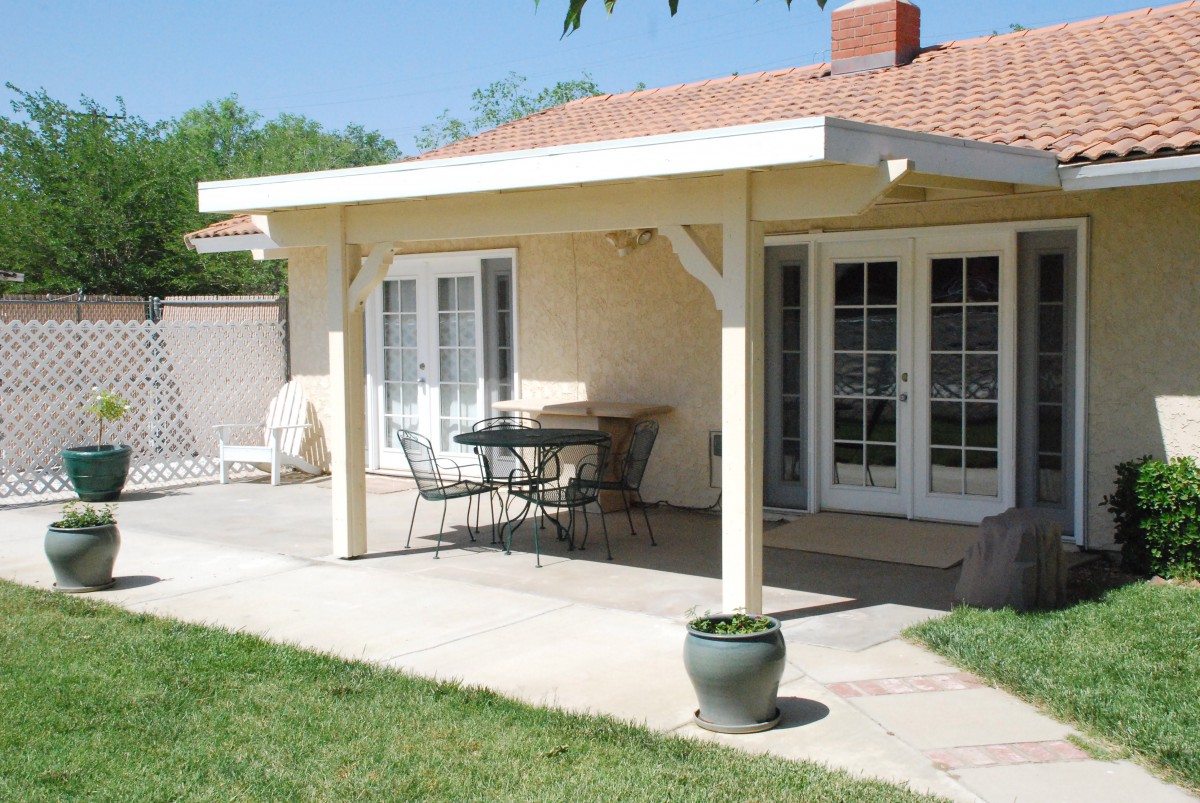
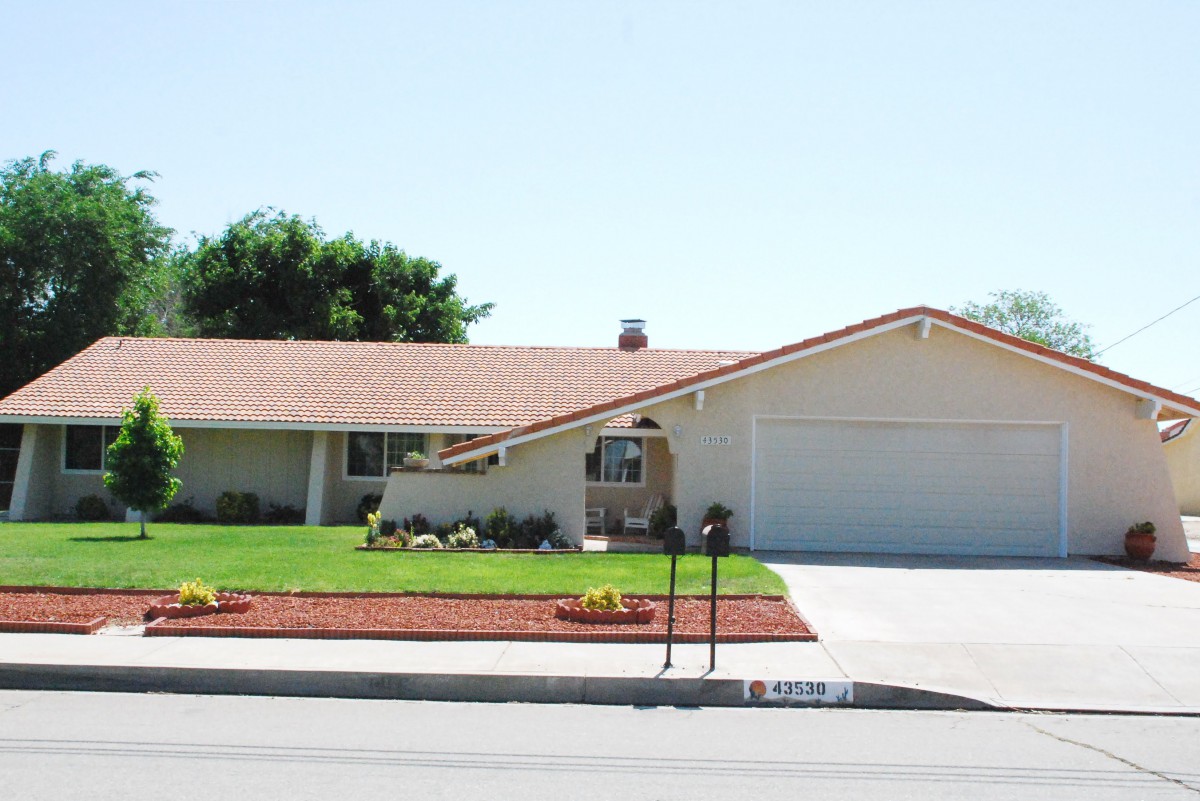
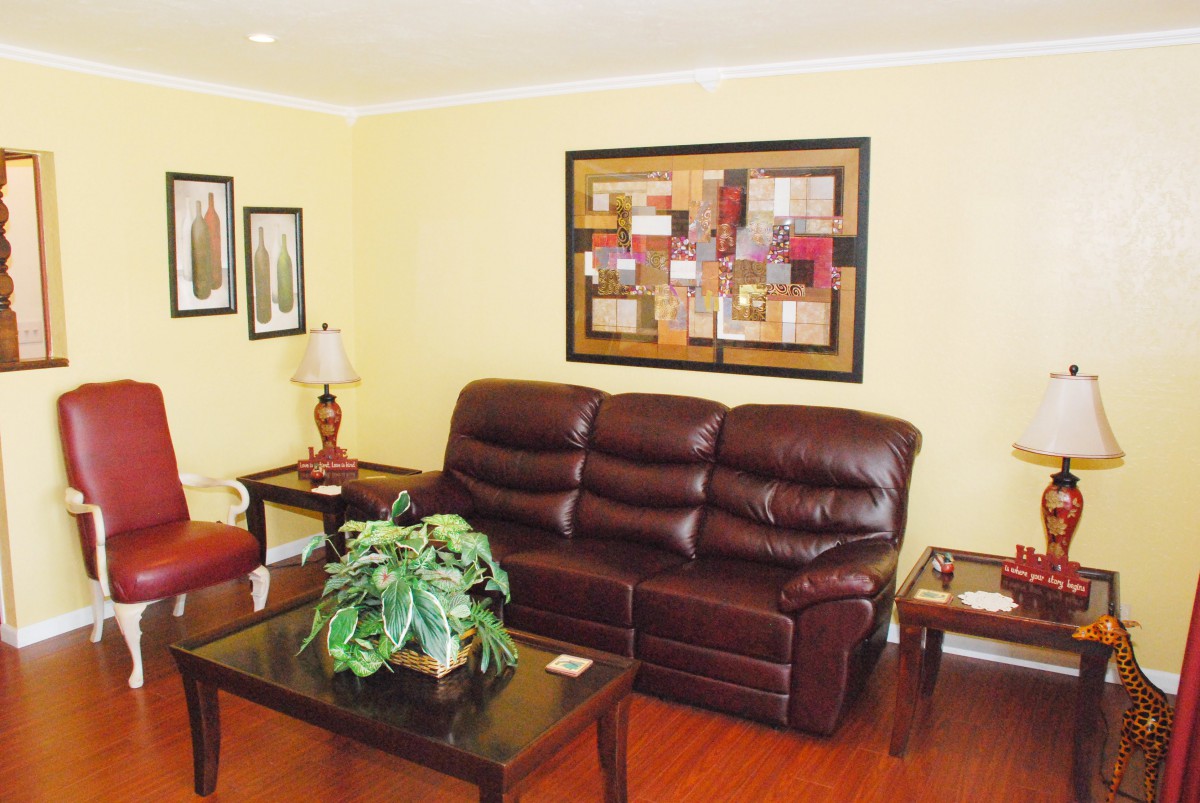
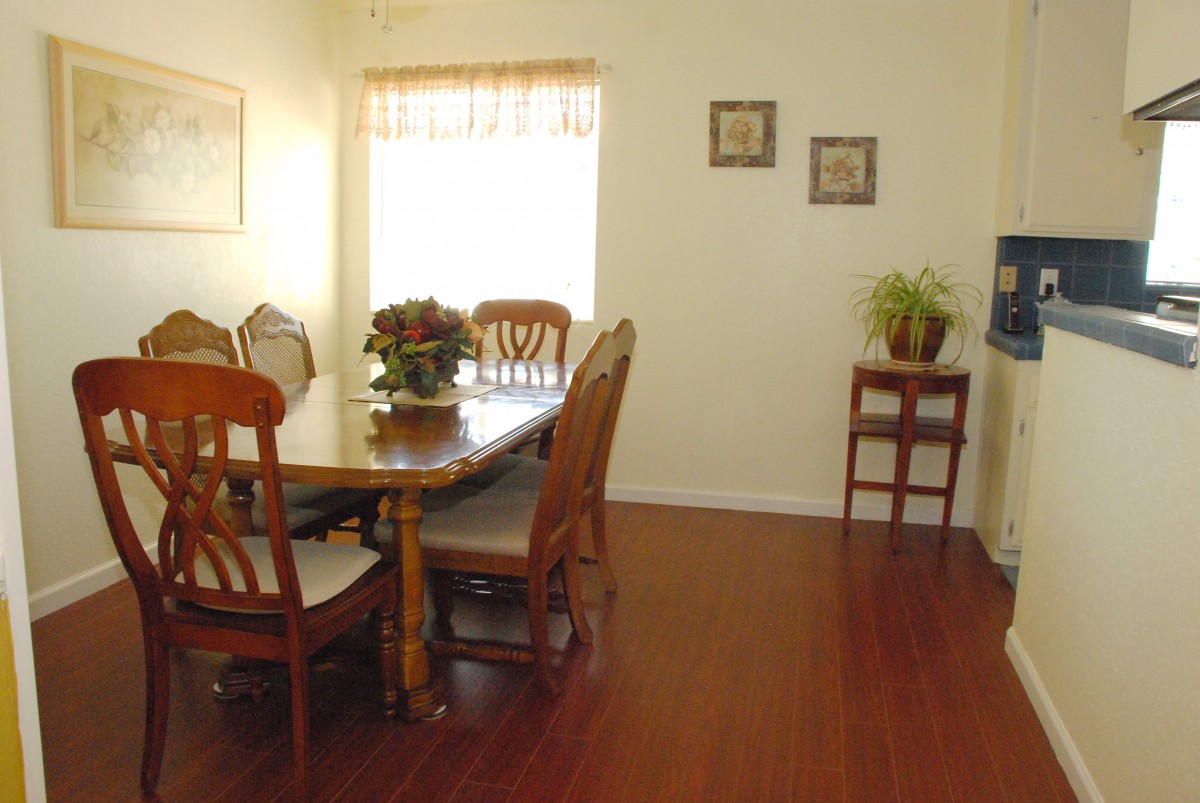
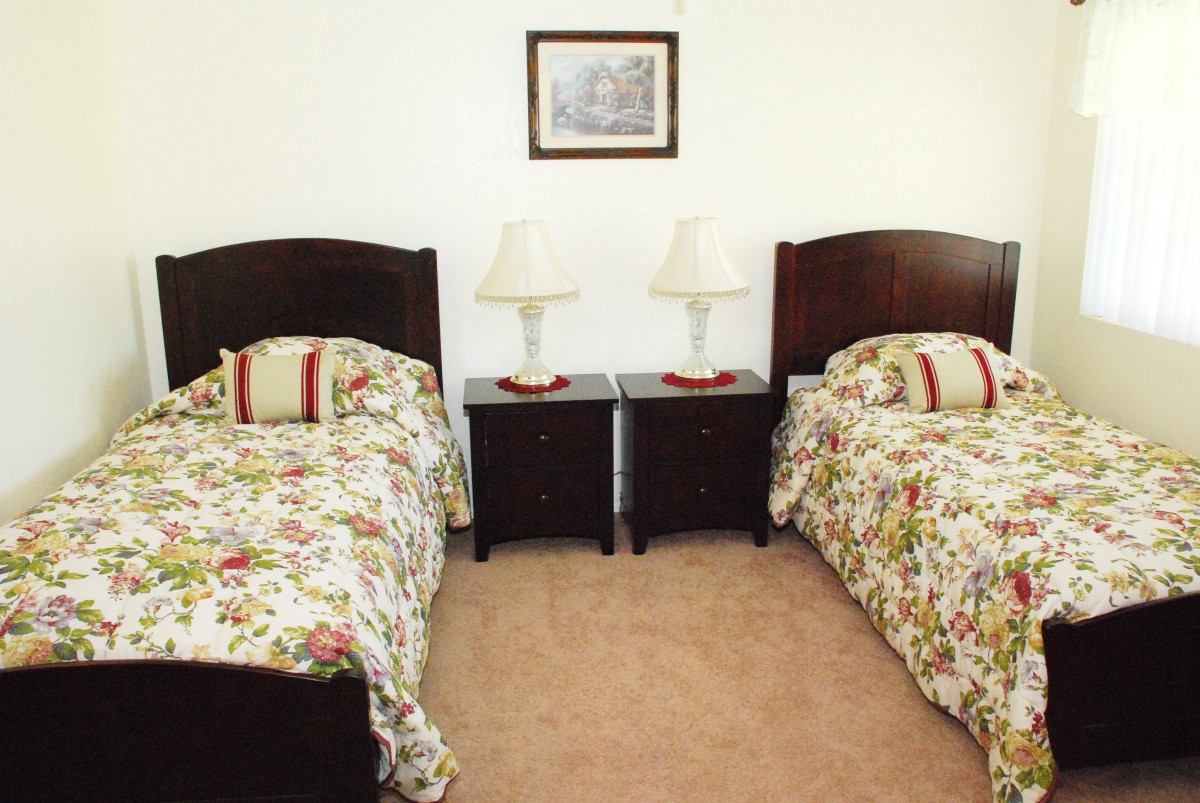
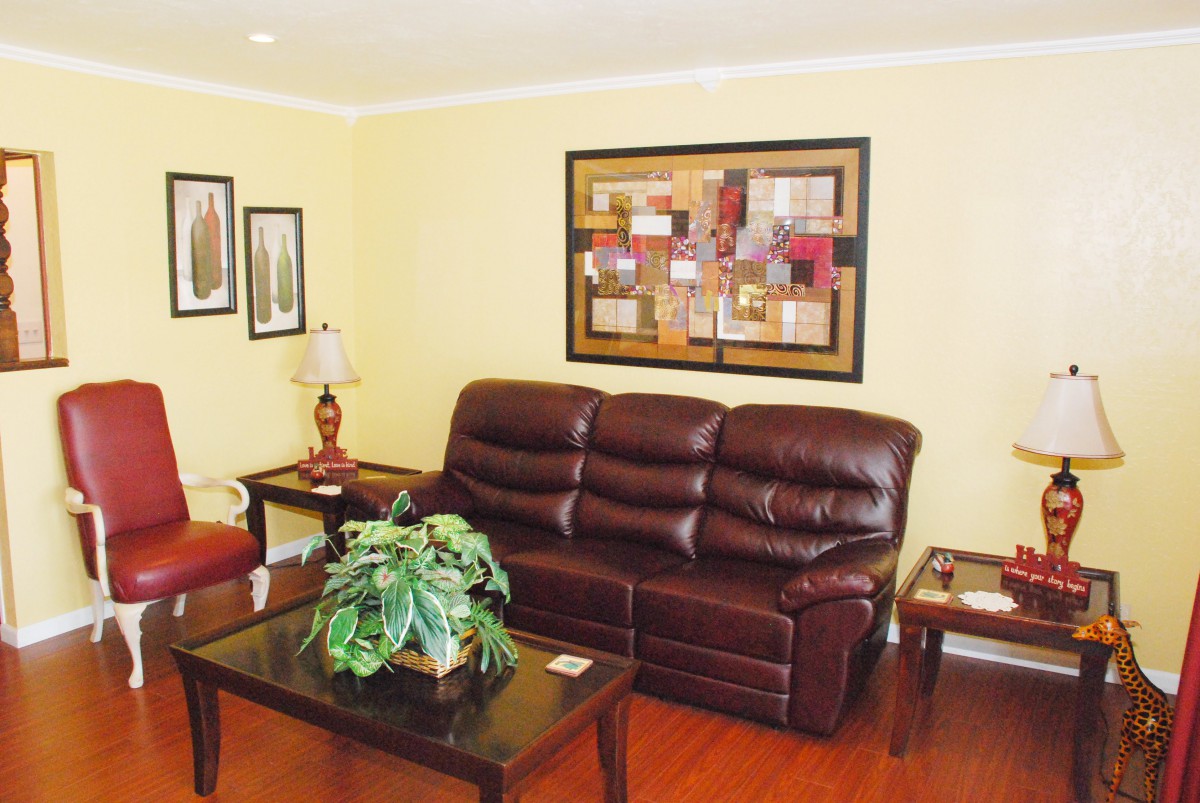
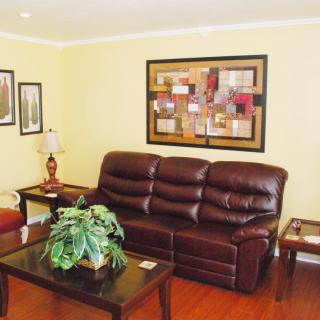
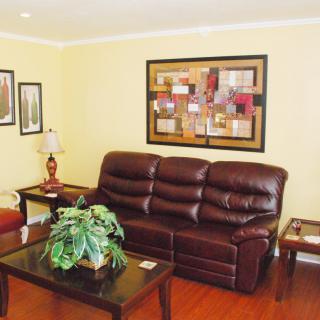
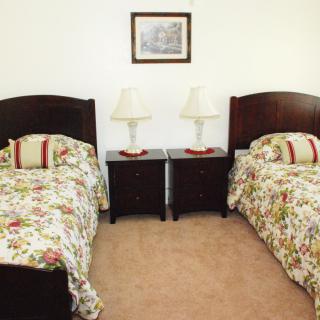
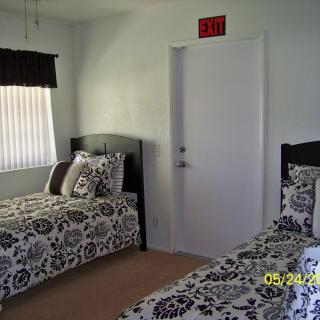
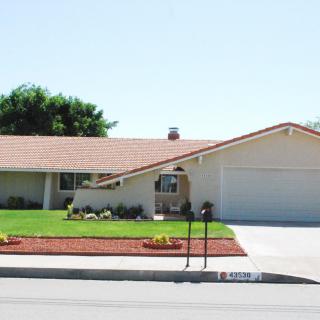
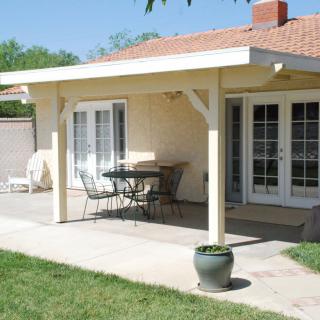
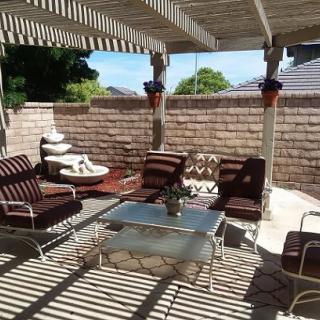
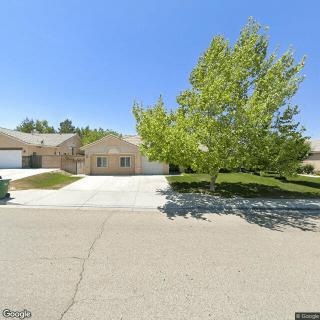
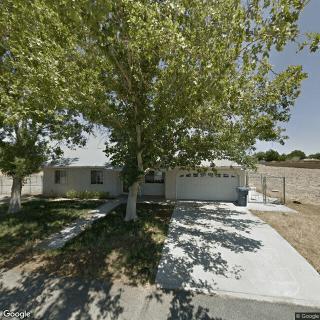
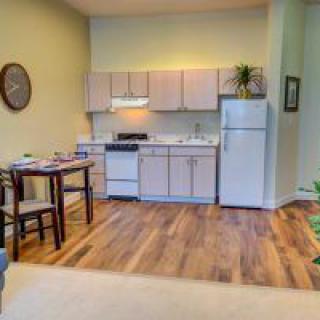
El Vista Residential Care on seniors.fyi includes 8 photos including images showing bedroom, decor, interior, landscaping, living room, artwork, painting, patio, and more.
Nearby Communities
Danilo Gardens
Lancaster, CA
2.8 from 5 reviews
Comprehensive assisted living with diabetic care, meals provided, and on-site activities.
Amazing Grace Home Care
Lancaster, CA
Small, intimate setting with personalized care
Diana's Marian Res. Care Facility 1
Lancaster, CA
4.8 from 6 reviews
Clean, home-like environment with attentive staff and well-prepared meals.
Joe-Sephine Residential Care Fac. For The Elderly
Lancaster, CA
4.5 from 120 reviews
$1,800 to $2,500 / month
Small, intimate 4-bed setting offering comprehensive care, pet-friendly policy, and notably affordable rates.
Valley Heights Residential Care
Lancaster, CA
4.5 from 8 reviews
Small, intimate community offering personalized care, furnished apartments, meals, activities, and outdoor spaces.
Sierra Retirement Village
Lancaster, CA
4.7 from 7 reviews
Excellent access to health services and nearby amenities.
The Havens at Antelope Valley
Lancaster, CA
4.2 from 110 reviews
$2,993 to $6,385 / month
Friendly staff and a warm, community-focused environment with clean, well-maintained facilities.
Wellsprings Post Acute Center
Lancaster, CA
4.3 from 127 reviews
Compassionate staff with effective rehab, plus spacious, clean rooms and engaging activities.
Regency Palms Senior Living Palmdale
Palmdale, CA
$3,100 to $4,395 / month
Specialized memory care with Montessori and sensory programs, plus chef-prepared meals and on-site amenities.
Vibrant Senior Living emphasizes active senior living communities that promote independence and engagement through diverse amenities and activities, fostering wellness and social interaction among older adults. These communities range from independent to assisted living, with a focus on personal growth, family involvement, financial planning, and leveraging technology to enhance residents' experiences.
Assisted living provides moderate support for seniors seeking independence, while memory care offers specialized support for individuals with dementia or cognitive impairments through structured routines and trained staff. Key differences include care approaches, environment security measures, staff training levels, activity types, and cost considerations.
Choosing between assisted living and nursing homes involves evaluating emotional and financial factors, with assisted living offering independence and support for daily activities at a lower cost, while nursing homes provide intensive medical care for individuals with significant health needs. The decision is influenced by personal preferences, health status, cognitive function, and varying Medicaid coverage across states.
Get PricingAsk A QuestionSchedule A TourContact Senior Advisor
By clicking submit, you agree to our Partner's Terms of Use. You
also consent to receive calls and texts, which may be autodialed, from our Partner. Your consent is not a condition to
using our Partner's service. Please visit our Partner's Privacy Policy for information about their privacy practices.


 Board and Care Home
 Memory Care
 Activities off-site
 Bath tubs
 Beautician on-site
 Devotional services off-site
 Indoor common areas
 Outdoor common areas
 Private
 Respite or short term stays offered
 Wheelchair accessible showers
 Ambulatory care
 Diabetic care
 High acuity care
 Incontinence care
 Medication management
 Kosher
 Comprehensive assisted living with diabetic care, meals provided, and on-site activities.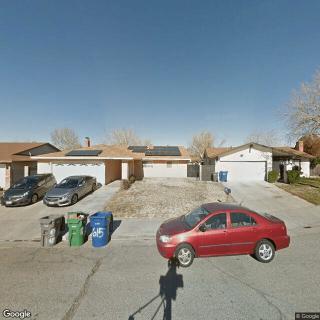


 Vibrant Senior Living: A Comprehensive Guide for Active Older Adults
 Assisted Living and Memory Care: Understanding Their Core Differences
 Choosing the Right Senior Care: A Detailed Exploration of Assisted Living and Nursing Homes