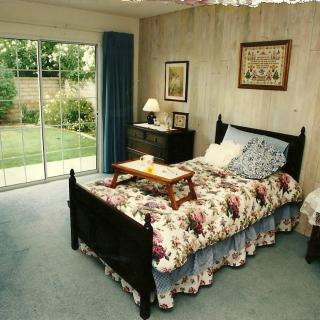
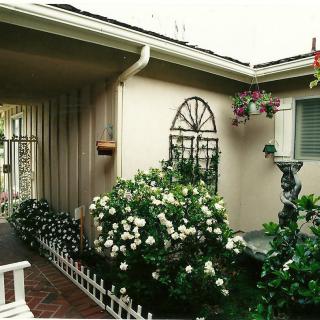
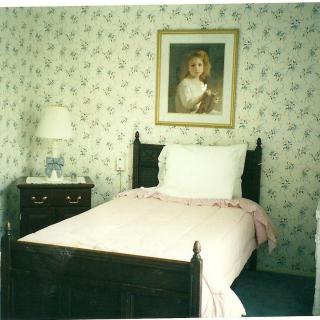
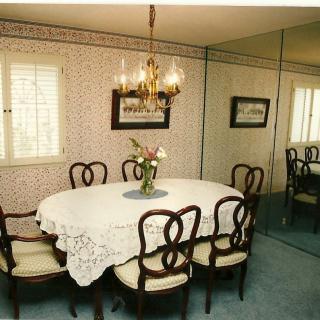
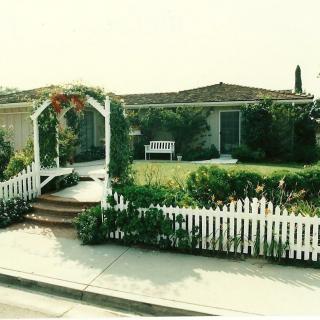
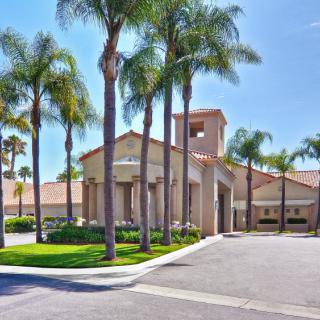
24176 Mccoy Rd, Lake Forest, CA 92630
To contact a resident: (949) 472-3511
For more information about senior living options: (866) 208-4318
Lake Forest Country Home Costs & Pricing
Lake Forest Country Home offers competitive pricing for its accommodations compared to the broader market in Orange County and throughout California. For a semi-private room, residents can expect to pay $2,600 per month, which is significantly lower than the average cost of $3,431 in Orange County and $3,333 at the state level. Similarly, private rooms at Lake Forest Country Home are priced at $3,800 per month, again offering a more affordable option compared to the county's average of $4,104 and a state average of $3,939. This positioning underscores Lake Forest Country Home's commitment to providing quality care at accessible rates within a desirable region.
| Floor plans | Lake Forest Country Home | Orange County | California |
|---|---|---|---|
| Semi-Private | $2,600 | $3,431 | $3,333 |
| Private | $3,800 | $4,104 | $3,939 |
Memory care communities with a similar price nearby
-
from +$200 / mo
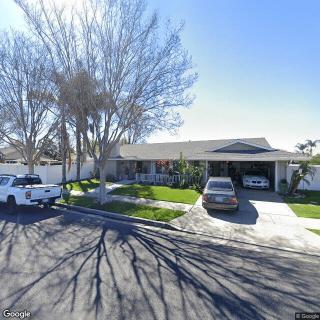
Candlewood Care Home III
$2,800 to $3,400 / month9.8 miles away -
from +$200 / mo
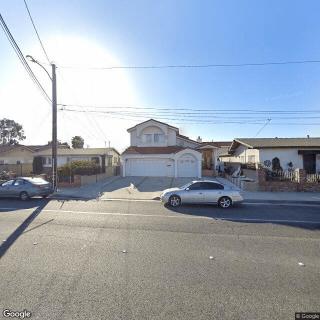
Leah Loving Elderly Care
$2,800 to $3,000 / month15.0 miles away -
from +$100 / mo
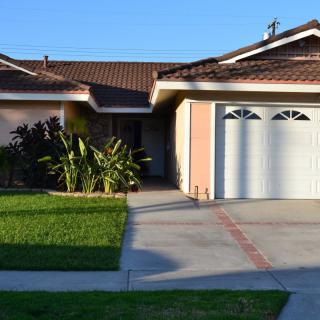
Loving Care Senior Home
$2,700 to $3,500 / month15.6 miles away -
from -$300 / mo
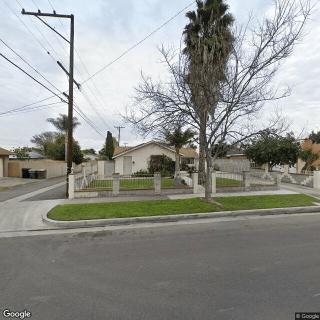
Bronwyn Residential Care
$2,300 to $3,500 / month21.3 miles away -
from +$250 / mo
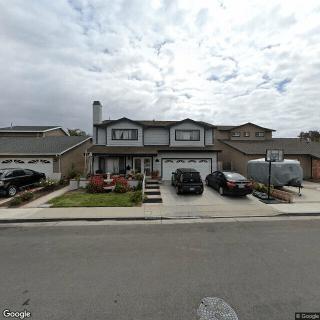
Alternative Senior Care - Freshwater
$2,850 to $3,250 / month18.4 miles away
Overall Review of Lake Forest Country Home
Pros
 The home is very nice.
- The people are very nice.
- The best possible care is being provided for the mom.
- They are providing important services that the family cannot provide.
- There are no complaints.
- The experience has been consistent with what was described.
Review
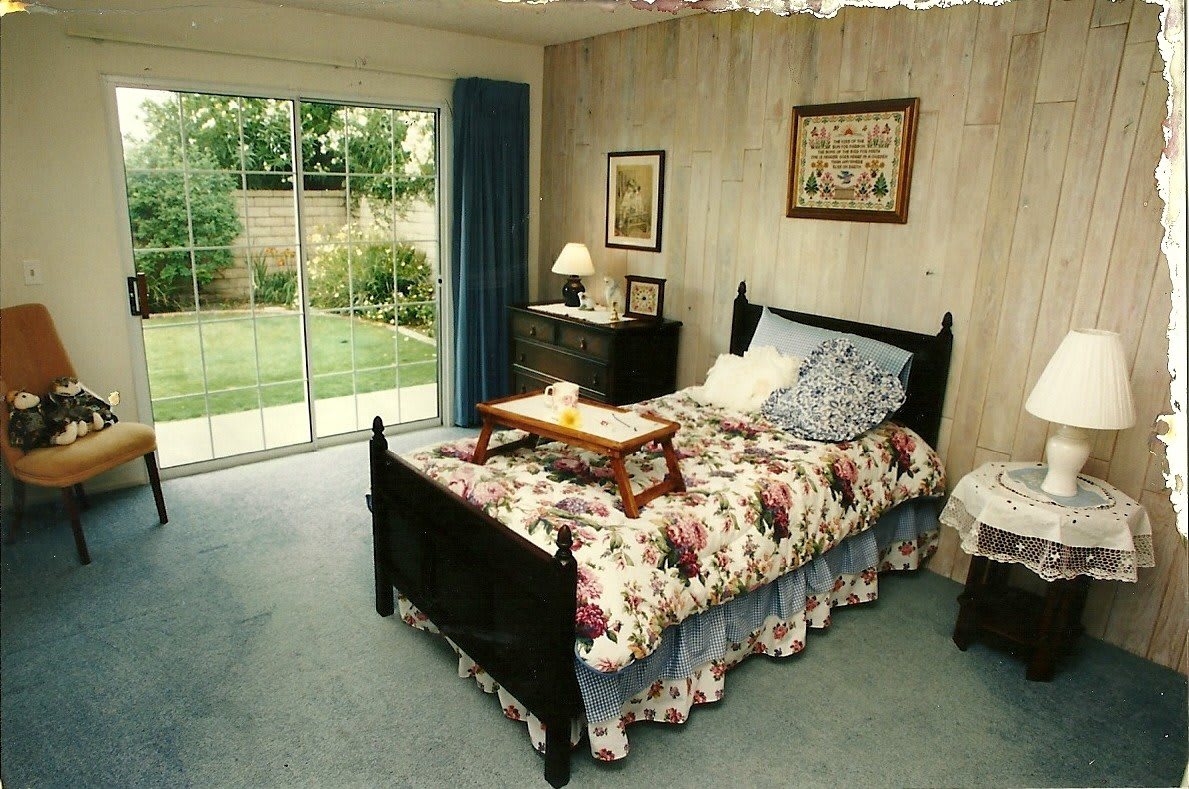
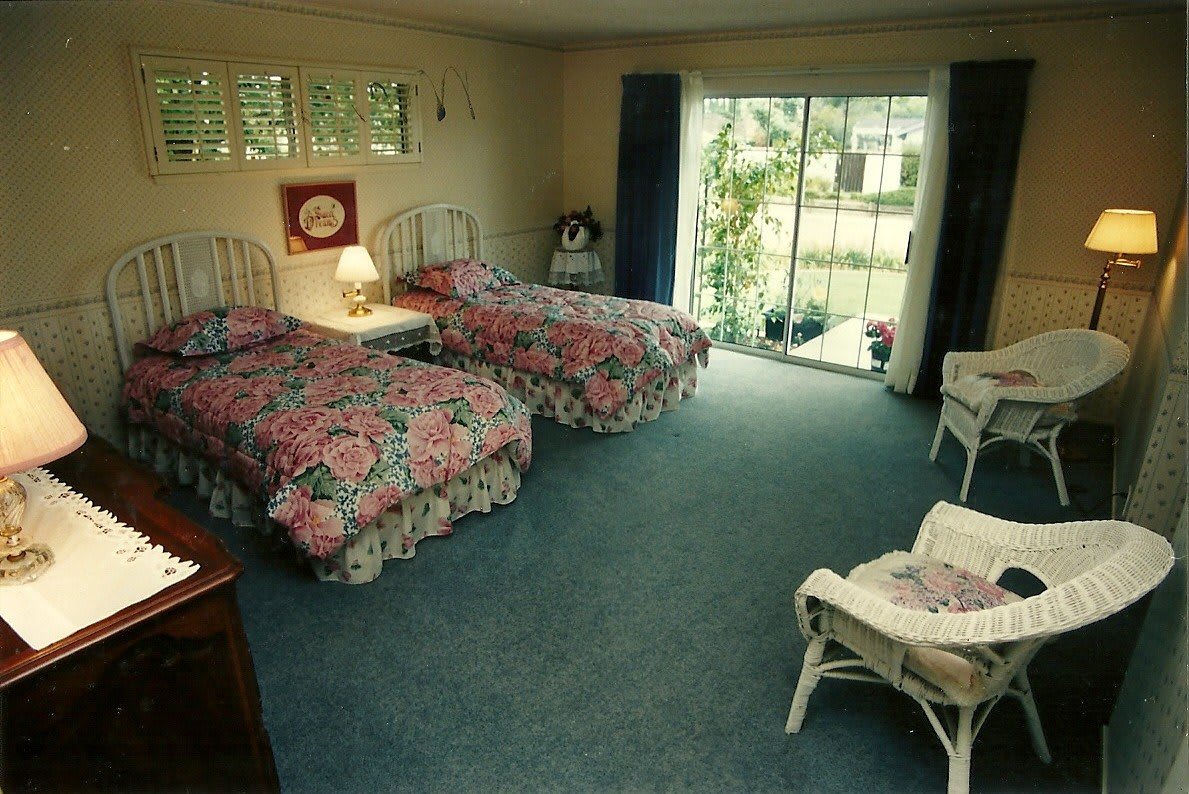
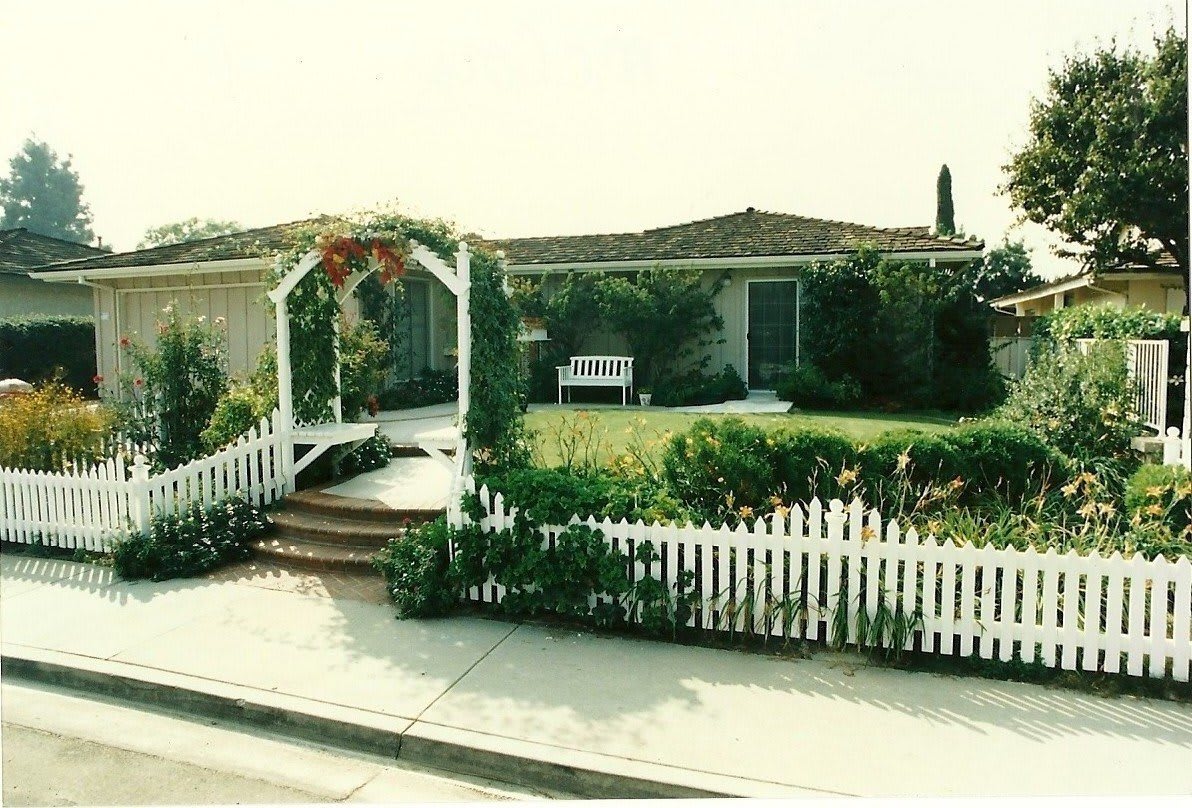
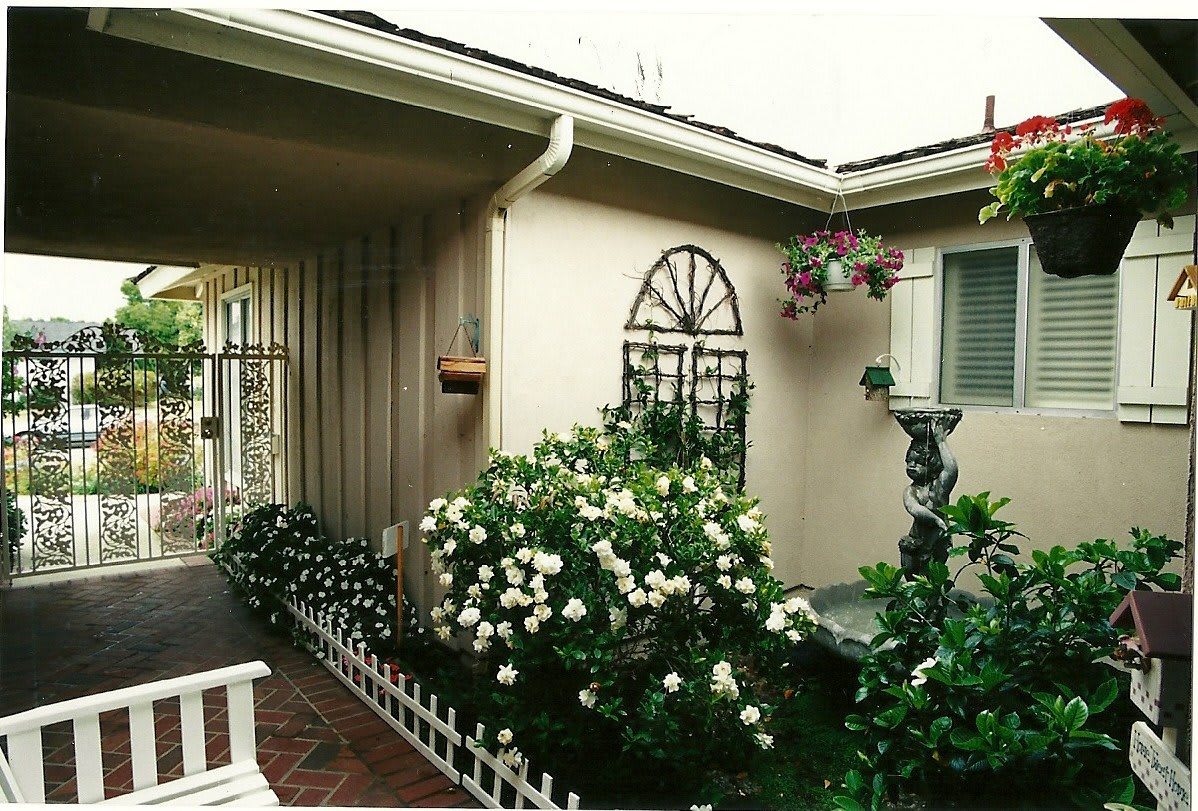
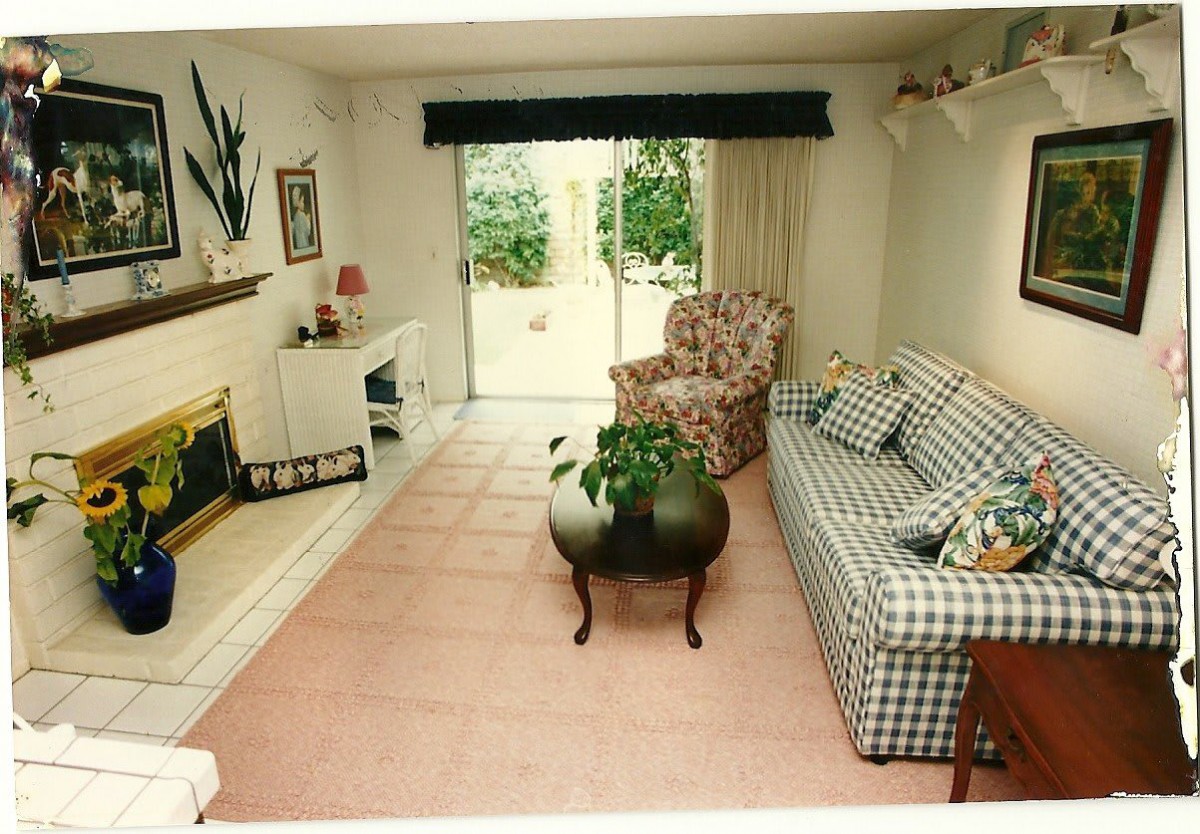
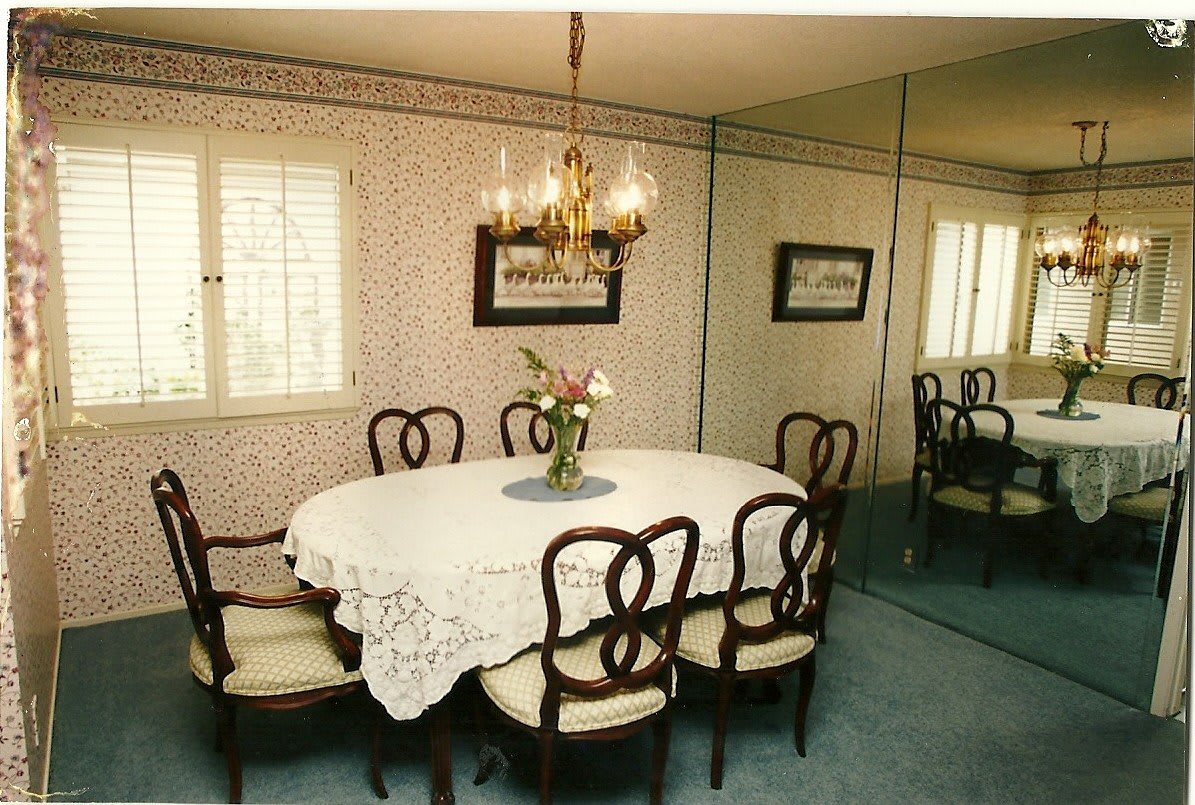
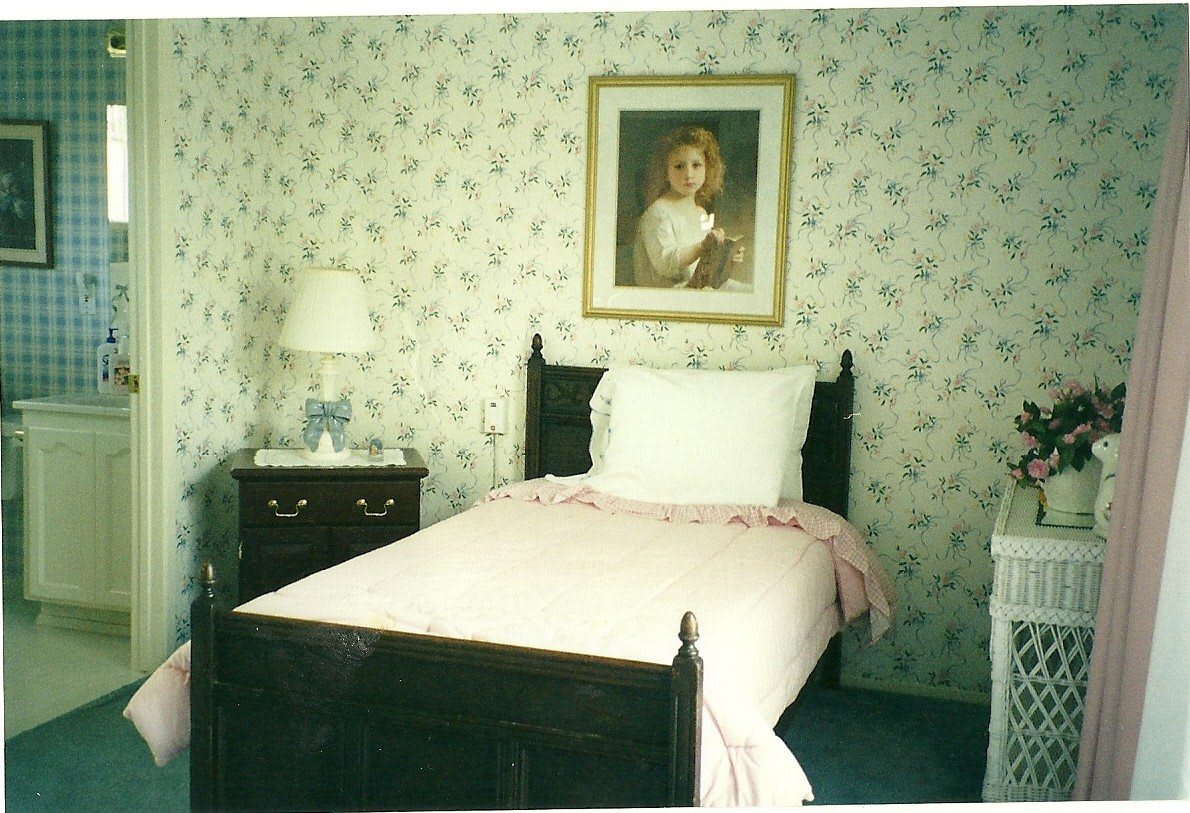
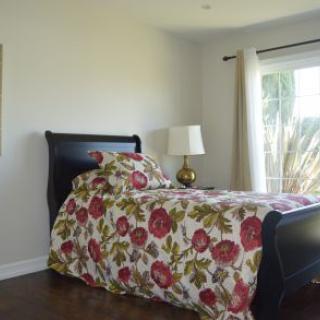
This community is best suited for families seeking a warm, home-like assisted living environment where staff are approachable, courteous, and consistently attentive to a resident’s day-to-day needs. Lake Forest Country Home appears to serve seniors whose care requirements are well within the scope of a smaller, residential setting, with an emphasis on personal attention, dependable service, and transparent communication about what to expect. It is a good fit for residents who prioritize a calm, neighborly atmosphere and a setting that feels less institutional than larger facilities.
Explicitly, those who may want to consider alternatives include families with seniors who require high-acuity medical oversight, complex wound or medication management that demands on-site nursing on a schedule aligned with physician orders, or residents needing specialized dementia or memory-care programming. If a resident’s needs include frequent skilled nursing, rapid escalation of care, or highly structured activity and safety protocols on par with larger campuses, a bigger community with dedicated memory-care wings or in-house physicians may be more appropriate. In addition, families seeking a wide array of on-site therapies, highly layered activity calendars, or robust transportation programs may prefer a larger operation.
The strongest positives, the home’s pleasant, non-clinical ambience and the evident kindness of the staff, play a decisive role in offsetting the lack of broader facility-scale attributes. When a family notes that “the home is very nice” and “the people are very nice,” it signals daily warmth, respectful interactions, and a culture of listening to families. The assurance that “the best that can be done for my mom” is being delivered, coupled with concrete alignment between what was promised and what unfolds, matters greatly for ongoing peace of mind. In practical terms, these factors translate into smoother daily routines, fewer family concerns about how care is executed, and a sense that essential services are being provided with competence and compassion.
Yet the limited breadth of public feedback is a salient restraint. With only a small number of reviews and little detail beyond general satisfaction, it remains prudent to verify several practical dimensions before committing. Prospective families should inquire about staffing consistency, how care plans are updated as needs evolve, and whether there is ready access to on-site nursing or medical oversight as conditions change. The absence of explicit information on meal quality, activity variety, safety features, and transportation means that decisions should rest on a direct, in-person assessment rather than reputation alone. The favorable impressions here create a strong baseline, but do not replace thorough diligence.
For families actively evaluating options, a disciplined site visit is essential. Observe how staff interact with residents, do they respond promptly, speak respectfully, and tailor activities to individual preferences? Request a sample weekly schedule, ask about nurse coverage and how medication management is organized, and review the process for updating care plans after changes in health status. Clarify licensing status, inspection histories, and any plans for staffing growth or service expansion. In parallel, compare with other communities that offer more extensive medical supports or dementia-care programming, and quantify costs, what is included in the base rate, and what constitutes extra charges. This approach yields a clear sense of value and risk.
Overall, Lake Forest Country Home offers a practical blend of warmth, attentiveness, and reliability that makes it a credible option for families prioritizing a homelike atmosphere and dependable care for seniors with modest to moderate needs. It stands up well when the emphasis is on compassionate daily supervision and transparent communication about expectations. For residents whose needs drift into high medical complexity or require extensive memory-care infrastructure, alternatives with broader clinical capabilities should be pursued. The right choice hinges on aligning the resident’s care trajectory with the community’s strengths while actively verifying the gaps through first-hand observation and careful due diligence.
 Board and Care Home
 Memory Care
 Cats allowed
 Dogs allowed
 Activities off-site
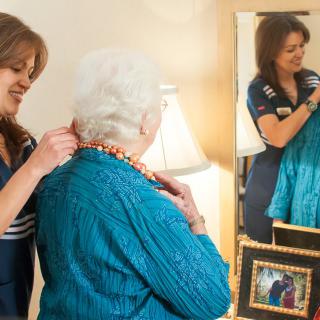
 Beautician on-site
 Indoor common areas
 Outdoor common areas
 Private
 Private bathrooms
 Respite or short term stays offered
 Wheelchair accessible showers
 John Wayne Orange Co (10 miles away)
 Diabetic care
 High acuity care
 Incontinence care
 Medication management
 Meals provided


 5 Early Indicators of Dementia and What You Can Do
 8 Important Indicators That Memory Care May Be Necessary
 Delving into the Inner World of Dementia: Insights into Thoughts and Awareness