
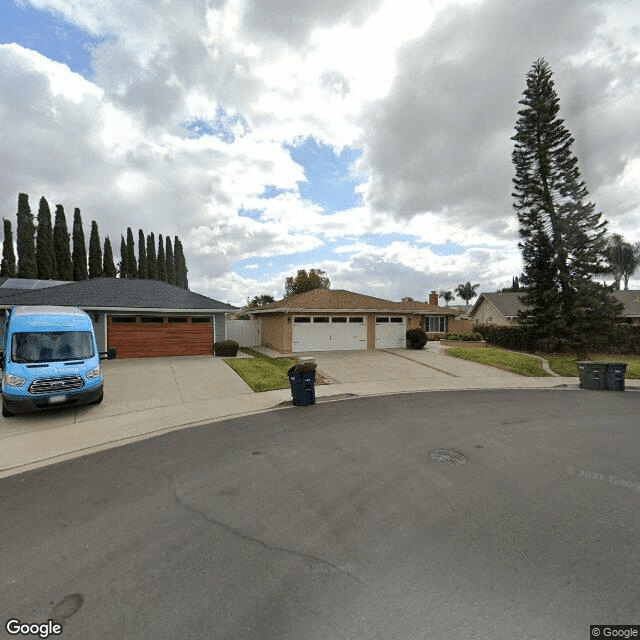
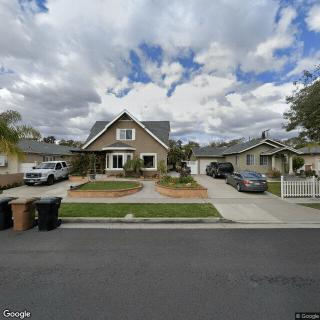
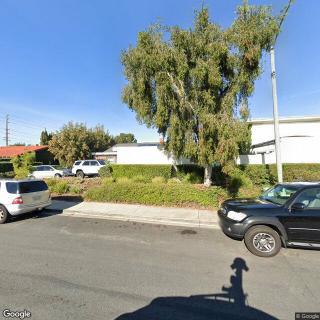
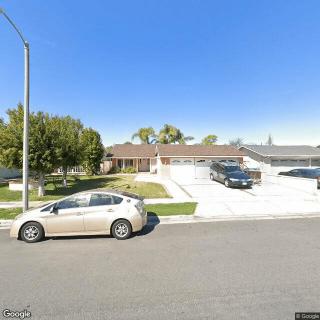
23272 Downland Rd, Lake Forest, CA 92630
To contact a resident: (949) 858-6977
For more information about senior living options: (866) 208-4318
The Royal Inns Residential Care Homes I Costs & Pricing
The Royal Inns Residential Care Homes I offers competitive pricing for its residents compared to the broader market in Orange County and across California. For both private and semi-private room options, the facility charges $3,500 per month, which is notably lower than the average costs in Orange County, where private rooms typically run around $4,104 and semi-private accommodations are approximately $3,431. Moreover, when looking at statewide averages for California - $3,939 for private rooms and $3,333 for semi-private - The Royal Inns Residential Care Homes I stands out as a cost-effective choice without compromising on quality care or comfort. This combination of affordability and value makes it an appealing option for families seeking residential care solutions.
| Floor plans | The Royal Inns Residential Care Homes I | Orange County | California |
|---|---|---|---|
| Private | $3,500 | $4,104 | $3,939 |
| Semi-Private | $3,500 | $3,431 | $3,333 |
Senior living communities with a similar price nearby
-
from +$495 / mo

Cadence Brea
$3,995 to $5,500 / month22.7 miles away -
About the same
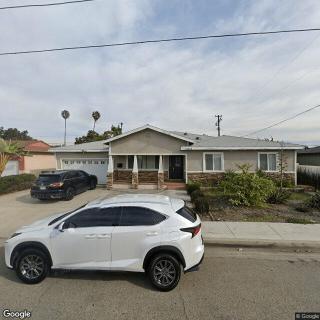
Loving Home Care
$3,500 to $4,500 / month19.4 miles away -
from +$500 / mo
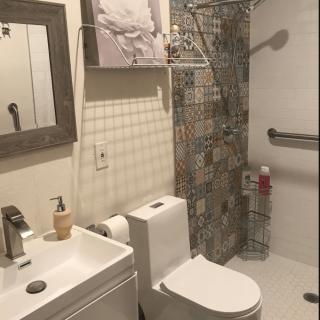
Loving Care Facility for the Elderly
$4,000 to $5,975 / month22.5 miles away -
About the same
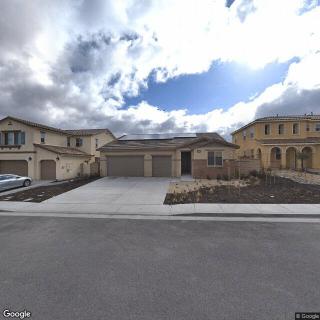
Kun Bai Care
$3,500 to $4,500 / month24.8 miles away -
from -$500 / mo
Tabi's Facility Home Care
$3,000 to $3,500 / month22.4 miles away
Overall Review of The Royal Inns Residential Care Homes I
Pros
 The place is very nice and clean, with good rooms and bathrooms.
- The caretakers are nice.
- It has a nice big backyard and is not far from home.
- The owner is a great guy.
- Pricing is all-inclusive.
- It makes an impressive first impression and is very clean and well kept, with decor, fountain, and landscape.
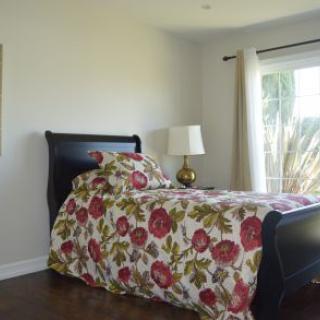
- Each room is large and bright.
Cons
 The food is mostly from cans.
- There are other problems.
- The residents are not alert.
Review
The Royal Inns Residential Care Homes I in Lake Forest is best suited for seniors who want a compact, home-like setting with clean, comfortable rooms and a hands-on, owner-operated touch. It suits families who value proximity to their own circle, straightforward all-inclusive pricing, and a calm, unpretentious atmosphere over glossy programming or high-end dining. Reviewers note tidy facilities, bright and generously sized rooms, clean bathrooms, and a welcoming outdoor area, including a substantial backyard, which creates a sense of shelter and familiarity. At roughly $3,750 per month, all inclusive, this community presents a practical, budget-friendly option for households prioritizing predictable costs and a simple, residential ambiance.
Those who should consider alternatives are families chasing consistently boutique dining, extensive activity calendars, or formal memory-care support. Several reviews flag concerns about meal quality, specifically that some offerings are canned, which can be a deal-breaker for seniors with particular dietary expectations. There is also a sense, in multiple accounts, that resident engagement and alertness vary; some residents appear less responsive, and the level of ongoing stimulation is not consistently described as robust. For families needing stronger structured programming, higher energy social opportunities, or more predictable cognitive-impairment support, other options may align more closely with those priorities.
The strongest pros here are tangible: cleanliness, a well-kept, attractive interior, and surprisingly generous room sizes that give residents a real sense of personal space. The decor, fountains, and landscaping contribute to a welcoming first impression, and the owner’s presence comes through in comments about a personable, attentive leadership ethos. The all-inclusive pricing is a meaningful offset to many concerns, reducing the risk of hidden costs and helping families plan around a single monthly number. The location is convenient for local visits, and the homey atmosphere can be comforting for seniors who prefer a private, familiar-feeling environment over a more institutional setting.
Yet the main cons cut right at the core of what families typically weigh. Food quality stands out as the most consistent sticking point, with several accounts claiming meals rely heavily on canned products. For a resident who depends on predictable, satisfying meals to maintain appetite and health, this could erode overall satisfaction and daily engagement. The notes about resident alertness and engagement are mixed: some residents appear less responsive, and the level of social interaction and activity may not meet the expectations of families seeking a high-energy community. Such gaps matter because they influence daily routine, mood, and overall well-being, especially for individuals who rely on structured programming to remain connected and active.
To make a well-informed decision, practical due diligence is essential. Prospective families should request a current meal plan and, ideally, a meal during a visit, to gauge whether the kitchen meets their dietary standards. It is wise to observe a typical day, talk with staff about activity calendars, transportation options, and how memory-care needs, if present, are addressed. Verify what “all inclusive” covers and whether any services, special therapies, or supplements incur extra charges. Tour multiple times, at different days and times, to assess consistency in cleanliness, staff responsiveness, and the ambiance of the shared spaces. Speak with current residents and families about satisfaction with care, meals, and emotional well-being, and compare with nearby communities to identify relative strengths.
The bottom line is practical: for families prioritizing a cozy, home-forward living experience with direct owner involvement, straightforward budgeting, and a neighborly feel, The Royal Inns Residential Care Homes I can be a solid match. It performs best for those who value tranquility, visibility of leadership, and a calm setting over a more formal, high-activity program. However, households requiring consistently high-quality meals, richer daily programming, or more robust cognitive-support services should consider alternatives. The decision should hinge on a candid assessment of meal preferences, desired activity level, and how important a highly engaged daily routine is to the prospective resident’s happiness and health.
 Board and Care Home
 Private
 John Wayne Orange Co (10 miles away)

 Comprehensive Guide to Blood Pressure Charts for Older Adults: Understanding Normal and High Readings by Age
 Financing Long-Term Nursing Home Care Through Social Security: A Thorough Exploration
 Essential Knowledge on Pneumonia in Older Adults