

7736 Sugar Dr., Huntington Beach, CA 92647
To contact a resident: (714) 267-0072
For more information about senior living options: (866) 208-4318
Alternative Senior Care - Sugar Costs & Pricing
Alternative Senior Care - Sugar offers competitive pricing for its services, particularly when compared to the broader market in Orange County and California. For semi-private rooms, residents can expect to pay $2,650 per month, significantly lower than the county average of $3,431 and the state average of $3,333. When it comes to private rooms, costs range from $3,000 to $5,031, which is also favorable against the county's average of $4,104 and the state's $3,939. Additionally, their one-bedroom accommodations are priced at $3,000 monthly - again more affordable than both Orange County's average of $4,380 and California's average of $4,340. This positioning highlights Alternative Senior Care - Sugar as an appealing option for those seeking quality senior care without the higher financial burden typically associated with such services.
| Floor plans | Alternative Senior Care - Sugar | Orange County | California |
|---|---|---|---|
| Semi-Private | $2,650 | $3,431 | $3,333 |
| 1 Bedroom | $3,000 | $4,380 | $4,340 |
| Private | $3,000 to $5,031 | $4,104 | $3,939 |
Memory care communities with a similar price nearby
-
from +$150 / mo
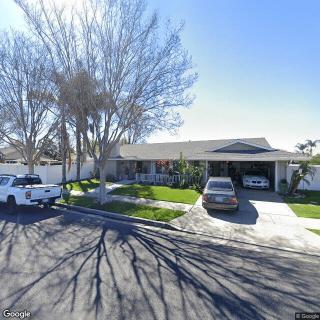
Candlewood Care Home III
$2,800 to $3,400 / month11.0 miles away -
from -$250 / mo
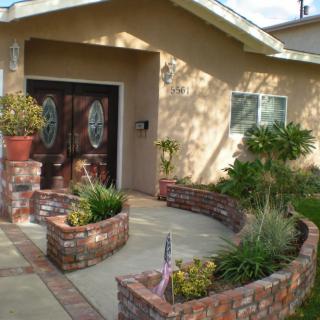
Living Well Care Home
$2,400 to $3,200 / month8.7 miles away -
from +$150 / mo
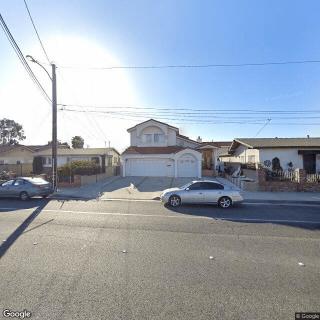
Leah Loving Elderly Care
$2,800 to $3,000 / month3.3 miles away -
About the same
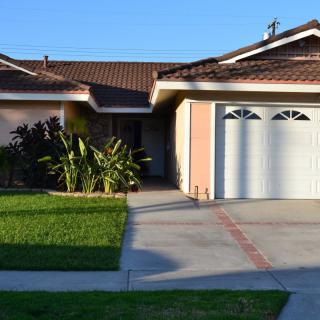
Loving Care Senior Home
$2,700 to $3,500 / month3.4 miles away -
from -$350 / mo
Bronwyn Residential Care
$2,300 to $3,500 / month6.0 miles away
Overall Review of Alternative Senior Care - Sugar
Pros
 The staff are very attentive and take good care of the residents.
- They help residents manage health needs and provide a high level of care.
- The facility is very nice and offers a good amount of activities.
- The caregivers ensure residents are up and involved in daily routines.
- Families report being very happy with the experience.
- Hospice services can be arranged free of charge.
Cons
 The residents mostly end up watching TV, suggesting limited activities.
 - Being active might not be a high priority given how elderly the residents are.
- The facility charges a lot of money for the care and has fees everywhere.
Review
This community is best suited for families seeking intensely personalized, hands‑on daily care in a small, home‑like setting. With only five residents and two caregivers running the operation, Alternative Senior Care - Sugar delivers a level of attention that larger facilities cannot match. The team directly assists with daily routines, monitors medical needs such as diabetes management, and maintains a steady, trustworthy presence. For a senior who values stability, a quiet environment, and frequent one‑on‑one check‑ins, this arrangement offers undeniable reassurance. It is not a showplace with sprawling programming; it is a compact, comfort‑driven option where the care team’s availability and consistency become the primary selling points.
This community is not for everyone. Families that must balance cost against value should consider alternatives, especially if a robust activity calendar or a larger social environment is a priority. The model depends on a small staff–resident ratio, which can be ideal for individualized care but may feel limiting for those who want constant group activities, diverse outings, or more opportunities for peer interaction. Those with tighter budgets or a preference for a cafeteria of services and amenities may find other options deliver more perceived value per dollar. In short, it appeals to comfort, intimacy, and reliable supervision over scale and variety.
The strongest positives are concrete and directly offset some clear drawbacks. The two‑person team’s attentiveness translates into consistently high‑quality care, with clear hands‑on help for daily living tasks and medical management. The care philosophy appears to emphasize steady supervision and responsiveness, which is exactly what families of seniors who require routine assistance want. The facility itself is described as nice, and there is proven success leveraging hospice services when needed, including cases where hospice was arranged without additional charge. For families navigating complex needs, this combination, personalized supervision plus accessible end‑of‑life support, can be decisive in keeping a loved one safe and comfortable.
Yet the downsides warrant careful consideration. The most frequently cited concern is cost: “a lot of money for the care” with “fees everywhere.” For households already budgeting around ongoing care, the premium price tag can become a practical barrier, even when the care feels outstanding. The small staff model, while a strength in terms of attention, also implies limited redundancy. If the two caretakers are unavailable, coverage gaps become a realistic risk. Activity levels tend to skew toward television and passive entertainment, with only occasional live music or special events, which may disappoint residents who crave more engagement or structured programming. These factors don’t negate the care quality, but they do shape the lived experience and the overall value proposition.
What to do before deciding: insist on a transparent, itemized cost breakdown and a clear explanation of what is included in the monthly rate versus what incurs additional charges. Get a written care plan that documents how diabetes management is implemented day to day, how emergencies are handled, and what triggers a shift to higher levels of care. Observe a typical morning routine to assess staff interactions, responsiveness, and the tone of resident engagement. Ask specifically about hospice arrangements, confirm whether they can be brought in as needed, and request references from families who navigated transitions at different stages of illness. If possible, tour during a time when the residents are engaged, so the texture of daily life is visible beyond a one‑off visit.
In the end, the choice hinges on priorities. For families seeking intimate, high‑touch care where a dedicated two‑person team effectively anchors daily life, and where advanced medical support like diabetes management and hospice can be integrated smoothly, this Sugar location is a compelling, if premium, option. It delivers exceptional attentiveness and a calm, predictable routine that many seniors and caregivers prioritize. If cost sensitivity, a busier social milieu, or broader programming are nonnegotiables, it is wise to compare other communities that offer more expansive activity calendars and larger staffs. A decision in favor of this home‑like setting should come with a clear plan for budgeting, a realistic appraisal of long‑term care needs, and a willingness to lean into a quieter, highly supervised style of living.
 Board and Care Home
 Memory Care
 Activities off-site
 Beautician on-site
 Devotional services off-site
 Indoor common areas
 Outdoor common areas
 Private
 Private bathrooms
 Respite or short term stays offered
 John Wayne Orange Co (8 miles away)
 Diabetic care
 High acuity care
 Incontinence care
 Meals provided




 When Dementia Sparks Anger and Aggression: Understanding the Connection and Ways to Cope
 Dementia Behaviors: In-Depth Understanding and Effective Coping Strategies
 5 Early Indicators of Dementia and What You Can Do