
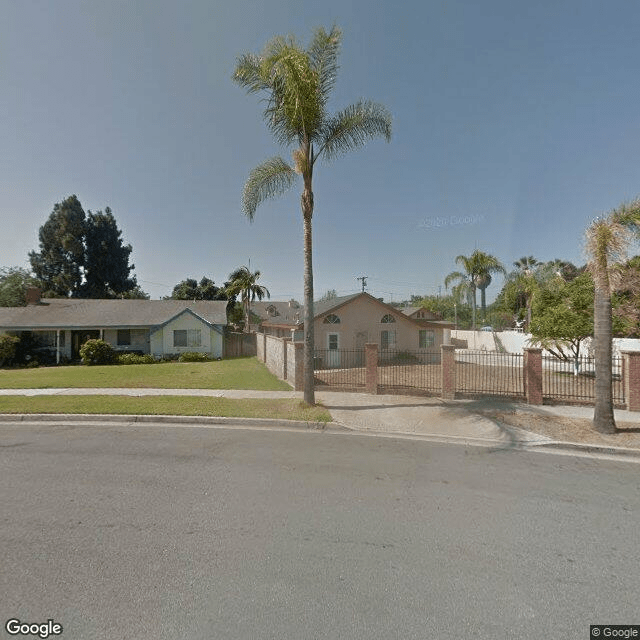
8556 Barr Lane 714-600-6434 cell, Garden Grove, CA 92841
To contact a resident: (714) 600-6629
For more information about senior living options: (866) 208-4318
Mirabel by the Sea IV Costs & Pricing
Mirabel by the Sea IV offers a compelling value proposition for potential residents seeking assisted living options in a coastal setting. The facility's pricing is notably competitive compared to both Orange County and broader California averages. For instance, semi-private rooms are available at $1,500 per month, significantly lower than the county average of $3,431 and the state average of $3,333. Similarly, private rooms are priced at $2,200, which still remains well below Orange County's $4,104 and California's $3,939 averages. The one-bedroom accommodations also reflect this trend, with a monthly cost of $2,200 compared to the county average of $4,380 and the state figure of $4,340. This positioning not only underscores Mirabel by the Sea IV's commitment to affordability but also highlights its attractiveness as an option for seniors seeking quality care without overextending their financial resources.
| Floor plans | Mirabel by the Sea IV | Orange County | California |
|---|---|---|---|
| Semi-Private | $1,500 | $3,431 | $3,333 |
| Private | $2,200 | $4,104 | $3,939 |
| 1 Bedroom | $2,200 | $4,380 | $4,340 |
Memory care communities with a similar price nearby
-
from +$100 / mo

MorningStar of Mission Viejo
$1,600 to $9,200 / month24.3 miles away -
About the same
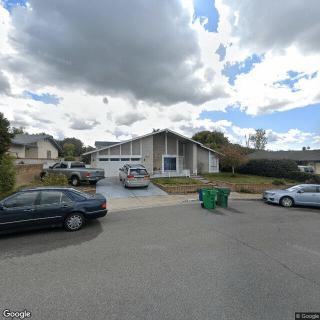
Azar Residential Care Facility
$1,500 to $2,500 / month21.5 miles away -
from +$210 / mo

Karlton Residential Care Center
$1,710 to $4,500 / month2.9 miles away -
from +$195 / mo

Vista Del Mar Senior Living
$1,695 to $3,200 / month12.5 miles away -
from +$50 / mo

Anaheim Crown Plaza
$1,550 to $2,100 / month2.7 miles away
Overall Review of Mirabel by the Sea IV
Pros
 He was well cared for.
- The caretakers are great.
- There was never any worry for his safety.
Cons
 None detected.
Review
Mirabel by the Sea IV in Garden Grove is best suited for families seeking a small, highly attentive setting where a loved one can receive consistent, hands-on care and vigilant safety oversight during advanced age or end-of-life transitions. The available perspective underscores an environment in which caregivers know residents well and families feel steady reassurance about daily safety and well-being. For families prioritizing intimate, person-centered daily oversight over a larger campus experience, this community presents a compelling choice. The emphasis on a calm, supervised atmosphere makes it a practical fit for seniors who value predictable routines and direct access to compassionate staff without navigating a sprawling, impersonal layout.
Those evaluating alternatives should consider whether the facility offers the breadth of medical oversight and specialized programming needed for certain conditions. If a loved one requires robust medical management, complex dementia care, frequent rehabilitative services, or a broad array of therapeutic activities, other communities might better meet those needs. The single-reviewed narrative does not reveal the full scope of on-site physicians, nurse coverage, or advanced care options, so families with expectations of comprehensive clinical resources will want to compare options carefully and ask pointed questions about medical staffing, pain management, wound care, and hospice alignment.
The strongest pro, as highlighted by the reviewer, is the quality of caregiving and the sense of safety provided. When a caregiver team can be described as “great,” that translates into reliable monitoring, timely assistance, and a comfort level that eases family concerns about danger or neglect. The endorsement that a loved one was well cared for during a difficult period carries substantial weight for families weighing risk versus comfort. This level of reassurance is rare in memory-laden or fear-driven decisions and can be the deciding factor for families who prioritize relational, day-to-day attention over glossy programming or flashy amenities.
However, the limited available information leaves important gaps. Questions about activity variety, nutrition standards, social engagement, and resident autonomy aren’t answered by a single positive note. Prospective families should inquire about daily schedules, therapeutic offerings, transportation options for appointments, and how residents participate in consented decision-making about care planning. In addition, understanding how the community handles transitions, family communication, and emergencies will help determine whether the setting truly aligns with an individual’s preferences and medical realities.
The key pros can offset the lack of breadth in programming if the priority is dependable, loving oversight and predictable safety. For families facing end-of-life considerations, that combination often proves decisive: trustworthy caregivers who understand the resident’s routine, preferences, and subtle cues can provide a dignified, comfortable close to life. The absence of negative feedback, while encouraging, should not substitute for a thorough, on-site evaluation. Prospective residents should verify that staffing patterns, shift coverage, and supervisor involvement meet their expectations for continuity and personalized care.
Ultimately, the decision rests on aligning the loved one’s needs with the community’s strengths. Mirabel by the Sea IV should be on the short list for families seeking a calm, safety-first environment with deeply caring staff, especially when end-of-life or palliative warmth is a priority. It is wise to schedule a visit, observe interactions between staff and residents, and request a candid outline of medical capabilities, activity planning, and family communication protocols. If those pieces fit, this community can offer a stable, reassuring home during a vulnerable chapter; if not, it’s prudent to widen the search to facilities with broader clinical services and more expansive programming.
 Board and Care Home
 Memory Care
 Private
 Long Beach (Daugherty) (10 miles away)
 Ambulatory care
 Diabetic care
 Incontinence care





 Exploring the Power of Reminiscence Therapy for Individuals With Dementia
 An In-Depth Look at Reminiscence Therapy in Dementia Care
 Dementia-Related Hallucinations: Causes, Experiences, and Practical Approaches