
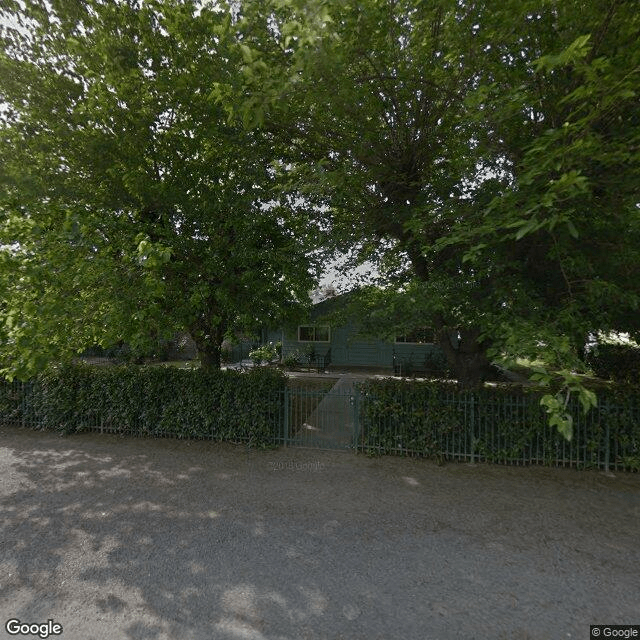
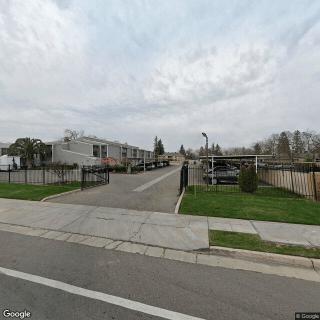
4906 E. Grant Avenue, Fresno, CA 93727
To contact a resident: (559) 287-1874
For more information about senior living options: (866) 208-4318
Mary's Manor 2 Costs & Pricing
Mary's Manor 2 offers competitive pricing for its residents compared to both Fresno County and the broader state of California. For a semi-private room, Mary's Manor 2 charges $2,200 per month, which is significantly lower than the county average of $2,991 and the state average of $3,333. Additionally, their private rooms are priced at $2,500 monthly, again undercutting Fresno County's average of $3,589 and California's statewide average of $3,939. This pricing not only reflects a commitment to affordability but also highlights Mary's Manor 2 as an appealing option for those seeking quality care without breaking the bank in comparison to regional and state standards.
| Floor plans | Mary's Manor 2 | Fresno County | California |
|---|---|---|---|
| Semi-Private | $2,200 | $2,991 | $3,333 |
| Private | $2,500 | $3,589 | $3,939 |
Memory care communities with a similar price nearby
-
from +$400 / mo
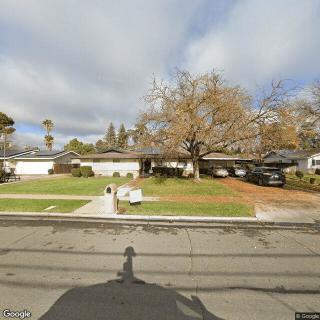
Northwest Villa
$2,600 / month6.3 miles away -
from +$392 / mo
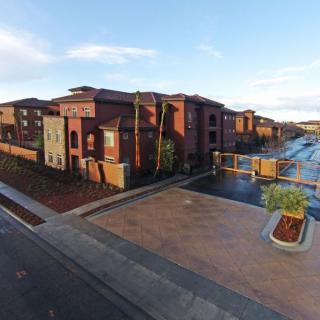
The Terraces at San Joaquin Gardens a CCRC
$2,592 to $3,516 / month5.6 miles away -
from +$400 / mo
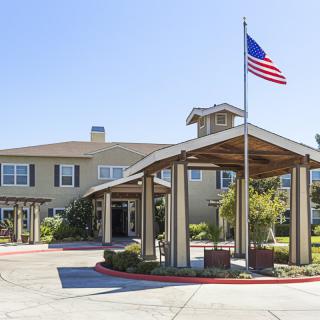
Truewood by Merrill, Clovis
$2,600 to $4,300 / month6.7 miles away -
from +$400 / mo
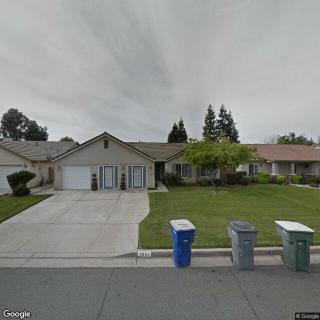
Bedford Care Group - Skyview
$2,600 to $2,900 / month8.3 miles away -
About the same
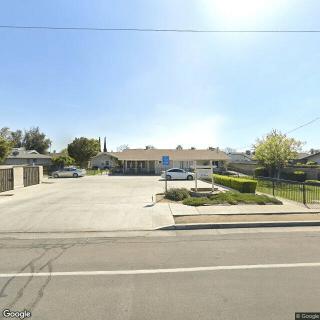
Gettysburg Christian Home
$2,200 to $3,600 / month3.7 miles away
Overall Review of Mary's Manor 2
Pros
 They provide ongoing care and support for the grandmother.
- The care and support shown to her are highly appreciated.
- The grandmother’s stay in their home reflects attentive, compassionate care.
Cons
 They ignore residents all night.
- They stop bathing residents.
- They talk mean to residents.
- They filed a six-page complaint with the state, ombudsmen, and county and said they would hire an attorney if needed.
Review
Mary’s Manor 2 in Fresno is best suited for families that prize a small, home-like atmosphere and are prepared to actively oversee care, intervene when needed, and press for clear accountability. The two positive reviews describe a setting where the care and support for a loved one can feel personal and steady, suggesting that, in the right circumstances, residents may benefit from attentive, familiar staff and a calmer daily routine. This can be a fit for seniors who respond well to consistent caregivers and a predictable schedule, where family involvement remains a core part of the care plan. The flip side is sharp: half of the recent feedback paints a starkly different picture, signaling serious safety and treatment concerns that cannot be ignored. The choice here hinges on confirming reliable staffing and rigorous governance before committing.
Those who must have unwavering safety, respectful interaction, and reliable daily hygiene should consider alternatives. Allegations of neglect and mistreatment are not minor remarks in this context, and they raise red flags about the facility’s culture and oversight. Reports that a resident was ignored at night or not bathed, paired with other emotional mistreatment claims, point to potential systemic failures rather than isolated incidents. With such serious concerns, prospective families should demand full transparency from the administrator, request detailed incident logs, review corrective actions, and verify ongoing state oversight. If these protections cannot be demonstrated, exploring other licensed options with stronger safety track records is prudent.
The generous pro-bono case for Mary’s Manor 2 rests on the tangible, positive experiences reflected in two reviews: residents receiving ongoing care and support, and family members feeling confident in the daily attentiveness of the staff. A smaller home can offer individualized attention, flexibility in routines, and more chances for staff to know a resident’s preferences and needs. These advantages can meaningfully offset in environments where caregivers are present and engaged, enabling meaningful connection and timely assistance for activities of daily living. Yet these positives cannot erase the weight of serious accusations. The best-fit scenario is one in which the facility demonstrates consistent, high-quality interactions across shifts, backed by verifiable policies and responsive leadership.
The most compelling counterbalance to the positives is the clear quality risk voiced by the negative reviews: neglectful patterns and harsh treatment are not compatible with safe, dignified caregiving. The presence of these accounts means any potential resident must be subject to escalating oversight, with binding care plans, strict supervision, and unambiguous enforcement of standards. Family members should push to see staffing schedules, caregiver qualifications, turnover rates, and evidence that issues reported to the state and ombudsmen have led to demonstrable improvements. Without solid remediation and ongoing monitoring, the perceived benefits of a small, intimate setting will remain overshadowed by the risk of harm.
Overall, a 2.5 rating from four reviews signals a chasm in experience: half the witnesses describe a caring, workable environment, while the other half describe conditions that could endanger a resident’s health and dignity. That gulf is not acceptable for elders who require consistent, compassionate, and competent care. In Fresno, there are alternative communities and in-home options with steadier reputations and clearer accountability. For families willing to pursue Mary’s Manor 2, it is essential to enter with a disciplined plan: schedule extended, in-person visits; request to observe evening and night care; insist on meeting the direct care team and the administrator; demand a written care plan with measurable goals; and seek a trial period under close supervision. If any red flags persist during this process, exit promptly and redirect to a facility with proven safeguards, transparent reporting, and a track record of respectful, reliable caregiving.
 Board and Care Home
 Memory Care
 Air-conditioning
 Ground floor units
 Kitchenette
 Private
 Wheelchair accessible showers
 Fresno Yosemite International (2 miles away)
 Ambulatory care
 Diabetic care
 Gluten-free
 Birthday parties
 Live musical performances
 Live well programs
 Resident band or musicians


 Five Subtle Dementia Indicators to Observe: An In-Depth Guide to Understanding “Does My Mom Have Dementia?”
 Dementia, Paranoia, and Caregiver Guidance: Understanding the Connection
 Engaging Memory Care Activities That Enhance Quality of Life