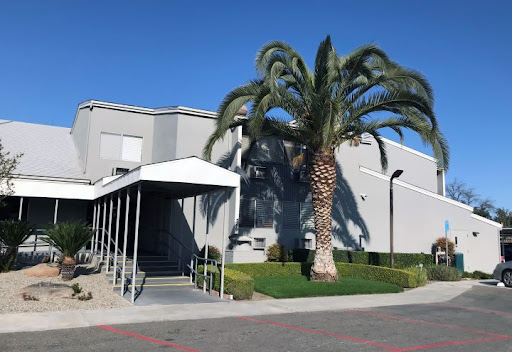
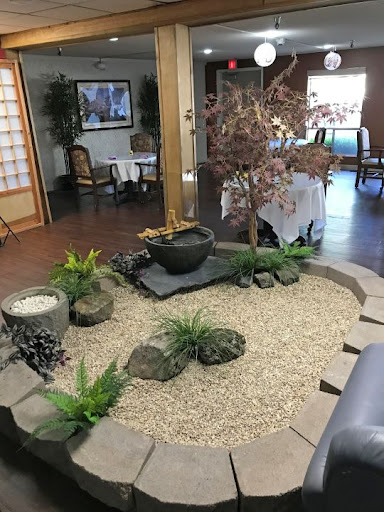
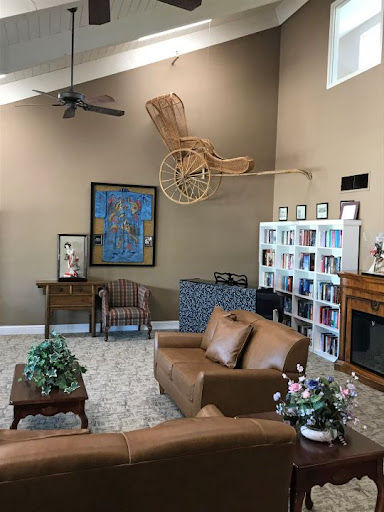
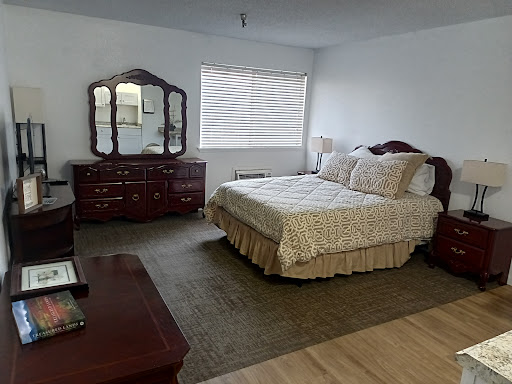
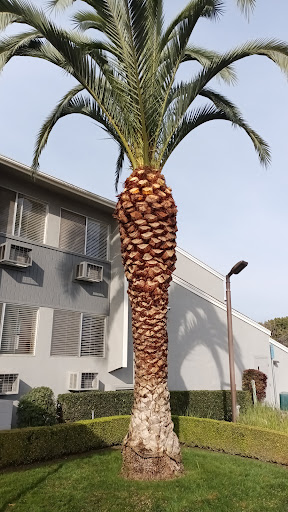



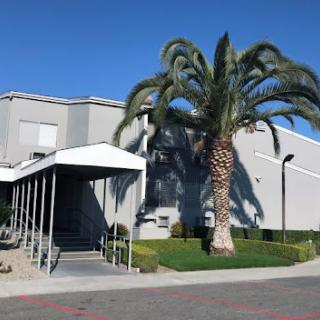
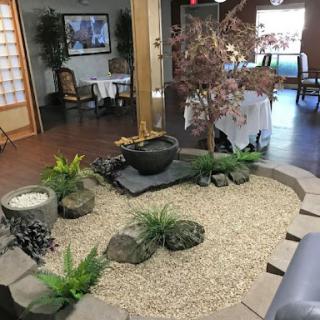
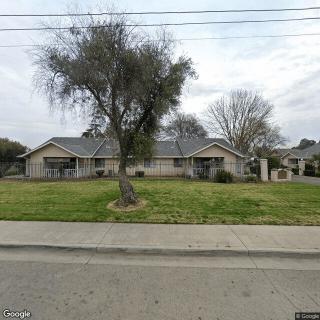
540 South Peach, Fresno, CA 93727
For more information about senior living options: (866) 208-4318
Vintage Gardens Costs & Pricing
Vintage Gardens offers competitive pricing for its accommodations when compared to both Fresno County and the broader California region. For instance, a studio at Vintage Gardens is priced at $2,264 per month, significantly lower than the county average of $3,349 and the state average of $4,145. Similarly, their one-bedroom units are available for $2,649 per month, again offering savings compared to Fresno County's average of $3,398 and California's statewide average of $4,340. These cost-effective options make Vintage Gardens an appealing choice for individuals seeking quality living arrangements without the financial strain often associated with other local alternatives.
| Floor plans | Vintage Gardens | Fresno County | California |
|---|---|---|---|
| Studio | $2,264 | $3,349 | $4,145 |
| 1 Bedroom | $2,649 | $3,398 | $4,340 |
Assisted Living communities with a similar price nearby
-
from +$336 / mo
Northwest Villa
$2,600 / month7.4 miles away -
from -$264 / mo
Happy Living Facility
$2,000 to $2,500 / month1.9 miles away -
from +$328 / mo

The Terraces at San Joaquin Gardens a CCRC
$2,592 to $3,516 / month6.7 miles away -
from +$311 / mo

Fairwinds - Woodward Park
$2,575 to $3,950 / month10.0 miles away -
About the same
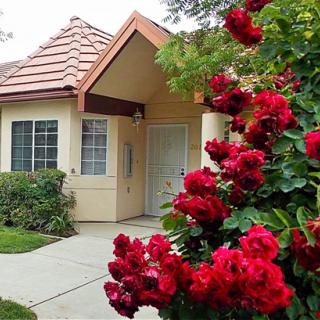
Bethel Lutheran Home
$2,325 to $2,405 / month13.5 miles away
Overall Review of Vintage Gardens
Pros
 The residents are great to be around.
- The food was good.
- The community is diverse and creates a fun atmosphere.
- The staff are wonderful.
- It is a great place to call home.
- The staff go above and beyond to ensure quality and respect for everyone.
- The Vintage Gardens was a nice place to tour.
- The people were very friendly.
Cons
 It was a horrible place.
- Staff mistreated residents and their families.
- The staff were rude and hung up the phone.
- Residents did not receive physical therapy.
- Medications were withheld from residents.
- There was a lack of follow-through and communication.
- The staff were not able to adequately care for residents.
- The service was a waste of money.
- Racism was present within the community.
- Clothes, money and snacks were taken from residents.
Review
Vintage Gardens in Fresno is best suited for seniors who prize a lively, social environment and affordability over cutting-edge medical care. The community leans into resident life, activities, and a non-profit model that can make monthly costs more predictable. It suits older adults who do not require constant skilled-nursing oversight and who can function well within a setting where companionship and accessible programming are the primary attractions. For residents with significant medical needs, frequent therapy, or demanding supervision, this is not the strongest fit.
Those who should consider alternatives include families whose loved ones depend on reliable, tightly coordinated medical care, consistent therapy services, and transparent communication about treatments and daily needs. If a resident requires regular physical therapy, timely medication administration, or robust, on-call nursing support, another facility with stronger clinical oversight will likely deliver more peace of mind. Similarly, for anyone prioritizing modern amenities, easy elevator access, or consistently professional staff, exploring newer or more tightly managed communities is prudent.
Pros in practice include engaging activities, a sense of community, and meals that residents generally praise. The social fabric appears to be a core strength, with residents and staff often described as friendly and involved, and the non-profit structure is perceived as favoring resident life over pure profit. When care is well-staffed, this environment can feel warm, supportive, and home-like, reinforcing a sense of belonging and daily purpose. These positives, however, rest on a foundation that is not consistently stable across shifts or days, which is where the main concerns begin to offset the benefits.
The most troubling themes center on inconsistency and accountability. Several reviews allege mistreatment, rude or rough staff behavior, and poor follow-through on care plans. Specific gaps cited include missed physical therapy, delayed or withheld medications, and communication lapses that leave families uncertain about how loved ones are faring day to day. A few accounts also reference problematic staff transitions and even misconduct surrounding personal belongings. While some families report meaningful improvement under new leadership, the variance in experiences is a real determinant for anyone weighing this community against alternatives.
To make a sound, decision-focused judgment, prospective families should approach Vintage Gardens with a structured checklist. Request a candid conversation with current leadership about staffing levels, training, and turnover; ask for concrete evidence of how care plans are monitored and adjusted, and verify that therapy services can meet anticipated needs. Tour the facility and observe accessibility, cleanliness, and how staff interact with residents. Speak with several families about recent experiences, particularly those with loved ones who share similar medical or mobility needs. Finally, confirm the transparency of incident reporting, accountability protocols, and how complaints are resolved. With due diligence, Vintage Gardens can be a fit for those seeking a sociable, affordable senior living option, but only when care expectations align with the realities of staffing consistency and medical oversight.
 158 resident community capacity
 Assisted Living
 Respite Care
 Cats allowed
 Dogs allowed
 Activities off-site
 Air-conditioning
 Beautician on-site
 Cable or satellite TV
 Computer center
 Devotional services off-site
 Dining room
 Fitness room
 Fully furnished
 Gaming room
 Garden
 Ground floor units
 Housekeeping services
 Indoor common areas
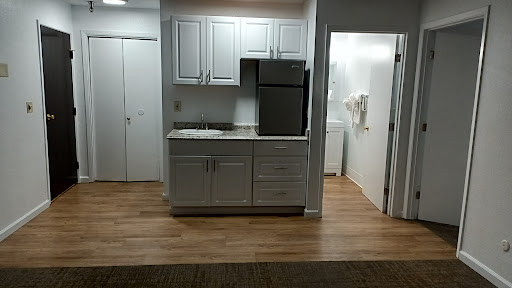
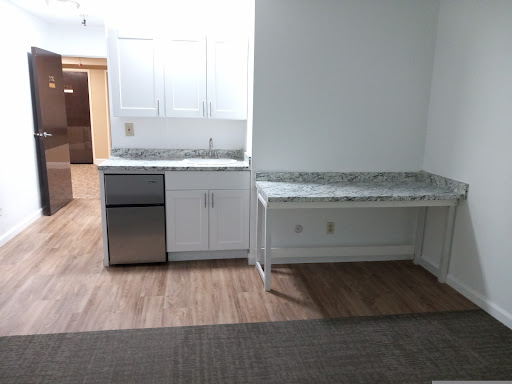
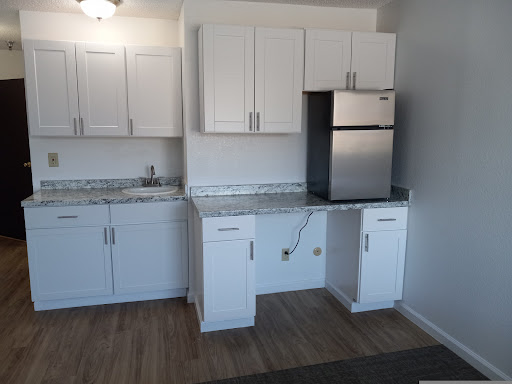
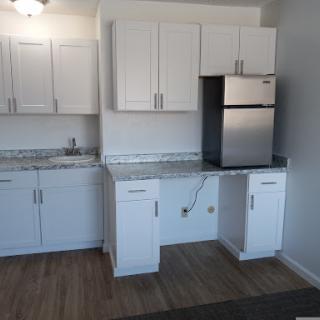
 Kitchenette
 Move-in coordination
 Outdoor space
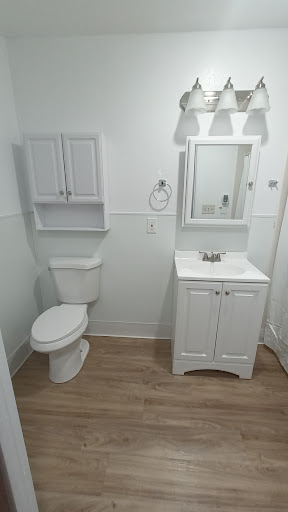
 Private bathrooms
 Restaurant-style dining
 Small library
 Telephone
 Wellness center
 Wheelchair accessible showers
 Wi-Fi/high-speed internet available
 Fresno Yosemite International (3 miles away)
 Community operated transportation
 12-16 hour nursing
 24-hour call system
 Ambulatory care
 Assistance with bathing
 Assistance with dressing
 Assistance with transfers
 Diabetes diet
 Diabetic care
 Incontinence care
 Medication management
 Mental wellness program
 Special dietary restrictions
 Art classes
 Concierge services
 Cooking classes
 Day trips and outings
 Educational speakers / life long learning
 Happy hour
 Live dance or theater performances
 Live musical performances



 Understanding the True Cost of Assisted Living in 2025: A Comprehensive Guide
 Understanding Medicaid Coverage for Assisted Living: A Comprehensive Guide
 How and When Medicaid May Cover Assisted Living Costs