
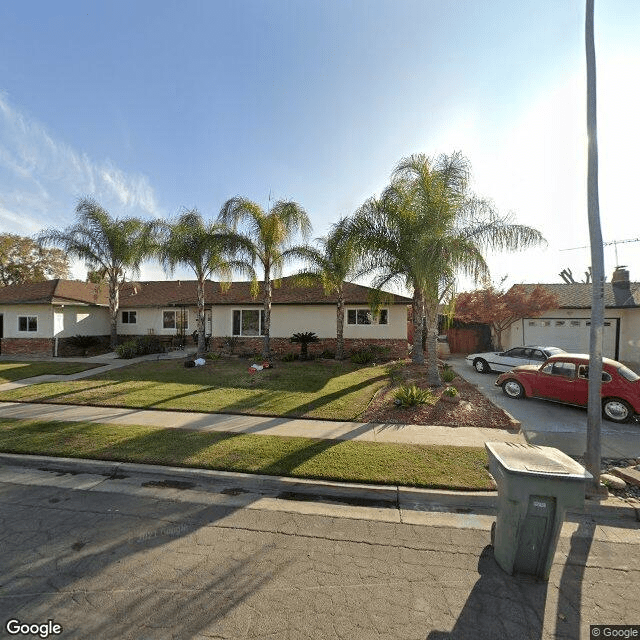
1083 E. Los Altos Herndon/Sierra, Fresno, CA 93710
To contact a resident: (559) 447-1052
For more information about senior living options: (866) 208-4318
Cottage Pines Assisted Living Costs & Pricing
Cottage Pines Assisted Living offers competitive pricing for its residents, particularly when compared to the average costs in Fresno County and across California. For those considering a semi-private room, Cottage Pines charges $2,800 per month, which is notably lower than the county average of $2,991 and significantly more affordable than the state average of $3,333. Studio accommodations at Cottage Pines are priced at $3,500, slightly above Fresno County's typical rate of $3,349 but still less than California's average of $4,145. Furthermore, private room options range from $3,500 to $4,259; this provides flexibility while remaining reasonably aligned with Fresno County's average of $3,589 and falling well within California's state figure of $3,939. Overall, Cottage Pines presents a valuable choice for assisted living in terms of cost efficiency relative to both local and statewide pricing standards.
| Floor plans | Cottage Pines Assisted Living | Fresno County | California |
|---|---|---|---|
| Semi-Private | $2,800 | $2,991 | $3,333 |
| Studio | $3,500 | $3,349 | $4,145 |
| Private | $3,500 to $4,259 | $3,589 | $3,939 |
Memory care communities with a similar price nearby
-
About the same
Chateau Jesadean
$2,800 / month1.9 miles away -
from -$200 / mo
Northwest Villa
$2,600 / month2.0 miles away -
from +$400 / mo
Blossom Creeks Assisted Living
$3,200 to $3,800 / month9.1 miles away -
from +$500 / mo

Nazareth House
$3,300 / month4.4 miles away -
from +$400 / mo
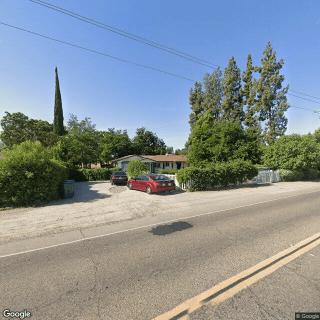
Clovis Guest Home
$3,200 / month6.8 miles away
Overall Review of Cottage Pines Assisted Living
Pros
 They are professional yet warm, and they work with families to ease the caregiving journey.
- They provide an unparalleled level of care, treating residents like family and keeping families updated.
- Angela and the administrative team are amazing, accessible, and deeply caring.
- The homes are clean, comfortable, and offer a true home-like environment.
- The caregivers are friendly, compassionate, and attentive to one-on-one needs.
- The smaller group homes provide 24/7 care in a home-like setting.
- The facilities have on-site nurses and a doctor to support comprehensive care.
- Families report peace of mind and gratitude for the love and advocacy shown to their loved ones.
- Many families highly recommend Fresno Guest Homes for a dignified, nurturing environment.
Cons
 One reviewer described tension between the mom and the main caregiver, alleging threats and a confrontation where a resident fell from bed, and said the owners refused to acknowledge it and defended the mistreatment.
- The reviewer stated that the male owner’s handling of the conflict was disrespectful and unprofessional.
- Another reviewer claimed that Fresno Guest Homes allowed mistreatment and defended it.
- A reviewer noted that their post was revised after a lawyer suggested removing it, implying pressure to silence criticism.
- The reviewer said the family was moved out immediately following the incident, indicating an adverse outcome for the resident.
Review
Cottage Pines Assisted Living in Fresno is best suited for families seeking a warm, home-like setting where daily life centers on intimate, 24/7 care within a small residential-style environment. The model that appears most comfortable for residents is one where the senior can stay in a familiar, house-like home with a tight-knit staff who know them well, provide hands-on supervision, and maintain regular, open communication with family members. This approach works particularly well for long-term stays, end-of-life planning, and for families who value being part of the daily caregiving conversation rather than navigating a large, impersonal campus.
Those who may want to consider alternatives are typically families prioritizing a more formal, protocol-driven setting or seeking broader medical coordination than a small home can provide. Several reviewers describe conflicts or management-style tensions in a family-owned operation, including perceptions of mistreatment and uneven responsiveness. For families needing highly structured incident reporting, consistent corporate governance, or a dedicated memory-care curriculum with pinned-down programs, a larger facility with documented hierarchies and standardized procedures could feel more predictable. In such cases, a more centralized model may reduce personal friction and ensure uniform policies.
The strongest positives in these reviews center on personalization, attentiveness, and the felt sense of “being cared for.” Small homes tend to deliver 24/7 supervision, one-on-one attention, and frequent, direct updates to families, which translates to reduced anxiety for caregivers who live at a distance. Caregivers described as loving, patient, and deeply invested, often with years of relationship-building, help residents feel at home and engaged. The availability of on-site nurses and a medical professional, along with home-cooked meals and a calm, clean atmosphere, further underwrite the sense that a loved one is both safe and valued. When transitions happen, whether a move from another facility or the initiation of hospice, the staff’s hands-on involvement is repeatedly highlighted as a stabilizing force.
These strengths, however, do not erase the real-world concerns evident in some accounts. The most consequential cons relate to governance and interpersonal dynamics: a tense encounter between ownership and a family, accusations of mistreatment, and stories of inconsistent leadership. Such episodes stress the importance of rigorous due diligence: interview multiple staff and owners, request written care plans, check references, and probe how conflicts are resolved. In addition, the variability that can accompany smaller, family-run homes means prospective residents must verify the consistency of staffing, turnover rates, and the reliability of medical coordination. Families should also confirm that emergency protocols, medication management, and physician involvement align with their expectations and the resident’s needs.
When weighing Cottage Pines against these patterns, the deciding factor becomes the family’s tolerance for intimate, relationship-driven care versus a preference for formalized process. The pros, deep caregiver consistency, rapid family updates, and a true home atmosphere, deliver meaningful peace of mind for many families. The main offsetting risks demand proactive planning: insist on clear, written care plans; seek verifiable references; and assess how disputes are handled and documented. A facility that can demonstrate steady leadership, transparent communication, and a demonstrable track record of compassionate, competent care will convert the strengths observed here into lasting stability for a resident.
In practical terms, families evaluating Cottage Pines should treat this as a core criterion: does the administration show up consistently for questions, call or email promptly with updates, and coordinate with physicians and specialists as needed? Schedule in-depth tours with current families, request sample menus, daily schedules, and a realistic view of activity programming. Ask about hospice support, emergency transfers, and how 24/7 supervision is staffed. Compare these factors to alternatives that offer more formal governance or different resident-to-staff ratios. The right choice will align the resident’s clinical needs, the family’s preferred level of involvement, and the budget without sacrificing the dignity and warmth that underpins the strongest elder-care relationships.
 Board and Care Home
 Memory Care
 Beautician on-site
 Indoor common areas
 Outdoor common areas
 Private
 Private bathrooms
 Respite or short term stays offered
 Fresno Yosemite International (5 miles away)
 Ambulatory care
 Diabetic care
 High acuity care
 Incontinence care
 Meals provided


 Choosing the Right Senior Care: A Detailed Exploration of Assisted Living and Nursing Homes
 Safeguarding Your Memory Through the Golden Years: Eight Ways to Preserve Cognitive Health
 Comprehensive Insights into Activities of Daily Living (ADLs) and Their Assessment