
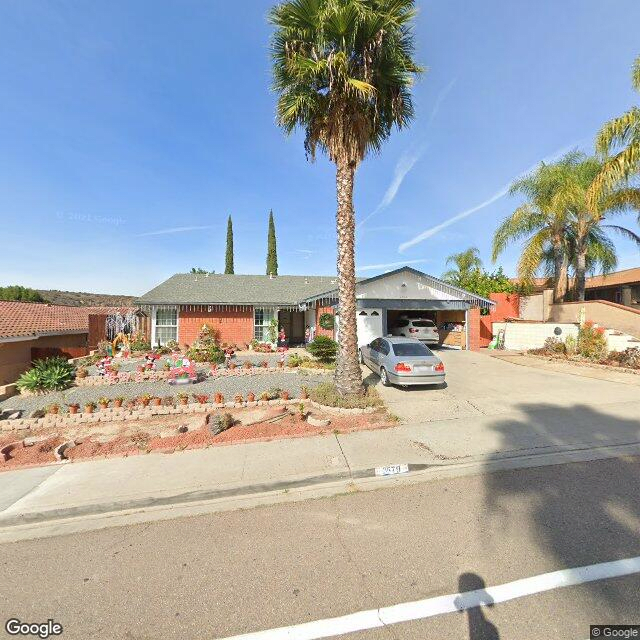
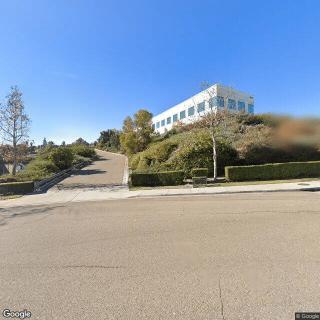
2579 Windmill View Rd, El Cajon, CA 92020
To contact a resident: (619) 749-1202
For more information about senior living options: (866) 208-4318
Care Plus Mansion Residential Care Facility for the Elderly Costs & Pricing
Care Plus Mansion Residential Care Facility for the Elderly offers a semi-private room option at a monthly cost of $3,500. This price is slightly lower than the average for San Diego County, where semi-private accommodations are typically priced at around $3,518. When considering the broader context of California, Care Plus Mansion's rates remain competitive, as the state average stands at approximately $3,333 for similar services. This positioning not only reflects the facility's commitment to providing affordable care but also highlights its value within the regional market, ensuring residents receive quality support while maintaining reasonable costs.
| Floor plans | Care Plus Mansion Residential Care Facility for the Elderly | San Diego County | California |
|---|---|---|---|
| Semi-Private | $3,500 | $3,518 | $3,333 |
Memory care communities with a similar price nearby
-
from -$650 / mo
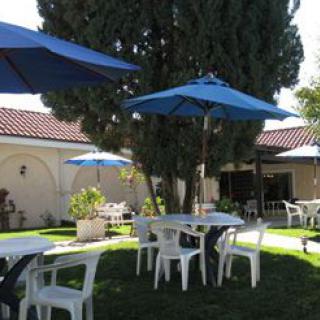
Alpine View Lodge
$2,850 to $3,550 / month11.8 miles away -
from -$300 / mo
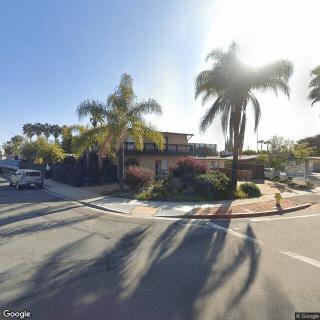
Wellspring Assisted Living
$3,200 to $4,000 / month2.4 miles away -
About the same
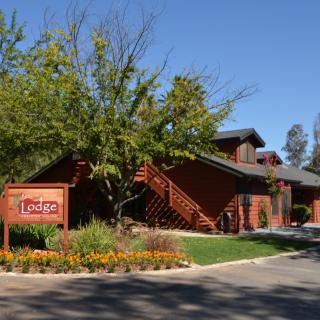
Ramona Senior Lodge Assisted Living
$3,500 to $5,500 / month13.3 miles away -
from -$300 / mo
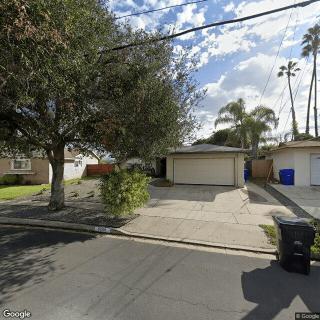
Baron's Residential Care Inc. - Lodi Gardens
$3,200 to $4,000 / month11.9 miles away -
from -$500 / mo
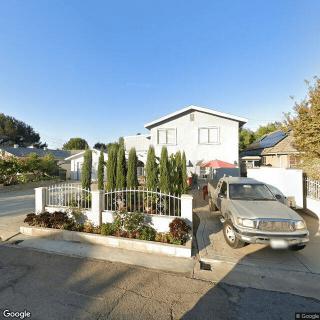
Lilac Chateau I
$3,000 to $4,500 / month2.7 miles away
Overall Review of Care Plus Mansion Residential Care Facility for the Elderly
Pros
 The staff and owner are very passionate and well trained.
- The facility is clean and odor-free.
- The meals are home-cooked and loved by the residents.
- They provide hospice care through a waiver and care for residents through end stage.
- The rates are affordable.
- The staff are friendly, helpful, and accommodating.
- The owner is kind and treats visitors like family.
- It feels like a home away from home.
Cons
 There are not activities offered here.
- The food is good, but needs some variety.
- Private rooms are not available, and private rates are $3,200–$3,400, with shared starting at $2,300.
Review
Care Plus Mansion in El Cajon is best suited for families seeking a warm, home-like setting where an elder with dementia or end-of-life needs can receive compassionate, hands-on care at an affordable price. The community appeals to those who value a small, personable operation led by owners who are actively involved in daily care. It is particularly attractive to families looking for hospice-friendly support and a nurturing environment that feels like “home” rather than a sterile institution.
The core strengths are unmistakable: staff and owners who are passionate and well-trained, including a nurse at the helm, deliver consistent, attentive care that residents and families clearly notice. The facility emphasizes cleanliness, odor-free surroundings, and home-cooked meals that residents appear to enjoy. The arrangement supports behavioral and medical needs through a hospice waiver, enabling continuous attention even as dementia progresses toward end stages. Such factors collectively yield a sense of safety and relational warmth that can significantly ease transitions for worried families.
On the other side, the most frequent cautions center on program variety and scale. The community does not tout an expansive activities calendar, and several families note a need for more structured or varied enrichment options. While meals are praised for quality, one review points to a desire for more menu variety. Staffing appears solid, with one caregiver living on site, but the small scale of the operation may translate into fewer on-site amenities and a leaner schedule than larger assisted living campuses. For families prioritizing robust daily programming, this will be an important factor to assess in person.
Pricing is another practical consideration to weigh. Private rooms are priced in the upper range of the facility’s model (roughly 3,200 to 3,400 per month), with shared accommodations starting around 2,300. The affordability note in reviews is real, yet for families with limited budgets or strict expectations for private room space, these numbers can influence the decision. The dual reality is that the care appears to deliver real value through personal attention and healthcare-aligned support, even if the footprint and activities are more modest than some peers.
The positive dynamics, hands-on ownership, ongoing staff education, home-like meals, and a clean, odor-free environment, can significantly offset the downsides for residents who fit a particular profile. Families facing dementia with behavioral challenges may find the therapeutic, trust-building approach and the willingness to navigate end-of-life care with hospice flexibility to be decisive advantages. The intimate setting often translates into quicker response times, more personalized adjustments, and a sense that the care team knows the resident’s history and preferences well.
For families considering alternatives, the clear options hinge on two priorities: breadth of activities and scope of medical oversight. If a robust, adventuresome activity calendar, more extensive clinical staffing, or a memory-care-focused environment is essential, larger RCFE groups, dedicated memory care facilities, or campuses with more expansive programming may be better matches. Likewise, households with tighter budgets or a preference for more private space at potentially lower prices might explore other communities that offer greater cost flexibility or different room configurations.
Prospective families should approach a tour with practical questions and a sharp eye for daily life rhythms. Inquire about how the staff manages dementia-related behaviors in real time, what a typical day looks like, the cadence of social and recreational opportunities, and how meals are planned and rotated. Observe the level of interaction between residents and caregivers, the cleanliness of common areas, and whether the on-site owner’s presence translates into consistent engagement with residents. When alignment exists between the resident’s care needs, the desire for home-like surroundings, and the willingness to accept a simpler activity slate, Care Plus Mansion emerges as a candid, capable option worthy of serious consideration.
 Board and Care Home
 Memory Care
 Activities on-site
 Indoor common areas
 Outdoor common areas
 Swimming pool / hot tub
 Wheelchair accessible showers
 San Diego International-Lindbergh (13 miles away)
 Ambulatory care
 High acuity care
 Incontinence care
 Kosher


 22 Remarkable Caregiver Support Groups Available Online and In-Person
 Understanding Medicaid Coverage for Assisted Living: A Comprehensive Guide
 How and When Medicaid May Cover Assisted Living Costs