
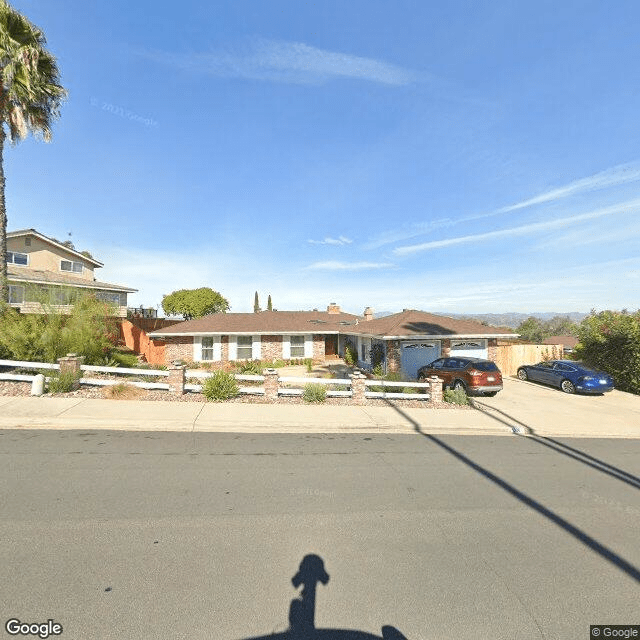
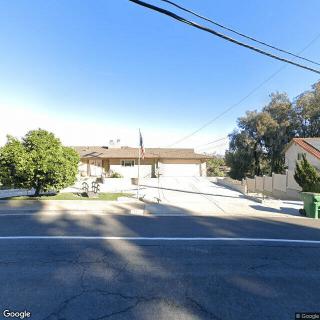
1308 Hacienda Drive, El Cajon, CA 92020
For more information about senior living options: (866) 208-4318
Tree Of Life Elder Care 01 Costs & Pricing
Tree Of Life Elder Care 01 offers competitive pricing for its accommodations, with both studio and private rooms priced at $5,000 per month. This rate positions the facility above the average costs observed in San Diego County, where studio rooms typically run about $4,217 and private rooms are approximately $3,939. Similarly, these rates exceed the averages seen across California as a whole, where studio and private rooms are generally available for around $4,145 and $3,939 respectively. While Tree Of Life Elder Care 01 may command higher prices compared to its local and state counterparts, this reflects the unique services and personalized care they provide to their residents.
| Floor plans | Tree Of Life Elder Care 01 | San Diego County | California |
|---|---|---|---|
| Studio | $5,000 | $4,217 | $4,145 |
| Private | $5,000 | $3,939 | $3,939 |
Memory care communities with a similar price nearby
-
from +$500 / mo
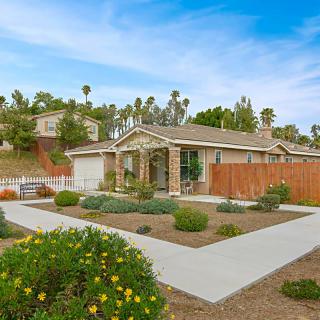
Splendor Valley
$5,500 / month20.3 miles away -
from -$450 / mo

Champine Manor
$4,550 / month23.9 miles away -
from -$705 / mo
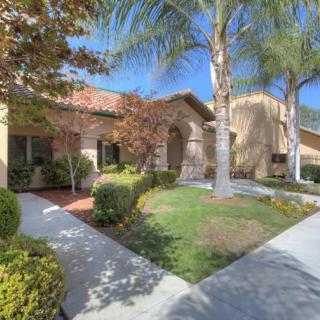
Summerfield of Encinitas Memory Care
$4,295 to $4,895 / month21.5 miles away -
About the same

Stellar Care
$4,950 / month6.4 miles away -
from -$650 / mo

Lantern Crest
$4,350 to $5,850 / month2.1 miles away
Overall Review of Tree Of Life Elder Care 01
Pros
 The house is lovely with a beautiful view.
- The staff is wonderful and caring.
- They were so loving and attentive to the mom.
Review
Tree Of Life Elder Care 01 in El Cajon, CA is best suited for families prioritizing an intimate, home-like environment where daily life centers on a devoted caregiver presence. The standout takeaway from the lone published review is not flashy amenities but a residence that feels welcoming and secure, anchored by a staff described as wonderfully caring and loving toward the resident. In practical terms, this community excels for seniors who want genuine, consistently attentive interactions with caregivers and a setting that emphasizes comfort and personal connection over institutional scale.
Anyone weighing alternatives should consider what happens if medical needs outpace a small, home-style setting. For residents who require substantial skilled nursing, frequent clinical oversight, or a broad spectrum of therapeutic services on a fixed schedule, larger assisted living campuses or dedicated memory-care facilities may offer more predictable access to comprehensive medical and rehabilitative resources. If a robust activity calendar, diverse on-site services, or country-club level amenities are non-negotiable, exploring other options could prevent later gaps in care or routine.
The positive elements here, principally the house’s beauty and the view, coupled with exceptionally caring staff, create a powerful offset against common senior-care concerns. When a facility can demonstrate warmth, trust, and real emotional support, worries about isolation, impersonal care, or caregiver turnover become much less pressing. The review signals that the human side of the operation is the core strength: residents are tended to with attention, kindness, and a sense of genuine partnership with families. In decision-making terms, these factors often translate into steadier daily routines, better mood, and clearer communication during transitions.
From a decision-maker’s perspective, the practical implications are clear. Prioritize visits that allow observation of staff-resident interactions, ask to meet the caregiver team that would be assigned to the loved one, and assess whether the daily schedule feels predictable and respectful of the resident’s preferences. Explore how meals, safety features, and mobility support are integrated into the day, and confirm how family involvement is accommodated. If the resident cherishes a tranquil, scenic setting, verify ongoing access to outdoor areas and views, as these elements often reinforce a sense of well-being and continuity.
Even with the strong positives, a disciplined visit plan remains essential. Inquire about staffing patterns, including whether the same caregivers are consistently assigned to the same residents, and request concrete examples of how care plans are updated as needs evolve. Ask about emergency response protocols, transportation for appointments, and how closely staff collaborate with external medical providers. It is also wise to probe how activities are tailored to individual interests and abilities, ensuring the environment supports both independence and necessary supervision.
Overall, the community presents a compelling choice for families seeking a heartfelt, low-stress living option in El Cajon. The combination of a lovely home atmosphere and a staff that clearly invests in residents’ happiness and safety makes it a standout for those who value personal connection and daily reassurance. For households where these core values align with the loved one’s needs, Tree Of Life Elder Care 01 deserves serious consideration as a primary option. For families prioritizing more extensive medical programming, larger campuses, or a broader slate of amenities, alternatives should be explored to avoid potential gaps in service and support.
 6 resident community capacity
 Assisted Living
 Board and Care Home
 Memory Care
 Activities on-site
 Cable or satellite TV
 Devotional services off-site
 Dining room
 Fully furnished
 Garden
 Housekeeping services
 Indoor common areas
 Move-in coordination
 Outdoor space
 Private
 Telephone
 Wi-Fi/high-speed internet available
 San Diego International-Lindbergh (13 miles away)
 24-hour supervision
 Ambulatory care
 Assistance with bathing
 Assistance with dressing
 Assistance with transfers
 Diabetes diet
 Diabetic care
 Meal preparation and service
 Medication management
 Special dietary restrictions
 Transportation arrangement (medical)
 Transportation to doctors appointments



 When Dementia Sparks Anger and Aggression: Understanding the Connection and Ways to Cope
 Dementia Behaviors: In-Depth Understanding and Effective Coping Strategies
 5 Early Indicators of Dementia and What You Can Do